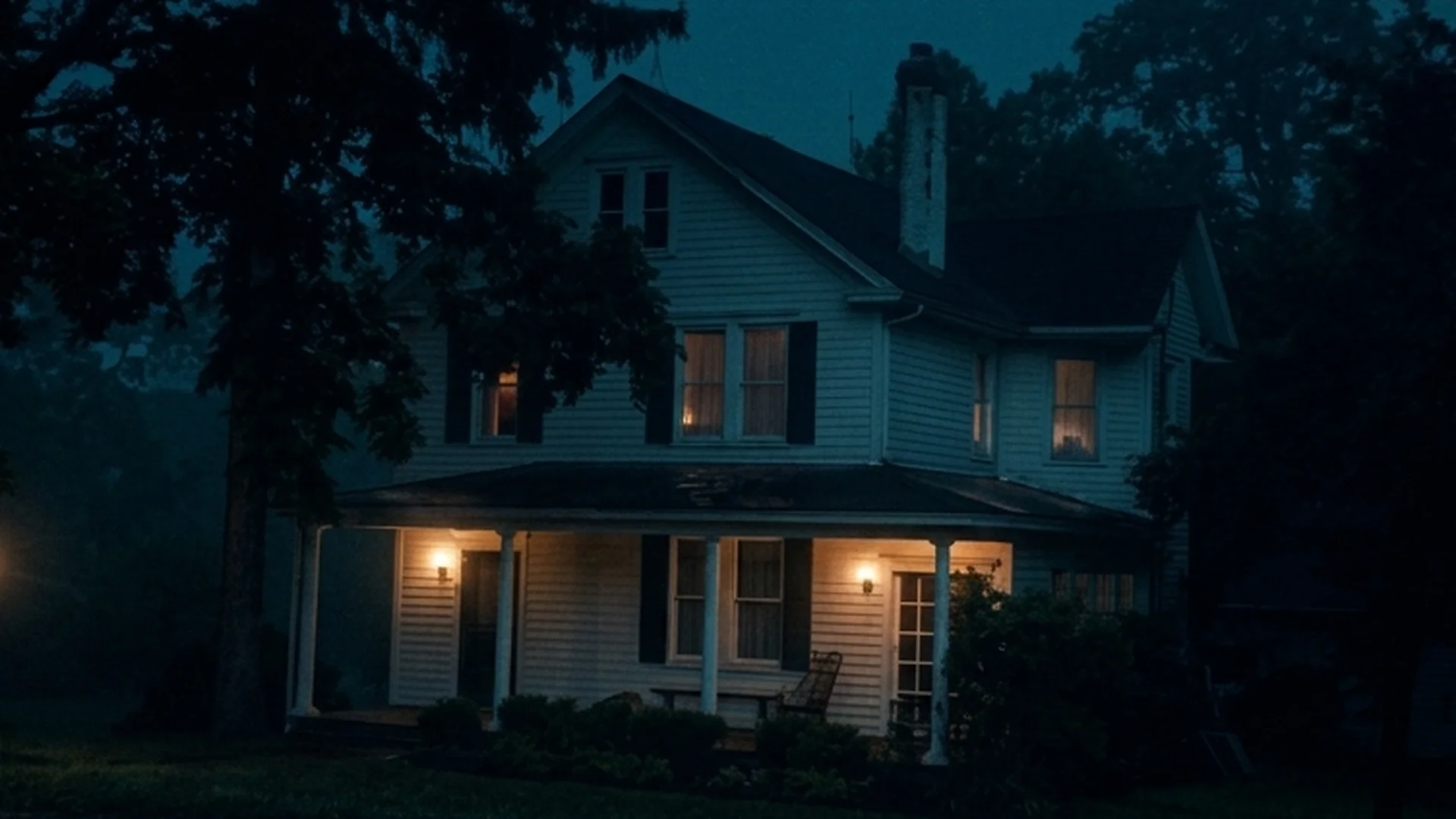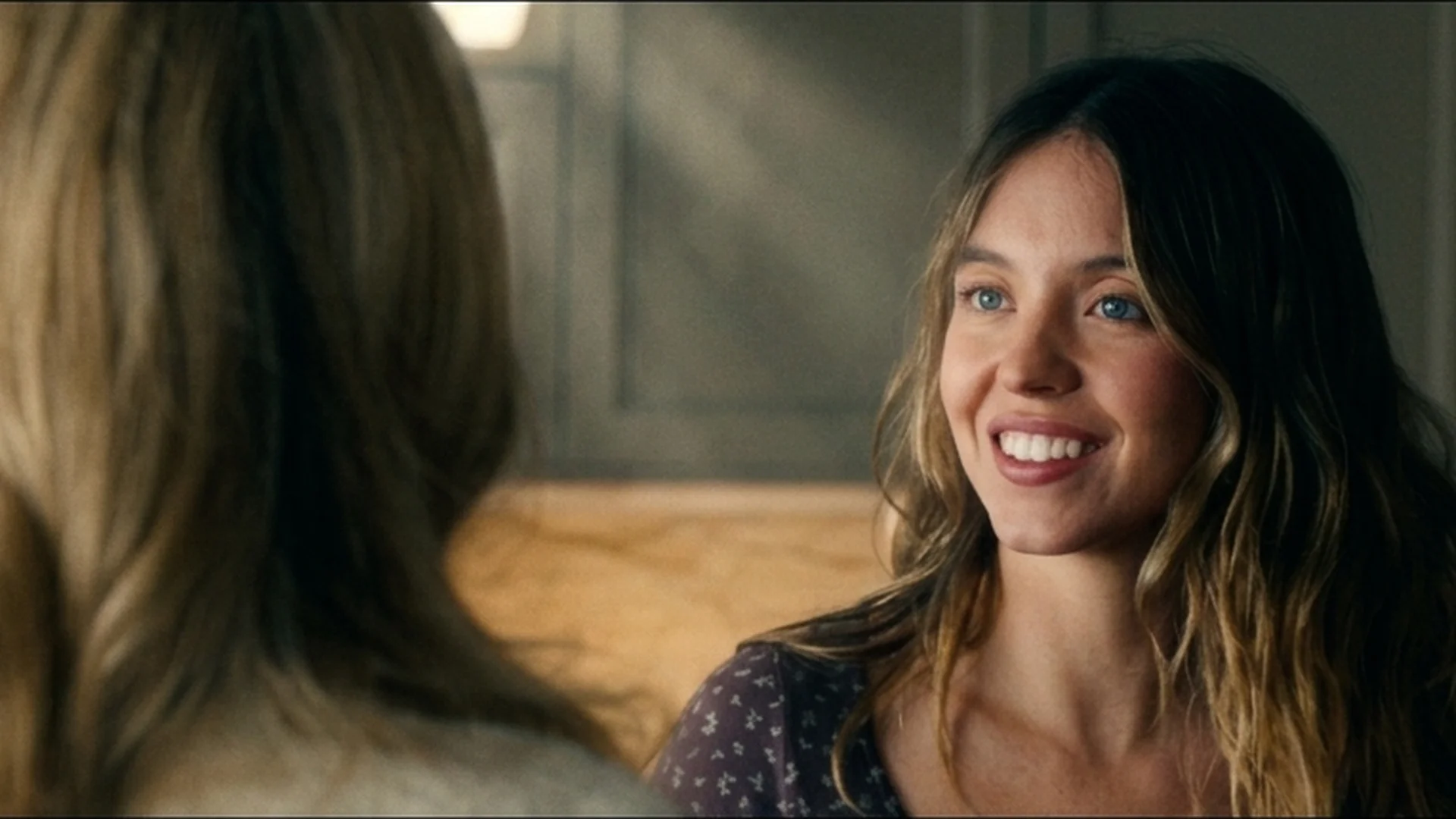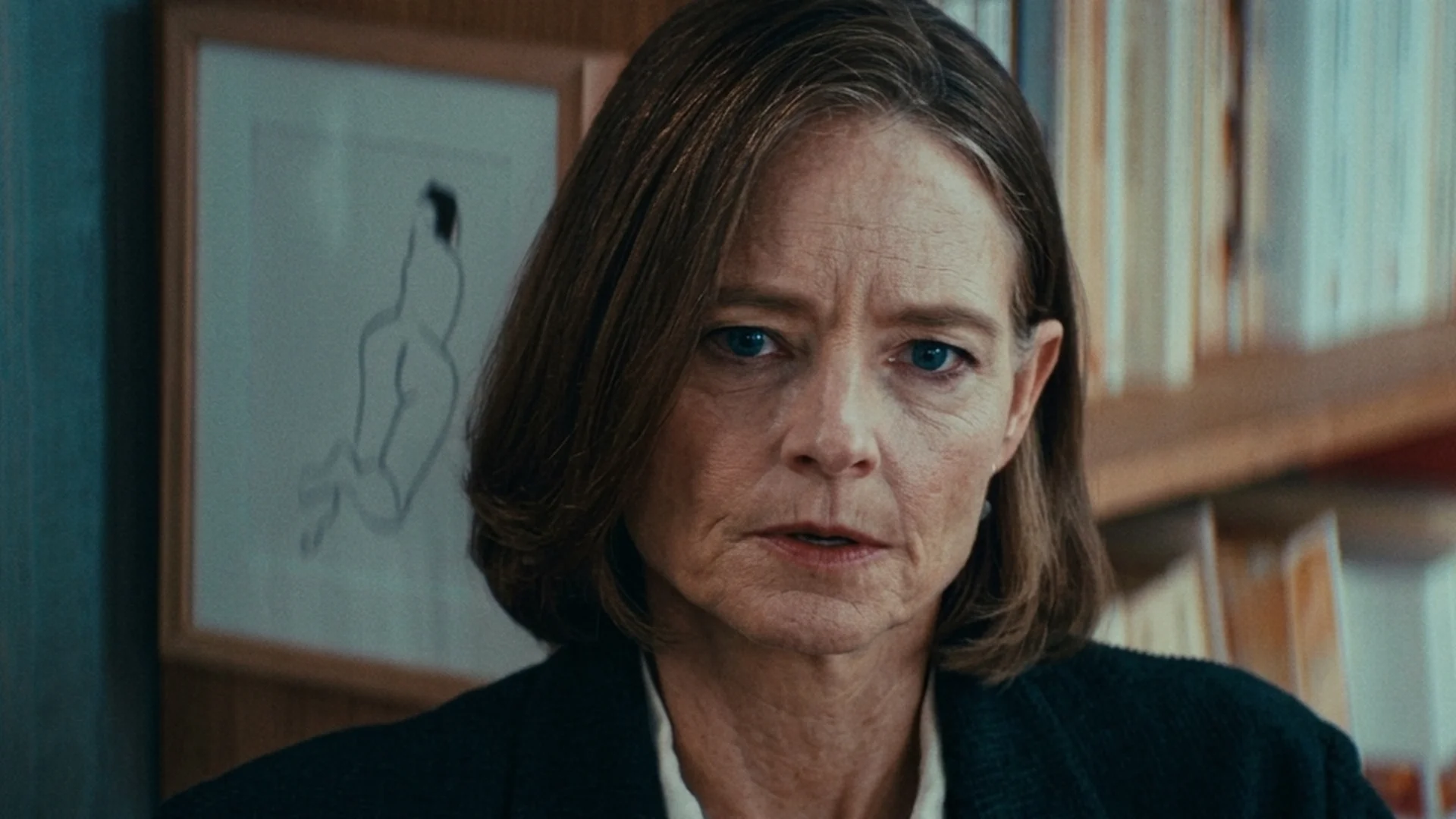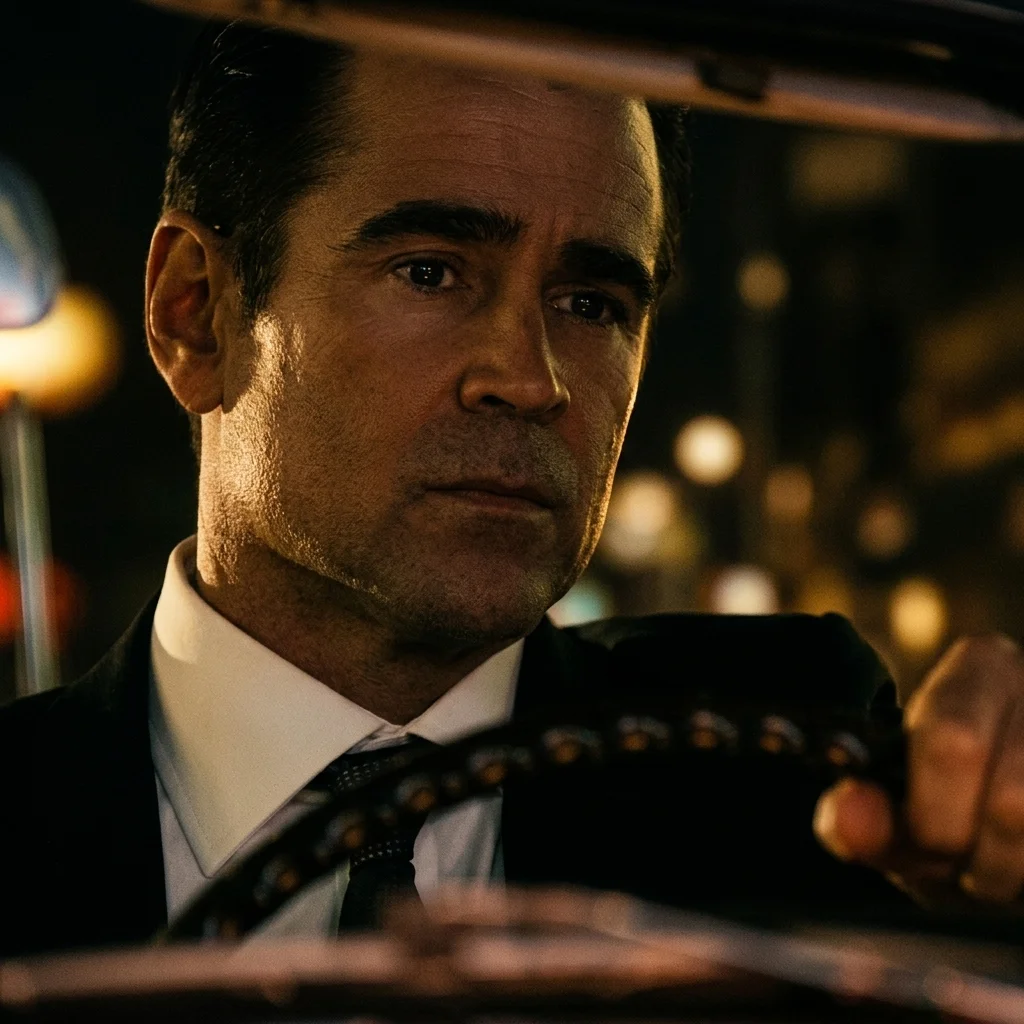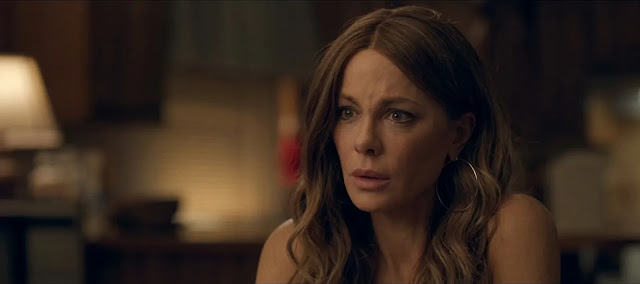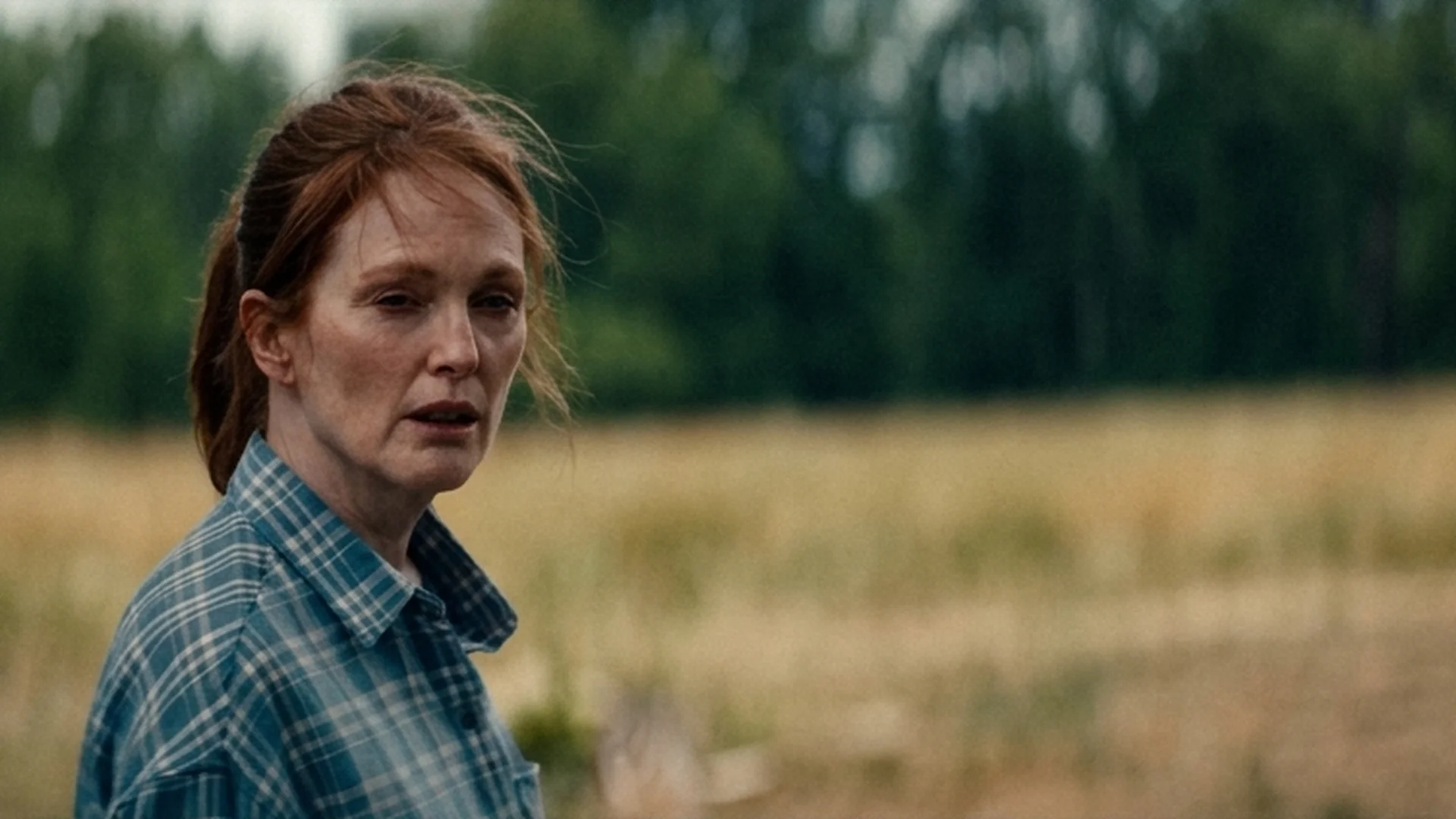
Before Echo Valley, Brad Ingelsby wrote Mare of Easttown, the HBO series about a worn-down detective in working-class Pennsylvania carrying more grief than any case could hold. Echo Valley is that same world shrunk to two people and one farm. Julianne Moore plays Kate, a horse trainer in southern Pennsylvania still grieving the wife she lost in a riding accident. Sydney Sweeney plays her daughter Claire, an addict who turns up one night covered in someone else’s blood. The setup promises a thriller. What Ingelsby actually delivers is something colder and sadder: a study of how far a parent will keep going for a child who never stops asking.
The DNA is unmistakable once you see it. Both stories drop a crime into the lap of a woman already carrying too much, then spend most of their running time watching her absorb it rather than solve it. Ingelsby cares less about who did what than about what the doing costs the person left holding it.
Like a handful of other small catalog titles finding a second life on the streaming charts, Echo Valley is surfacing now, more than a year after a muted release, and it rewards the attention.
A Daughter Covered in Someone Else’s Blood
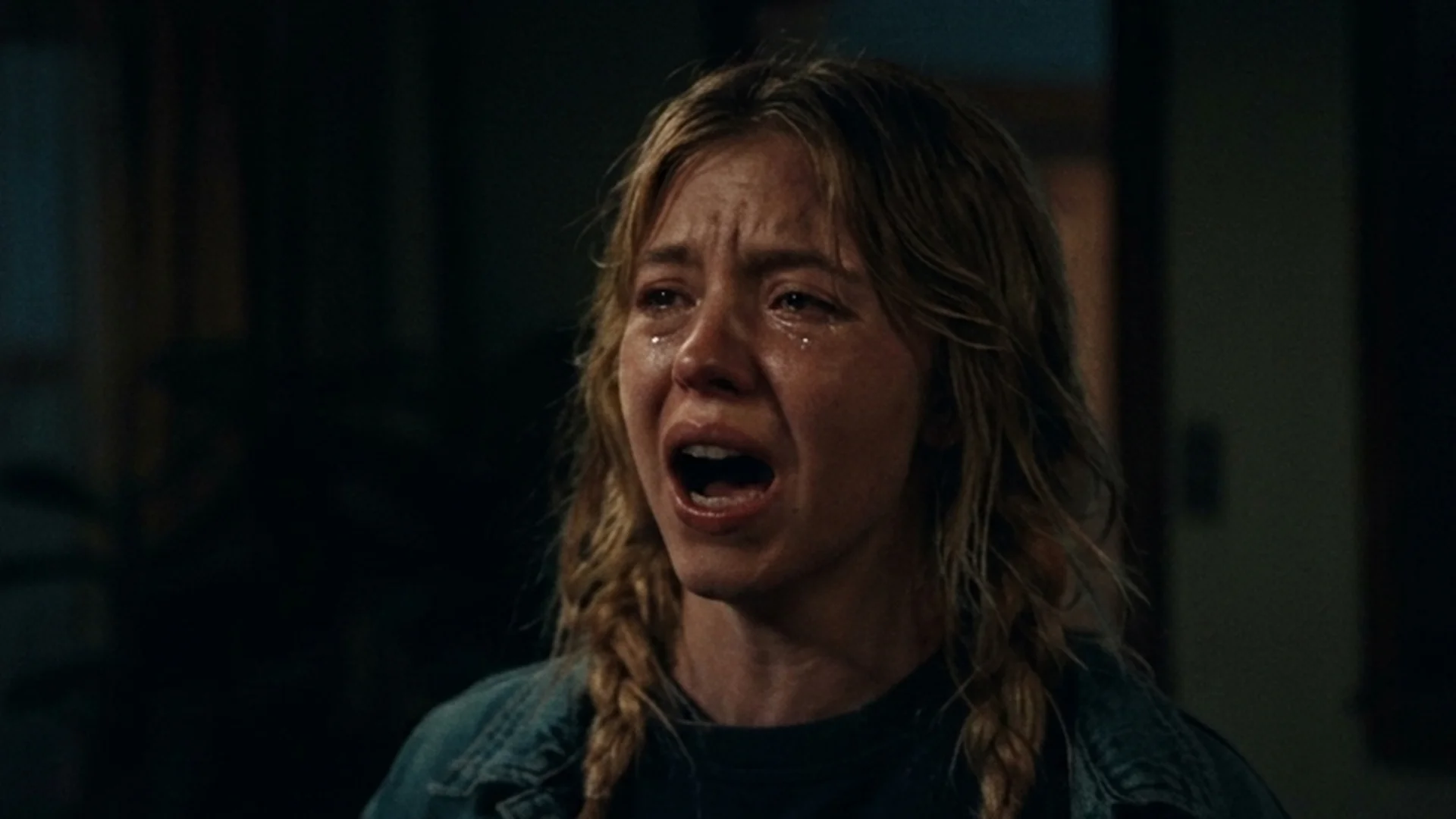
Kate’s life is already precarious when Claire arrives. The farm is losing money, the roof needs nine thousand dollars she does not have, and her ex-husband hands over the check with a lecture about throwing good money after their daughter. Then Claire shows up in the dark, panicked and bloody, and the cash stops being the problem. Someone is dead, and Claire needs her mother to make it disappear.
What follows has the machinery of a thriller: a body, a cover-up, a dangerous man named Jackie (Domhnall Gleeson) circling the farm to collect what Claire owes. But Ingelsby keeps letting the tension leak out of the scenes on purpose. Kate cleans up after her daughter the way she has clearly done a hundred smaller times before, with a flat, unhurried dread. This is not a woman outwitting a plot. It is a woman doing the next terrible thing on a list that never ends.
There is a long stretch where Kate scrubs a floor and loads a truck in near silence, and the camera simply stays with the labor of it. Most thrillers would cut this to a montage. Ingelsby lets it run until the quiet becomes unbearable: this is a body she is disposing of, and it barely moves her face, because some part of her has been bracing for a night like this for years.
The Math of Loving an Addict
The last act is worth meeting cold, so here is only its shape. The thriller pieces resolve, more or less. What lingers is the pattern the film keeps circling. Claire lies, apologizes, swears this is the last time, and comes back. Kate knows the script and follows it anyway, because the alternative is shutting the door on her own child. In interviews Ingelsby has talked about the arithmetic he wanted at the center: for the parent of an addict, there is no single last favor that ends it, because the asking is the addiction itself.
Kate sees the manipulation clearly and chooses her daughter regardless, and that clear-eyed choosing is the part that aches.
That is the same impossible ledger another parent keeps in a film we wrote about this week, measuring love by what it costs to keep giving it.
The film’s final image says it without a word. Kate’s dog starts barking, the way it always does when Claire is close, and Kate turns toward the sound. The movie ends right there, on the threshold, refusing to tell us what she decides. Critics who wanted a climax read that non-ending as a loss of nerve. To me it is the truest beat in the film. A cycle has no climax. It has only the next knock at the door.
Is It Worth Watching?
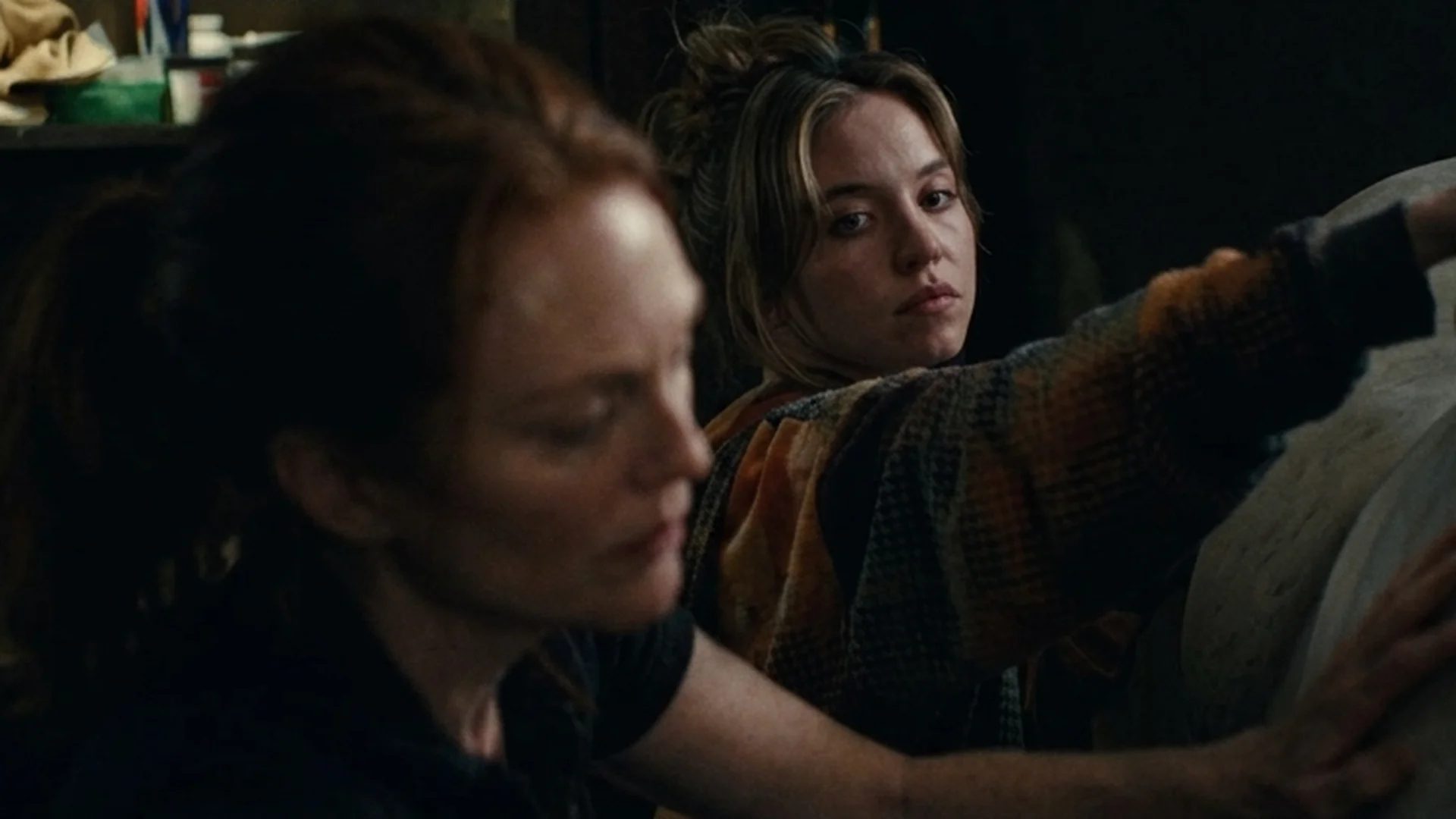
Echo Valley is not a tight thriller, and if that is what you came for, its slack middle will test you. The reviews split for that reason. What holds the film together is Moore, who plays exhaustion better than almost anyone working, and Sweeney, who makes Claire frightening precisely because she can still look like a scared kid one scene after a lie. Sweeney has had a loud year of roles, and this is the one where she does the most with the least, dialing a scream down to a flat, pleading calm. Fiona Shaw and Kyle MacLachlan fill the edges with people who each have their own read on Kate. If you sit down expecting Mare of Easttown’s momentum, you will be frustrated. If you sit down willing to stay with a mother who cannot say no, it earns its runtime. It is a small, sad, well-acted film about the one relationship you do not get to walk away from, and it lingers longer than a cleaner thriller would. What stayed with me had nothing to do with the plot: a single look Moore gives late in the film, when hope and dread cross her face in the same instant.