Facing El Chapo opens with a title that promises a cartel legend, then spends most of its ninety-one minutes somewhere much smaller: a roadside motel, two tired federal cops, and the most wanted man in the hemisphere sitting on a bed, waiting for backup that might not come. So the question most viewers bring to it is fair. Is any of this real? The short answer is yes. Netflix’s new number one, a Mexican crime drama that premiered on August 21, is built on the actual January 2016 recapture of Joaquín Guzmán in Los Mochis, and the strangest beats, the sewer, the highway, the motel standoff, are the true ones. What the film invents is almost everything in between.

What Really Happened in Los Mochis
On January 8, 2016, Mexican marines stormed a house in Los Mochis, Sinaloa, in a raid later known by its code name, Operation Black Swan. Guzmán had broken out of a maximum-security prison six months earlier through a mile-long tunnel dug beneath his cell shower and fitted with a modified motorcycle on rails, his second escape, and the manhunt had turned into a national humiliation. During those months on the run, he even sat for a secret interview with the actor Sean Penn, and Mexican officials later said tracking that meeting helped lead them to Los Mochis, a claim Penn disputed. The raid itself was real and violent. And Guzmán slipped it the way he always had, through a hidden hatch behind a mirror and down into the city’s storm drains, surfacing through a manhole blocks away, filthy and still free.
The Traffic Stop That Almost Let Him Go
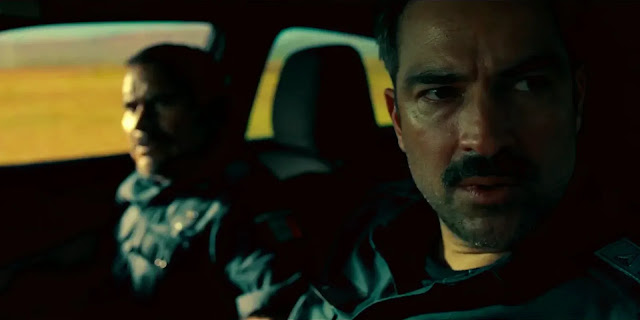
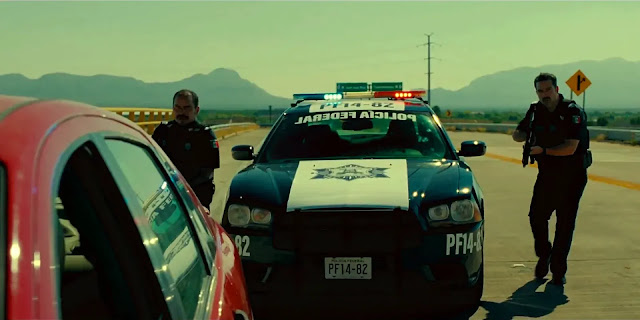
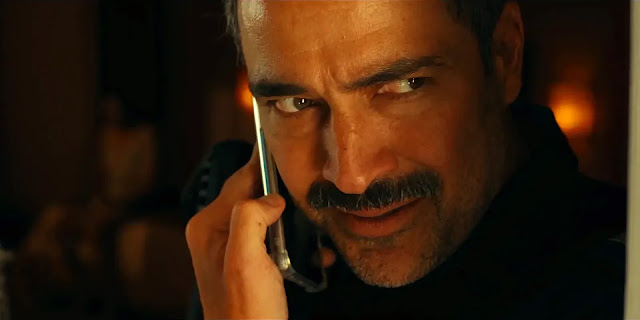
The film’s best stretch is the one closest to the record. After climbing out of the sewer, Guzmán and a lieutenant hijacked one car, then a second, and were rolling out of town when two federal police officers pulled them over on the highway. The officers had no idea who they had just stopped. The movie dramatizes the hours that follow inside room 51 of a motel on the Los Mochis highway, where the two men held Guzmán and waited, badly outnumbered, while the offer of a life-changing bribe sat between them on the table. For hours they kept him in that room. Cartel gunmen gathered in the streets outside, marines raced to reach them, and one accepted envelope would have ended the country’s most expensive manhunt in an empty motel. They turned it down. That refusal, not a gunfight, is what ends the story. It is a smaller and far better ending than the myth would have written. Stripped of chases and shootouts, the film plays as a tense chamber piece, closer to a hostage standoff than a cartel epic. That restraint is the point, and it is why the movie works.
The Three Things the Director Wouldn’t Fake
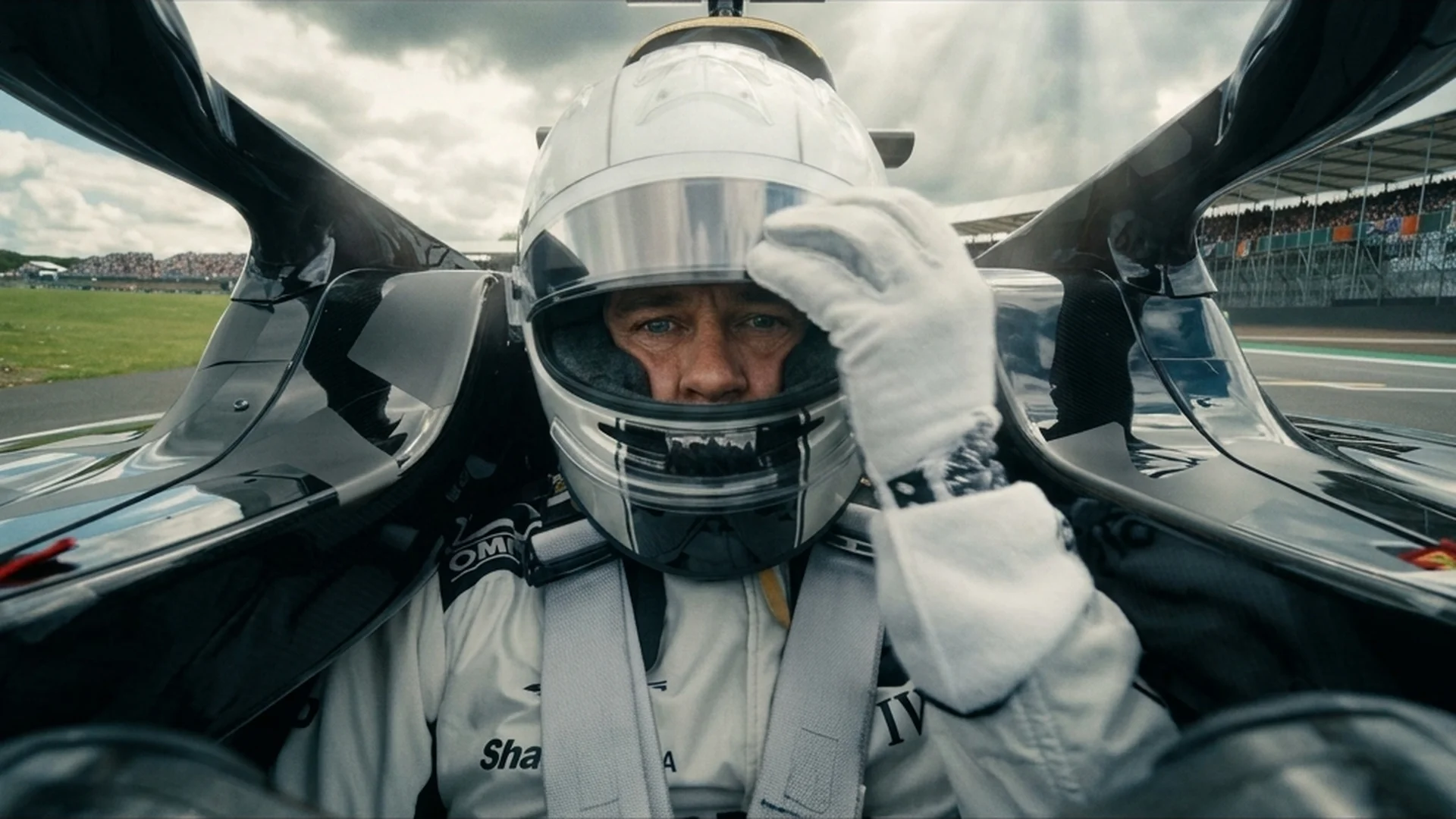
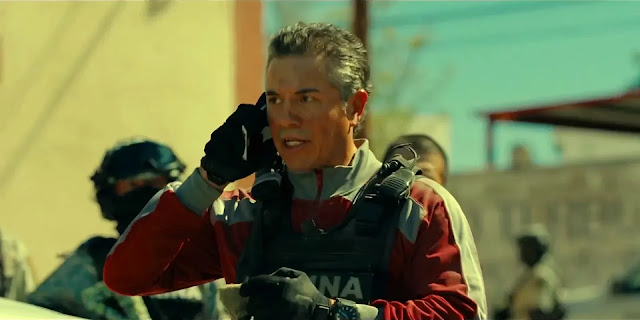
Director Chava Cartas has been unusually plain about where his movie stops being history. He told the Mexican press that only three things had to stay true: the marine attack that set the escape in motion, the chance meeting on the highway, and the wait in the motel. Everything linking them, the dialogue, the officers’ home lives, the private fear, was his to invent. That admission is the most honest thing about the film, and it points you straight at the real material. The invented parts are not El Chapo. They are the two ordinary men around him, both composites, their conversations and their families written for the screen. I think that is the smartest choice the movie makes. It turns the camera away from the famous face and onto the people who actually had to decide something. That is a familiar move for a based-on-a-true-story film, keeping a real core and rebuilding the frame around it. Arthur the King kept the dog’s rescue real and moved the people, the country, and the year; the F1 movie ran real Grand Prix weekends around an invented team.
Where El Chapo Is Now
The man himself is no longer a mystery to solve. Guzmán was extradited to the United States in 2017, convicted on every count in early 2019, and sentenced to life plus thirty years. Since July of that year he has been held at ADX Florence, the federal supermax in Colorado, confined to his cell twenty-three hours a day. His petitions for a new trial have all been rejected. The legend who once escaped two prisons now counts out his life in a single room. Which is why the movie makes the smarter call by looking elsewhere. By the time the credits roll, the outcome for El Chapo is never in doubt. We have known that answer for years. The suspense the film builds is smaller and better: whether two underpaid cops will hold the line. The kingpin’s ending was written years ago, in a courtroom and a concrete cell. The part the film had to invent, and the part that holds you, is the night two anonymous cops held the line in room 51 and said no to more money than they would ever see.