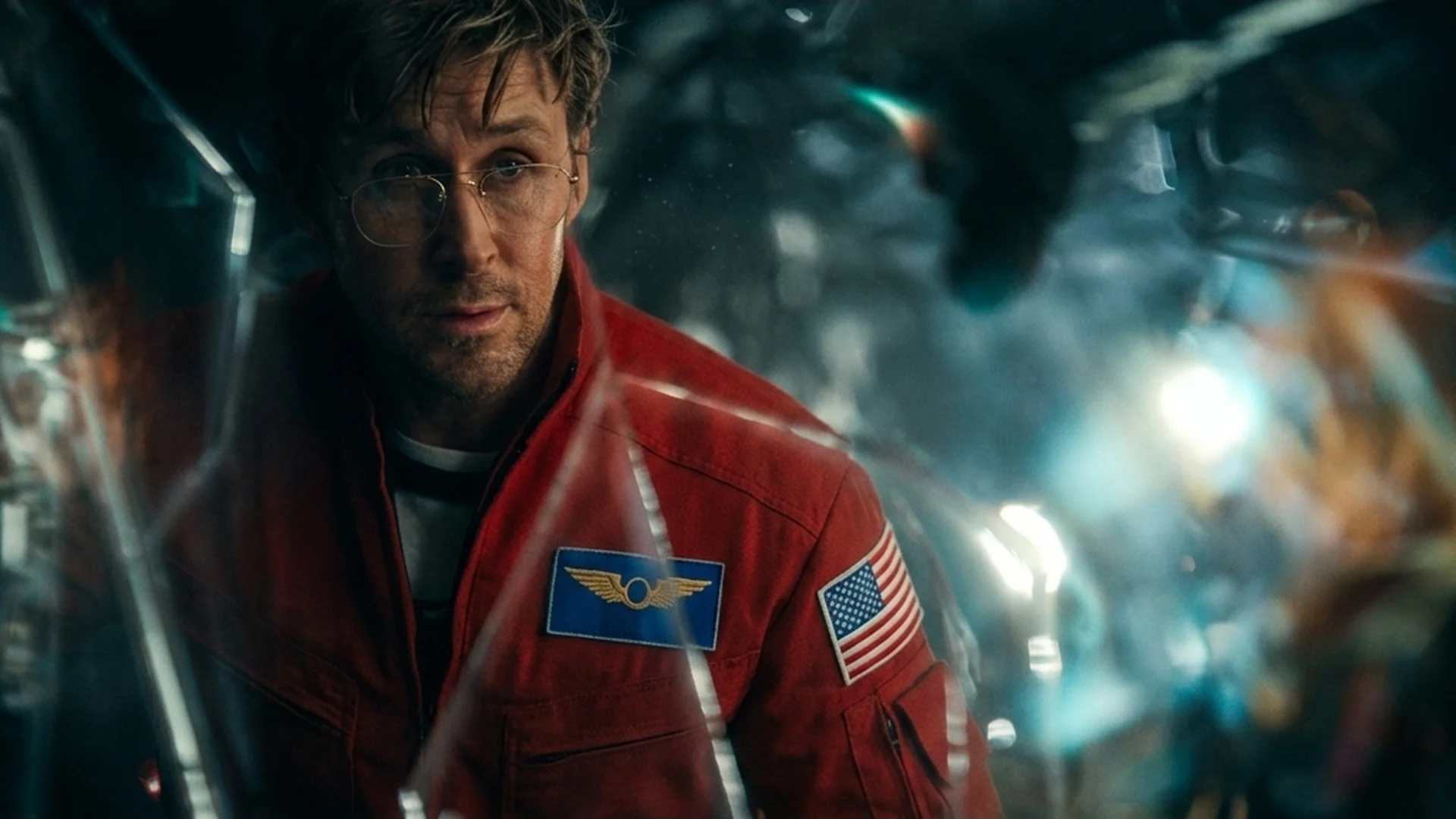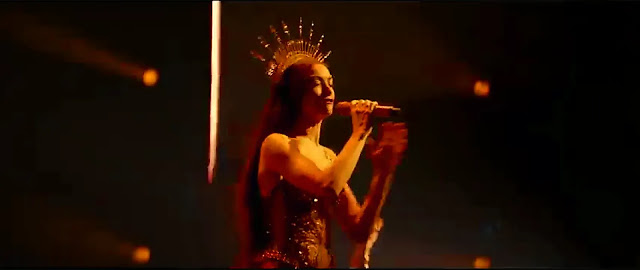
Mother Mary made about three million dollars in theaters on a twenty million dollar budget, which in studio math is a quiet disaster. Critics were not kind either. Variety called it the most pretentious pop star movie since Vox Lux, and it is not hard to see why. Lowery’s film wraps a small story about two old friends in cosmic symbolism, a red spirit, and dream logic. Some viewers found that profound. Others found it exhausting. Then it landed on HBO Max on August 21, and within two days it was the number two movie on the service. So which is it, embarrassment or hidden gem? The honest answer is both, and the good part has almost nothing to do with the thing critics fought about.
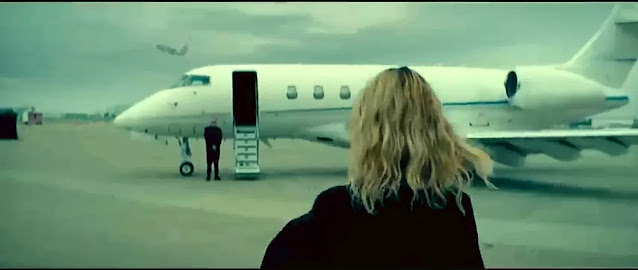
The Flop That Streaming Forgave
In a theater, Mother Mary asks a lot. It runs a hundred and twelve minutes of slow, deliberate mood, closer to an art installation than a music biopic, and anyone who bought a ticket expecting a Lady Gaga style pop drama did not get one. That mismatch is fatal at the box office and survivable at home. On a couch you can let a strange, unhurried film wash over you, pause it, come back to it later. HBO Max is where movies like this tend to find a second life, and the numbers say Mother Mary is having one: a three million dollar theatrical run turned into a top-two streaming title in forty-eight hours. The film did not change. The room you watch it in did. A24 released it in April into a crowded year of pop star movies, where a slow, difficult one had no chance of standing out. Streaming strips away that competition. At home it is just an odd film you can try for free, and enough people are trying it. It helps that word of mouth on a strange title travels faster on a streaming service than across a box office weekend, and plain curiosity about Hathaway swinging this far outside her usual lane does the rest.
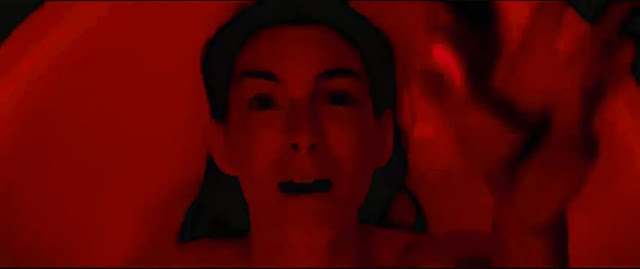
The Art Director Who Made a Pop Spectacle
To understand why Mother Mary splits people, look at who made it. David Lowery directed A Ghost Story, a film in which Casey Affleck spends most of the runtime standing under a white bedsheet. He also made The Green Knight and The Old Man and the Gun, movies that are patient, austere, and allergic to spectacle. Handing him a pop diva story is like asking a monk to stage a halftime show, and he leans into the collision instead of hiding it. The songs are real, written by Jack Antonoff, Charli XCX, and FKA twigs, the last of whom also appears on screen as a psychic medium and gives the film much of its strange gravity. Hathaway sings the numbers herself, so the film is technically a musical, just a haunted one that never lets you settle into a single song. He tends to pick strange projects and shoot them his own patient way, and you can feel him testing how much oddness a starry, expensive package can carry before it breaks. The result is an art film wearing a sequined dress, and that is either the appeal or the problem, depending on how much patience you brought. It is the same trick Materialists pulled by selling a glossy romance and handing you a cold audit of love instead. When a filmmaker this specific takes a swing this big, the misses are loud, but the ambition is real.
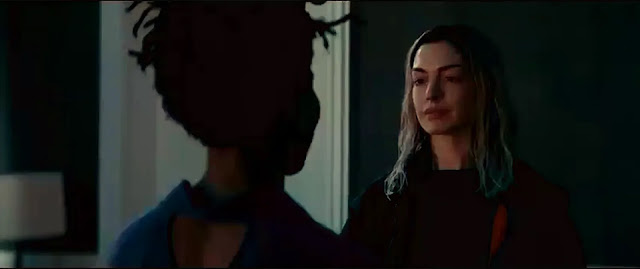
The Two-Hander Under the Spectacle
Take out the red spirit and the dream sequences and you have a two-hander about a creative partnership that ended badly. Mary is a global star; Sam, played by Emmy winner Michaela Coel, is the estranged friend and former costume designer who helped invent her look. Mary comes back asking Sam to design one last dress, and the film follows everything that broke between them on the way up. The much-debated ending stages a comeback performance that is actually a reconciliation: Sam built the legend, Mary paid the price for wearing it, and the catharsis is a plain apology rather than a twist. The red presence that keeps returning is the public image itself, the Mother Mary persona that has slowly eaten the woman inside it, and the finale is the moment those two selves fold into one. It is a big, abstract idea, and the film mostly earns it, because two very good actors are carrying it. You do not need to decode every symbol to feel that land. Hathaway and Coel do the heavy lifting, two performers circling an old wound, and their scenes together are the reason the film works at all. Critics who wrote it off as all style missed the same thing they missed with The Devil Wears Prada 2, another Anne Hathaway movie whose quiet subject got mistaken for a lack of one.