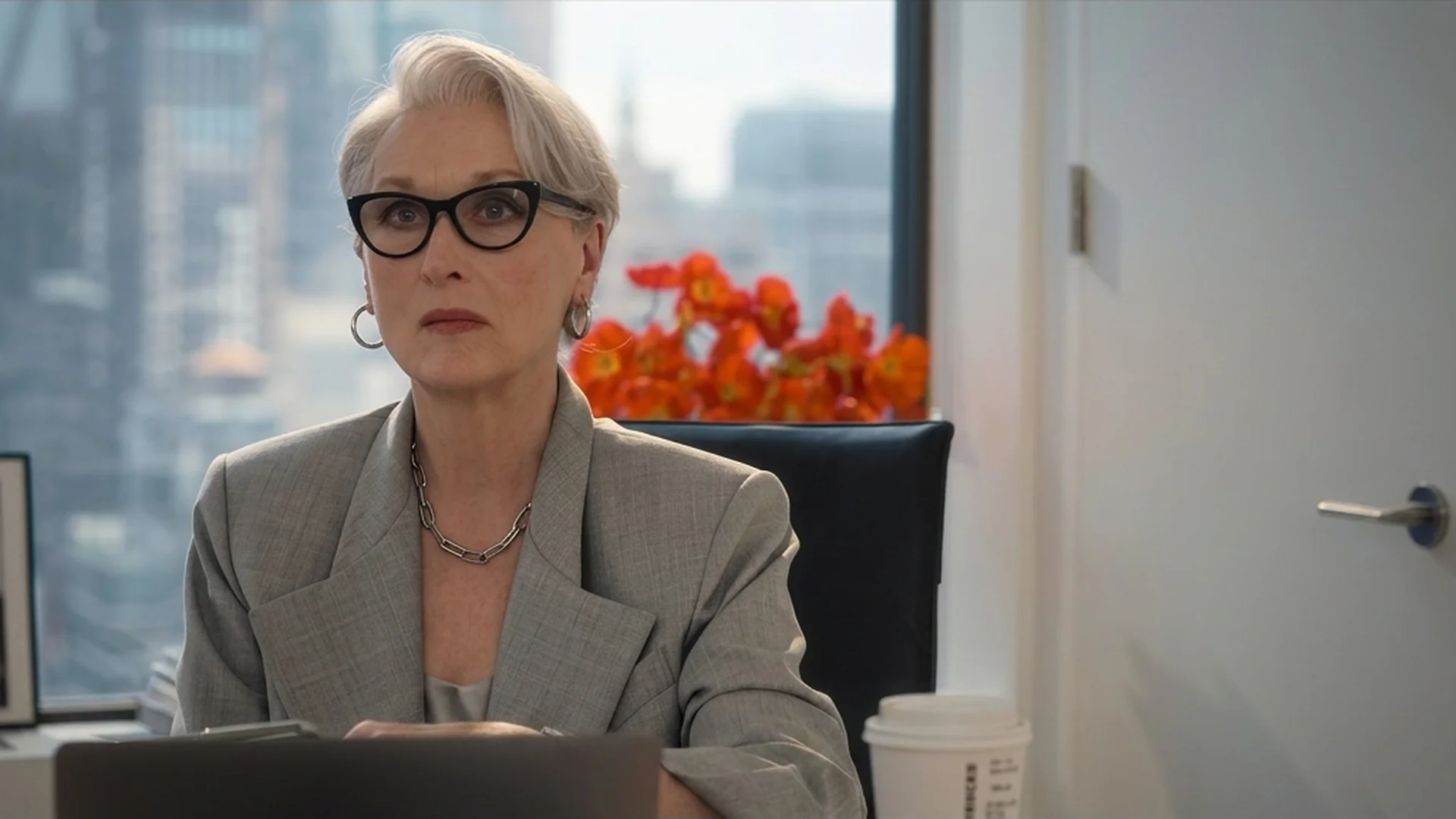
Somewhere in The Devil Wears Prada 2, Miranda Priestly picks up her own September issue, the object the entire fashion calendar once bent itself around, and remarks that it has gotten thin enough to floss with. The line is played for a laugh. It is the truest sentence in the film. Twenty years ago that issue was a brick you could prop a door open with. Now it slides out of a mailbox and into the recycling, unread.
I went in expecting the sequel nobody strictly asked for, and for long stretches that is what it is. What kept catching me off guard was how much the movie seems to understand that about itself. The reviews have called it listless, aimless, unsure of its own point. They are not wrong about the feeling in the room. I think they have the cause backwards.
The Film the First One Could Never Have Made
The original landed in 2006, at the last bright noon of glossy print. Runway was a fortress, Miranda was its unquestioned monarch, and the cruelty had a clean engine: a young woman working out how much of herself she would trade for a chair inside the tower. Every icy pause from Streep carried weight because the tower was real, and powerful, and worth being afraid of.
That is the movie this one cannot remake, because that world is gone. David Frankel is back directing and Aline Brosh McKenna is back writing, the same hands that built the first one, and you can feel them reaching for the old menace and closing on air. This is the risk every sequel takes when it reopens a world decades after it closed, and the fear that used to radiate off Miranda now radiates off a quarterly earnings report instead.
What Twenty Years Did to Runway
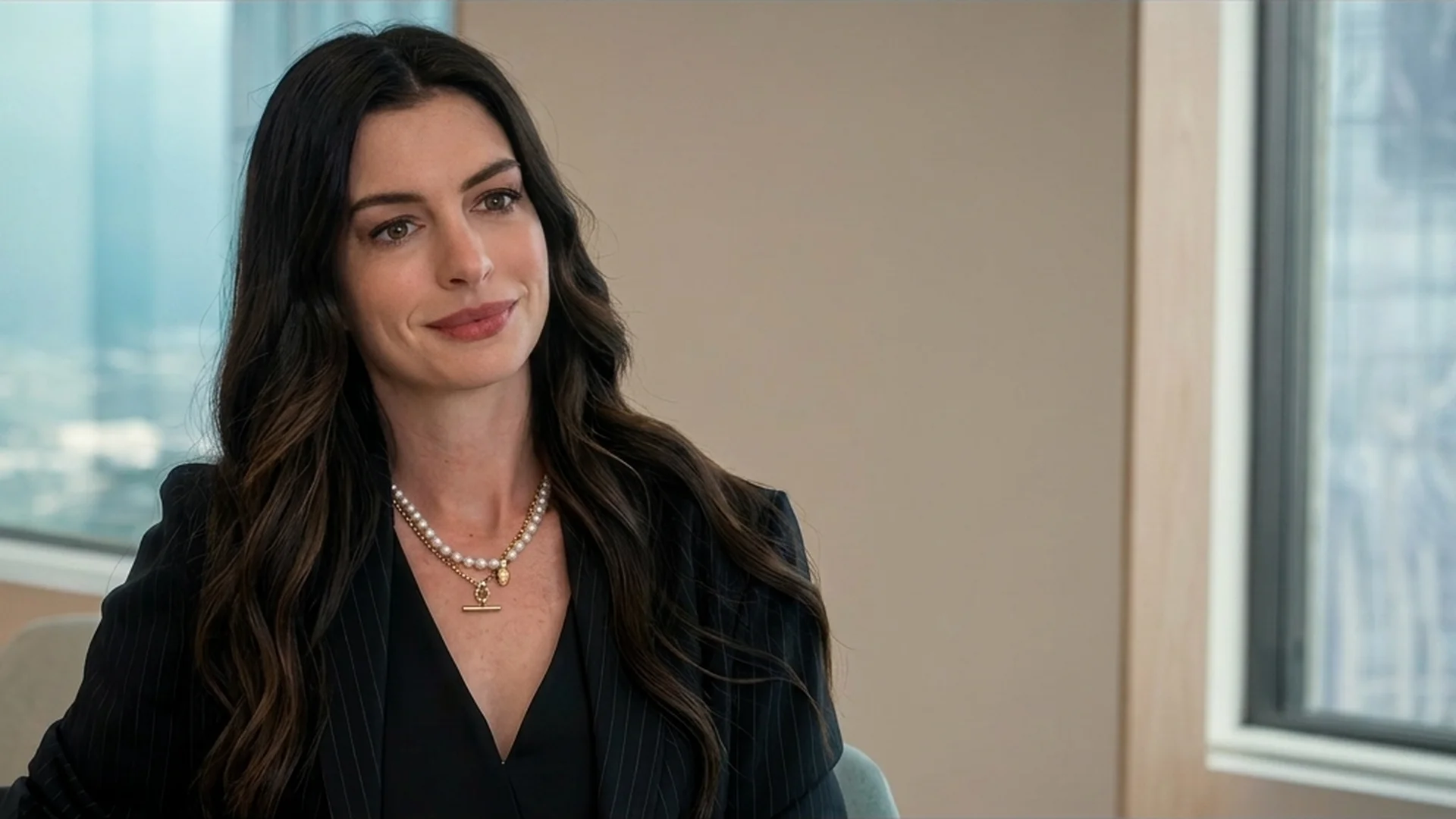
The sequel opens with a firing. Andy Sachs, now a respected New York reporter, watches her entire newsroom get let go by text message in the middle of an awards gala. Before long she is back at Runway, hired over Miranda’s head by the executives at Elias-Clarke to help scrub the magazine’s credibility after it ran a glowing feature for a label built on sweatshop labor. There is a quiet reversal buried in that setup. The assistant Miranda once ground down for sport is now the one brought in to save her, and the film is wise enough never to milk it for revenge.
The threats Miranda faces are no longer rival editors or temperamental designers. They are acquisition offers, owners hunting for costs to cut, an AI that can conjure a cover shoot with no photographer in the room, and readers who scroll past so fast that, as Nigel says, the artistry is gone before it registers. Runway still has the budget for the elaborate shoots. Almost nobody slows down enough to see them.
Miranda Without a War to Win
Here is where I split off from the reviews. The complaint is that the sequel does not know what it is about. I would argue it knows precisely what it is about, and that the knowing is what bleeds the old electricity out of it. The first film was sharp because its subject was sharp. This one concerns an empire that has misplaced its reason to exist, and a film about that kind of drift is going to carry some of the drift in its own body.
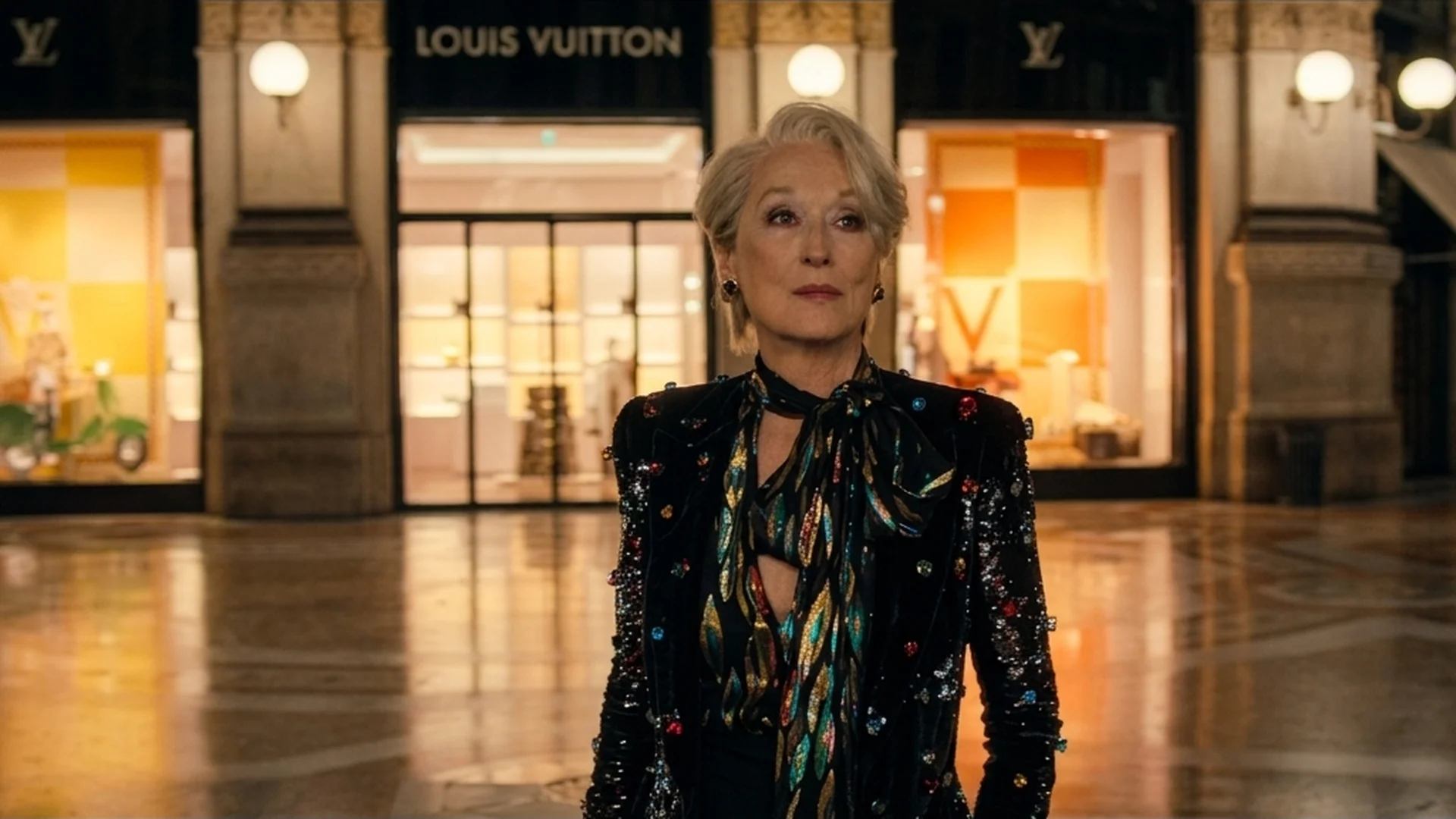
Streep plays Miranda not as a fading tyrant but as a woman who built her entire self around an institution and is now watching that institution get quietly voted out of relevance. The imperiousness still flares in flashes, blunted now by HR complaints and a room that no longer flinches. The moments that hold me are not the callbacks to the old venom. They are the quiet ones, where Miranda seems genuinely unsure what she is guarding, or why. That uncertainty is the real story here, and it is a braver one than a victory lap would have been.
Streep, Hathaway, and the Film Around Them
None of this makes the film the equal of the first, and it would be dishonest to pretend the flatness is always intentional. Some of it is simply a sequel straining to justify its own existence, padded out with a Kenneth Branagh subplot and a Lady Gaga cameo that mostly exist so the trailer has something shiny to wave. The 119 minutes do not all earn their keep.
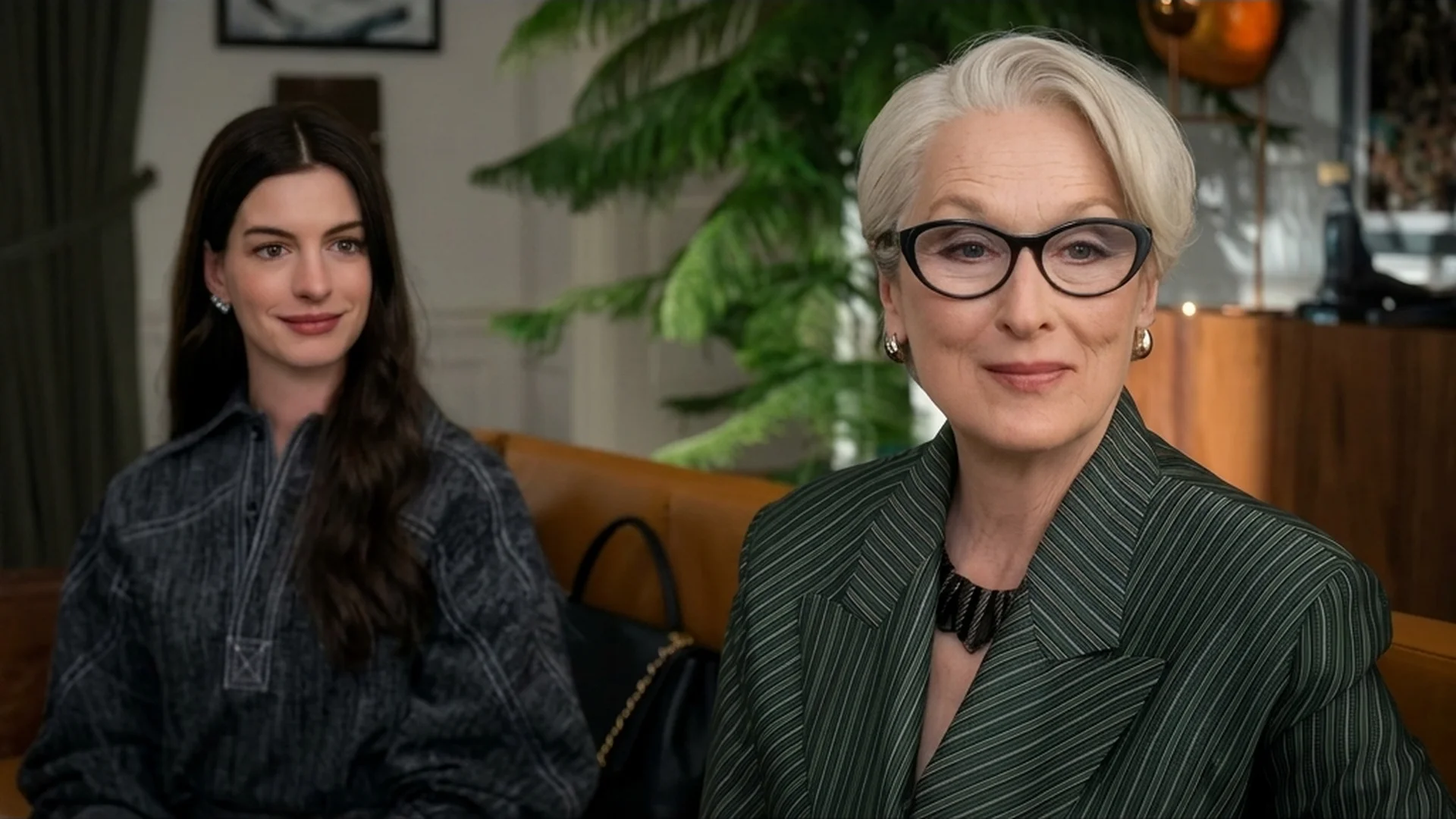
But Streep and Hathaway are a pleasure to sit with again, older, warier, easier around each other, and the film is at its smartest when it stops performing nostalgia and lets its two leads look tired the way successful people get tired. It grossed $688 million and pushed the franchise past a billion dollars, so audiences plainly wanted the reunion. The critics sit at 77 percent and the audience grade at A minus, which feels about right for a good, uneven movie that is better than its harshest reviews and gentler than its fans hoped. It is the second beloved property this year handed back to us to mixed reviews, and like that one it rewards a forgiving eye. When it reaches Disney+ and Hulu on July 29, it is worth the watch, as long as you arrive expecting an elegy rather than a war.