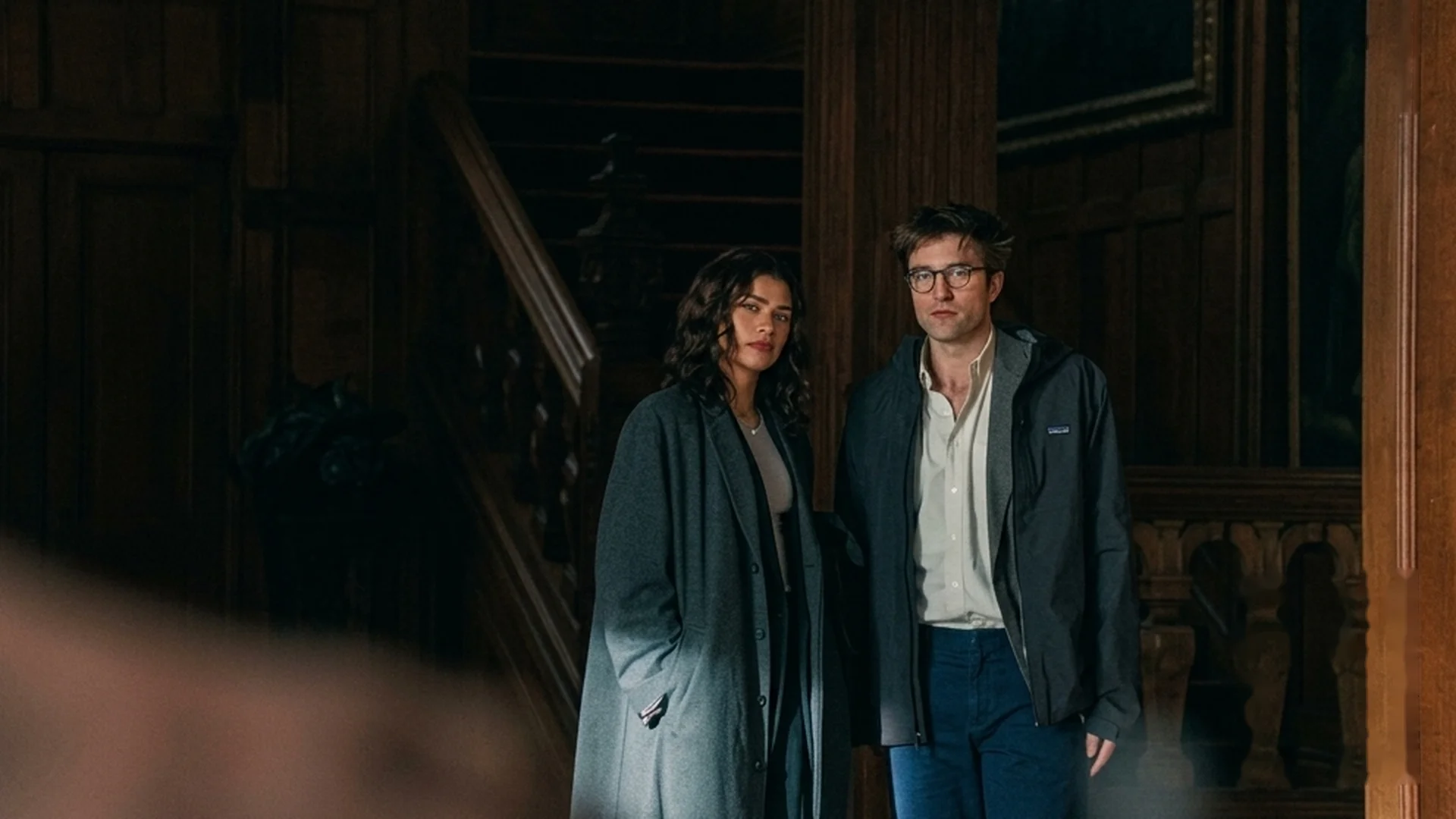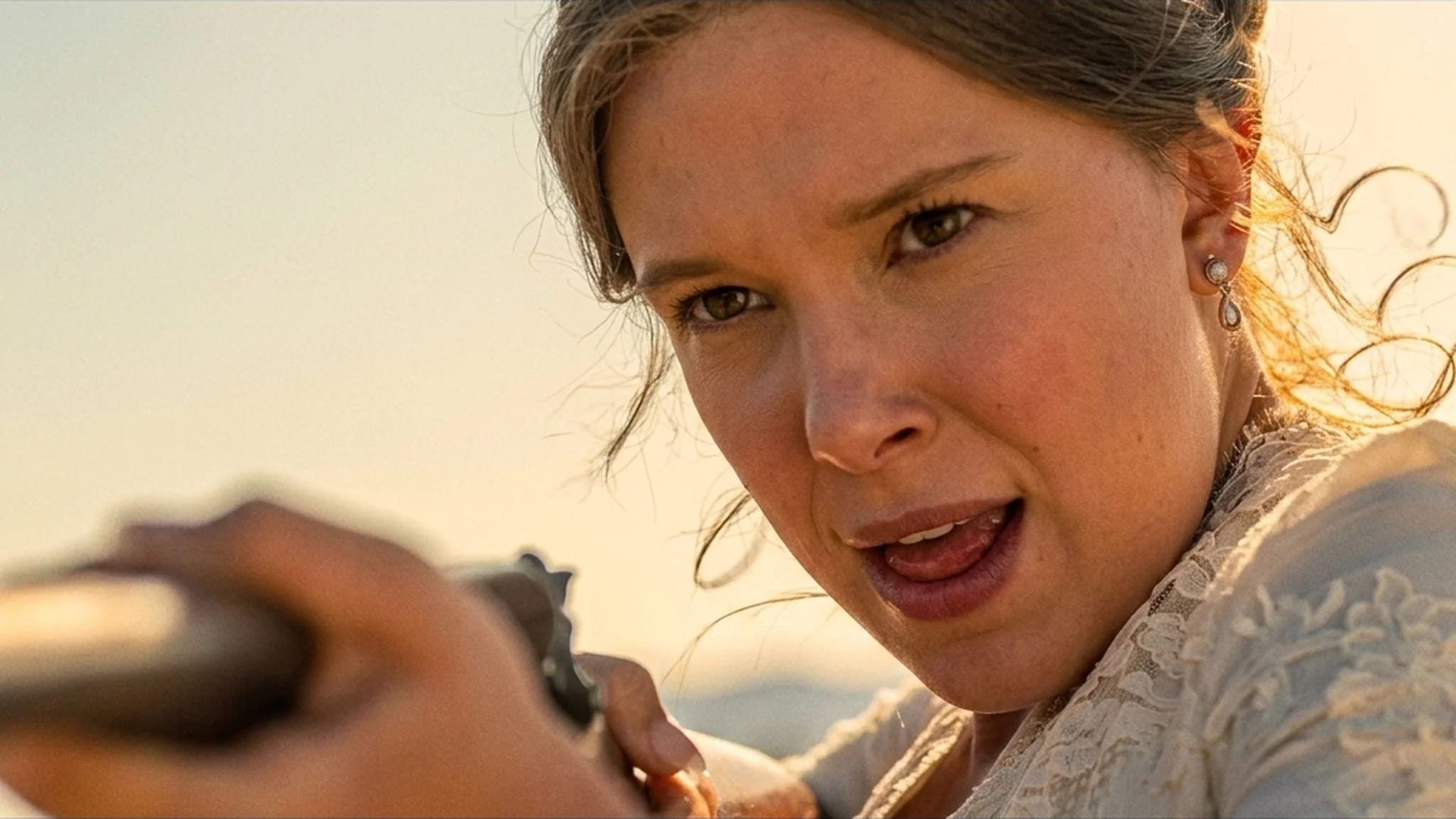
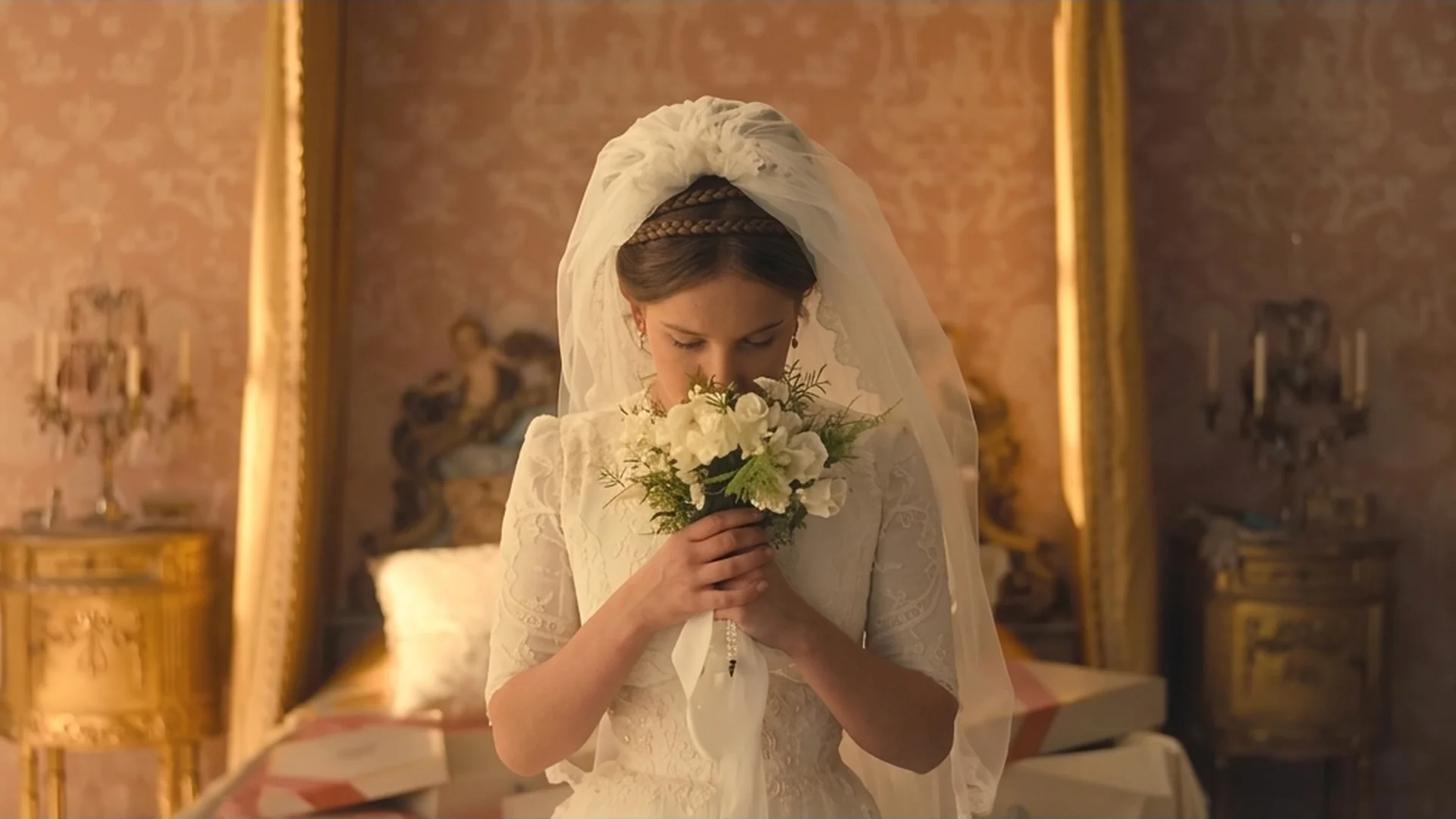
There is a shot in the Enola Holmes 3 trailer of Millie Bobby Brown in a wedding dress, running. Not toward the altar. Away from it, toward a case. Three films in, that is still the only direction Enola knows how to run.
A Wedding in Malta, Then a Kidnapping
The setup reads almost like a joke the series is telling about its own heroine. Enola has come to Malta to marry Lord Tewkesbury, and the film gives her cold feet that have nothing to do with whether she loves him. They have to do with arithmetic. Under Victorian law, a wife more or less vanishes into her husband’s name and property, and Enola has spent two films learning how to keep her own name. Then, mid-ceremony, Sherlock is taken. She does the thing she always does when the world hands her a choice between settling down and chasing something. She chases.
The Director You Can Feel
Here is the fact that reframes every complaint about this movie. The first two Enola Holmes films were directed by Harry Bradbeer, who brought over the sly, fourth-wall-breaking, candy-lit charge he had built on Fleabag. The third was handed to Philip Barantini, the filmmaker behind Boiling Point and Adolescence, both shot to feel like one unbroken, sweat-close take. Barantini is one of the best directors alive at making you feel locked inside a real room as time runs out. That is close to the opposite of what a cozy Sunday-afternoon mystery is asking for.
What makes it stranger is that Jack Thorne, who wrote all three films, stayed. Thorne and Barantini had just built Adolescence together, the rawest thing Netflix put out all year. Reuniting that pair on a YA lark sounds like a coup on paper. On screen it plays like two people speaking slightly different languages. The sparkle that made the first films move has been directed with a steadier, grayer hand, and Malta, which should look like a holiday, ends up looking like a location.
The Mystery Is Not the Point, and the Film Half Knows It
The case itself is the weakest thing here, and the reviews are right about that. The kidnapping opens onto a party of shady wedding guests, a few of whom start going missing or turning up dead, and if you read the opening scene closely or just glance at the cast list, the culprit is not hard to see coming. There is a genuinely interesting thread in it: a local Maltese man with a real, earned grievance against the British treating his island as their playground. That thread is the most alive idea in the film, and it gets pushed to the edges to make room for familiar faces. The movie keeps reaching for the thing that would make it matter and then setting it back down.
But watch what the film returns to whenever the plot sags. It is not the whodunit. It is Enola, at the edge of a life that would fold her into someone else, deciding again that she would rather be the detective than the wife. Three films in, critics have started calling that repetition, and they are not wrong that it is the same lesson each time. What the wedding frame does is make the lesson literal for once. The two people who could erase her, the brother whose name she shares and the husband whose name she would take, are pulled into a single plot that yanks her out of the ceremony. Long after you have stopped caring who took Sherlock, the film is still quietly asking whether Enola is allowed to arrive anywhere at all.
A Steadier Pleasure
Whenever the film relaxes, it is usually because Henry Cavill has walked into the frame. His Sherlock has quietly become the best thing in the series: a big, careful man who keeps discovering that his little sister is the sharper detective and has decided he can live with it. The plot’s own irony is that it kidnaps him early, so the one relationship these movies have always gotten right, the two Holmes siblings reading a room and then reading each other, spends most of the runtime pulled apart. When they finally share the screen again, you feel how much the rest of the film had been missing it.

Why People Keep Showing Up Anyway
None of this stopped Enola Holmes 3 from landing at the top of Netflix the day it arrived, and the gap between that and the reviews is the most honest thing about the movie. Brown, who also produces the series now, still knows exactly where the camera is; she turns to it, raises an eyebrow, and lets you in on the joke. That small act of trust is the reason people come back for a third. The reviews and the numbers are measuring different things. It is the same split that pushed another middling-reviewed streaming title to number one earlier this year. Critics grade the filmmaking, audiences grade the company, and a bright, self-aware detective who treats the viewer as her confidant is very good company.
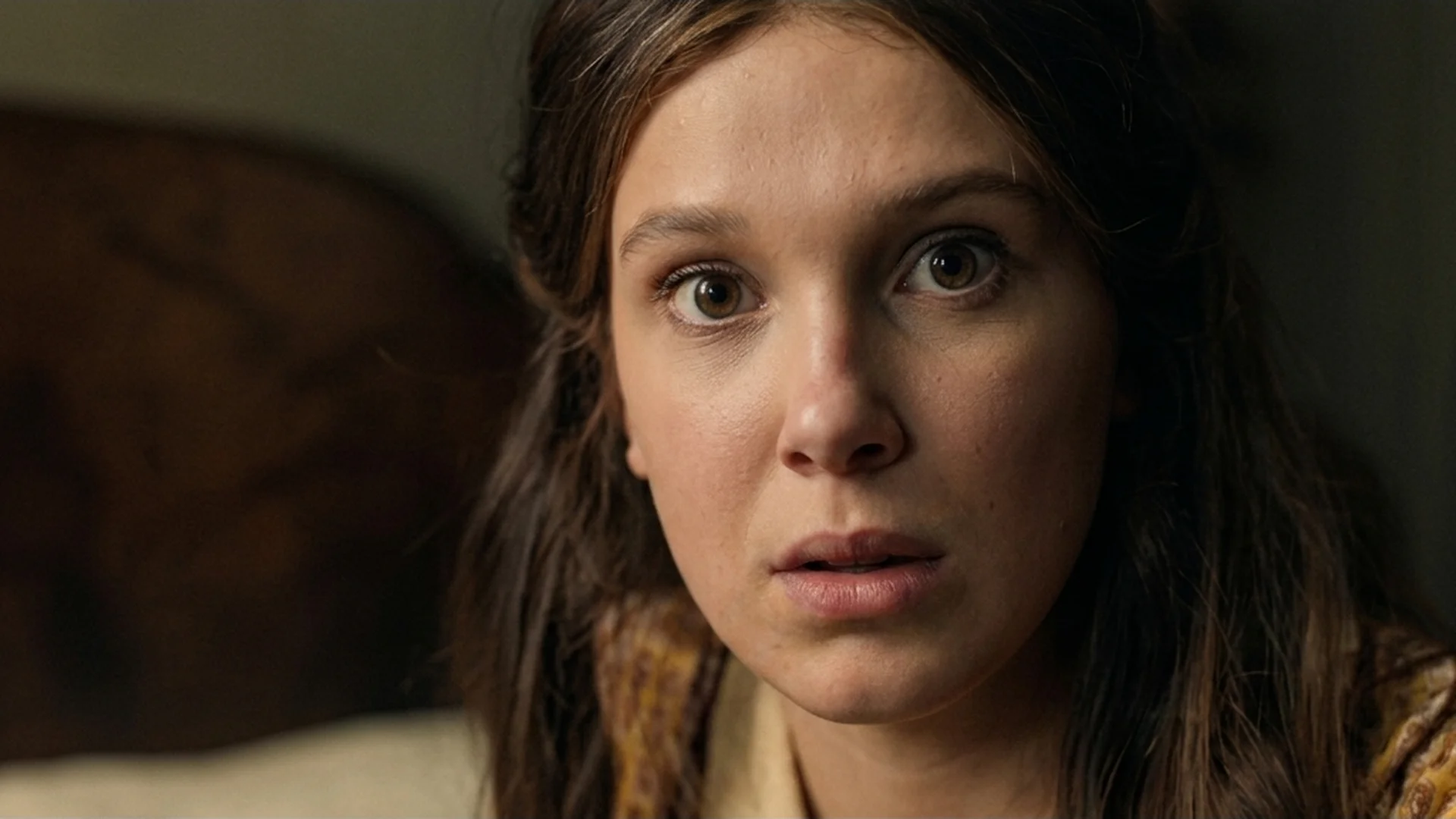
So the mismatch is real, and the threequel is the weakest of the three. But the reason to watch was never the case. It was the girl who keeps refusing to disappear, and who still looks straight at you while she does it.