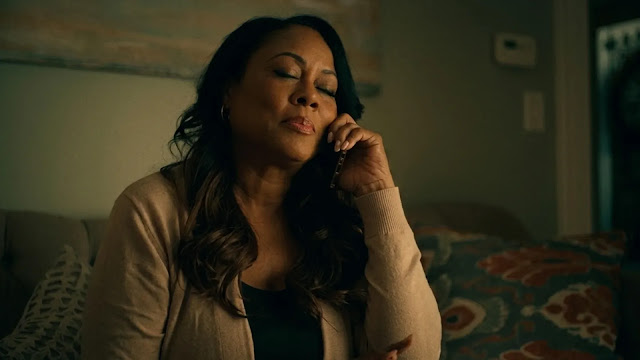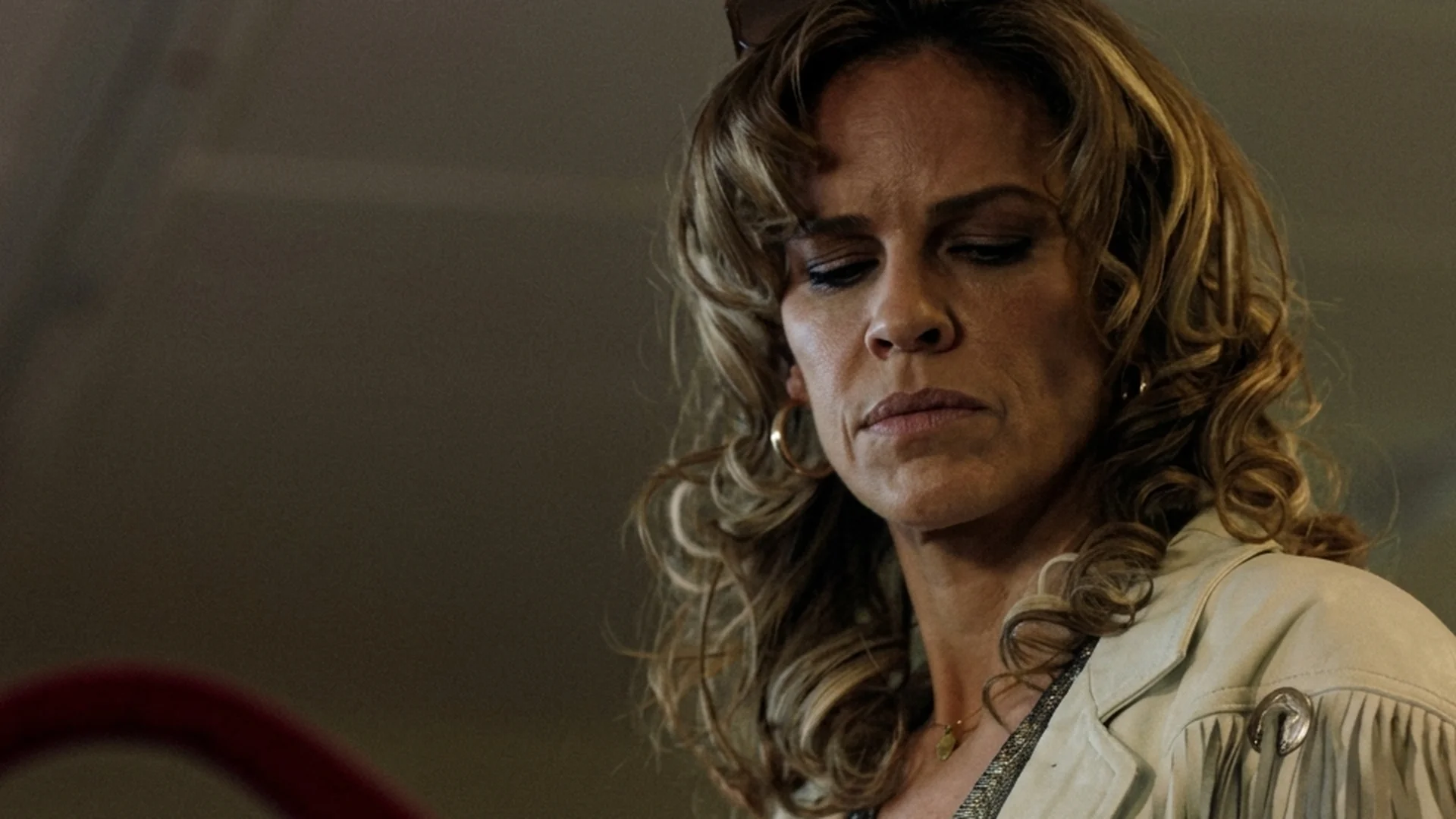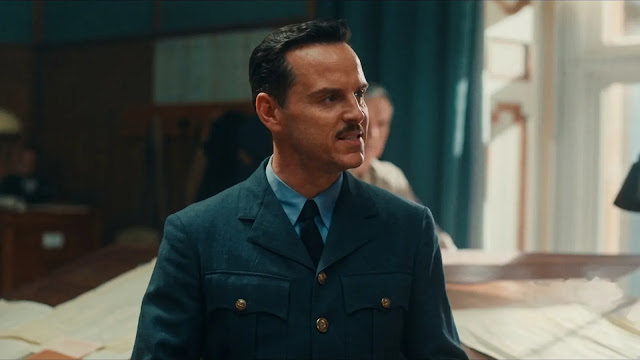
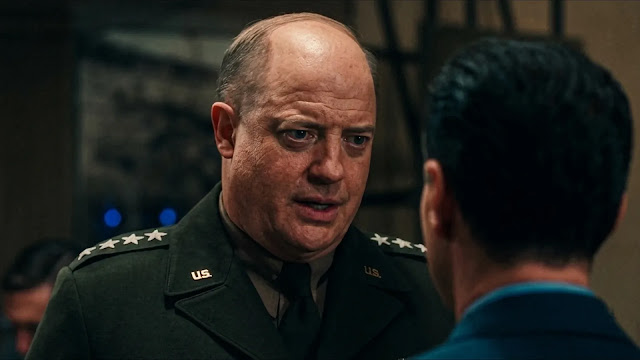
Yes, Pressure is a true story, and the real part is exactly as it sounds: the date of D-Day came down to a weather forecast. In June 1944, the Allied invasion of Normandy was set for June 5, and a Scottish meteorologist named James Stagg (Andrew Scott) warned that a storm would turn that day into a disaster. When a narrow break in the weather opened for June 6, General Dwight Eisenhower (Brendan Fraser) took Stagg’s call and moved the largest seaborne invasion in history by a single day. The film, directed by Anthony Maras, dramatizes the tense 72 hours around that decision.
Pressure began as a 2014 stage play by David Haig, who co-wrote the screenplay, and it keeps the play’s tight, room-bound shape. Haig first staged it in 2014, where it earned its reputation as a tense two-hander, and this film holds onto that chamber-piece feel even as it opens the story up. Most of the film happens inside the forecasting rooms at Southwick House, where two meteorologists read the same sky and reach opposite conclusions. Stagg, cautious and exact, sees an Atlantic storm coming. Colonel Irving Krick, the American forecaster, predicts calm and clear skies. Eisenhower has to bet an army on one of them. The casting runs against type in a useful way: Brendan Fraser, fresh off his Oscar for The Whale, plays Eisenhower, and Andrew Scott, coming off Ripley, plays the buttoned-down Stagg. Kerry Condon, Chris Messina, and Damian Lewis fill out the room. The film opened in theaters on May 29 and reached Peacock on July 24, carrying a 95 percent critics score. It works the same lane as the F1 movie, taking a real event and finding the human choice that drove it.
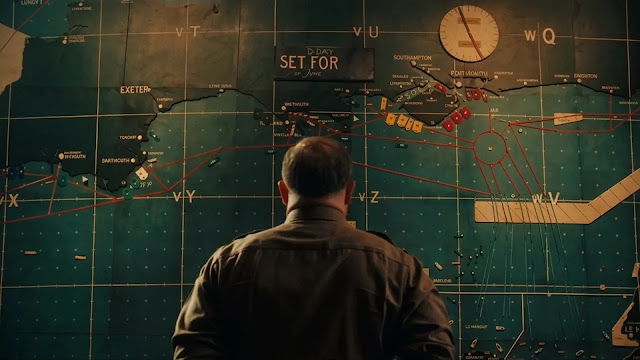
What Really Happened: Stagg, Krick, and the 24-Hour Window
Stagg was a geophysicist, appointed chief meteorologist for the Allied forces in late 1943, and Eisenhower once described him as a dour but canny Scot. His method was conservative. He refused to forecast more than 24 hours out with much confidence, and he pooled the readings of three separate teams, the British Met Office, the Royal Navy, and the American forecasters, before he committed to anything. Krick worked the other way, matching current patterns against historical maps and staying optimistic even as the sky turned. On June 3 and 4, Stagg saw high winds, thick cloud, and fog moving in, the exact conditions that would have wrecked a landing. Then the data shifted. Early on June 5, a short lull appeared for the following day. The invasion had already been pushed back once from June 5, with men and ships loaded and waiting on the coast. At 4:15 that morning, on the strength of Stagg’s read, Eisenhower gave the order, and the landings went ahead on June 6. Stagg had found the gap that almost no one else trusted.
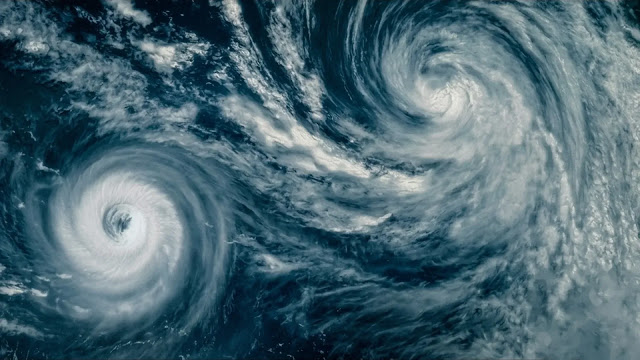
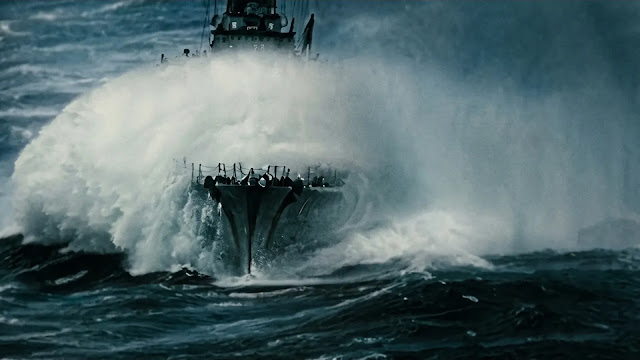
The timing was the whole game. German forecasters, reading the same bad weather, told their commanders that no invasion was possible before the middle of the month, so the coast was less ready than it should have been. The landing also needed a rare fit of conditions, a late-rising moon for the airborne drops and a low tide at dawn to expose the beach obstacles, and only a few days each month qualified. Miss early June, and the next real window fell around June 19. When that date arrived, one of the worst Channel storms in decades tore through, and it would have caught the fleet at sea. Stagg’s forecast caught the only opening that existed. The strange footnote is Krick, who called it wrong and then spent the rest of his life taking credit for the invasion’s weather, still claiming it when he died in 1996. The man who got it right stayed the quiet Scot in the corner.
What the Film Invents
Because the truth is mostly men arguing in a room, the film reshapes it for drama. It compresses Stagg’s months on the job into a taut 72 hours. The script also heightens the friction between Stagg and Eisenhower, who in reality kept the exchange professional rather than heated. And it builds a warm friendship between Stagg and Kay Summersby, Eisenhower’s driver and secretary, played by Kerry Condon, even though the historical record barely supports the idea that the two were close. None of these choices rewrite the outcome. They give a forecasting standoff the shape of a thriller, which is the same trade Freefall made when it turned a corporate safety failure into a story you could feel in your chest.
Pressure works because the real story never needed inflating. A single forecast, argued over in a cramped English house, set the day that turned the war. The movie’s job is only to put you in that room while a careful man stakes everything on 24 hours of sky, and to leave you with the part history tends to forget: the loudest forecaster was not the one who got it right.