This week, two very different movies named Avatar landed on streaming, and the overlap is almost funny. One is the live-action remake of the cartoon, now into its second season. The other is the one that made close to a billion and a half dollars at the box office. Avatar: Fire and Ash, the third film in James Cameron’s Pandora saga, arrives on Disney+ on June 24, roughly six months after it opened in theaters. If you let it pass you by on the big screen, this is the moment to see what all that spectacle actually adds up to.
For three films now, the Avatar movies have run on one simple engine: the humans are the invaders, the Na’vi are the soul of the planet, and the visuals do the rest. Fire and Ash is the first time Cameron complicates his own fairy tale. He gives the Na’vi a villain. And he hands the whole glittering machine something it has never really carried before, which is grief.
What Avatar: Fire and Ash Is About
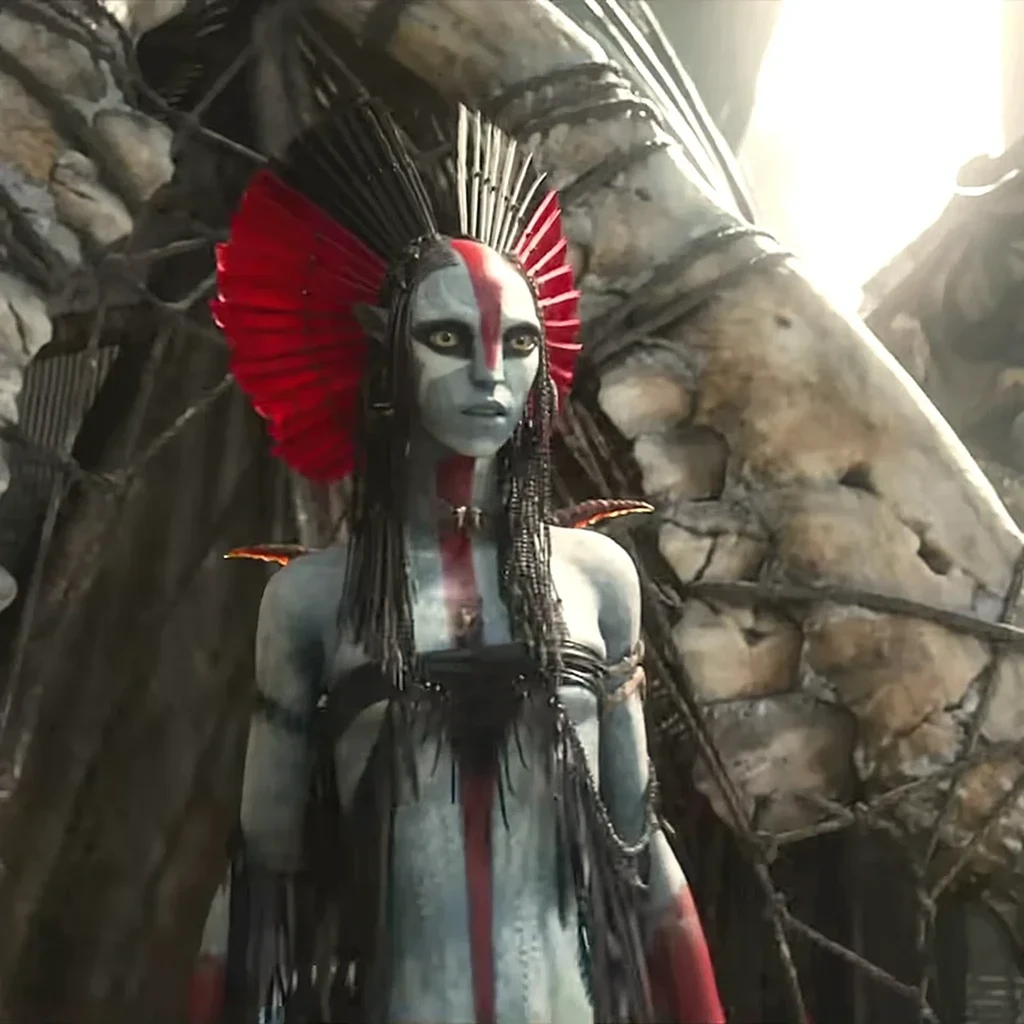
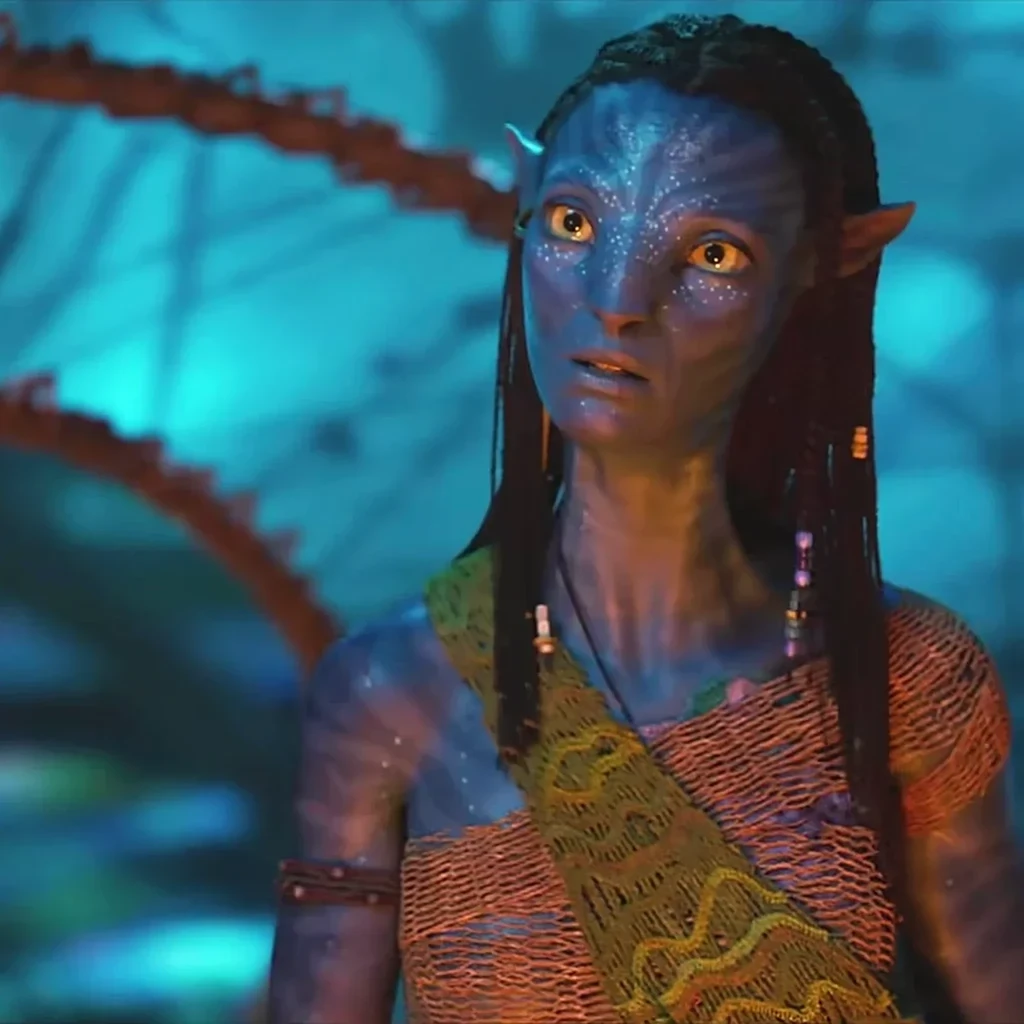
The Sully family is in mourning. Neteyam, the oldest son of Jake and Neytiri, was killed at the end of The Way of Water, and Fire and Ash opens on a household still folding itself around that empty space. They have only just begun to build a life among the reef people, the Metkayina, when a far harsher branch of Na’vi reveals itself. These are the Ash People, a tribe that worships fire and has clawed out survival on a burned, volcanic corner of Pandora. They have no use for the balance and harmony the series has always held sacred. Their leader is named Varang, and she is the reason this installment matters more than its plot ever lets on.

The Ash People Break Cameron’s Own Rule
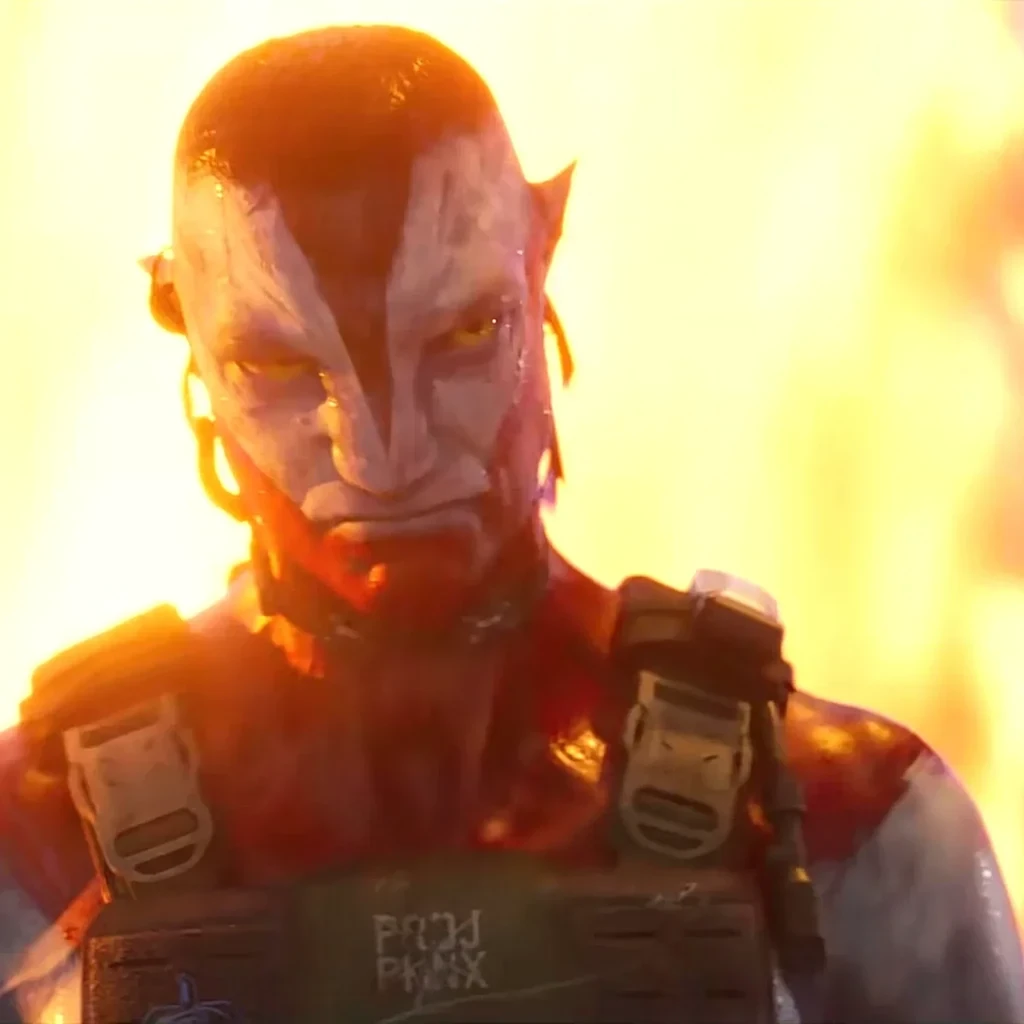
For sixteen years the moral arithmetic of these films has been settled before the lights go down. Humans take, Na’vi protect, and the audience always knows exactly whose side the planet is on. The Ash People dismantle that. They are Na’vi who are cruel, Na’vi who burn and conquer, and Cameron has said plainly that he built them to break the old spell of all Na’vi being good and all humans being bad. Varang, played by Oona Chaplin, is the sharp edge of that idea. Cameron describes her as a leader hardened by a history of suffering, someone who will do anything for her people, including things the rest of us would call monstrous. The character was shaped in part after the Baining people of Papua New Guinea, and Chaplin plays her with a cold conviction that most reviews singled out as the best thing in the film. After three movies of noble blue heroes, a Na’vi you are genuinely afraid of feels like fresh air.
Grief Is What Holds the Spectacle Down
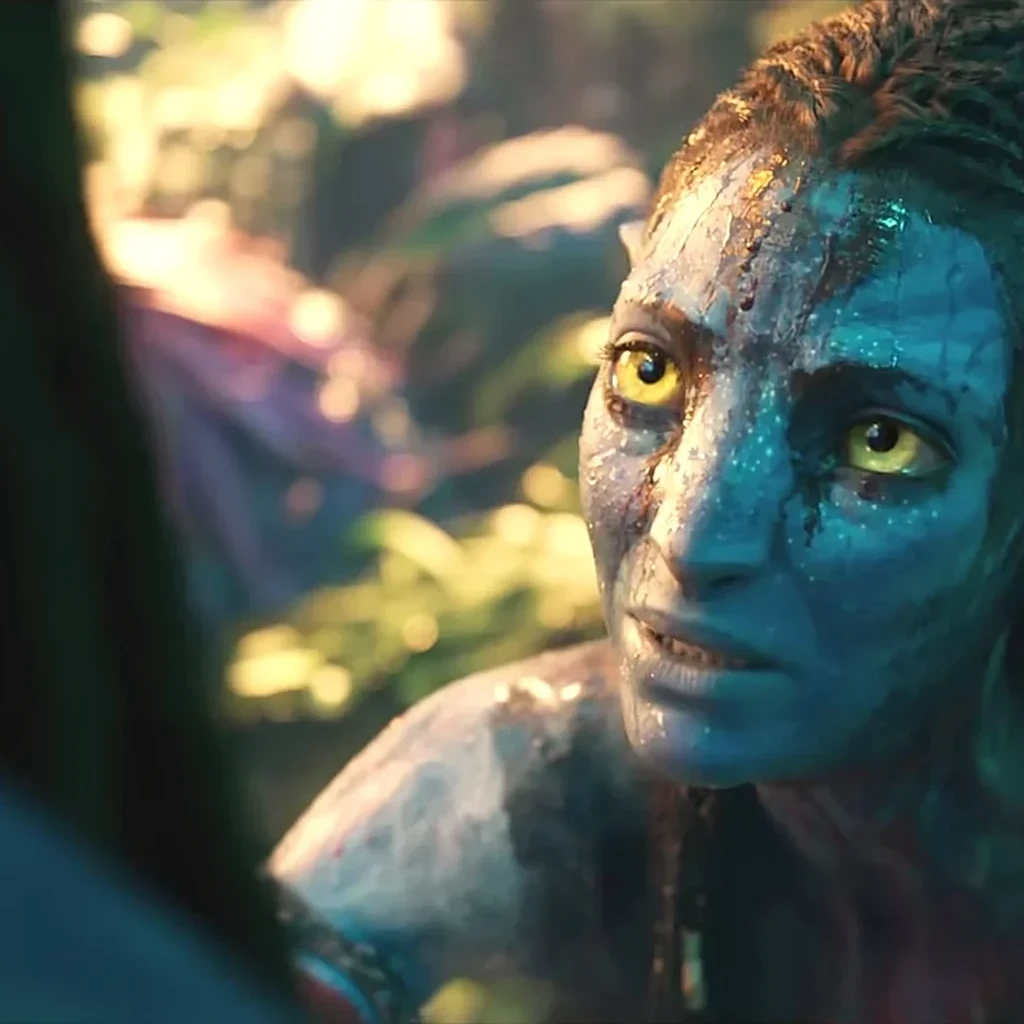
The other shift is quieter, and it might be the more important one. When a movie is this enormous, the danger is that the images simply float, gorgeous and weightless, with nothing underneath them. Neteyam’s death is what keeps Fire and Ash from drifting off into pure sensation. The family carries his absence into every reckless decision, and Neytiri in particular moves through the film like someone who has not been allowed to finish grieving. The strongest passages here are not the battles. They are the small, still moments where the Sullys sit inside their loss while the planet keeps glowing around them, as if it has not noticed. That contrast, beauty laid over sorrow, is the closest this saga has come to genuine feeling.
Yes, It Is Long, and Yes, You Have Seen Some of This Before
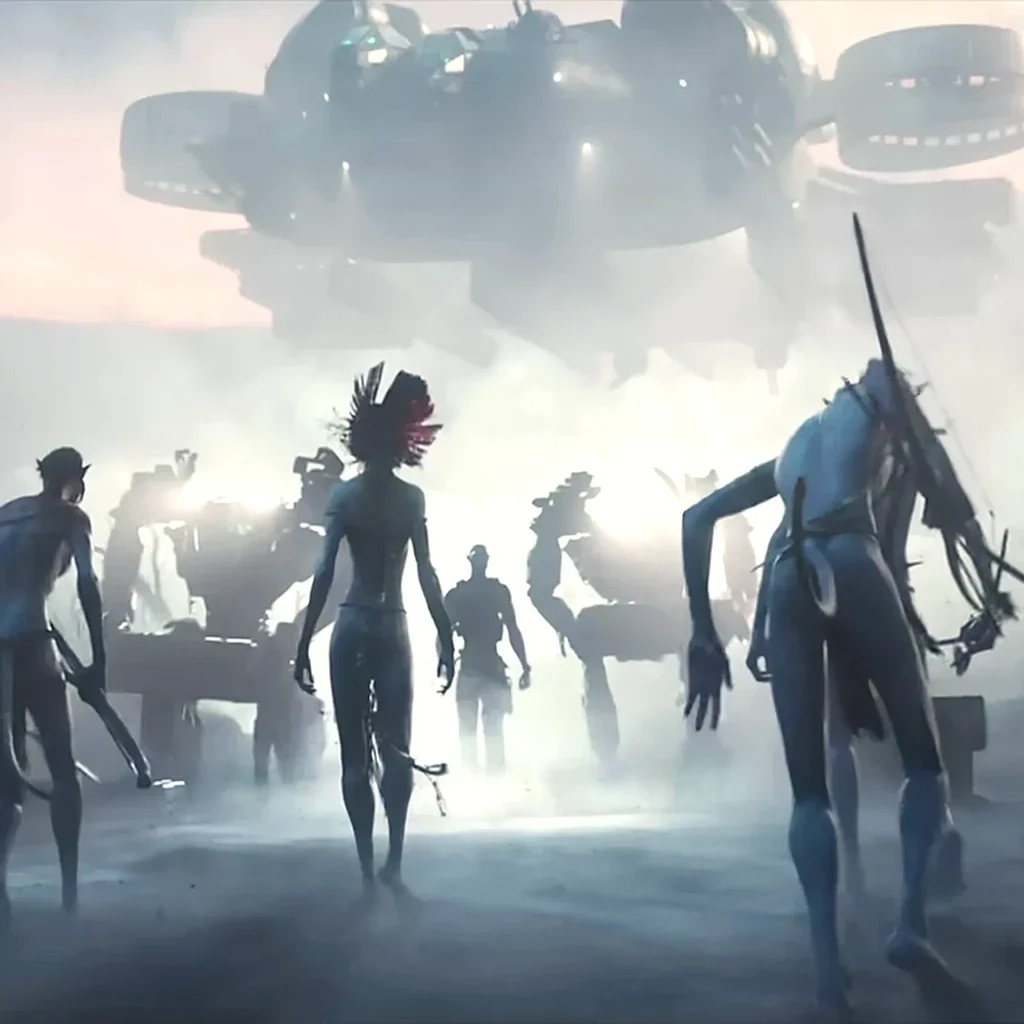
Honesty time. At three hours and seventeen minutes, this is the longest Avatar yet, and you feel every one of those minutes in the middle stretch. The reviews landed mixed to warm, somewhere around two thirds positive, and the most common complaint is hard to argue with: large parts of Fire and Ash repeat the rhythms of the two films before it. A threat arrives, the family is scattered, a child is put in danger, a huge battle settles it. The movie earned close to a billion and a half dollars worldwide, enough to finish among the biggest titles of its year, and it is still the lowest grossing chapter of the trilogy, as if even the faithful are beginning to feel the pattern. If you are waiting for the saga to reinvent itself, this is not the entry that does it.
Why It Still Belongs on the Biggest Screen You Own
And yet I would not skip it. Whatever Fire and Ash repeats, it remains a kind of spectacle almost no one else on Earth can build, a world rendered with a patience and a density that still plays like a magic trick. Watching it shrink down to a laptop would be a small tragedy, so give it your largest screen, turn the lights all the way down, and let Pandora take up the whole wall. There is something fitting, too, about a film this enormous arriving in living rooms at all, the same path that recently carried a Best Picture winner straight from theaters to people’s couches. The story may be standing still. The world it happens in has never felt more alive. For most of us, that was always the real reason to go back to Pandora, and it is reason enough to press play.