
Ultron is a peculiar choice of confidant. In VisionQuest on Disney+, Vision keeps a backup of the villain inside his mind and consults him while trying to understand himself. Paul Bettany’s explanation, in his Den of Geek interview, is unusually simple: Vision finds Ultron interesting, particularly his chaotic impulses. That curiosity makes sense for someone whose own memories feel unfamiliar. It also gives a dangerous influence an audience.
The backup explains how Ultron can return after Avengers: Age of Ultron. The conversations raise a more uncomfortable question: how much authority should Vision give someone who helped make him? The creators’ interviews suggest a relationship worth approaching with that distinction in mind. Knowing where Vision came from does not automatically make Ultron qualified to tell him who to become.
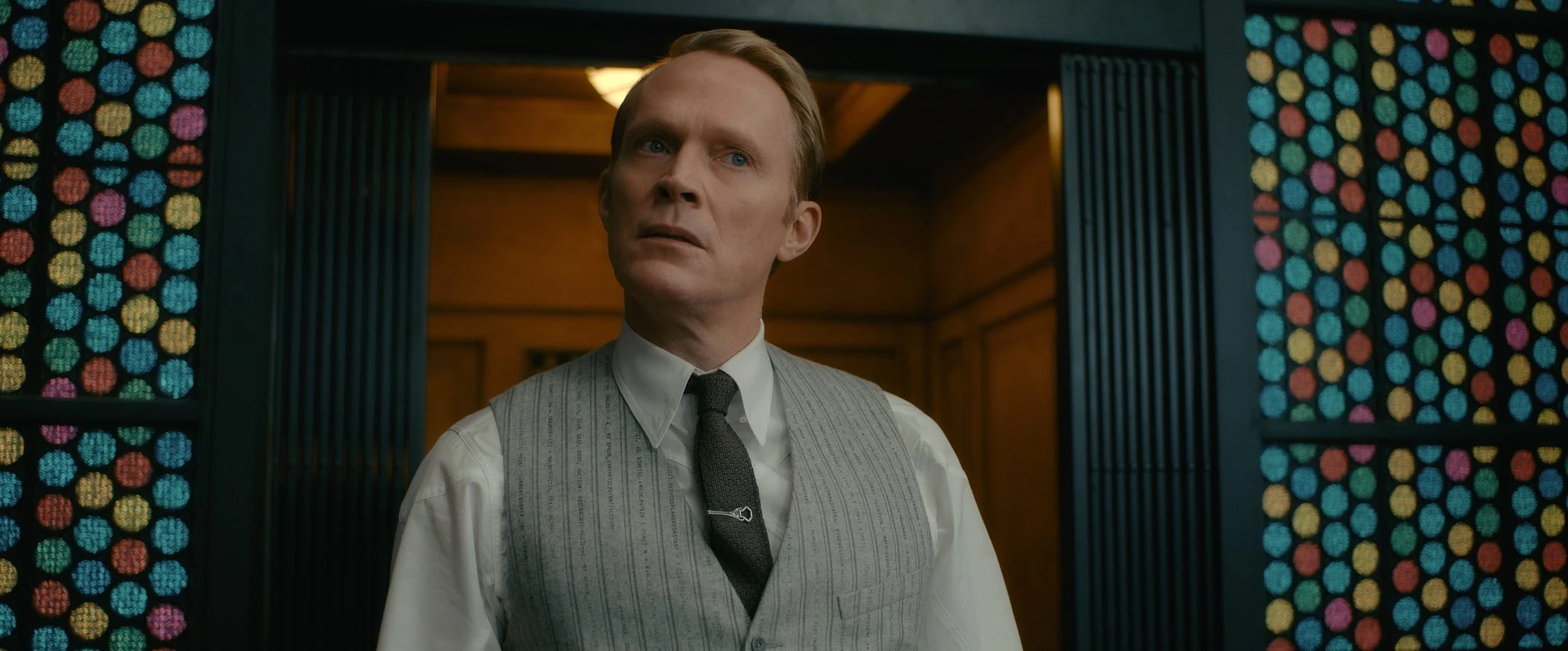
Vision Has Memories He Cannot Feel
The Vision at the center of this series carries memories he cannot emotionally connect with. Bettany described that separation during Rotten Tomatoes’ set visit. It is a useful distinction: remembering a relationship and feeling attached to it are different problems. A file can supply the facts of a life without supplying a reason to resume it.
That makes reassurance a limited kind of help. Telling Vision that he used to love someone cannot settle what he feels now. Ultron offers an abrasive alternative to reassurance. Den of Geek describes their early disagreement as an argument over Vision’s withdrawal from the world. Their argument gives Vision something to respond to when recollection alone leaves him uncertain.
There is a risk in making that argument too generous to Ultron. An objection can be useful even when the person raising it has terrible judgment elsewhere. Vision can consider the criticism without accepting the critic as his guide.

A More Sophisticated Ultron Is Still Dangerous
James Spader gives a useful warning in his TechRadar interview: this Ultron is more mature and sharper, while the danger remains. Disney’s official account also describes an Ultron who has absorbed human art and culture during his confinement. Those interests help explain why a conversation with him might be absorbing. They offer little assurance about what he would do with freedom.
A more persuasive Ultron could be harder for Vision to evaluate. Outright contempt is easy to recognize. Ultron’s objection to Vision shutting himself away is harder to dismiss: Vision can reject his past actions and still have to answer that criticism. Giving Ultron’s arguments serious attention could gradually give him more influence over how Vision understands himself.
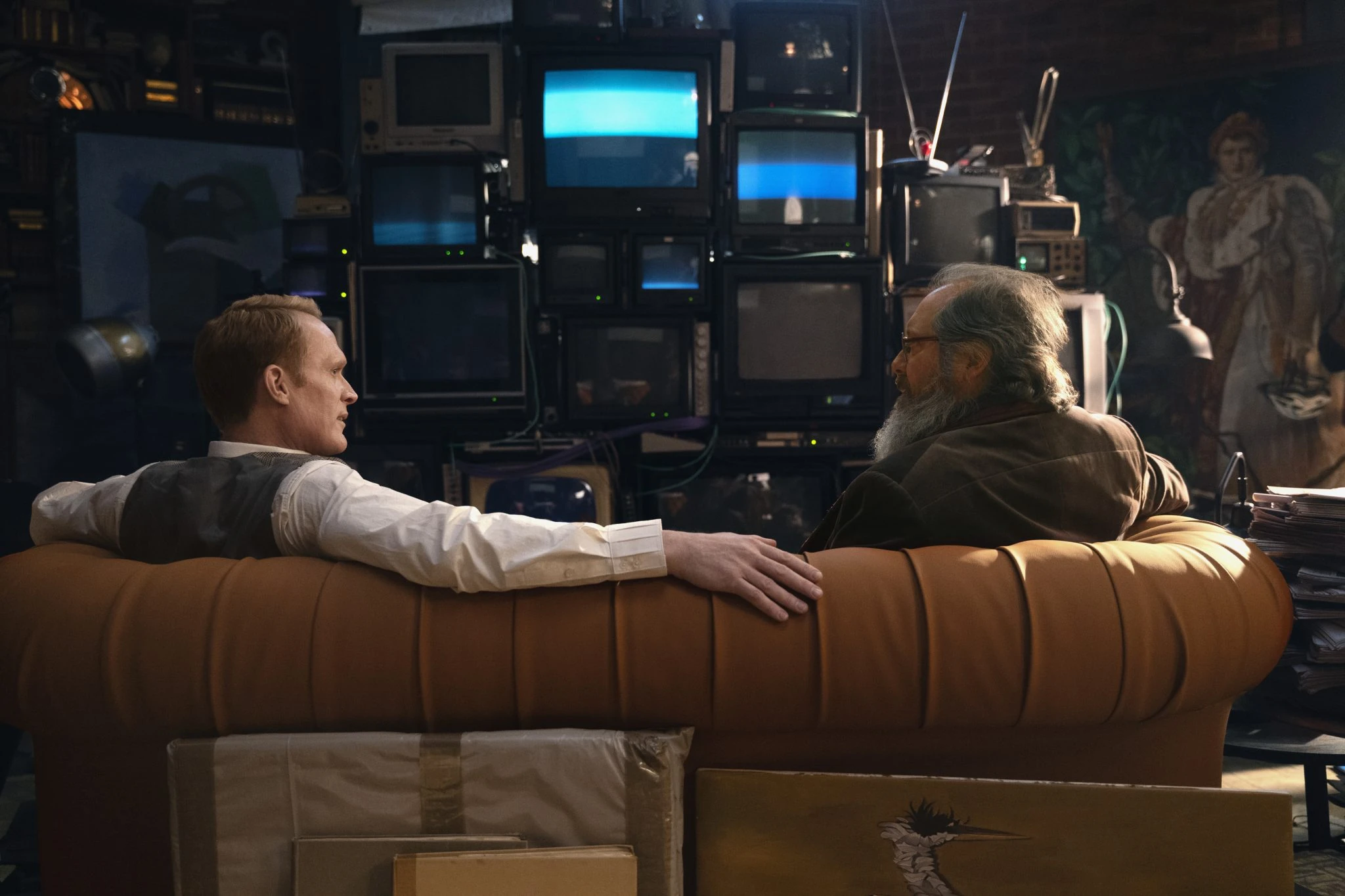
Listening Does Not Settle the Question of Trust
The setting itself leaves room for caution. In Rotten Tomatoes’ report, showrunner Terry Matalas describes Ultron’s quarters inside Vision’s mind as a prison. Keeping him contained while allowing a conversation suggests an attempt to manage the danger. Whether those precautions are sufficient is a question for the story to test; the existence of a backup alone cannot answer it.
For now, curiosity is the clearest explanation for Vision’s willingness to listen. The question to carry forward is what happens when Ultron’s advice asks something of him. Does Vision challenge the reasoning? Does he check what it would cost another person? That is where an intriguing conversation could become a consequential choice, and where Vision would have to decide how much influence this particular father figure deserves.