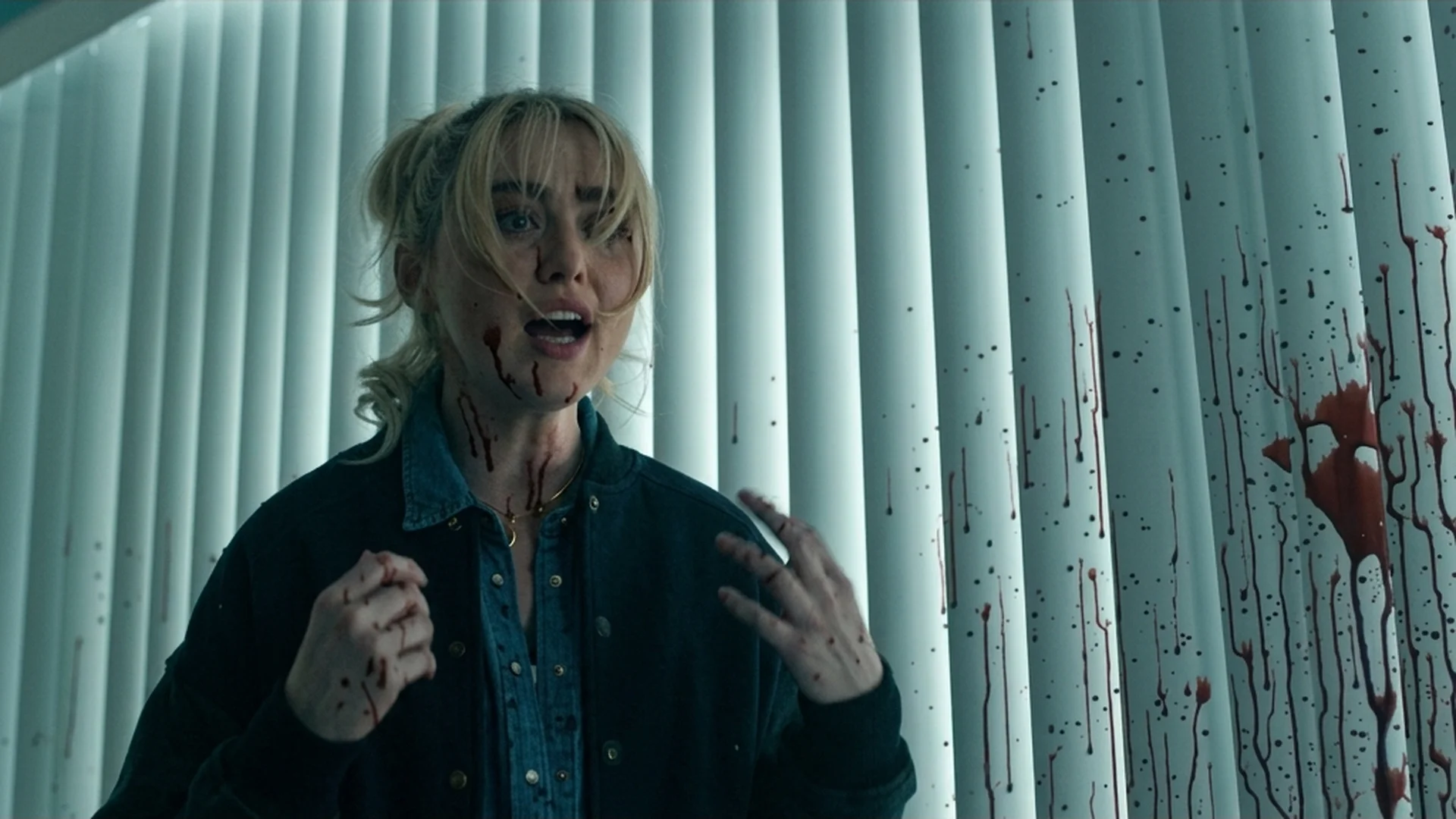
Stanley kills Wayne, a member of his own isolated community, near the end of One Mile: Chapter Two. That killing exposes the problem with his claim to be protecting his people. His pursuit of Danny and Danny’s daughter, Alex, has become a personal vendetta, and someone inside the group can become a target too. Keeping the community safe would require Stanley to accept limits on his revenge. He refuses.
The sequel brings back the father and daughter from Chapter One, played by Ryan Phillippe and Amélie Hoeferle, and C. Thomas Howell’s Stanley. Understanding the second kidnapping requires the first film’s context: Stanley has already used the community’s future to justify taking women against their will. His later violence grows out of that permission he has given himself.
Why Alex Is Kidnapped Again
Alex’s first abduction serves the group’s plan to force kidnapped women to bear children. Chapter Two adds a specific grievance: Danny killed Stanley’s son while rescuing Alex. Stanley has her abducted again to draw her father back into his reach. Revenge gives him another reason to target her, alongside his existing determination to control her future.
For Alex, that distinction offers no relief. Both motives treat her life as something Stanley can use. In the first film, her body is supposed to secure the group’s future; in the second, her captivity gives him a way to hurt Danny. Describing his grievance explains why he returns. It gives him no claim over her.
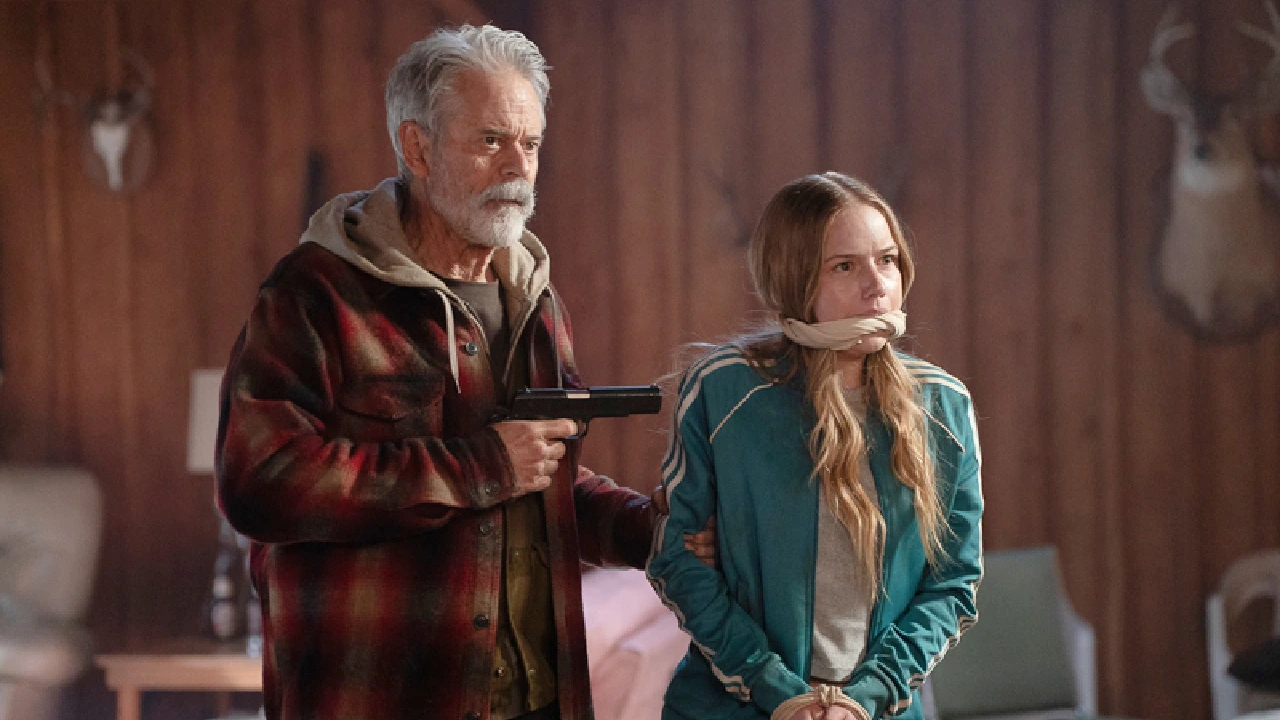
There is also a practical consequence to choosing Alex again. Stanley knows her father will fight to recover her. Bringing that conflict back to the settlement exposes the people he leads to another confrontation. Revenge is already making demands on the community before he kills one of its members.
How Stanley Justifies the Kidnappings
Howell’s account of playing Stanley helps explain this self-justification. In his Moviefone interview, the actor describes approaching him as someone who believes he is responsible for the survival of the people he loves. Howell also draws a connection with Danny’s desire to protect his daughter. This is the character’s reasoning as understood by his actor, rather than evidence that Stanley’s methods deserve sympathy.
The comparison has a clear limit. Danny is trying to recover a daughter who has been taken from him. Stanley decides that other people must surrender their daughters’ freedom to preserve his community. Both men invoke people they love, but Alex has already paid for Stanley’s version of protection. His affection for his own group does nothing to resolve that harm.
What Wayne’s Death Reveals
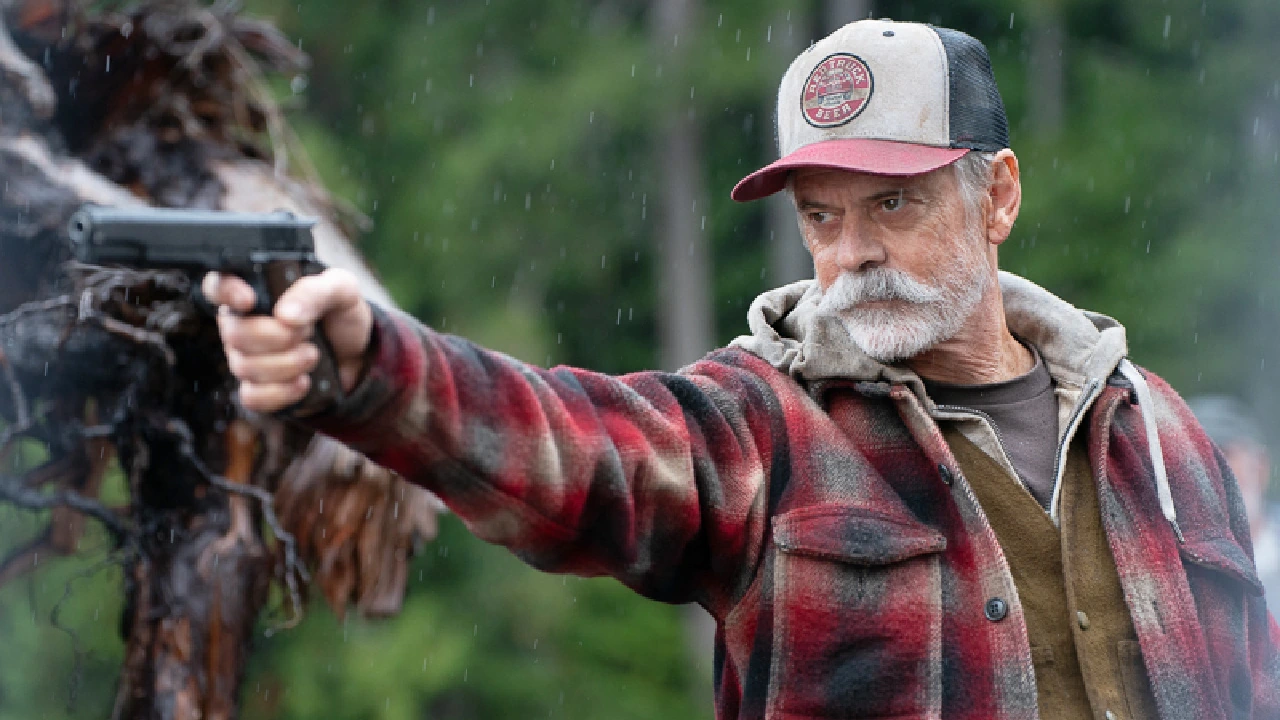
Wayne challenges Stanley’s leadership before Stanley kills him. Film Fugitives’ account describes him questioning Stanley’s intentions and methods; the available dialogue transcript adds that Wayne wants to leave and confronts him over the lives entrusted to his care. Stanley treats that refusal as betrayal. Wayne is asking what this conflict will do to their people, which is precisely the concern Stanley’s defense of himself should make room for.
High on Films’ ending account places Wayne’s killing in front of the community, followed by Alex shooting Stanley and the survivors leaving by boat without the residents stopping them. Killing Wayne removes someone who disputes Stanley’s decisions. It also makes the cost of disputing him clear to everyone else. His claim to look after these people now has to be measured against a member he has killed for objecting.
The residents’ lack of intervention leaves room for more than one explanation. Fear, shock, or rejection of Stanley could each play a part. Letting the survivors leave cannot establish that everyone has renounced the kidnappings. It establishes a narrower outcome: the group does not carry on his pursuit once he is dead.

Stanley turns on his own people because he treats opposition to his revenge as betrayal. Wayne wants to leave; Stanley insists on obedience even from someone he claims to protect. Wayne’s death tests his justification against someone it should protect, and that justification fails. By the time Alex shoots him, being one of Stanley’s people is no longer a reason to trust him with your life.