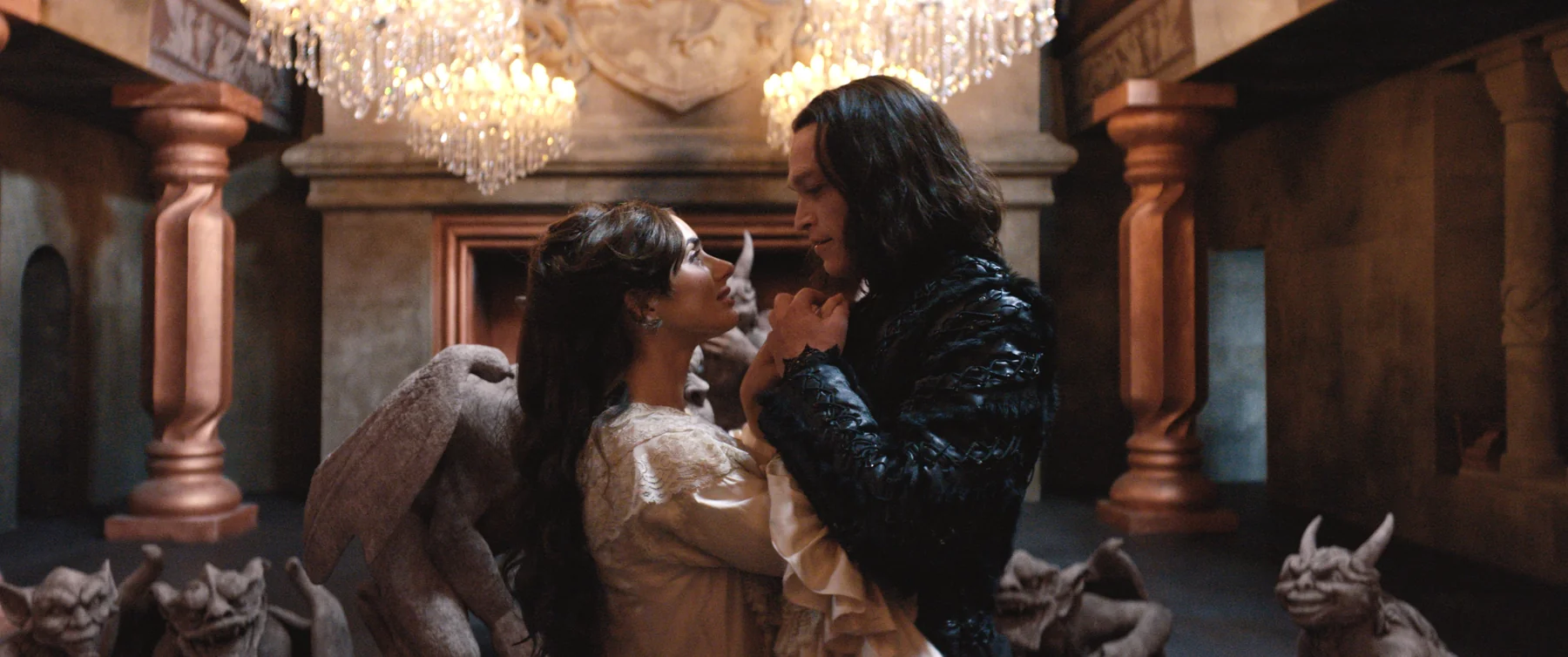
In Luc Besson’s Dracula, the count accepts death because keeping Mina, his wife’s reincarnation, with him would bind her to his curse. He allows the priest to stake him, ending his own immortality and freeing her from vampirism. After centuries spent trying to recover his lost wife, he gives up the future their reunion seemed to promise. He has found the woman he was searching for. The problem is the life he can offer her.
Caleb Landry Jones plays Dracula, while Zoë Bleu plays both his dead wife, Elisabeta, and Mina, her reincarnation. Christoph Waltz’s unnamed priest brings their story to its final confrontation. Critic Kim Newman describes that encounter as an argument that persuades the vampire to accept his fate. That gives the ending a question a successful vampire hunt alone would not answer: what finally becomes more important to Dracula than staying with Mina?
Eternal Life Was His Punishment
Dracula’s immortality begins with a demand that goes unanswered. Before Elisabeta dies, he expects God to protect her while he fights for the Church. Her death destroys that bargain. He turns his violence against a priest, renounces God, and receives an existence that will outlast the person he wanted to come home to.
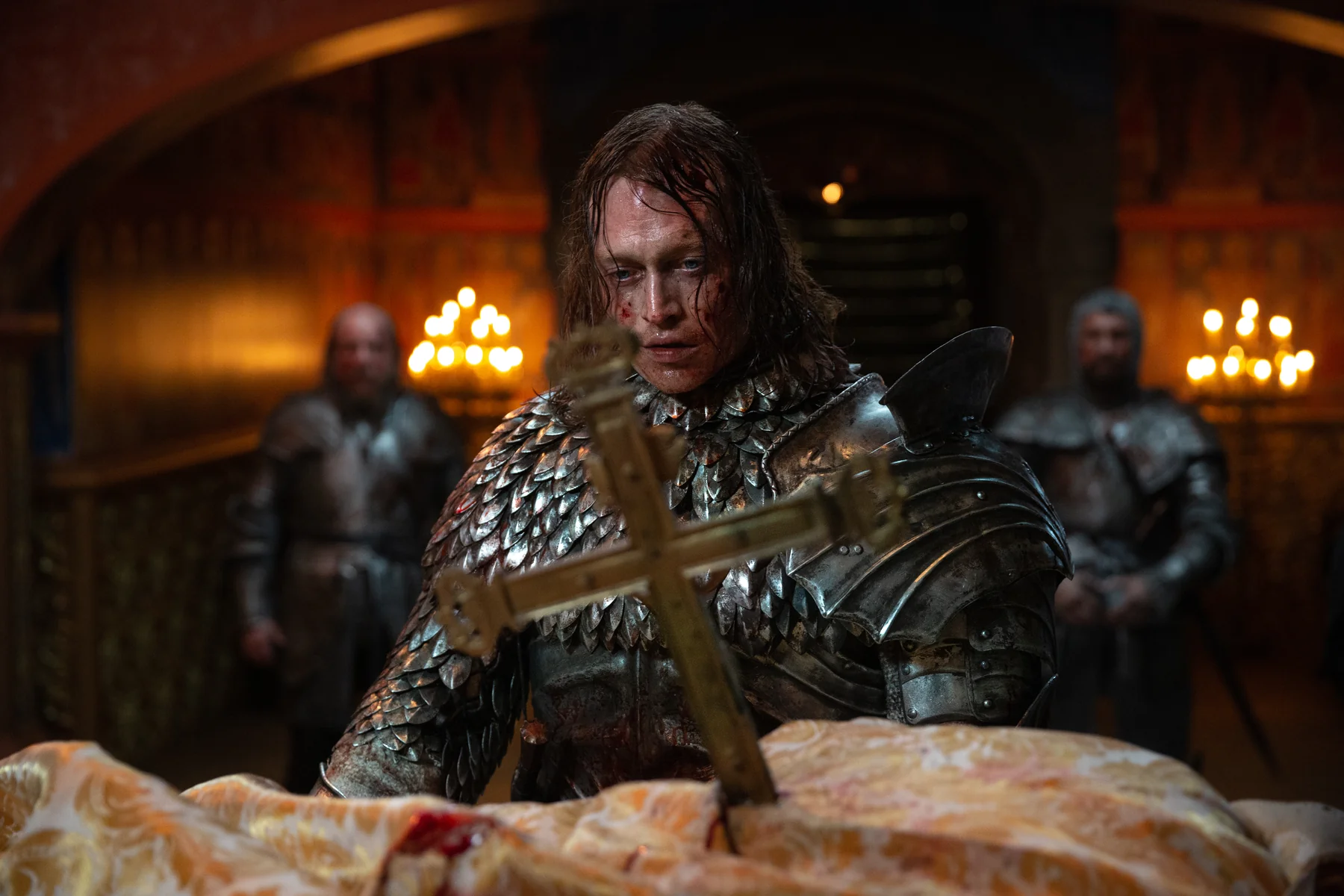
Finding Mina after four centuries seems to solve that problem. She gives his long search a destination, and their renewed attachment makes a life together imaginable. But her presence does not change what he has become. Their reunion brings her into the curse he has endured. He now has to decide whether staying together justifies keeping her in that condition.
The length of his search helps explain his desperation. It does not settle that decision in his favor. Four hundred years of waiting cannot tell us whether another four hundred years together would be a gift to Mina. Dracula has centuries of experience with the suffering that immortality can bring.
The Priest Challenges His Excuse for Killing
The priest’s challenge reaches beyond the reunion. In her Cornell Daily Sun review, Lusine Boyadzhyan describes him rejecting Dracula’s claim that he killed in God’s name. The dead around them make the argument immediate: Dracula has continued to take lives while explaining his actions through a grievance against God.
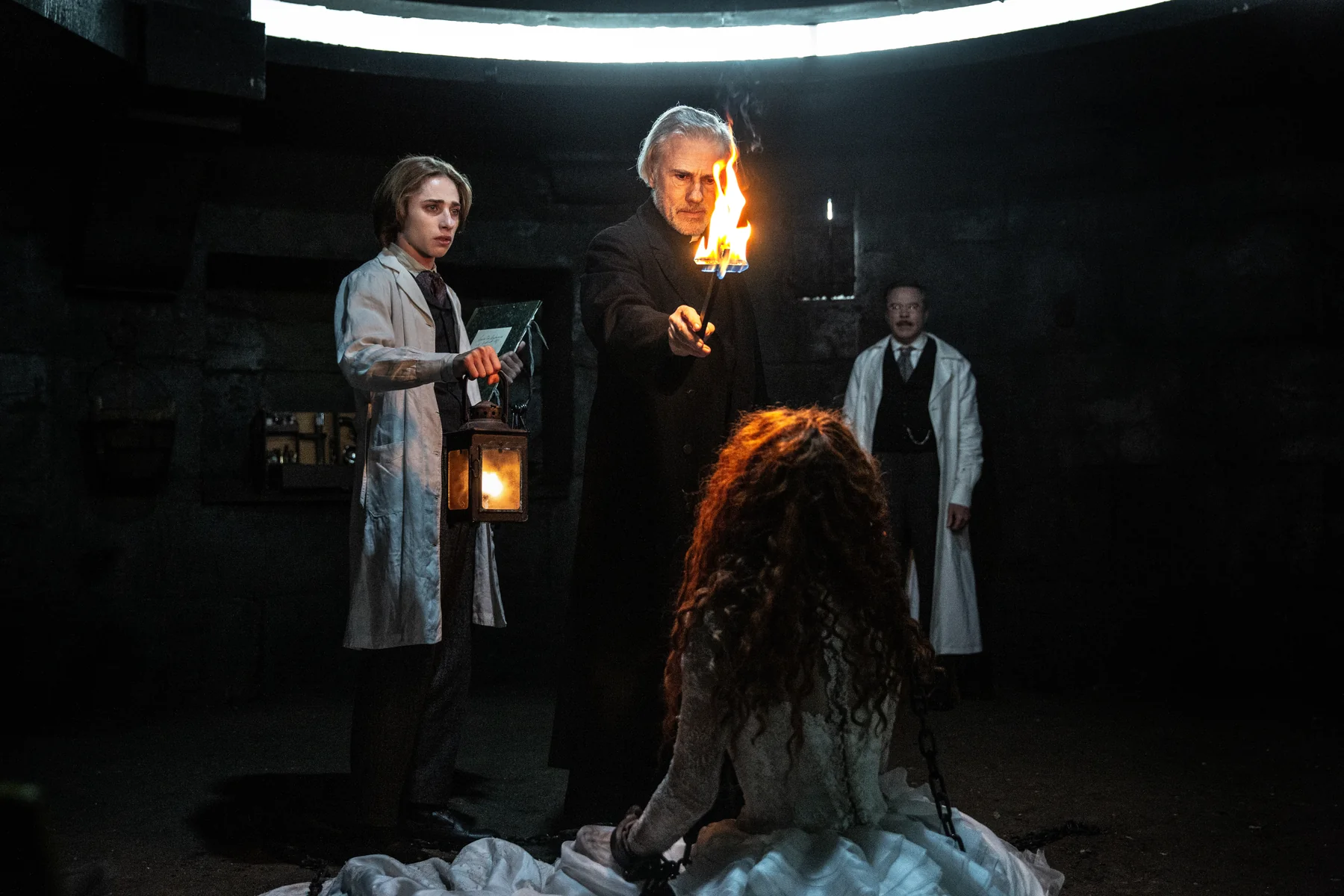
His suffering is real within the story. So are the people harmed by his response to it. The priest makes those two facts harder to separate. If losing Elisabeta excuses everything that follows, Dracula never has to examine anything he does to recover her. Mina’s arrival would simply reward the search, whatever it had required from other people.
Accepting the stake interrupts that expectation. He can still act for Mina, but the action available to him now costs him the relationship he has pursued. The religious resolution depends on that change: he stops insisting that his loss entitles him to keep her under any conditions.
Mina Survives, but Their Future Together Ends
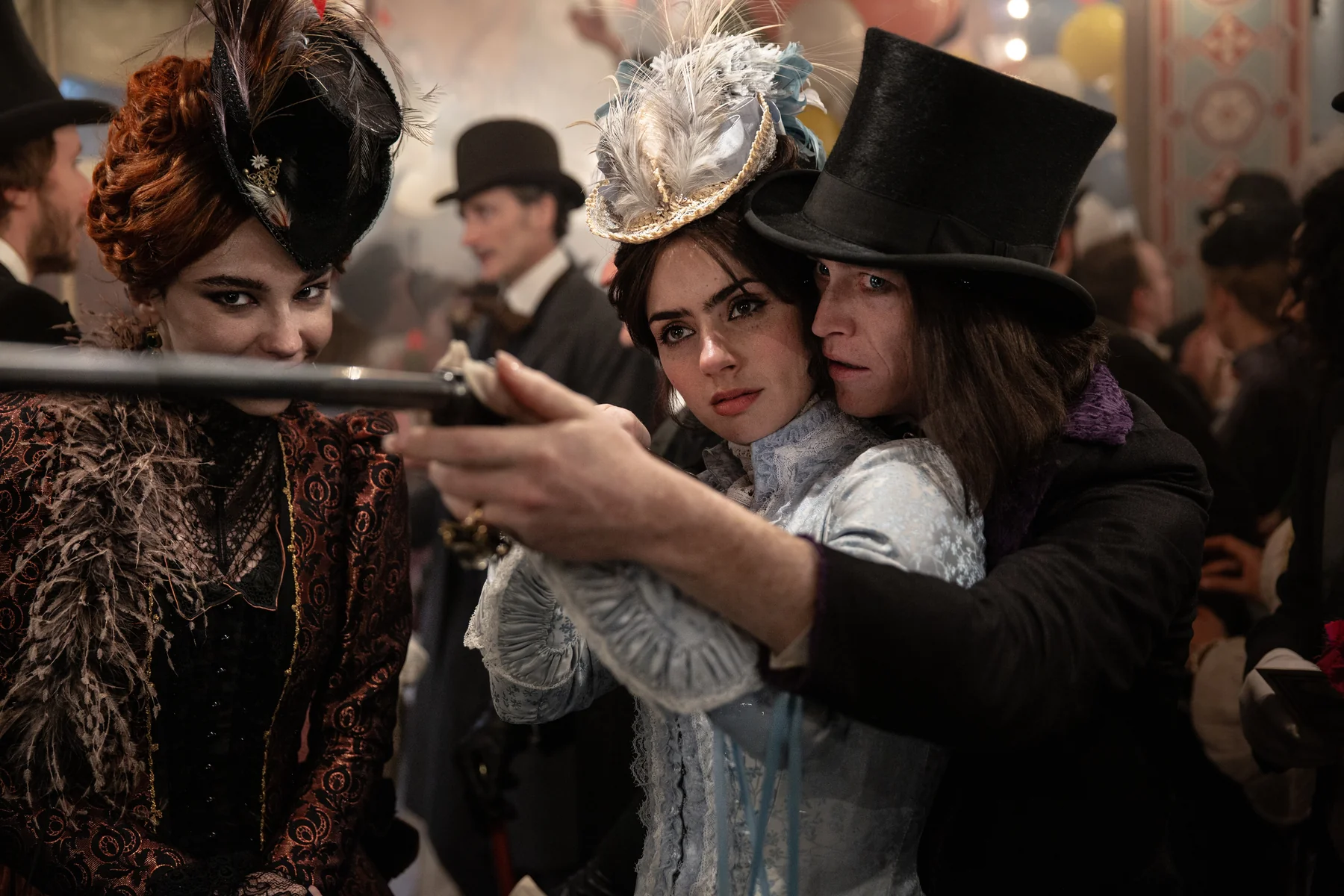
Mina’s attachment complicates an otherwise tidy account of his sacrifice. She has chosen to reunite with him. Treating her as someone who simply needs to escape would leave out the relationship the film has built around her. Dracula’s final decision ends the curse; it also ends the life together that she has been willing to pursue.
The Boroughs gives Sam an explicit request when Mother asks him to help her die. Mina’s desire to stay with Dracula makes his sacrifice harder to describe as simply respecting the other person’s wishes.
That distinction is why calling the ending happy needs some care. Within its religious logic, his death spares her damnation. It does not establish that she welcomes the separation. Her survival answers what happens to her body and her curse, while the loss of Dracula remains part of what she must live with.
Dracula spends centuries treating reunion as the answer to Elisabeta’s death. Once Mina is there, he has to consider what happens after he gets what he wants. The ending turns on his willingness to take that question seriously, even when the answer leaves her alive without him.