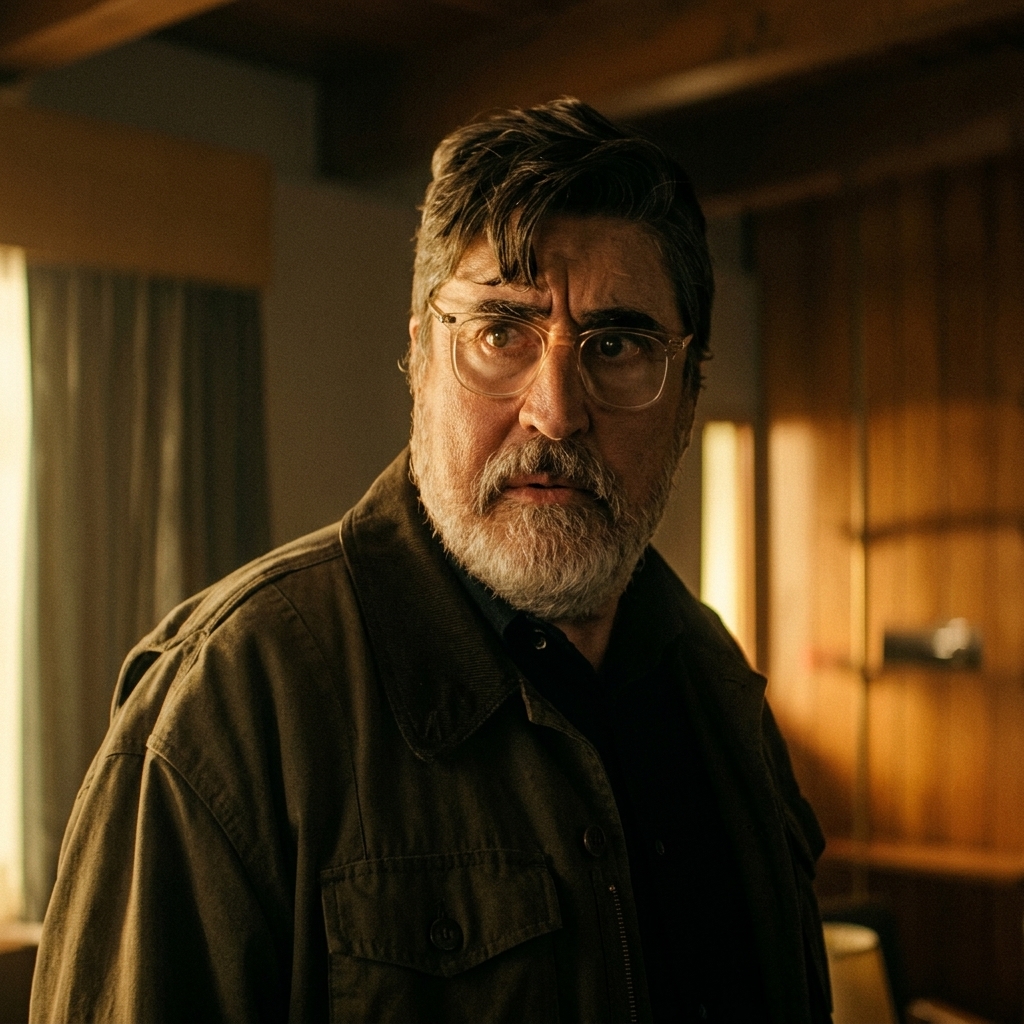
Sam Cooper helps the captive creature Mother die because he recognizes what keeping her alive has cost her. In the Netflix series The Boroughs, a widower who wants more time with his wife ends up defending another being’s wish for her time to end. His loss gives him a reason to understand that wish, even though it runs against his own longing.
The finale’s events, described in Netflix’s creator interview and independently covered by Den of Geek, support that reading. Mother asks for release; Sam takes her to the cave where she wants to die. He could treat her extraordinary abilities as another chance to recover what he has lost. Instead, he helps her leave.
Why Blaine Needs Mother to Stay Alive

Blaine, who runs the retirement community, benefits from Mother’s blood, which preserves his youth. Mother is confined, and the community supplies victims to sustain her. The arrangement turns the residents’ remaining years into something someone else can consume. That is the practical horror beneath the promise of an easy retirement.
Blaine’s fear of death is understandable without making his arrangement defensible. The people paying for it have no meaningful say. The same is true of Mother: her usefulness to him becomes his excuse for refusing her request. Once that is clear, simply keeping her alive cannot count as rescuing her.
Sam Helps Mother Before He Sees Lilly Again

After Mother’s death, Sam receives a brief reunion with Lilly, his late wife. Den of Geek’s account places that reunion after his effort to free Mother and describes it as her thanks. The order matters. Sam’s help has already been given when he receives the time he wanted.
It would weaken his choice to read the reunion as proof that letting go always earns a reward. Nothing in his grief entitles him to another person’s captivity. The farewell offers him something precious without turning Mother’s suffering into a necessary price for it. His willingness to help has to make sense even without that gift.
What the Mirror Leaves Unanswered
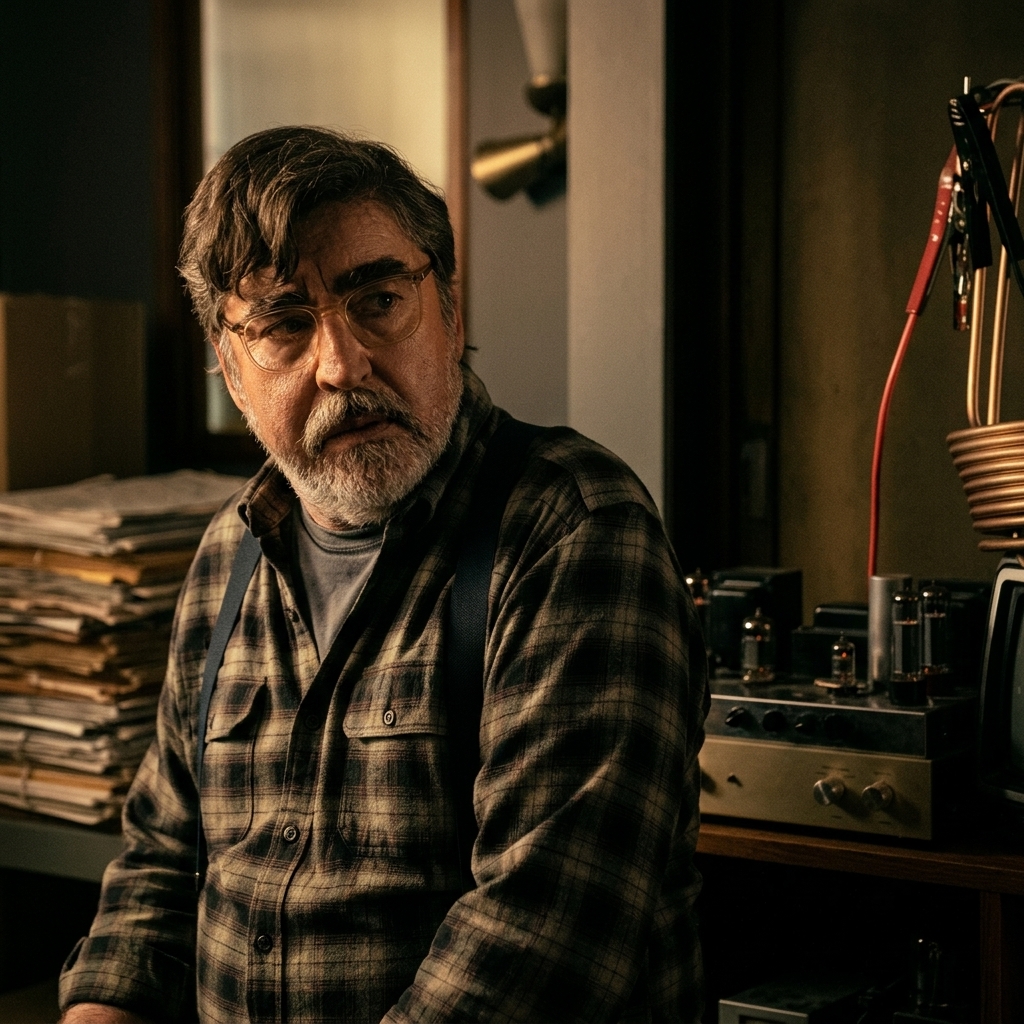
Sam’s distorted reflection at the end leaves his condition uncertain. It does not establish a particular transformation or undo the choice he made in the cave. Those are separate questions: what has happened to his body, and what he was willing to do for Mother.
The second question already has an answer. Sam wanted Lilly back, but he did not make that desire the condition of Mother’s freedom. Whatever the reflection may eventually mean, the ending gives him a decision he can own: he listened when someone whose powers could benefit him asked to be allowed to leave.




1 thought on “The Boroughs Ending Explained: Why Sam Respects Mother’s Final Wish”