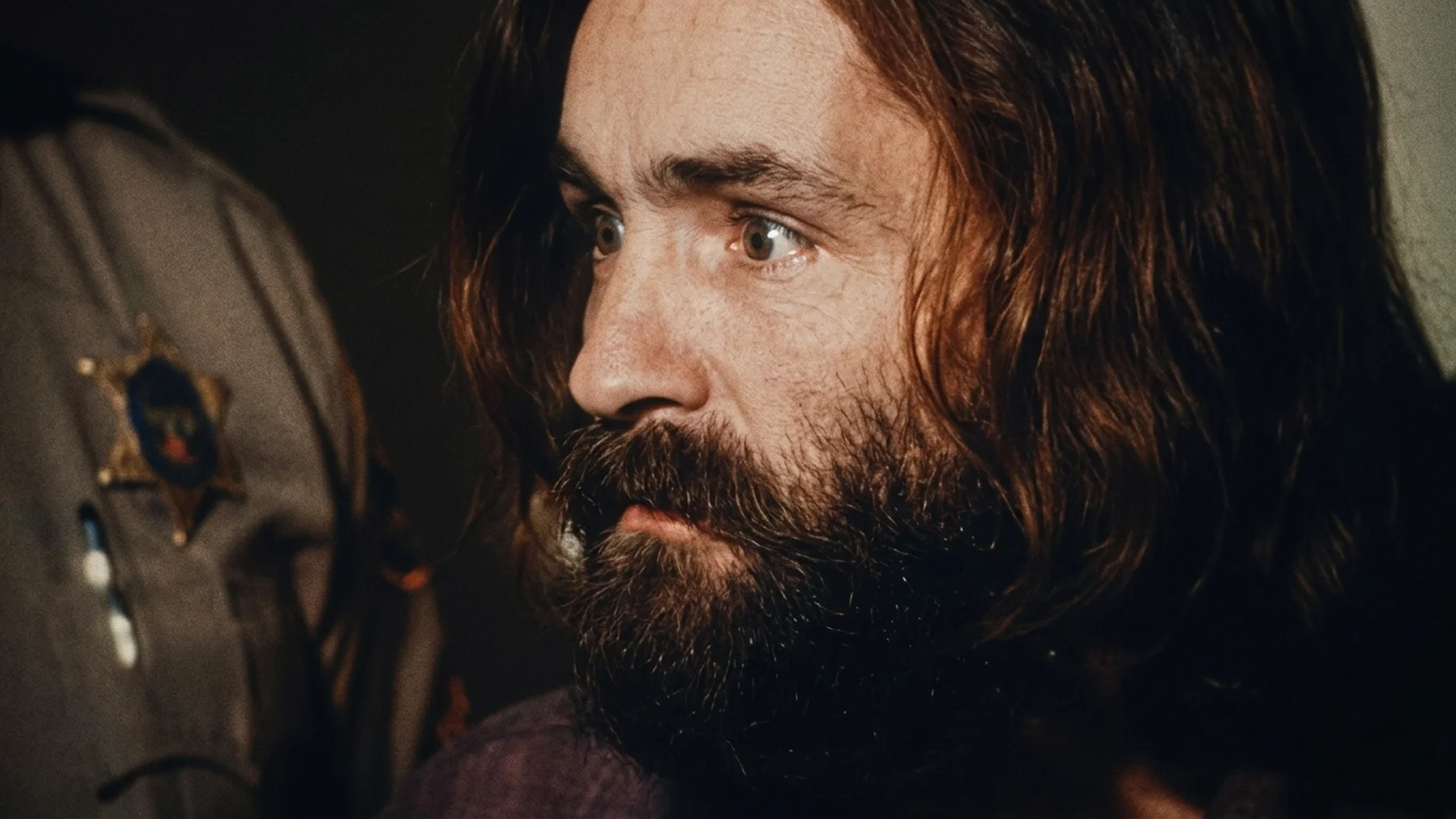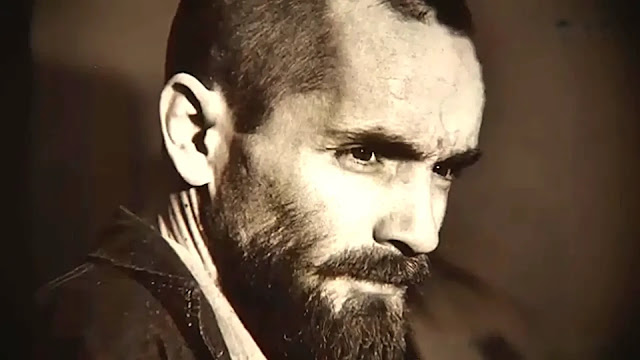
Joe Berlinger has spent years pointing a microphone at America’s most infamous killers and letting them talk. The Ted Bundy Tapes, The John Wayne Gacy Tapes, The Jeffrey Dahmer Tapes, The Son of Sam Tapes. Each one hands you the voice of a man who did the killing with his own hands, and the horror comes from how ordinary that voice sounds. His new three-part series on Netflix, released August 12, closes the cycle with Charles Manson, and there is a rightness to ending it here, since Manson is arguably where America’s modern obsession with the killer’s mind began. But Manson breaks the pattern, and that break is what makes this one land. The man on these recordings never carried out the murders that made him a household name. Other people did that for him, on his word alone.
A Familiar Format, Pointed at a Different Man
The franchise has a fixed shape by now. Unreleased audio of the killer runs under archival footage, and around it sit the people who were there: former followers, detectives, prosecutors. With Bundy or Dahmer, the recordings play like a confession you were never meant to hear, a mind explaining itself. Manson does not fit that mold. In the summer of 1969, his followers murdered the pregnant actress Sharon Tate and four others in one Los Angeles home, then Leno and Rosemary LaBianca in another the following night. Manson was convicted of all of it, yet he was never the one holding the knife. His young followers did the stabbing while he stayed away or slipped out before the worst of it. He was found guilty of first-degree murder without personally committing a single one, on the theory that the killings were his will carried out by other hands. Proving that guilt meant proving something a weapon never could, the sheer reach of his hold over other people. So the tapes here are not the sound of a man reliving what he did. They are the sound of the instrument he used, still humming decades later.
What the Recordings Keep Circling
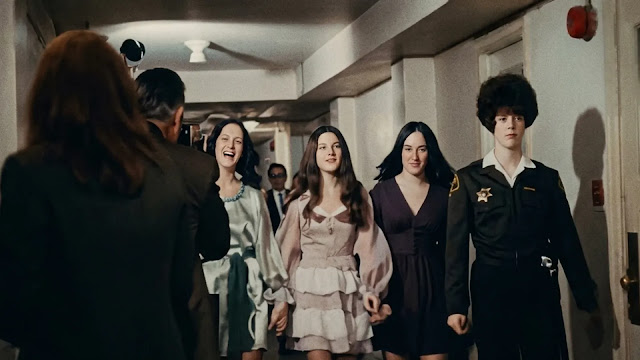
That fact hands the series a question the other entries never had to ask. How did an unremarkable ex-convict talk a group of young people into killing strangers for him? The three parts move in order: his background and the forming of the Family, then the murders and the motives, then the trial. Part one is the quietly important one. Manson spent most of his youth in reform schools and prison, and that is where he learned his real trade, studying how to read people and bend them before he ever gathered a single follower. By the time he reached the drifting young runaways of the late sixties, he had a system. The murders themselves were wrapped in a doomsday story the prosecution called Helter Skelter, a supposed race war Manson claimed was coming. The series treats that as a sales pitch, one more tool for holding a frightened group together. Even the courtroom became a stage for the same power. His followers camped outside, carved marks into their own foreheads to mirror his, and stayed devoted to the man who had led them to life sentences. The control outlasted the arrest; the trial only proved it. Berlinger, working with the same instinct he brought to the Idaho Murders documentary, stays with the mechanics of control rather than the gore. As one Yahoo reviewer put it, the film strips away the myth and finds something uglier underneath. What surfaces is not a monster so much as a method, and the method is disturbingly teachable.
The Discomfort That Lingers
The documentary is not flawless. One critic noted that it rarely tells you when a given recording was made or who Manson is speaking to, which leaves some of the tapes floating loose. But the unease it produces is real and specific. Listening to Manson feels less like hearing Bundy account for a body than like watching a salesman work a room, and slowly realizing the product was other people’s lives. That is also why his story refuses to stay in 1969. We now live surrounded by voices engineered to gather attention and turn it into obedience, from cults to feeds, and Manson reads like an early, lethal proof of concept. He died in prison in 2017, still talking, still certain he had done nothing with his own two hands. The tapes let him keep insisting on that, right to the end. What the recordings cannot hide is how practiced he still sounds. The cadence, the pauses, the easy flattery are all intact, working on a listener decades after anyone should have been within his reach. And the series quietly builds the case that his hands were never the point. If you want the strangest branch of this story, the granddaughter who learned the truth by accident, our piece on My Grandfather Charles Manson sits right beside this one.