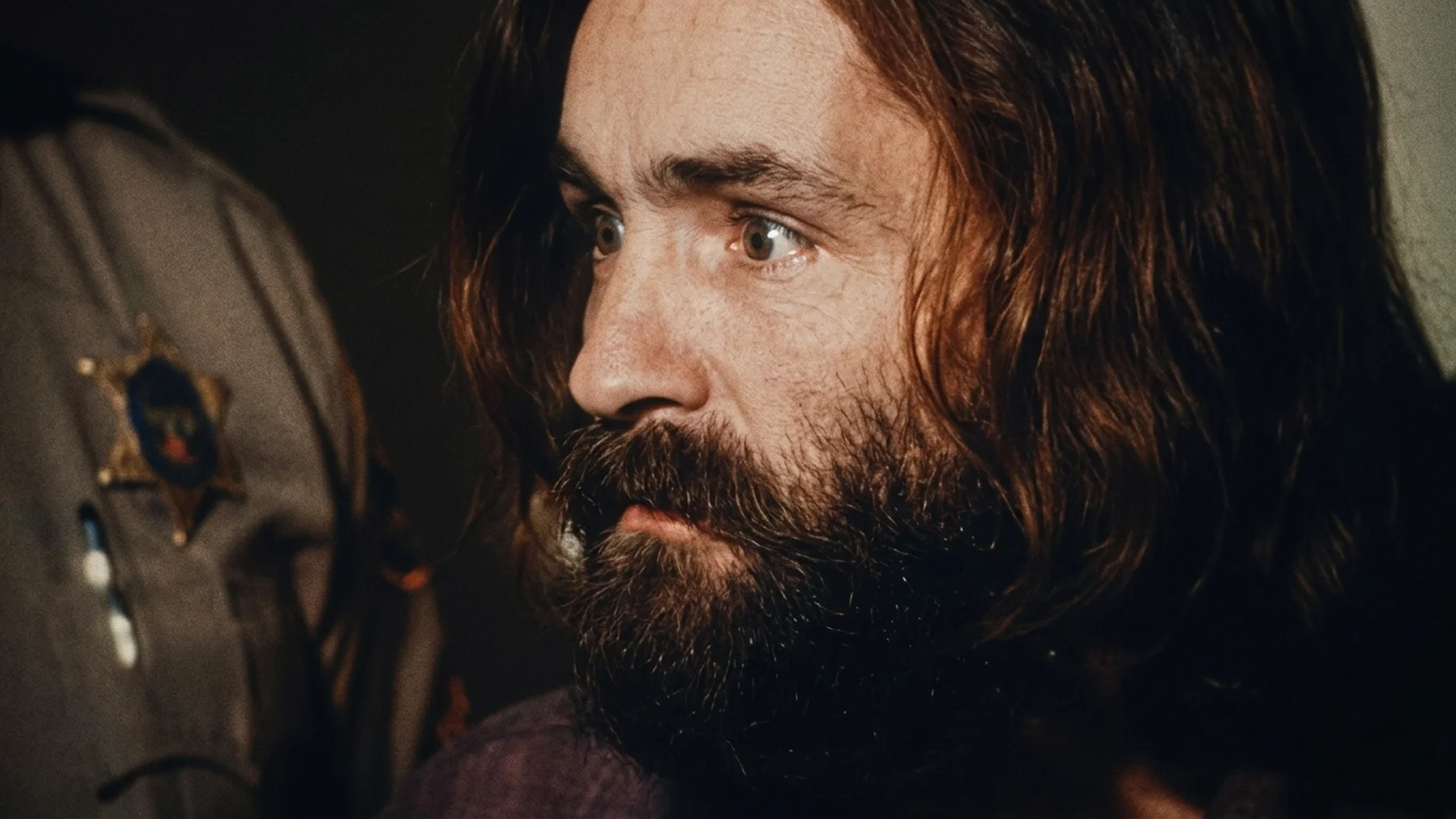
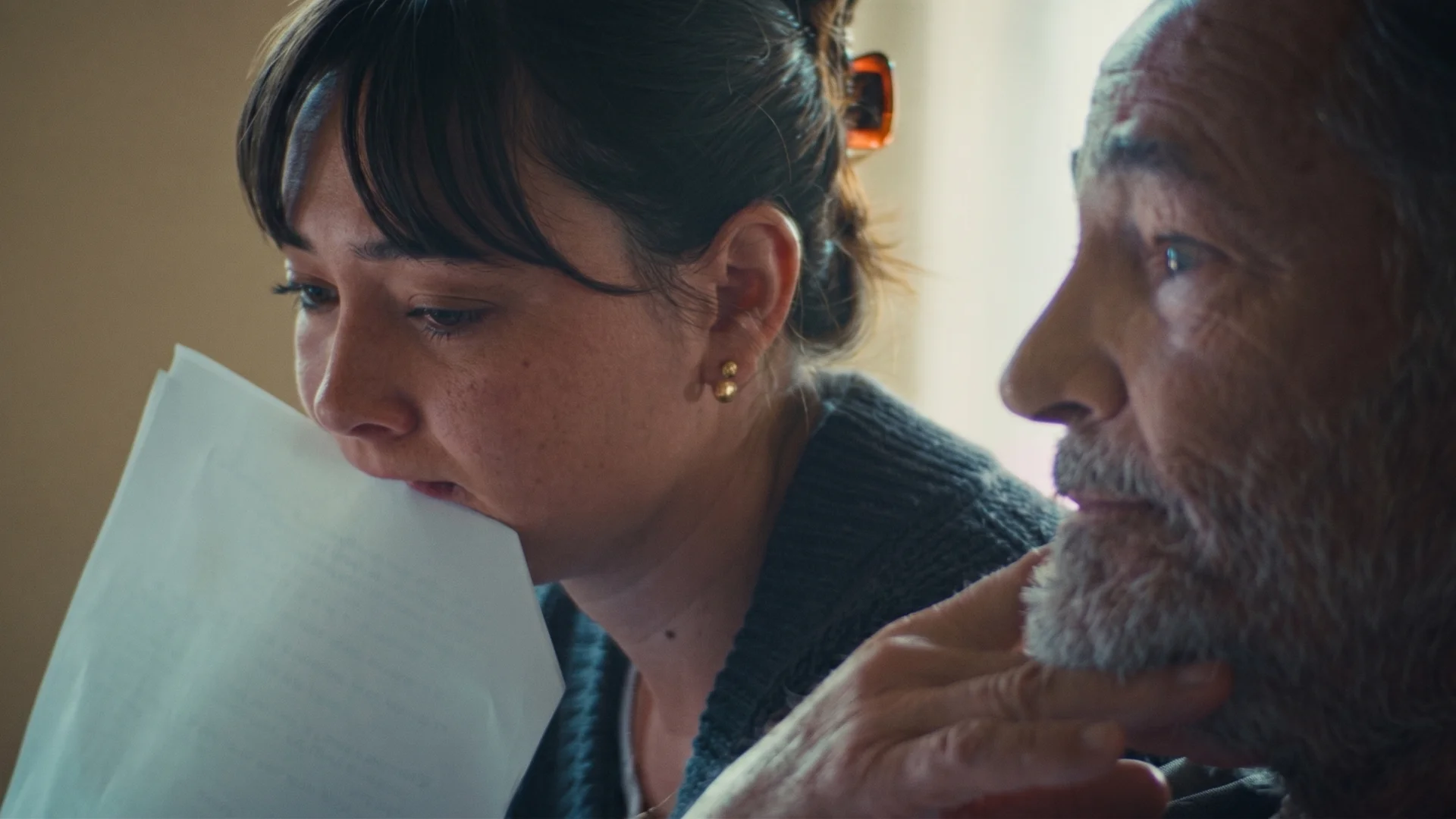
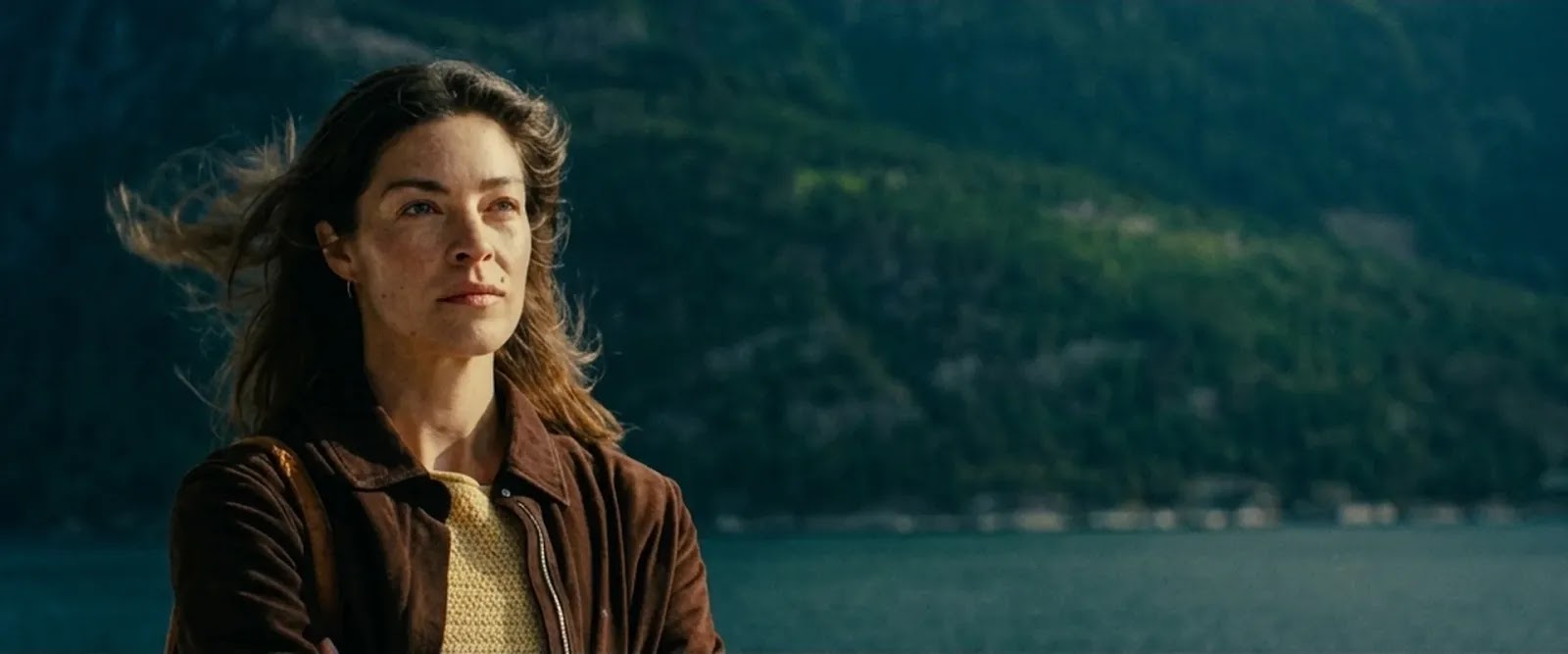
Yes, it is a true story, and that is the first thing most people want confirmed. The woman at the center of Hulu’s My Grandfather Charles Manson is Sophia Maddox, a real filmmaker and actress, and she really is the granddaughter of the man who orchestrated the 1969 Tate-LaBianca murders. The documentary, number one on Hulu since it arrived on July 22, is her own investigation into that fact. What makes it more than a shock headline is how she found out: not through a family secret finally spoken aloud, but through a mail-order DNA kit that was looking for someone else entirely.
The Question the Test Was Actually Asking
The detail the whole film turns on is a quiet one. Maddox’s father, Daniel Arguelles, did not send his saliva to Ancestry to go looking for Charles Manson. He sent it in 2015 for the most ordinary reason a person takes one of these tests: he had never known who his own biological father was, and he wanted an answer. For seven years the answer was silence. Then, in 2022, the site matched him to a half-brother, Michael Brunner, and the branch that connected them led straight back to Manson. Follow-up testing put the match past any doubt, at better than 99.9 percent. The question Arguelles asked was small and human, who is my dad. The answer that came back was one of the most infamous names in American crime.
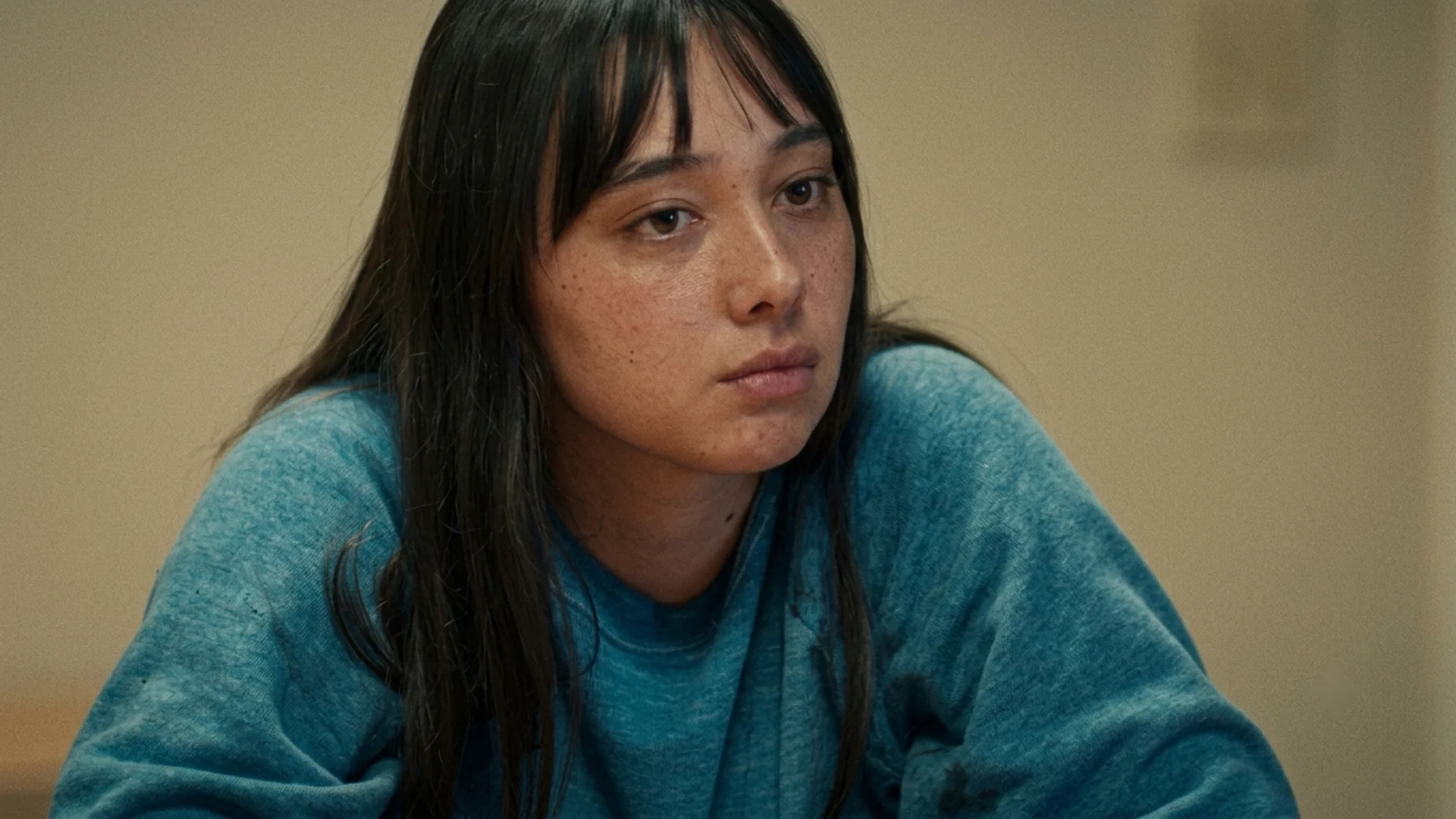
That makes Maddox Manson’s granddaughter by blood, through a son he never raised. Arguelles was born in 1959, the result of a brief encounter, and he grew up with no idea whose child he was. So the family did not hand this history down. A database did, decades later, to people who had spent their whole lives on the other side of it.
What the Documentary Actually Shows
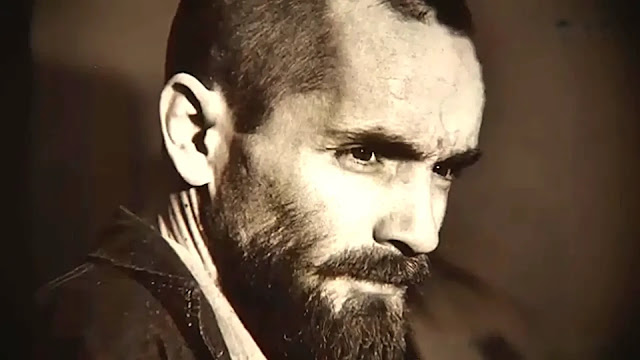
If you are deciding whether to watch, know that this is not another lurid tour of the murders. Maddox uses her own DNA to unlock records most people never get near, and the film spends its energy on the man before he was a headline: the reform-school files from Indiana, where a young Manson piled up dozens of conduct reports, and interviews with people who were once inside his orbit, including former followers who knew the commune from within. There are audio recordings too, hours of a voice most of us only know as a mugshot. The murders appear, because they have to, but the film keeps pulling back to a stranger question than “how did he do it.” I found the reform-school material more unsettling than any of the crime-scene recaps, because it shows the ordinary institutional failures that were logged, filed, and ignored long before anyone had heard the name Manson. That is the part a family member can offer that a true-crime factory cannot: not new gore, but the patience to sit with how a person is assembled.
Where Charles Manson Is Now
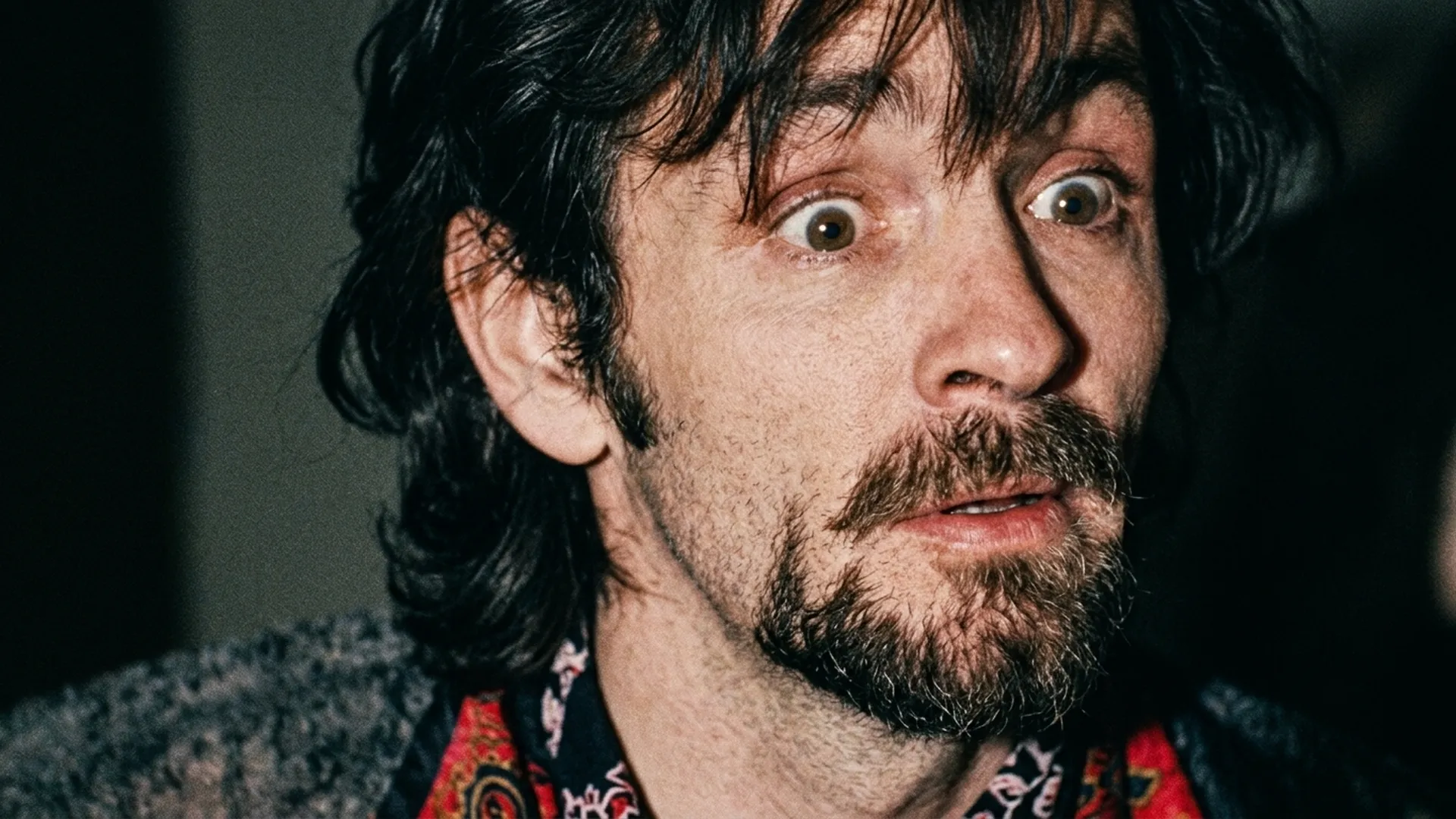
For the search that always follows a Manson title: he is dead. Manson died in November 2017 at 83, of natural causes, while serving a life sentence in California, decades after his 1971 death sentence was commuted when the state briefly abolished capital punishment. He never left prison and never expressed the kind of remorse victims’ families waited for. That timing matters to the documentary, because it means Maddox is reckoning with a grandfather she can never confront. Everything she learns arrives secondhand, through records and recordings and the memories of people who outlived him. The man at the center of her bloodline is permanently out of reach, which is part of what makes the search feel less like an interrogation and more like a haunting.
The Inheritance Nobody Signed Up For
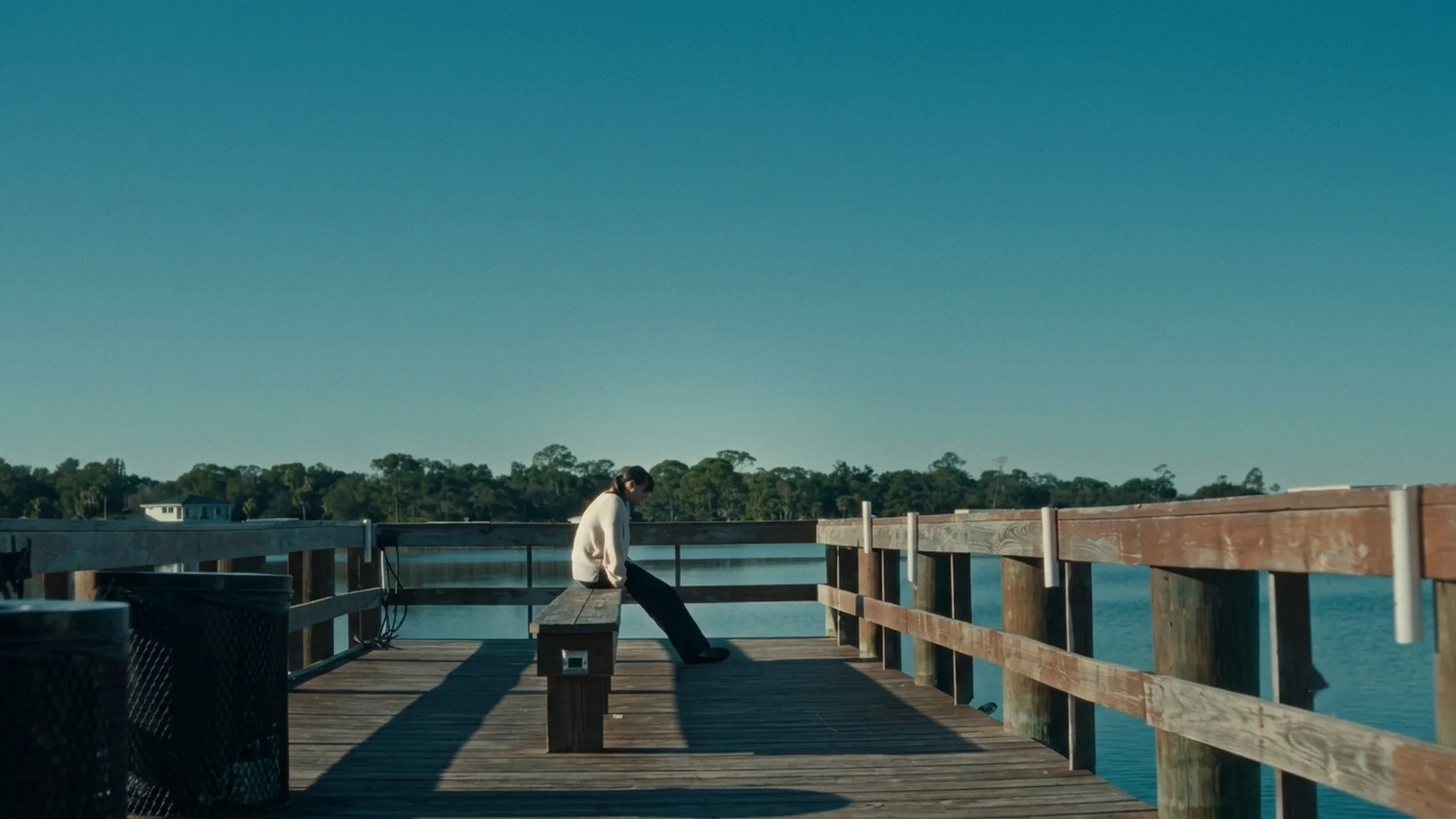
Plenty of Manson documentaries exist, and most of them ask what he did. This one asks what he leaves behind in the people who never chose him. The most honest thread here is not the crime scene but Maddox’s own household: as she digs, her relationship with the father who raised her, Arguelles, comes under a strain the DNA test set in motion without anyone consenting to it. “I’ve always been the good one,” she says at one point, measuring herself against a bloodline she did not pick. That is the real subject under the true-crime packaging, and it is an uncomfortable one. You cannot inherit guilt; guilt is not genetic. But you can inherit a question you never asked to answer, and a documentary crew, and a grandfather the whole world already has an opinion about. What the DNA test found was never really Charles Manson. It was the price of finally knowing.
If the true-crime pull is what brought you in, the same instinct is running under another recent title where the facts turned out stranger than any invented plot, the story of a real fugitive who built a life no screenwriter would have dared to pitch.
1 thought on “My Grandfather Charles Manson: Is It a True Story, and What the DNA Test Really Found”