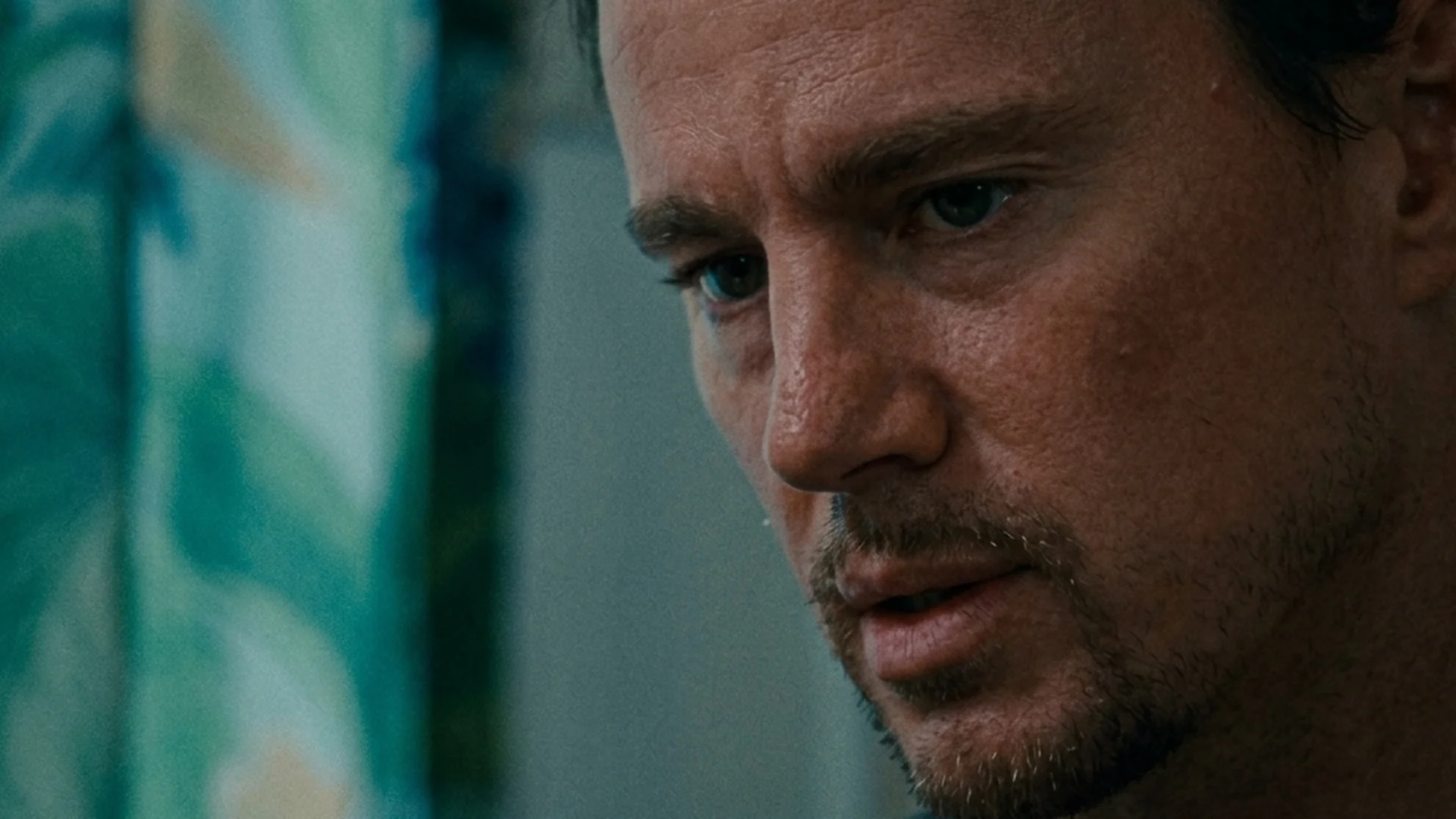
The most unbelievable part of Roofman is the part the filmmakers did not invent. A decorated Army veteran robbed dozens of McDonald’s by cutting holes in their roofs, escaped a forty-five-year prison sentence, and then hid for months inside a Toys R Us, living off the shelves and watching the employees on baby monitors. Channing Tatum plays him. His name was Jeffrey Manchester, and almost none of that is dramatized.
So yes, Roofman is based on a true story, and a closely reported one. Director Derek Cianfrance and his co-writer did not just read the clippings; they spoke to Manchester himself, to his family, to the pastor of his church, and to the sergeant who arrested him. The film compresses and shapes events the way any dramatization does, but the strange spine of it is real.
The Real Roofman
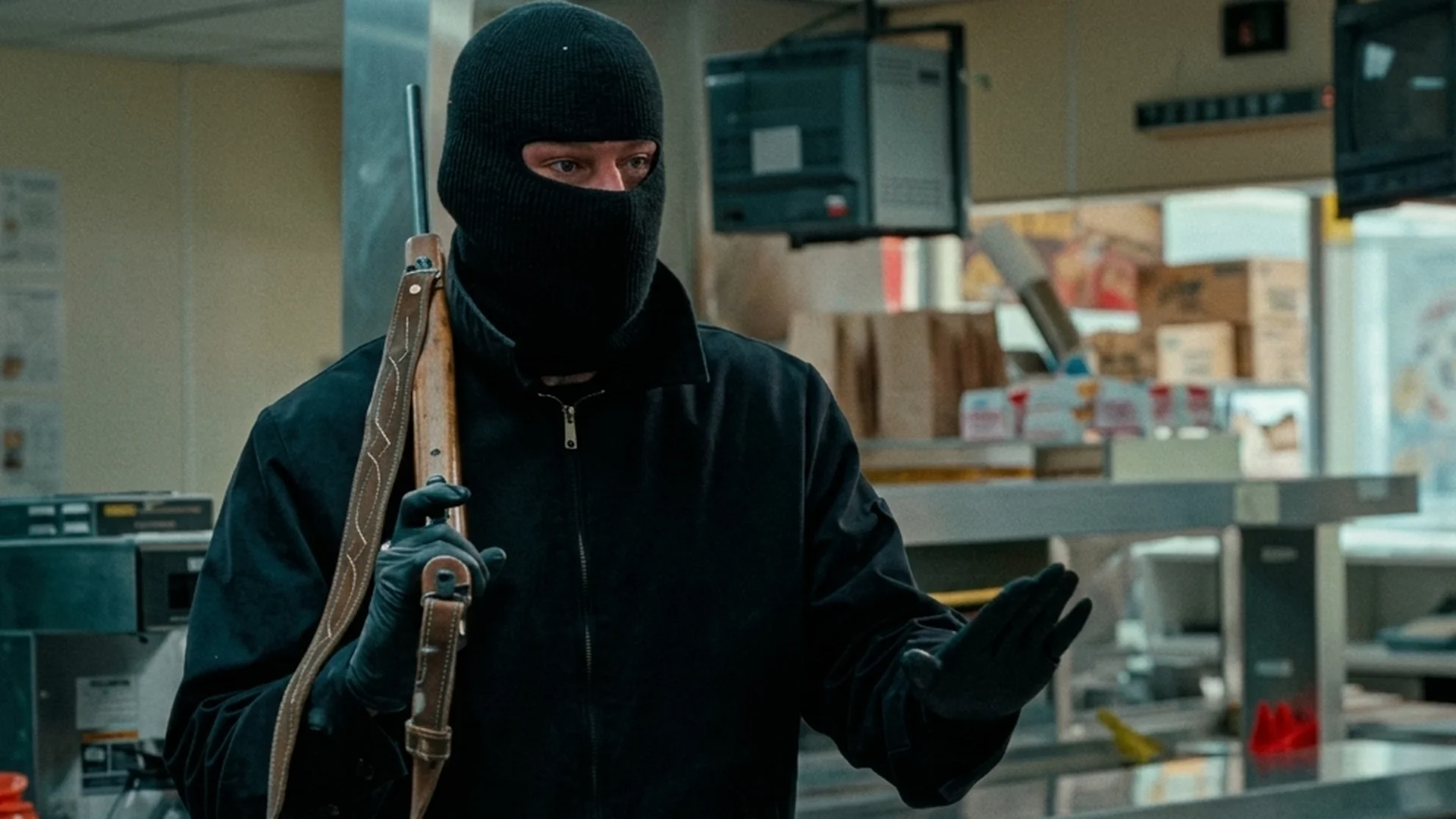
Jeffrey Manchester was born in Sacramento in 1971 and joined the Army, where he served in the 82nd Airborne and trained in rappelling and the kind of quiet, tactical patience that would later make him very good at crime. In the late 1990s, broke and with a family to support, he started breaking into McDonald’s locations across the South by cutting through the roof at night and waiting for the morning crew. He robbed around forty-five restaurants this way, and the detail that made him a folk figure is how he did it: he was polite. To the crews he was courteous, apologizing, herding them gently into the walk-in freezer, and often leaving them a coat. The press called him the Roofman. He was arrested in 2000 and sentenced to forty-five years.

The Escape, and the Toy Store
In 2004 Manchester broke out of the North Carolina prison where he was serving that sentence, and this is where the story stops sounding possible. He slipped into the back of a Charlotte Toys R Us, one of those big-box stores with cavernous stockrooms nobody visits, and simply stayed. For weeks he lived there. Meals came off the shelves, baby food and candy and whatever else, and at night he moved through the dark aisles once the staff had gone home, rigging baby monitors and the store’s own security cameras to track where the employees stood during the day. A wanted man built a life inside a toy store and no one noticed. The mundane logistics are the part I keep turning over: a fugitive browsing the same aisles by day as families with strollers, then owning the whole place once the lights went off and the doors locked, night after night.

The Hidden Apartment, and the Woman from Church
When the 2004 holiday rush filled the Toys R Us with shoppers, Manchester moved next door into an abandoned Circuit City and did something even stranger: he built himself a home. He framed out a small living space beneath a stairwell, painted the walls, hung posters, and spent his days watching movies in a hideout tucked inside a dead electronics store. For months this held, a decorated little apartment that existed on no lease and appeared on no map. During this stretch he attended a local church under the name John Zorn, and there he met and began dating a woman, the role Kirsten Dunst plays in the film. For a while he was a fugitive, a squatter, and a churchgoing boyfriend at the same time, and the people around him had no idea which.

How It Really Ended
The double life did not hold. Manchester was recaptured in early 2005, arrested near the home of the woman he had been seeing, and the courts added roughly thirty-two years to what he already owed, a sentence that runs past any reasonable definition of the rest of his life. That is the ending the movie is honest about: there is no clean getaway here, no folk hero riding off. What Cianfrance seems most interested in is the gap between the charming story people love to tell about the Roofman and the real man it was built around, a talented, disciplined person who kept aiming all of it at the wrong thing. Tatum is ideal casting for exactly that reason. He can make you like Manchester in the same beat that you register how much trouble that likability caused.
Is It Worth Watching?
Yes, and it is better than its logline suggests. Cianfrance, who usually works in bruised relationship dramas, treats this stranger-than-fiction material with real tenderness instead of playing it for zaniness, and the supporting bench is deep, with Kirsten Dunst, Ben Mendelsohn, and Peter Dinklage filling out the world. The film asks a soft question under the caper: what do you do with a person who is good at heart and a genuine menace, both at once. If you came looking only for the wild facts, they are all here. What you may not expect is how much the movie wants you to feel for the man they belong to.


1 thought on “Is Roofman a True Story? The Real Man Who Lived Inside a Toys R Us”