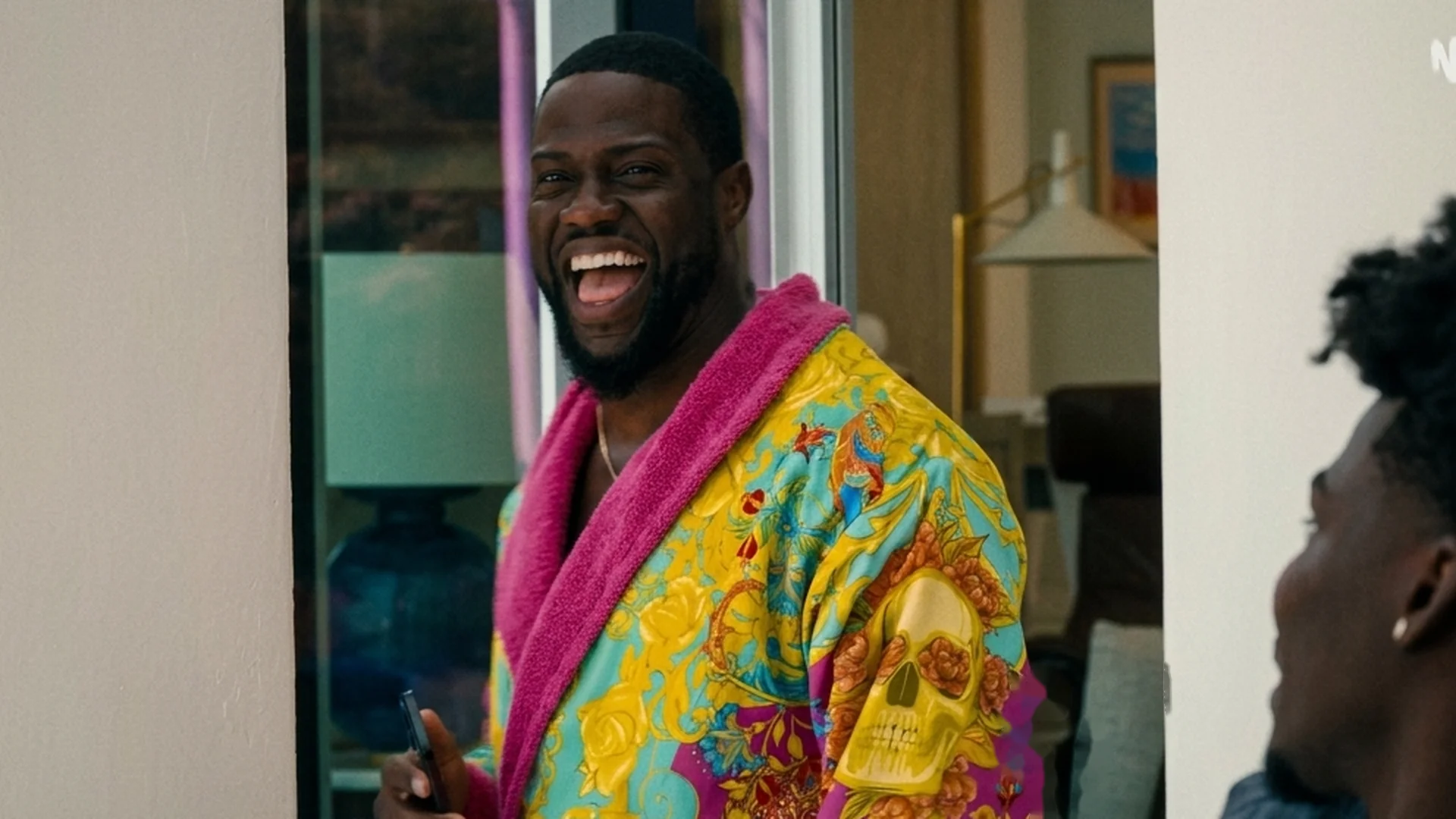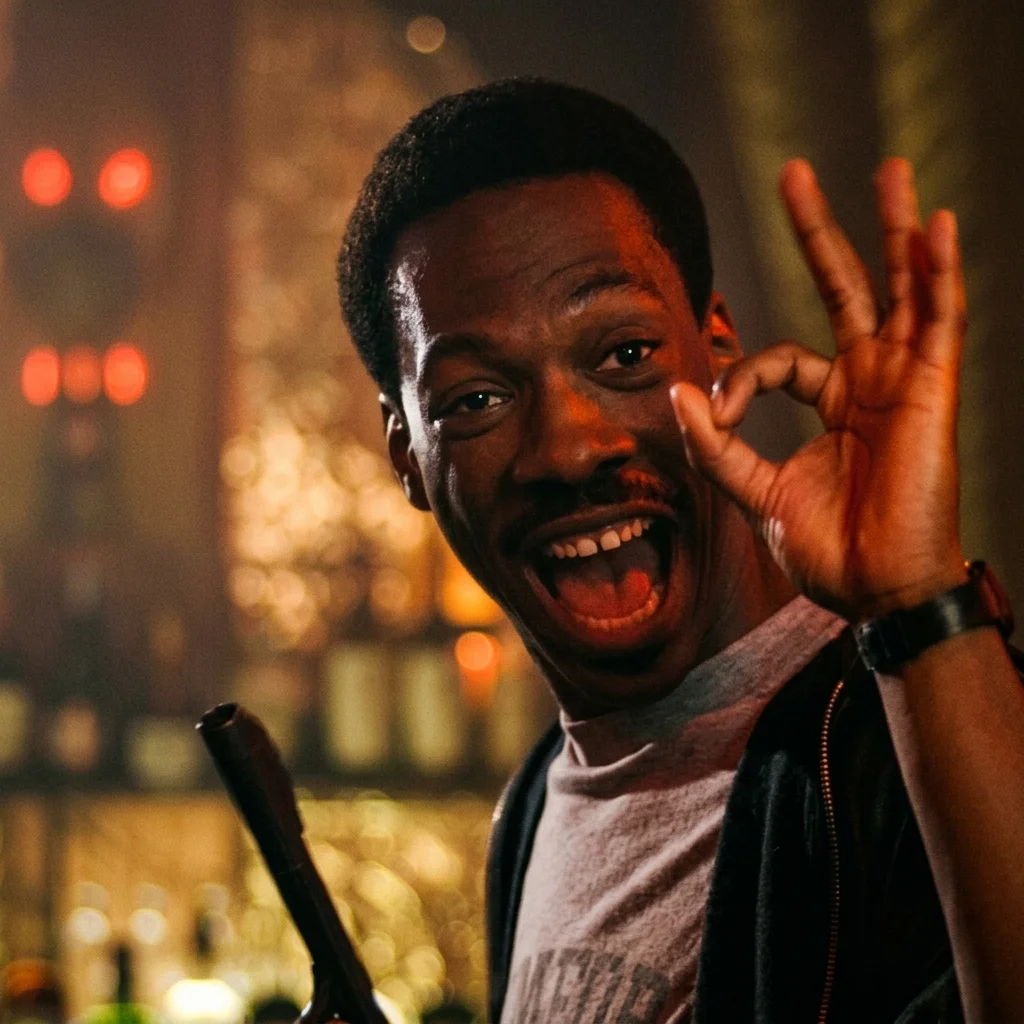
The room at the Dolby Theatre in April was a who’s who of American comedy, and that was the point. Dave Chappelle, Chris Rock, Martin Lawrence, Kevin Hart, Tracy Morgan, Arsenio Hall, Kenan Thompson, Mike Myers, Spike Lee, Stevie Wonder — they came to hand Eddie Murphy the 51st AFI Life Achievement Award, and the tribute is now streaming on Netflix. Watch who showed up and you understand the real story. Almost none of those careers exist, at least not in the shape we know them, without the man they came to honor.
We tend to file Eddie Murphy under “comedy legend,” which is true and also a way of selling him short. The tribute makes a larger case, one the culture has been slow to say out loud: he may be the single most influential screen performer of his generation, and we spent decades underrating exactly how much he could do.
The Kid Who Saved a Sinking Show
Start where he started. Murphy walked into Saturday Night Live in 1980, nineteen years old, at the precise moment the show was dying. The original cast was gone, the new season was a disaster, and the whole enterprise looked finished. Then a teenager from Brooklyn started doing characters — Buckwheat, Gumby, Mister Robinson’s Neighborhood — with a confidence that had no business belonging to someone his age, and within a season he had personally dragged the show back from the grave.
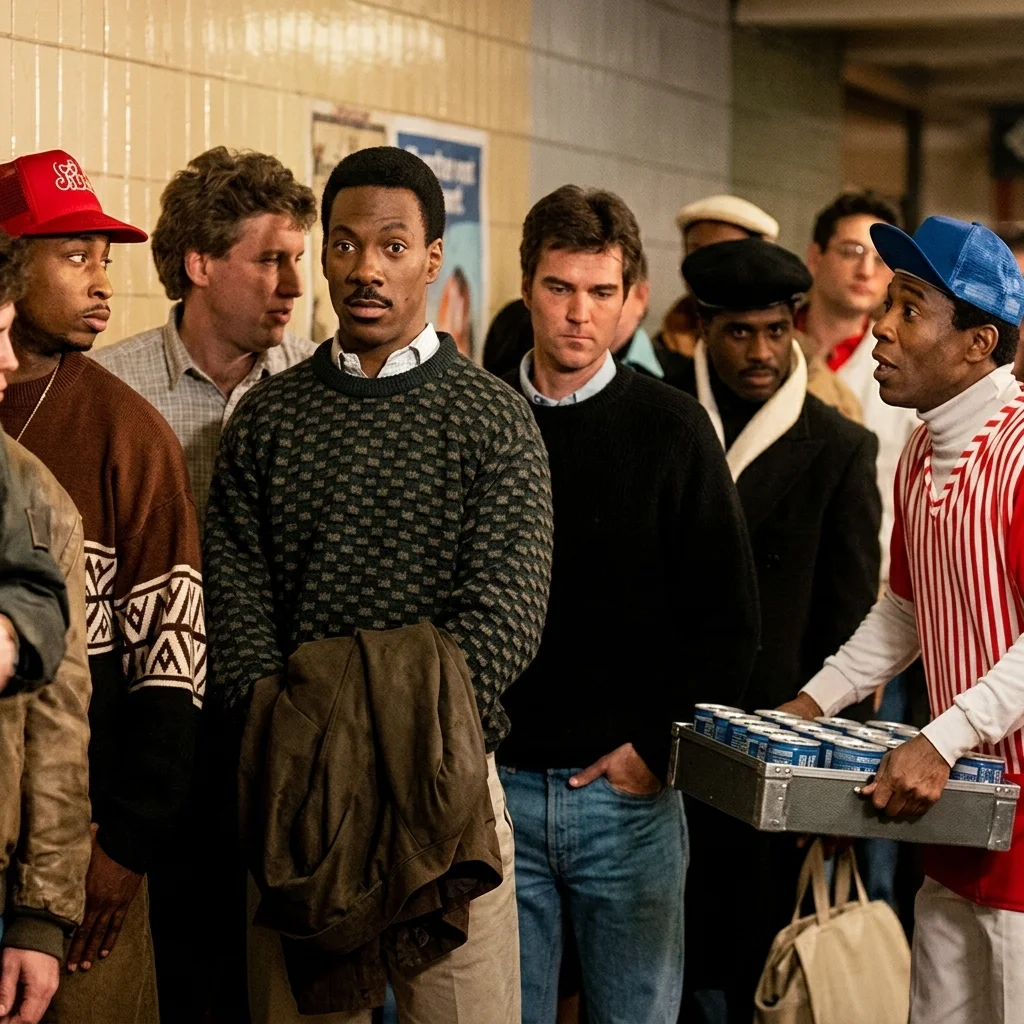
Think about that timeline. Most performers spend their twenties learning how to command a camera. Murphy had already saved a national institution before he could legally drink in some states. The speed was the first sign of what he was: not a comedian who got good, but a natural force who arrived essentially complete.
He Built the Template Everyone Else Uses
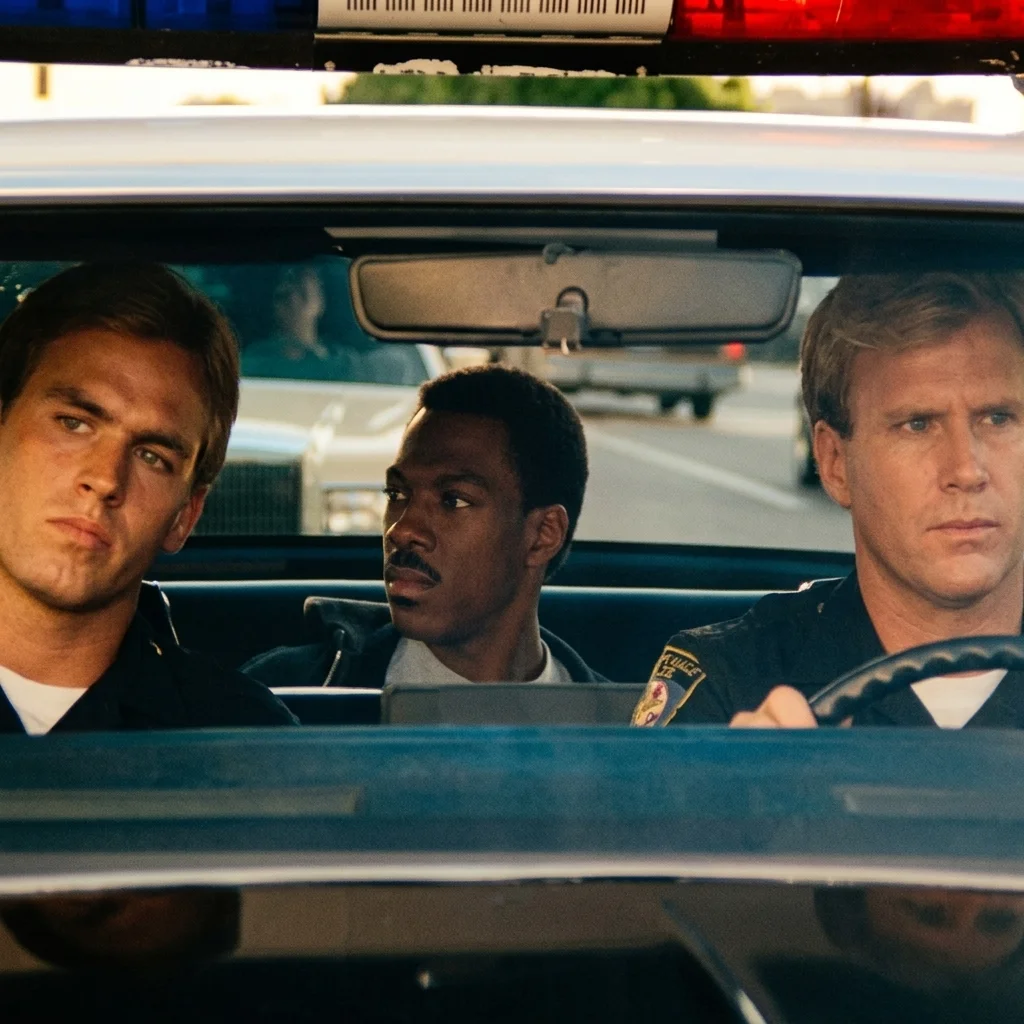
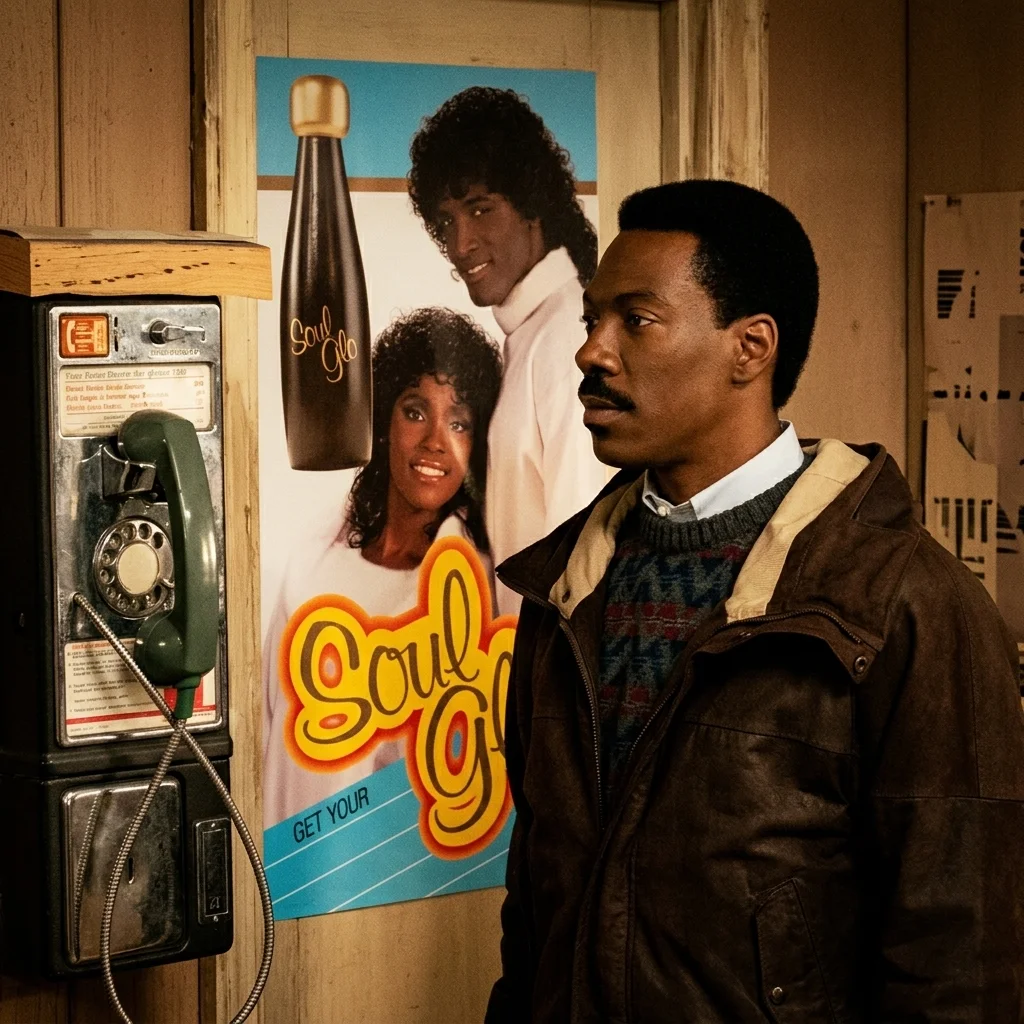
What happened next reshaped the movie business. 48 Hrs. in 1982, Trading Places in 1983, and then Beverly Hills Cop in 1984, which turned a fourteen-million-dollar film into a worldwide phenomenon north of three hundred million. Axel Foley made Murphy an international movie star, and in doing so he created a blueprint that did not exist before him: the stand-up comedian as global box-office lead, carrying an action-comedy on pure charisma and timing.
That blueprint is now so standard we forget someone had to invent it. Every comedian who has headlined a studio film since — and the list runs through Chris Rock, Martin Lawrence, Kevin Hart, and beyond — is working inside a door Murphy kicked open. The peers who spoke at the tribute know this better than any critic does. More than one of them has said, in plainer words than I could, that Murphy made their entire path possible. He proved a working-class Black comedian could build a fortune at the top of Hollywood without sanding down a single edge of his own voice.
The Range We Refused to See
Here is where the underrating really happened. Because Murphy made it look so easy, audiences and the Academy alike spent years treating him as a pure entertainer rather than an actor, and that was a failure of attention, not of his ability.
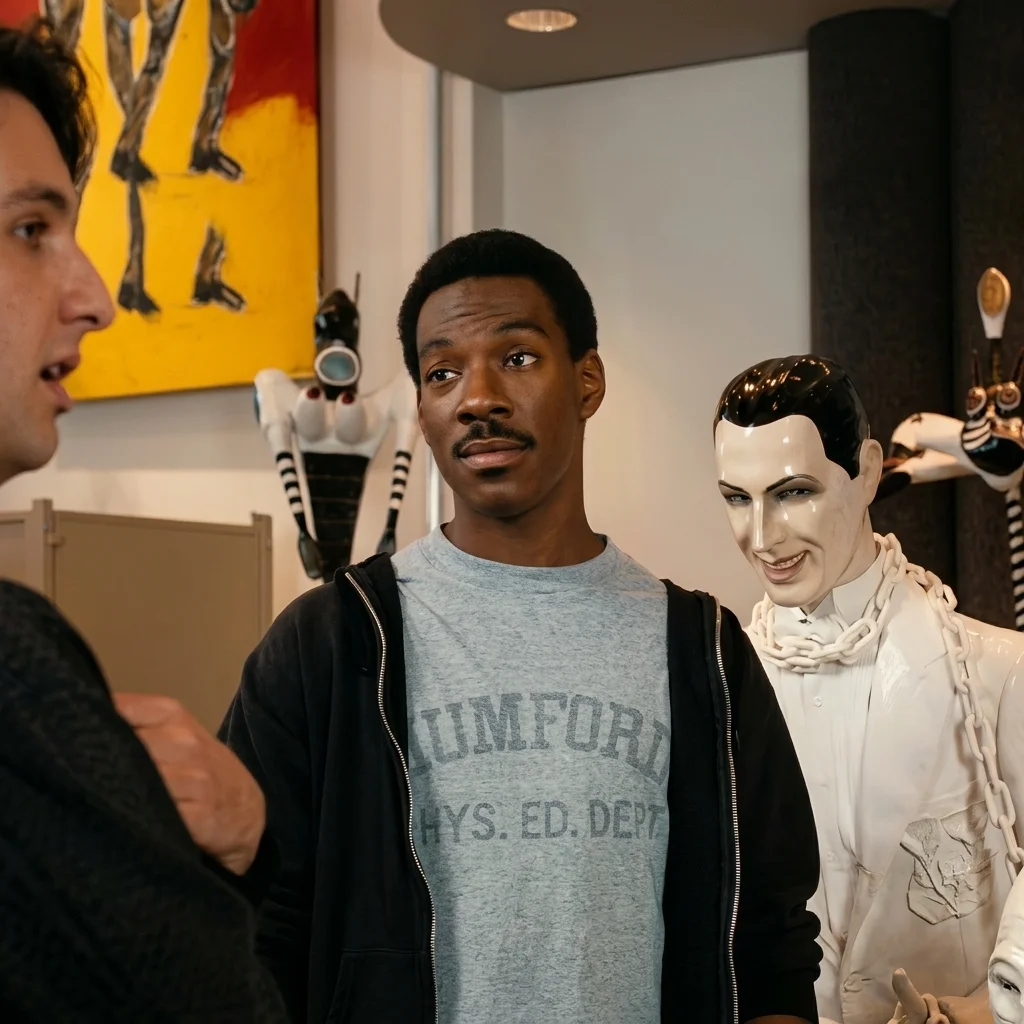
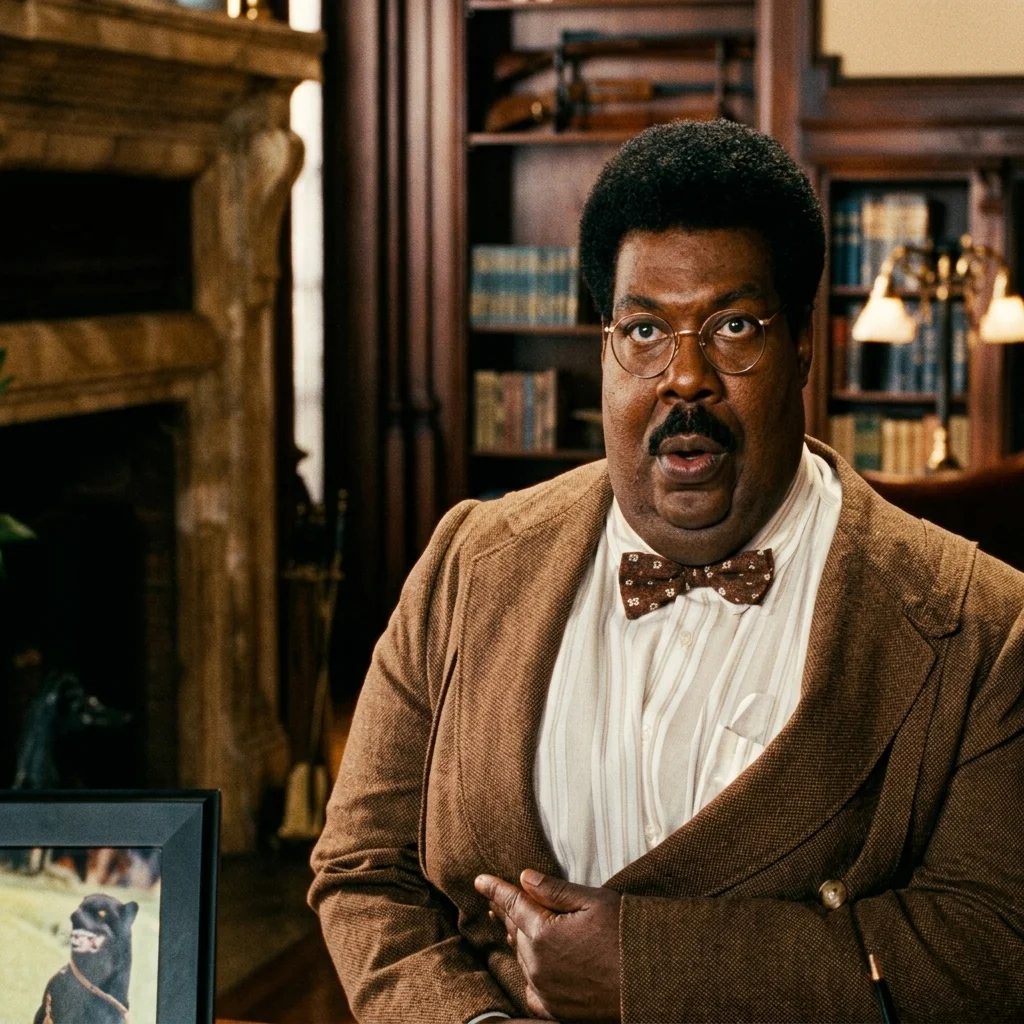
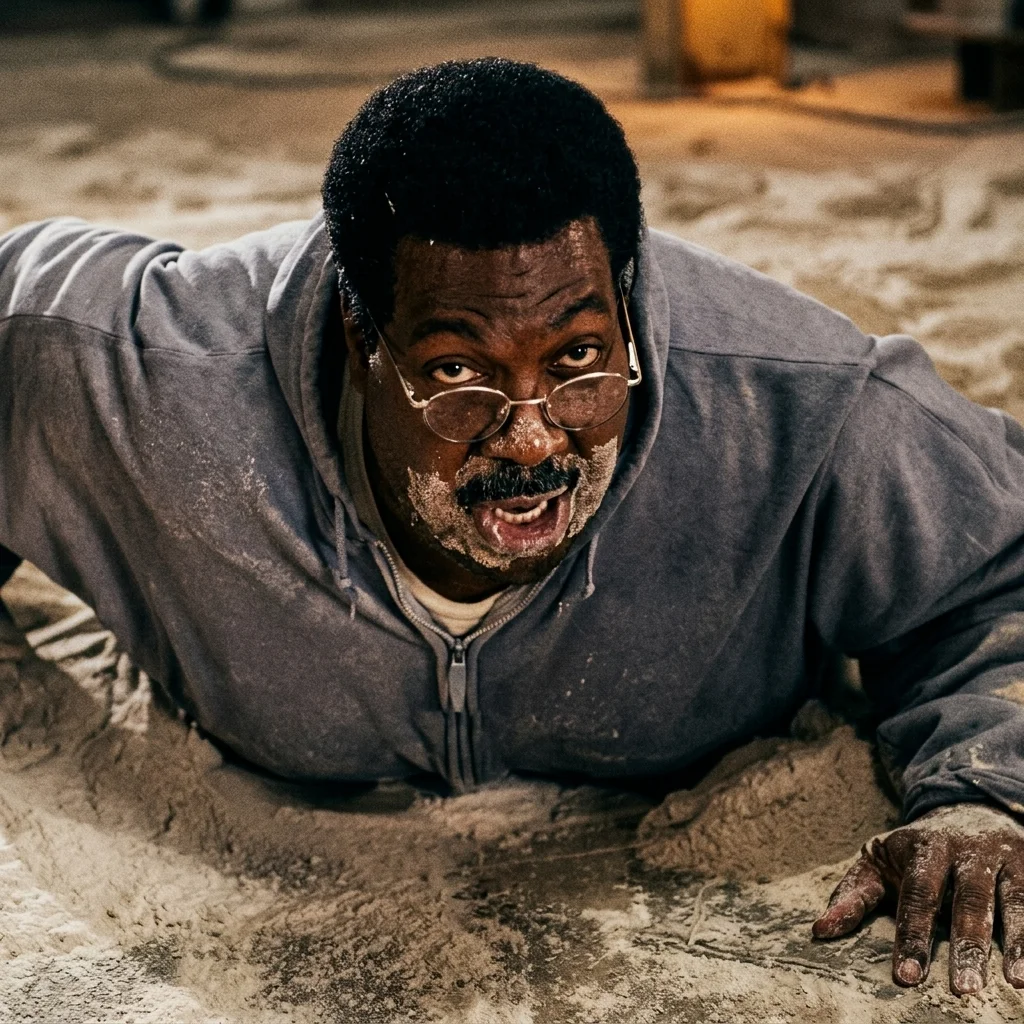
The evidence was always there. In The Nutty Professor he played something like seven roles in a single film, slipping between the gentle, wounded Sherman Klump and the toxic strut of Buddy Love with a control that genuinely belongs in a conversation about the best comic acting America has produced. He gave Donkey in Shrek a warmth and rhythm that turned a sidekick into the soul of a franchise. He finally got an Oscar nomination for Dreamgirls in 2006, playing a soul singer collapsing in slow motion, and the performance proved he could break your heart as easily as he could make you laugh.
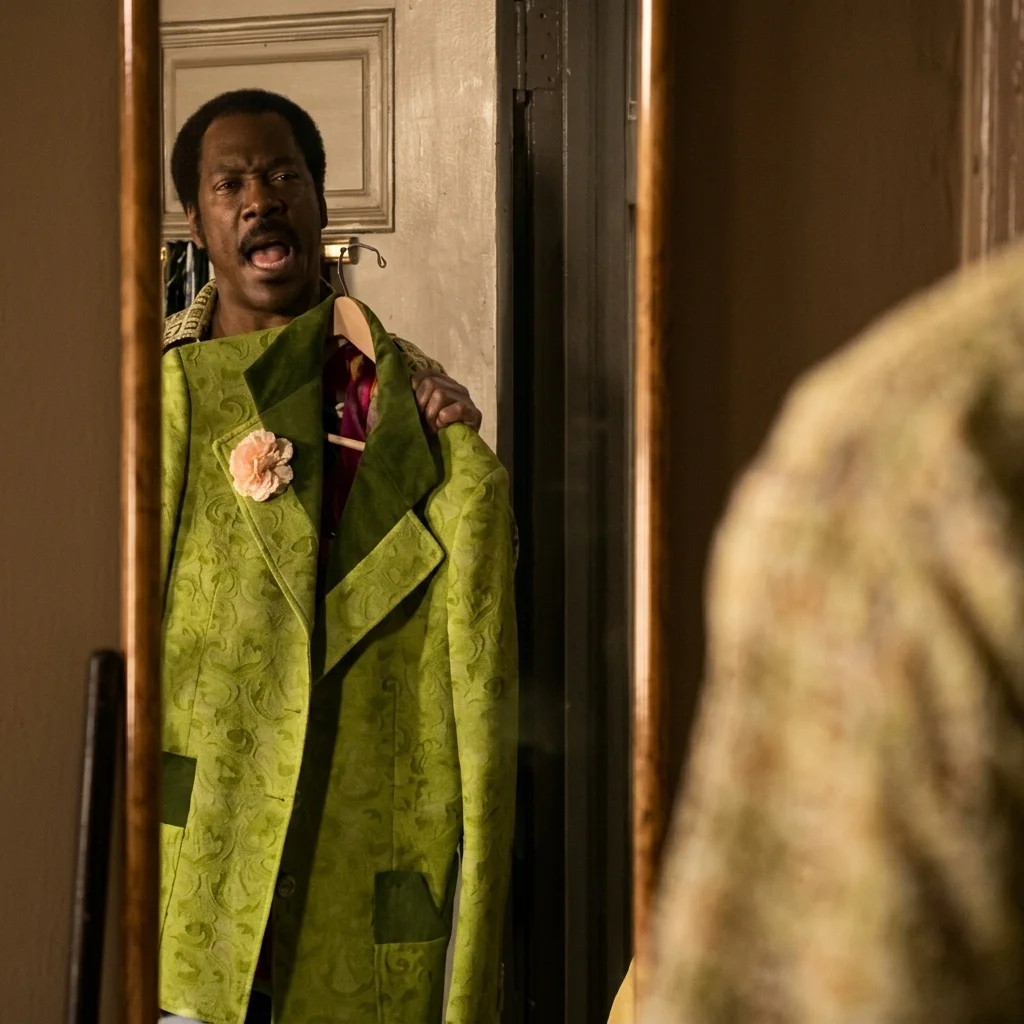
Then, after a long stretch in the wilderness of forgettable studio comedies, he did the hardest thing a star can do. He reminded everyone. Dolemite Is My Name in 2019 was his best, most personal work in decades — a film about a forgotten performer clawing his way back, played by a man who knew that story from the inside. It earned him a Golden Globe nomination and felt less like a comeback than a correction.
Why the Tribute Matters Now
An AFI Life Achievement Award is supposed to arrive when a career has become undeniable, and Murphy’s passed that point long ago. What makes this one land is the gap it closes. For most of his run, Murphy was the most commercially successful Black actor in film history and a top-five box-office draw overall, and yet the prestige machinery that hands out the serious honors kept treating him as if pure popularity disqualified him from being taken seriously.
The tribute is the industry quietly admitting it had that backwards. The room full of comedians wasn’t just celebrating a funny man. It was acknowledging a founder — the person who showed an entire generation what was possible and then, almost as an afterthought, kept proving he was a deeper artist than his own legend allowed.
Watch the special for the warmth, for Chappelle and Rock and the rest paying a debt in public. But watch it, too, as an argument. Eddie Murphy was never just the funniest person in the room. He was usually the most important one, and it only took the culture about forty years to say so.