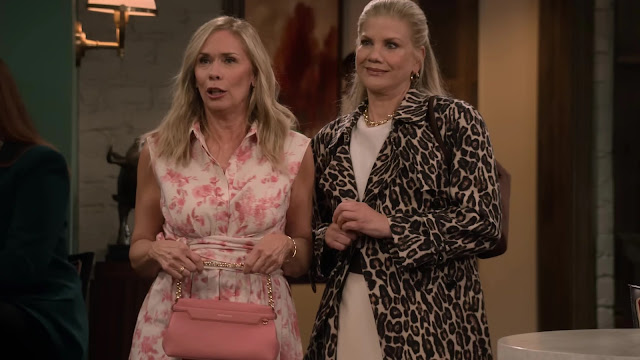
Chuck Lorre flew to Knoxville, sat on a back porch, held a stranger’s grandbaby, and asked her if she wanted to make a television show. The stranger was Leanne Morgan, a stand-up comic in her fifties who had been told for twenty-five years that she was not edgy enough and too plain. Netflix heard about the visit and called Lorre before there was anything to call about. Then it ordered sixteen episodes, which Variety described as unprecedented for the company. Season 2 arrived on August 27 with ten. Those two numbers tell you more about this show than any review of it does, mine included.
The Road That Closed
One thing first, because people keep asking it. The divorce is invented. Morgan’s character is left by a husband of thirty-three years who breaks the news by email, and Morgan herself has been married to Chuck Morgan for more than three decades. The split was Lorre’s idea. What she brought from her own life is smaller and truer: menopause, grown children, parents who need looking after.
The path Morgan took to a sitcom used to be a highway. Roseanne Barr, Jerry Seinfeld, Tim Allen, Drew Carey, Martin Lawrence, Ray Romano. A comic worked clubs for years, a network built a family around the act, and the act became a show with the comic’s name on it. Lorre knows the road better than anyone alive, because he wrote on Roseanne and Grace Under Fire at the start of his career. Then the road closed. Networks stopped ordering that shape, and for roughly two decades the stand-up who wanted a sitcom mostly got a development deal that died in a drawer. Morgan had two of those, including one with the man who created Roseanne.
Netflix’s comedy head said out loud that this is a revival of how things worked back in the day, which is a strange sentence for a streaming executive to say about a business model. Shane Gillis got to the same destination by the opposite route, financing Tires himself and handing Netflix a finished show to buy. Morgan got the old deal, the front-loaded one, where somebody with money decides first and the work follows.
What Sixteen Episodes Buys
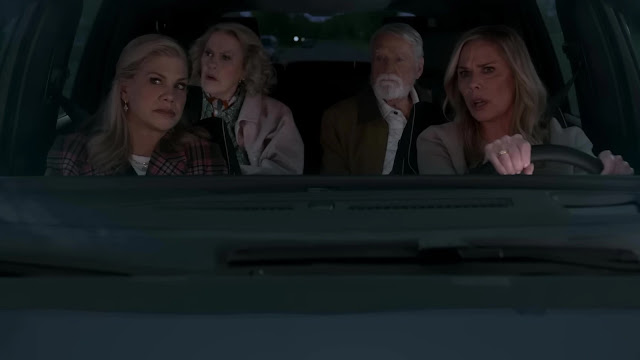
Sixteen is not a streaming number. Netflix comedies usually get eight or ten, and the reason is obvious once you say it: a short order lets the company look at the data and walk away cheaply. Sixteen removes that exit. It’s a network number, produced by a network company, Warner Bros. Television, shot multicam on a lot in Burbank.
What that buys is permission to be mediocre for a while. Several reviews of Season 1 said the show starts slowly, and the 71 percent on Rotten Tomatoes and 62 on Metacritic are the numbers of a series that people liked without being amazed. Under the old system that’s fine, because episode nine is where a cast stops imitating chemistry and starts having it. Under the usual streaming order, episode nine doesn’t exist. I think that’s the actual argument this show is making, and it’s making it with its running order rather than its jokes.
And Then Ten
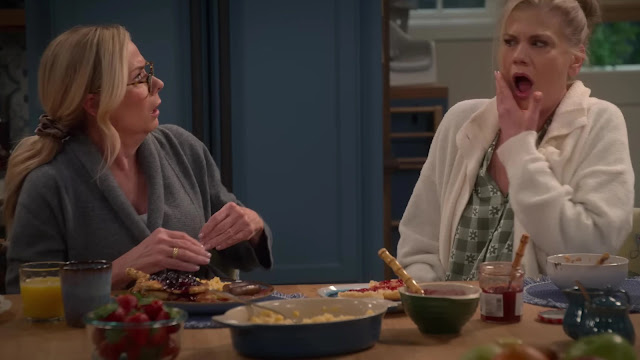
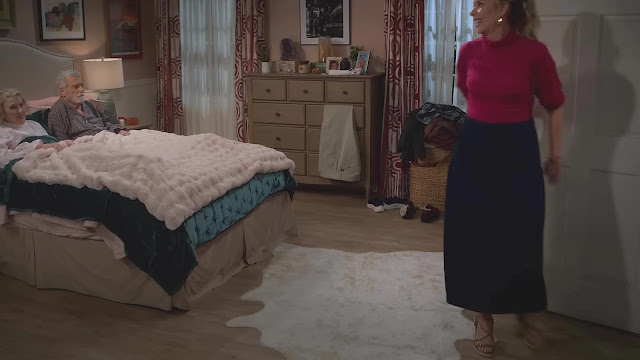
Season 2 came back at ten episodes. Nobody framed it as a cut and it isn’t a punishment, since the show was renewed within about six weeks of premiering. But ten is the house number, and the house always wins the second negotiation. The premise this time is that Leanne’s parents lose their house to a fire and move in with her, which is the most 1993 sitcom sentence I have read this year and I mean that warmly.
Kevin Hart spent a whole movie last month working out what a comedian owes the people coming up behind him. Morgan’s situation is the reverse and rarer. She is the one arriving, at sixty, into a format that was supposed to be closed, with a career built entirely on people who booked her because she was funny at their jewelry parties.
The Season Nobody Reviewed
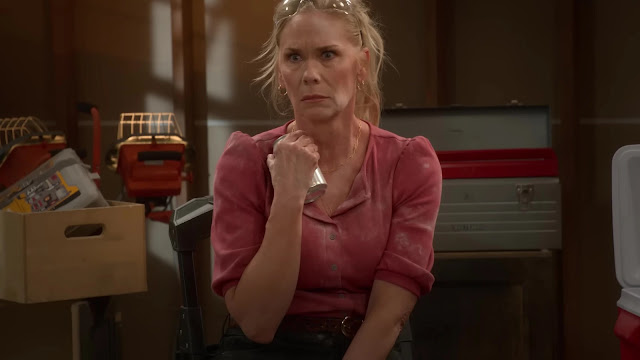
As I write this, Season 2 sits in the Netflix top ten in the United States and Rotten Tomatoes lists one professional review of it. One. The audience page is busy and the critics’ page is a single entry from Decider calling it a funny, warm traditional multicam, which is accurate and is also the entire critical record.
That gap is not a scandal, it’s just a measurement. The people who write about television and the people who watch a Tennessee grandmother make jokes about her mother moving in are not the same population, and Netflix has known that for a while. It’s the reason a comedy nobody is arguing about can still get a sixteen-episode order and a second season inside six weeks.
Morgan turned sixty in October of her first season. She did not know what camera blocking was when she started, and she has said the first three weeks overwhelmed her because she was in every scene of every script. Jerry Seinfeld, who came up the same road forty years ahead of her, told her the set would start to feel like home. What I keep picturing is the earlier version of her, doing a bit about her kids in somebody’s living room with the jewelry laid out on the coffee table, and the woman who booked her deciding on the spot that other people should hear this.