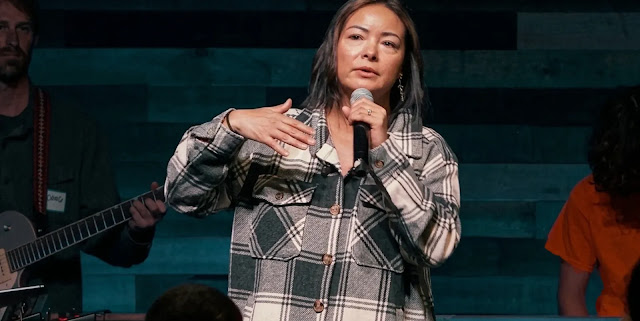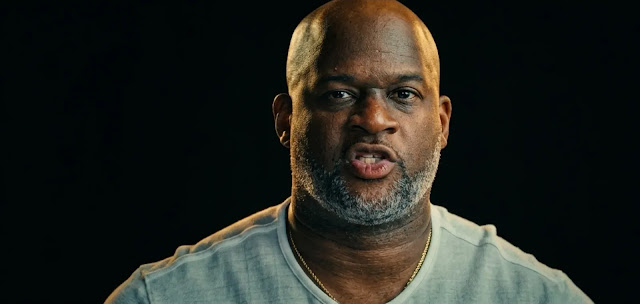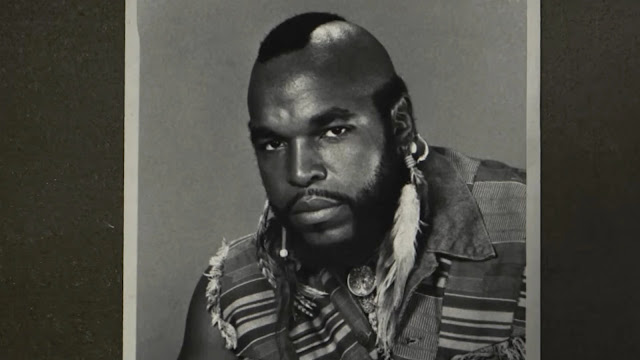
Mr. T’s pastor sat for two days of interviews. About thirty seconds of that ended up in the finished film.
That number comes from Mr. T. He was telling reporters it was garbage before it had even come out. Untold Mr. T: I Pity The Fool arrived on September 8, runs forty-eight minutes, and went into the Netflix top ten in the US anyway.
So is it worth watching? Yes, if you want a fast, well-made highlight reel about a man who invented his own name, his own hair, and his own jewelry. No, if you want the film the title promises. The pastor is the reason for the gap between those two answers.
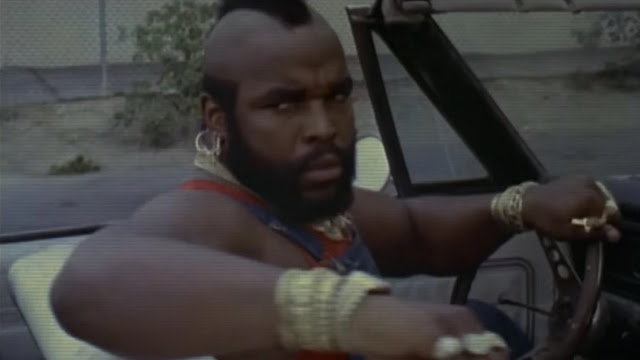
The Name, the Chains, the Hair
The first half is the good half, because he made most of it himself.
He was born Laurence Tureaud in 1952, one of twelve children in a three-room apartment in the Robert Taylor Homes on the South Side of Chicago. In 1970, at eighteen, he had his name legally changed. It was not a gimmick. He had watched white men call his father, a preacher, “boy,” and do the same to his brother when he came back from Vietnam. “I self-ordained myself Mr. T,” he has said, “so the first word out of everybody’s mouth would be ‘Mr.'”
The gold chains have a better story than most people know, and the film tells it. He was working the door at a Chicago club called Dingbats. Customers lost jewelry in fights or left it behind, and once he had thrown them out they could not come back in to look for it. So he wore it, all of it, where they could see it. He was a walking lost and found.
The mohawk came out of a magazine. He saw a photograph of a Mandinka warrior in National Geographic and kept the shape.
Three decisions, all his, all made before anyone had heard of him. Then Sylvester Stallone saw him win a 1980 NBC special called America’s Toughest Bouncer and cast him as Clubber Lang in Rocky III. Everything famous about Mr. T was already finished by the time Hollywood found it.
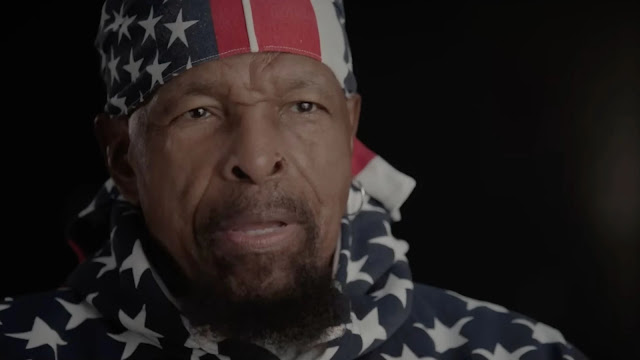
Two Days, Thirty Seconds
His complaint starts to make sense once you look at the edit rather than the running time.
Speaking to the Guardian days before release, he said the film cut Reverend Henry Hardy, his pastor, from two days of tape down to roughly half a minute. He said what he wanted in its place. “Why don’t you show Mr. T working with the Make-A-Wish kids? Why don’t you show Mr. T being in the army?” He wanted the church, the shelters, the military police work he did in the seventies. “Wow man,” he said, “I’m more than that.”
He also named someone he did not want in it. Peter Young, a former agent, appears in the film criticizing his career choices, including a 1993 comedy called Freaked. Mr. T says the production was told to leave him out. He says Young put his name on contracts without asking, and that they sued him over it. Young, asked to respond, said: “Please give Mr. T my best, and let him know I forgive him.”
I think he is wrong about half of that. A documentary that only included people who agreed with its subject would not be a documentary, and Young calling a bad career move a bad career move is fair game. The pastor is different. Two days of tape reduced to thirty seconds is not an argument the film is having with him. It is a decision about what kind of film this is.
The series can do it the other way. Untold: The Testimony of Vince Young, from last month, is built almost entirely out of one man answering for himself, which is the exact thing Mr. T says he was not given.
And the two decisions here point the same direction. Cut the man who has known him for decades, keep the man who fell out with him. That is a film that wanted an argument.
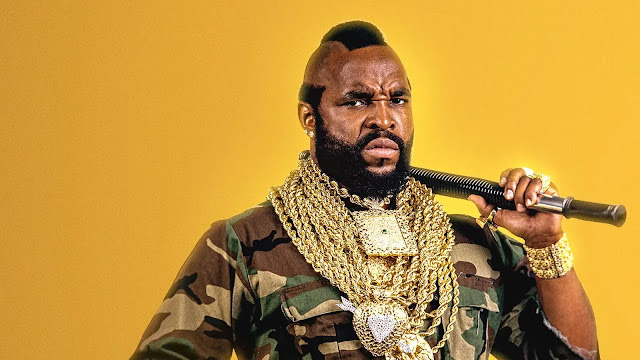
The Critics Are Complaining About the Wrong Thing
Reviews have been decent and nearly unanimous on the problem. Forty-eight minutes is not enough for seventy-four years.
That is true, and it is the easy answer. Length is a budget. What Mr. T is describing is a choice. Forty-eight minutes with a different thirty seconds in it would be the same length and a different film.
What this one is built to do is explain the icon. Name, chains, mohawk, catchphrase, Rocky III, The A-Team, the first WrestleMania in 1985. On that job it is quick, clear, and fun. What it is not built to do is account for the forty years after. His cancer makes it in, a T-cell lymphoma diagnosed in 1995 and in remission since 2001, because illness fits a story about a tough man. The church work does not fit, so it goes. I finished it liking him more and knowing him about as well as I did going in, which for a documentary is a strange place to land.
A short version written by somebody else is hard to shake. Those Who Wish Me Dead has spent more than two weeks near the top of the same Netflix chart after being written off on its opening weekend in 2021, and the reason is the same. Somebody wrote the short version early, and the short version stuck.
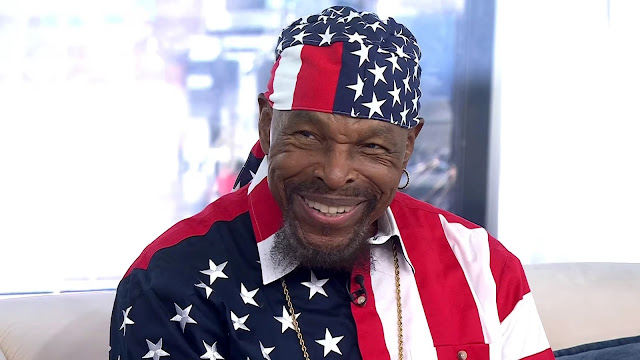
He is seventy-four and has not acted in years. When his documentary arrived, he was already on the phone with reporters, listing what was missing. The film’s strongest stretch is about an eighteen-year-old who had his name legally changed so that strangers would have to say “Mr.” before anything else. Fifty-six years later he is still editing.