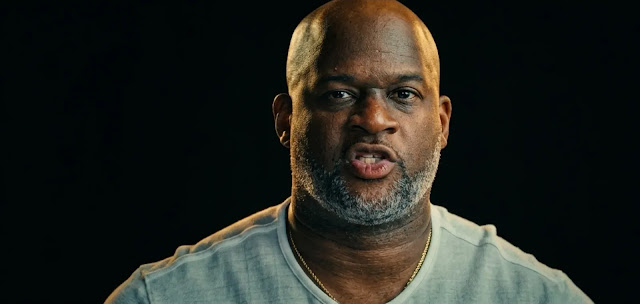
For one night in January 2006, Vince Young was the best football player alive. Texas trailed USC by five in the Rose Bowl with the national title on the line, and with nineteen seconds left Young ran it in himself, eight yards, nobody able to lay a hand on him. He finished that night with 467 total yards, a performance people still argue is the best anyone has produced on a college football field. At twenty-two, carrying an entire program on his back, he looked for that one night like a man who would never lose anything again. Then the clock hit zero, and other people took over the telling of his story.
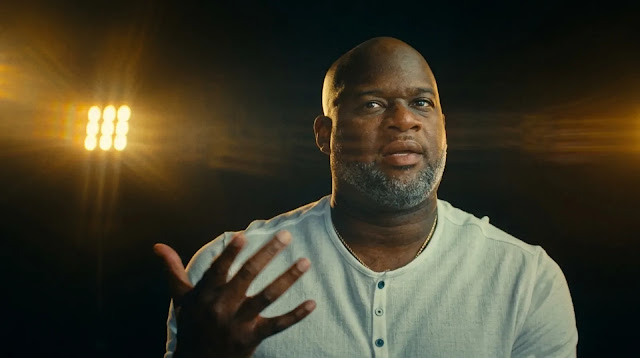
Untold: The Testimony of Vince Young, the newest film in Netflix’s sports documentary series, is built entirely around that handover. The title is doing real work. For twenty years Young’s career has been explained by everyone but Young: the analysts who leaked a Wonderlic score of six and used it to decide a national champion was not smart enough, the coach who benched him, the reporters who filed a bankruptcy under the word bust. His old Texas coach Mack Brown turns up here, and so does Matt Leinart, the USC quarterback he beat in the Rose Bowl, though this time they are witnesses inside Young’s account rather than the authors of it. Director John Henion hands him seventy-eight minutes and, for once, gets out of the way, letting him say it back in his own voice.
The Story Everyone Else Wrote
It helps to remember what he actually was. Young was a running quarterback who won a national championship with his legs at a moment when the NFL still wanted its passers rooted in the pocket. The league drafted the highlight and then seemed unsure what to do with the human being attached to it, and the kind of quarterback he already was would not become fashionable for another decade. A fair amount of what got filed under his name as failure reads now like a category error, a player judged against a template he was busy making obsolete.
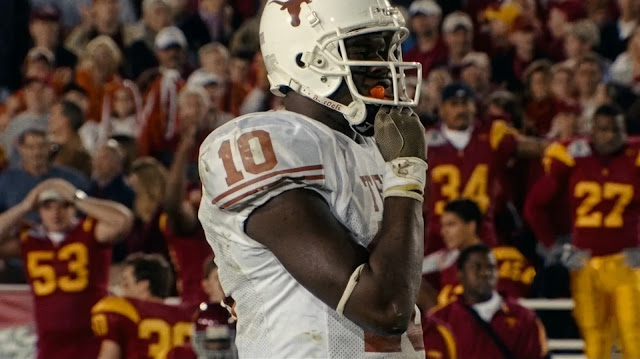
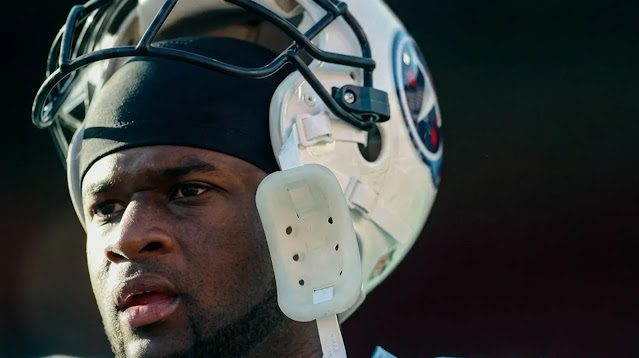
The unraveling in Tennessee is where the film finds its antagonist. Young clashed with head coach Jeff Fisher, and Fisher sits for an interview here that becomes the documentary’s understated indictment. He looks bored by the questions, unwilling to grant even a sliver of responsibility for how the run ended, and watching him you understand how a young quarterback might have felt the building was rooting against him. By 2014 Young was out of the league, three teams and a handful of injuries later, the rookie award already a relic.
The money went the same way, and here the documentary is more precise than the headlines ever bothered to be. Young filed for Chapter 11 in 2014, and the debt traced back to a 1.8 million dollar loan taken during the 2011 lockout. Sports Illustrated had already reconstructed the mechanics, the way Freefall: A Reckoning for Boeing reconstructed how a safety culture rotted one ordinary decision at a time. An advisor and a relative ran the accounts, the player trusted them and never looked closely, and a work stoppage shut off the paychecks while the spending kept moving at full speed. People kept repeating the word broke. The actual machinery was ordinary, and that is somehow the harder thing to sit with.
What the Testimony Changes
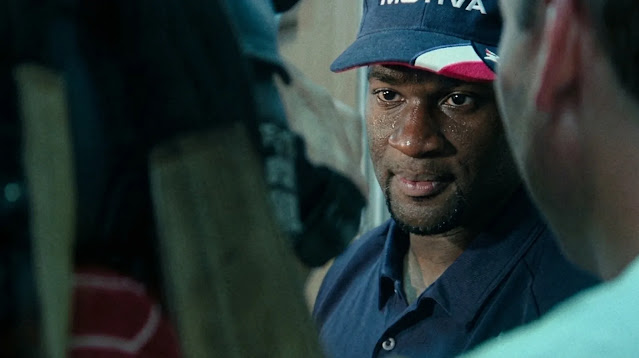
What the film adds is not new information so much as a narrator. Young talks about the anxiety and the rehab and the accountability with no therapist on hand to fold it into a lesson. He does not ask to be forgiven, and he does not perform being healed. When he describes the years after football, there is no arc bending obligingly toward peace, only a man who has finally learned to name what happened to him and is still carrying most of the weight of it.
That refusal is the most honest thing about it. Plenty of sports documentaries, Netflix’s own included, hit a redemption beat right on cue. This one is more interested in showing how the damage actually accumulated than in promising it has been repaired. It leaves the wound open, the way The Idaho Murders declined to stitch its own shut for the audience’s comfort, and lets the discomfort stand.
The Rose Bowl is still there at the center of everything, the brightest thing he ever did and the yardstick every later year gets measured against. Untold cannot hand him a second one, and to its credit it does not try. It just gives him the microphone, twenty years late, and lets him describe the shadow of his own best night. There is something bracing about watching a man decline the tidy ending everyone would happily hand him. He is not at peace with any of it, and the film is honest enough to leave him there.