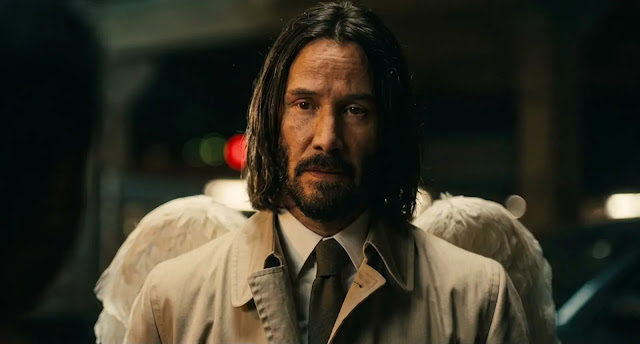
Keanu Reeves spends most of Good Fortune wearing the blank, patient look of a man who has read the instructions and understood none of them. He plays Gabriel, a low-ranking guardian angel who sets out to fix one struggling life and manages to break several. It is the loosest, funniest thing he has done in years, and it lands because he gives the angel no vanity at all. Just a job he is bad at and an honest wish to do it well.
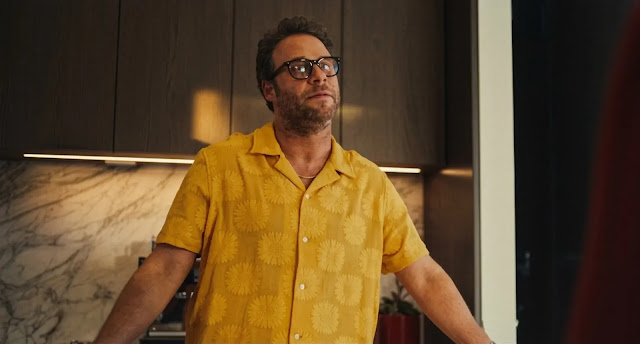
The struggling life belongs to Arj, played by writer and director Aziz Ansari. He is a college-educated film editor who now stitches together round-the-clock freelance gigs and still cannot cover rent in Los Angeles. Gabriel, sure that money is not the source of Arj’s misery, swaps his life with Jeff, a cheerfully oblivious venture capitalist played by Seth Rogen. The lesson is supposed to be that wealth fixes nothing. Arj takes one look at his new bank balance and reports, happily, that wealth fixes quite a lot.
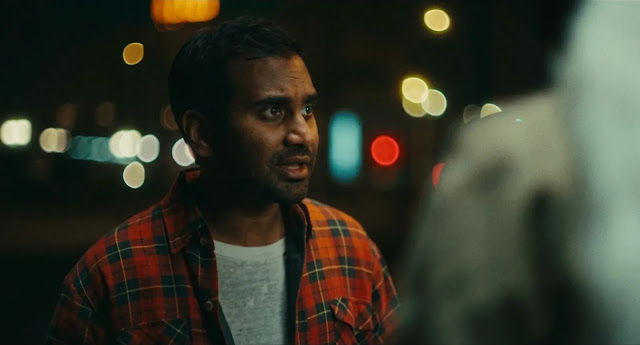
The machinery is deliberately old-fashioned. A meddling angel, a Freaky Friday swap, a rich man and a poor man made to see the world through each other’s eyes. Ansari is reviving the kind of studio comedy that used to smuggle a moral in under the jokes, It’s a Wonderful Life with a rideshare app open on the dashboard. What he adds is the specific ache of the current version. A man with a degree and a real skill and no floor beneath him, working every waking hour and landing nowhere, watching an algorithm decide what his time is worth today.
That joke is sharper than it sounds, and the reason has to do with the man telling it. Good Fortune is Ansari’s first feature, but it is not the first feature he meant to make. That one was Being Mortal, a drama he had already shot more than halfway with Bill Murray, until misconduct allegations against Murray shut the production down in 2022. Searchlight let him shop the footage around, and no one bit. His real debut simply vanished.
So a filmmaker who lost his own first chance made his actual debut about a man handed a second one. You can feel that knowledge pressing on the film. When critics say the money-cannot-save-you message comes easy to well-paid Hollywood stars, they have a fair point, and the movie half-knows it. But Good Fortune does not really think money is the villain. It believes in do-overs, and it believes in them the way a person believes in something he has personally been denied.
The ending earns that faith without pretending the world gets fixed. Arj chooses to give Jeff his life back and wakes up inside his own struggle again. Only now he starts a documentary about the gig workers he used to be too tired to see, and lets Elena back in on honest terms. Jeff carries his short tour through poverty into the boardroom and begins pushing for higher pay. Gabriel loses his wings and becomes human, which turns out to be the only way he was ever going to understand people.
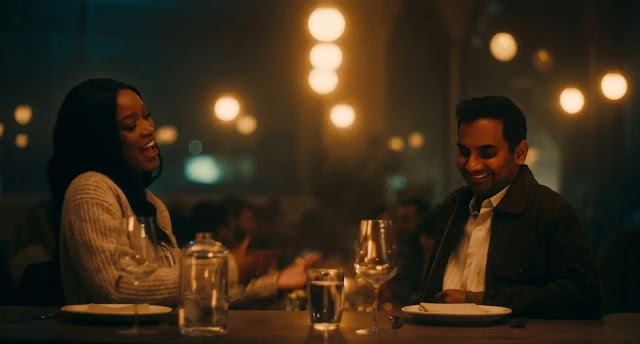
None of this is daring. Good Fortune plays it safe, tidies its corners, and heads straight for the warm resolution you can see coming from the first act. I did not mind. It sits in the same gentle lane as last month’s Little Brother, another comedy the reviews met with a shrug while audiences kept it on anyway, and like that film it cares about decency first and cleverness second. The writing is thoughtful, the cast is loose, and Sandra Oh turns up as Gabriel’s exasperated supervisor to remind you the bureaucracy of heaven is still a bureaucracy.
What holds it together is Reeves. He plays Gabriel as someone who means well and keeps getting it wrong, which is also a fair account of how most good things actually get made. Even the celestial paperwork comes out in the same flat, sincere deadpan he once brought to a phone booth full of time travel, and it reads as genuine kindness rather than a comic bit. Jeff, the tech-bro villain-shaped role, turns out too dim to be cruel, closer to Shane Gillis in Tires than to a Bond henchman, a man failing upward and vaguely aware of it. The movie likes all of these people, and it wants them a little better by the time the credits roll. That is less a demand than a wish.
Ansari set out to make one movie, lost it, and made this one instead. For a gentle comedy about wishing your circumstances were different, that might be the best kind of good fortune there is. The kind you did not plan, and only recognized once it had already arrived.