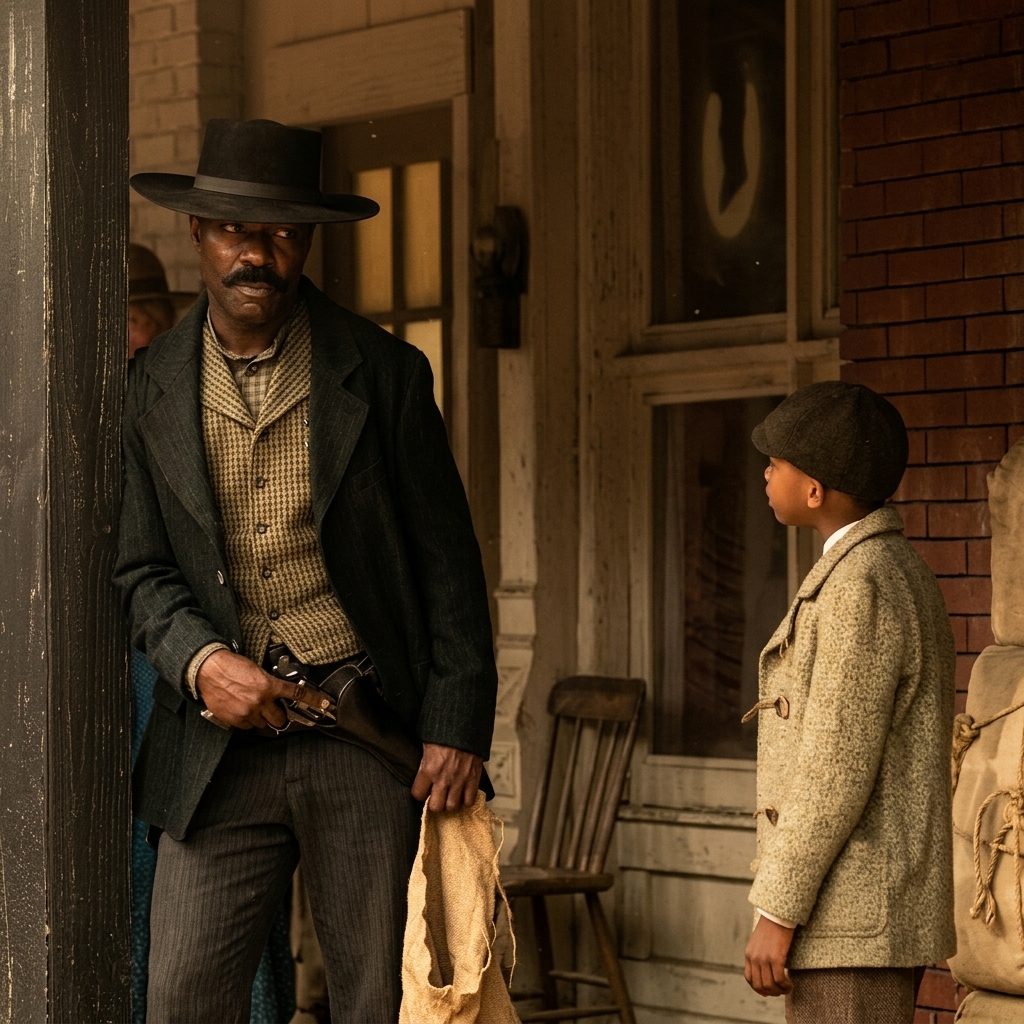
Here is a true story that sounds invented. A man is born into slavery in Arkansas. His owner drags him into the Civil War to fight for the Confederacy, and somewhere in that nightmare he escapes — the legend says he beat the man over a card game and ran. He disappears into Indian Territory for years, learning the land and its languages. And then, after emancipation, he pins on a federal badge and becomes one of the first Black Deputy U.S. Marshals west of the Mississippi, going on to arrest more than three thousand of the most dangerous men on the frontier without ever taking a bullet.
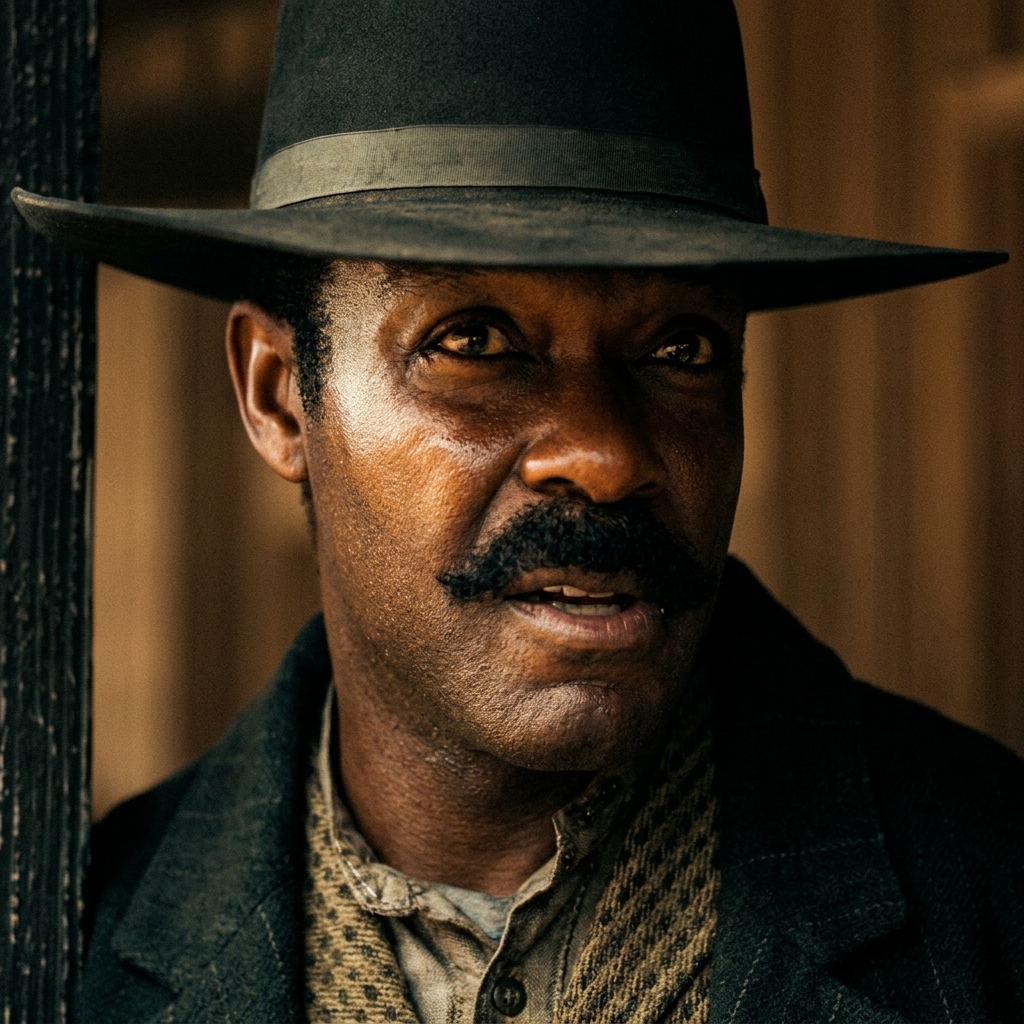
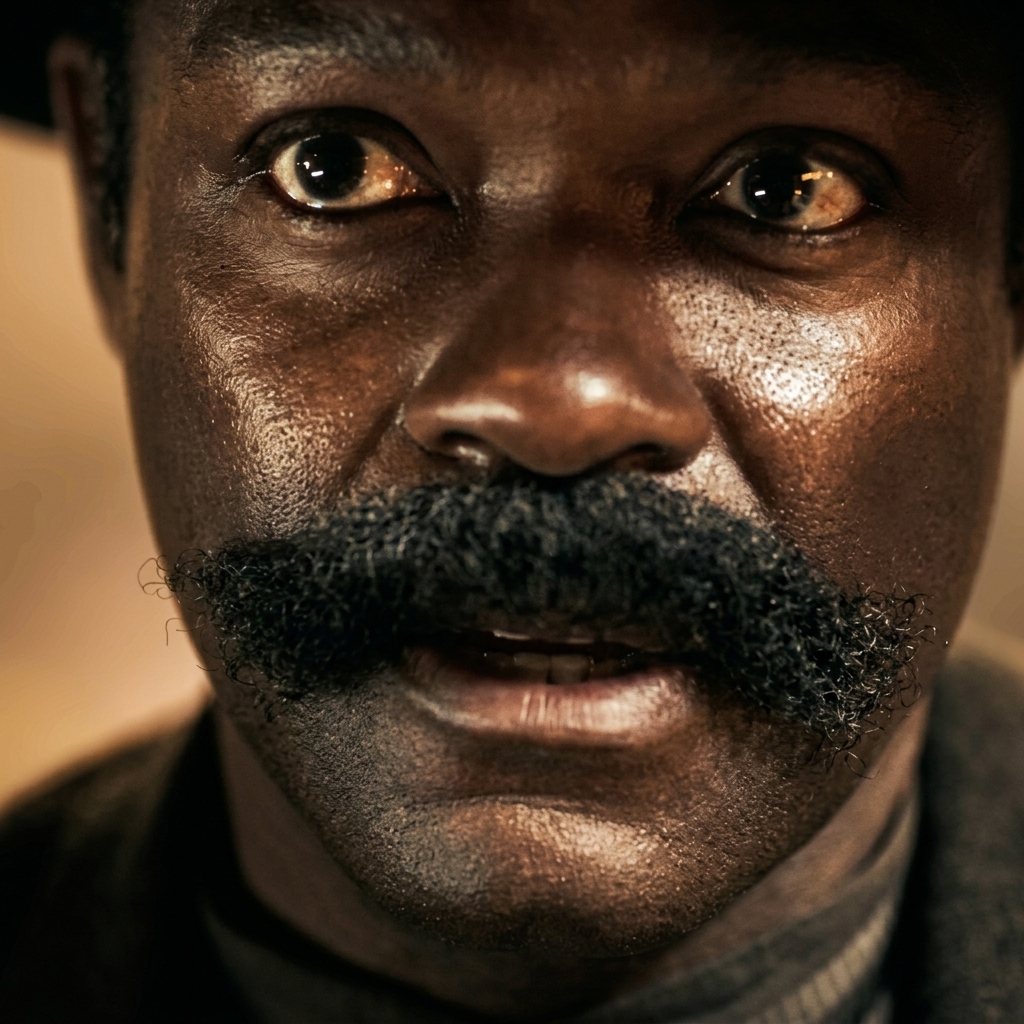
That man was Bass Reeves. He was, by almost any measure, the most effective lawman of the American West, and for a century American pop culture acted as though he never existed. Lawmen: Bass Reeves, which has just found a large new audience climbing the Netflix charts after its original 2023 run, finally puts him at the center of the frame. David Oyelowo plays him, and Oyelowo is magnificent. The show around him is good. It should have been great.

The Story the Western Erased
To understand why this series matters, you have to sit with how strange its absence was. The Western is America’s founding myth, the genre the country told itself about who it was. For generations that myth was overwhelmingly white — the lone cowboy, the frontier sheriff, the gunslinger riding into a town that always seemed to have no Black residents at all. This was never history. It was editing. As many as one in four working cowboys was Black, and the most celebrated lawman of the era was a formerly enslaved man.
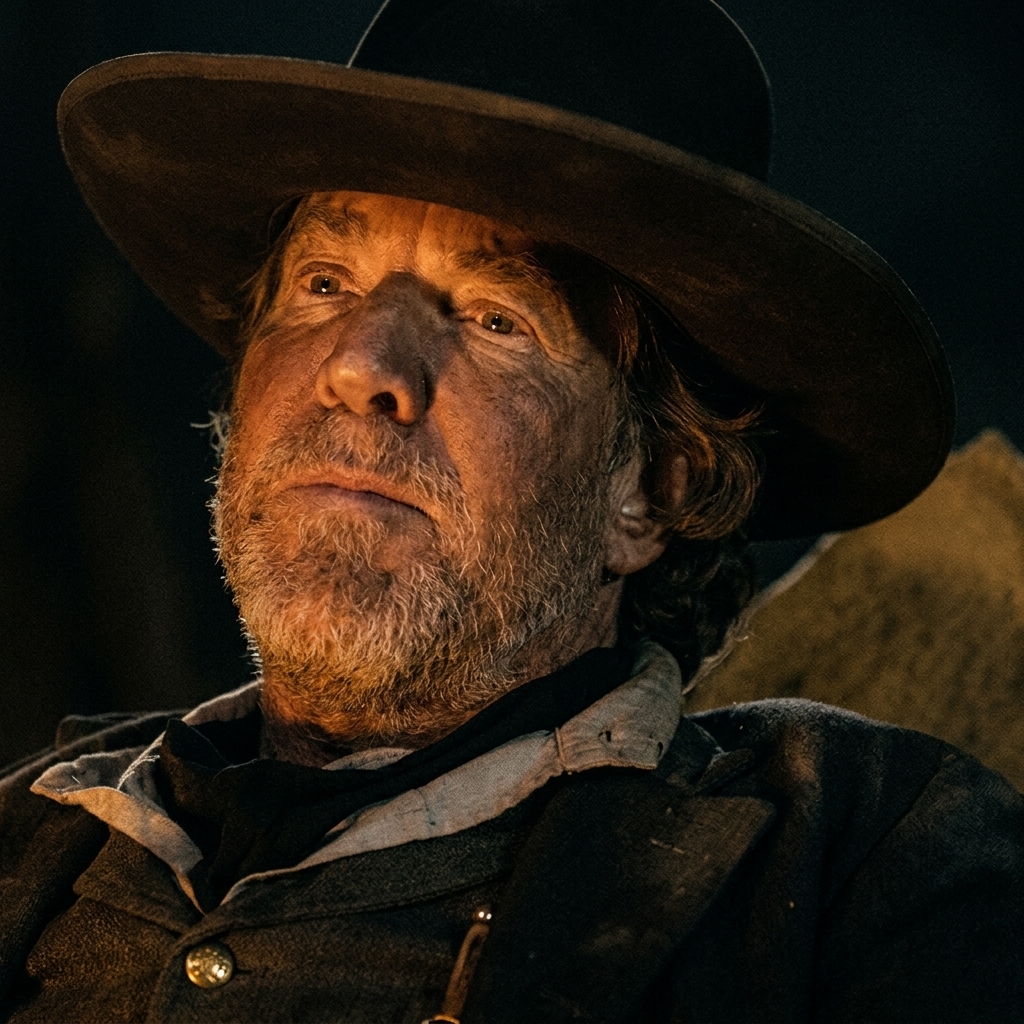
Reeves is not a footnote that needed dusting off. He is a figure who, had he been white, would have anchored fifty films by now. He would have been John Wayne. That a story this cinematic went untold for so long is its own quiet indictment of the genre, and simply restoring him to the screen is an act with real weight.

Oyelowo Carries It
David Oyelowo has been one of the most commanding actors alive for over a decade, and he plays Reeves with a stillness that suggests a man holding enormous force in reserve. His Reeves is principled to the point of pain, a deeply religious man trying to administer a just law inside a profoundly unjust country, and Oyelowo lets you feel every place where those two things grind against each other. There is a weariness in the performance that the writing doesn’t always earn but that Oyelowo supplies anyway, out of sheer presence.

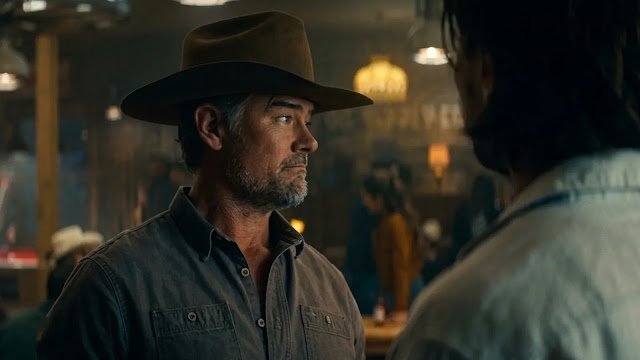
The supporting cast around him is loaded. Dennis Quaid chews scenery happily as a grizzled fellow marshal. Donald Sutherland, in one of his final roles, plays the notorious “Hanging Judge” Isaac Parker with a velvet menace. Lauren E. Banks, as Reeves’s wife Jennie, anchors the home he keeps risking his life to return to, and the series is at its best in the quiet scenes between them, where the cost of his work registers on someone who loves him.

Where It Pulls Its Punches
And yet. For a show handed one of the richest biographies in American history, Lawmen is oddly reluctant to grapple with what makes that biography extraordinary.
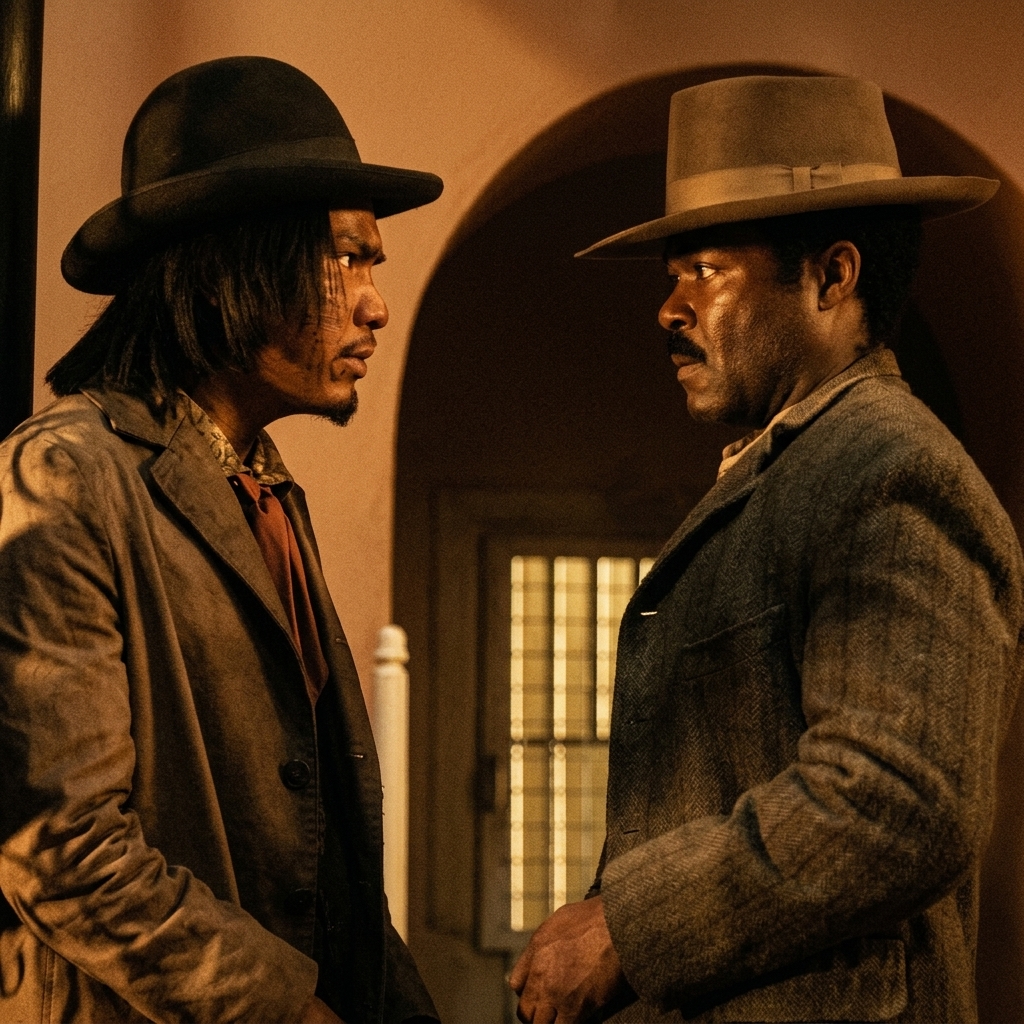
This is, recognizably, a Taylor Sheridan production — Sheridan executive produced, and the house style is all over it. The Sheridan Western runs on gruff men, frequent gunfire, and a certain comfort-food rhythm, and applied here that template flattens the very thing it should be exploring. The show keeps reaching for the next action beat when it should be sitting in the impossible position of its hero: a Black man enforcing the law of a government that, a few years earlier, considered him property. The contradictions in Reeves’s life are the story. The series treats them as background.
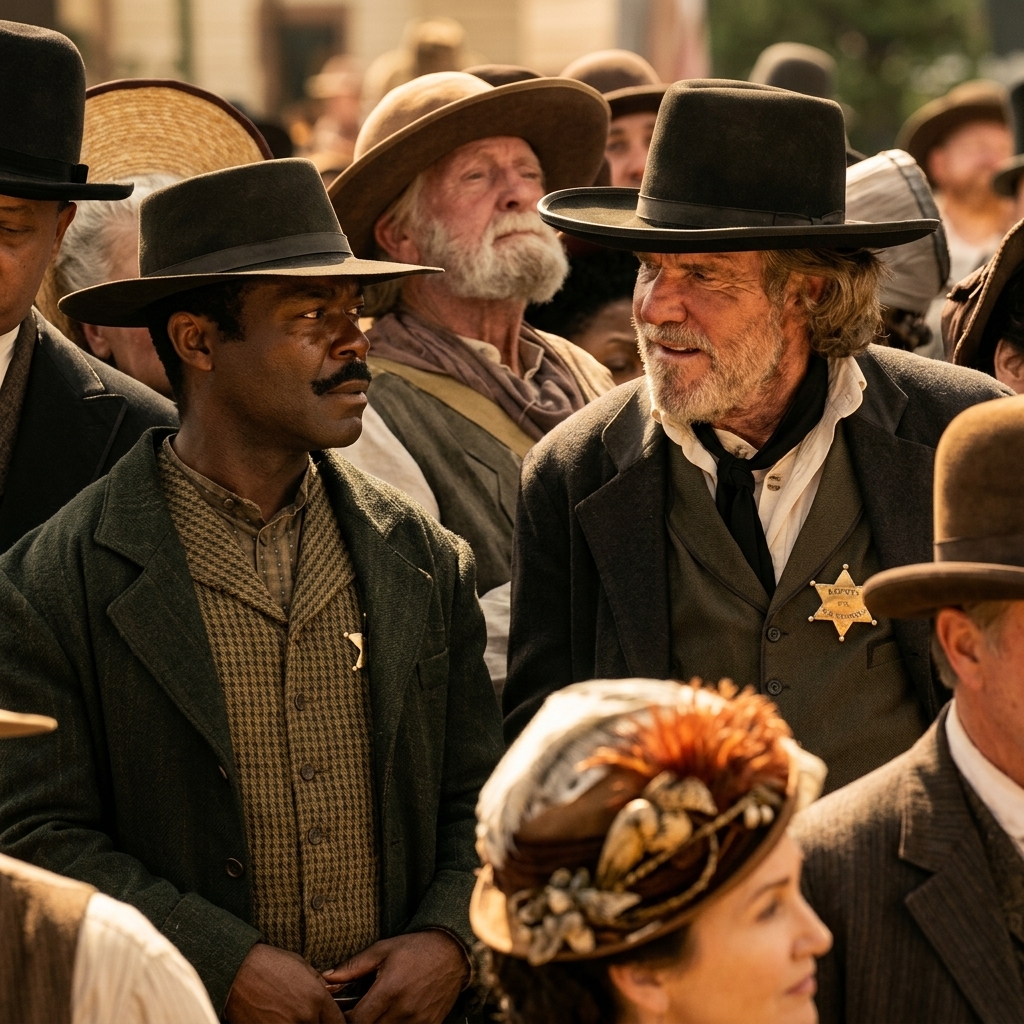
Critics noticed the same gap when it first aired, and they were right to. There is a version of this material that reckons head-on with race, with the moral horror of the system Reeves operated inside, with what it cost him to be twice as upright as every white marshal around him and still be trusted half as much. This is not quite that version. It gestures at those questions and then, more often than not, reaches for a horse and a rifle instead.

Watch It Anyway
I am telling you to watch it regardless, and I mean it.
Some stories are powerful enough to survive a cautious telling, and this is one of them. Even when the series plays it safe, the facts underneath keep breaking through, and Oyelowo keeps filling the silences the script leaves with everything it should have said out loud. You come away from Lawmen: Bass Reeves having met a genuine American giant, and the fact that you are meeting him at all — that millions are now meeting him, on the biggest streaming platform there is — counts for something real.
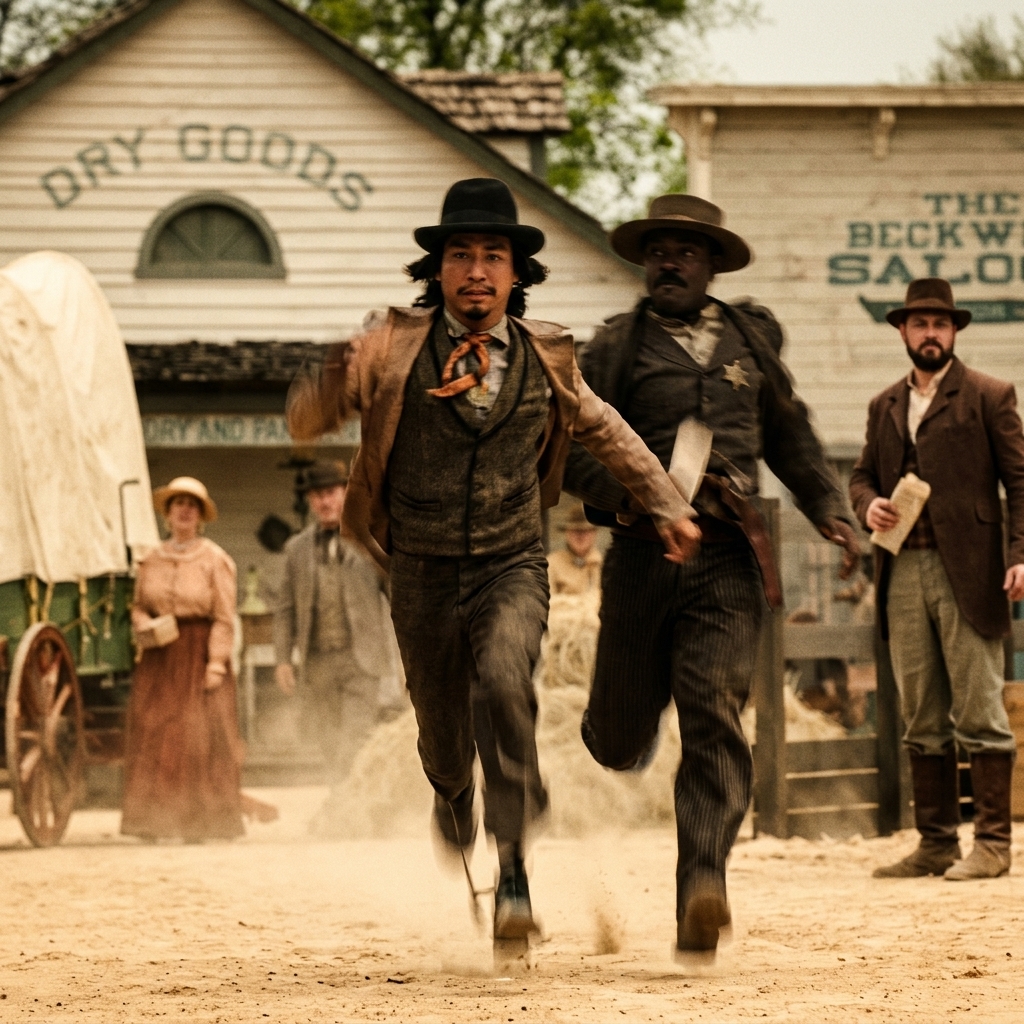
The show is not the masterpiece Bass Reeves earned. But it is the door through which a forgotten hero finally walks back into the culture, and a flawed door is still a door. Go through it. Then go read about the man himself, and feel the small, familiar anger of realizing how long you went without knowing his name.