The setup of Little Brother is older than most of the people streaming it: a man builds a perfect life, and someone from his past arrives to wreck it. What makes this particular version worth ninety minutes is the fine print, the reason these two men know each other at all.
Decades ago, John Cena’s character signed up to be a Big Brother, a mentor to a lonely kid named Marcus. He didn’t do it out of kindness, though; he needed a line on his college application.
A Realtor, a Reality Show, and a Man at the Door
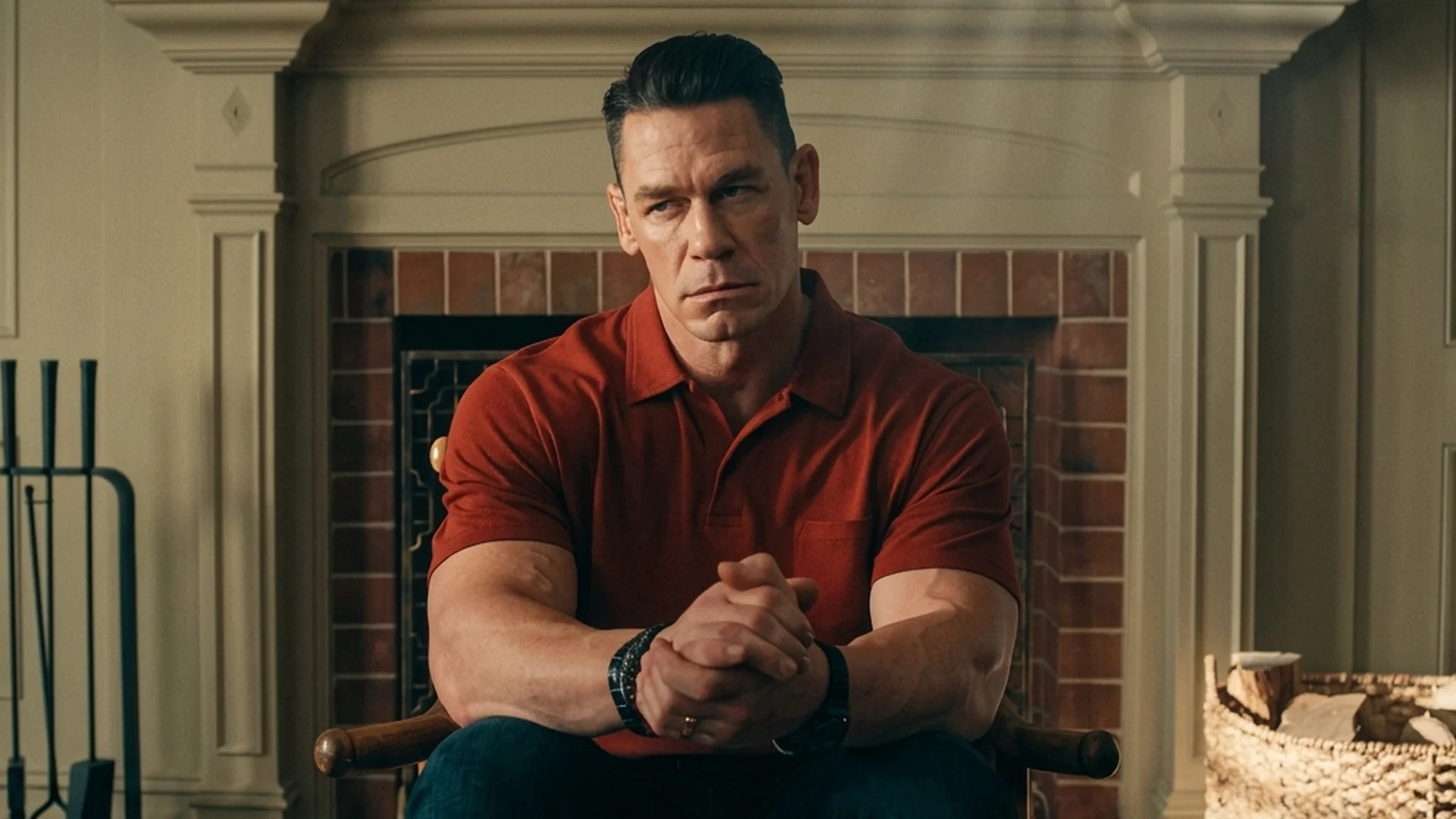
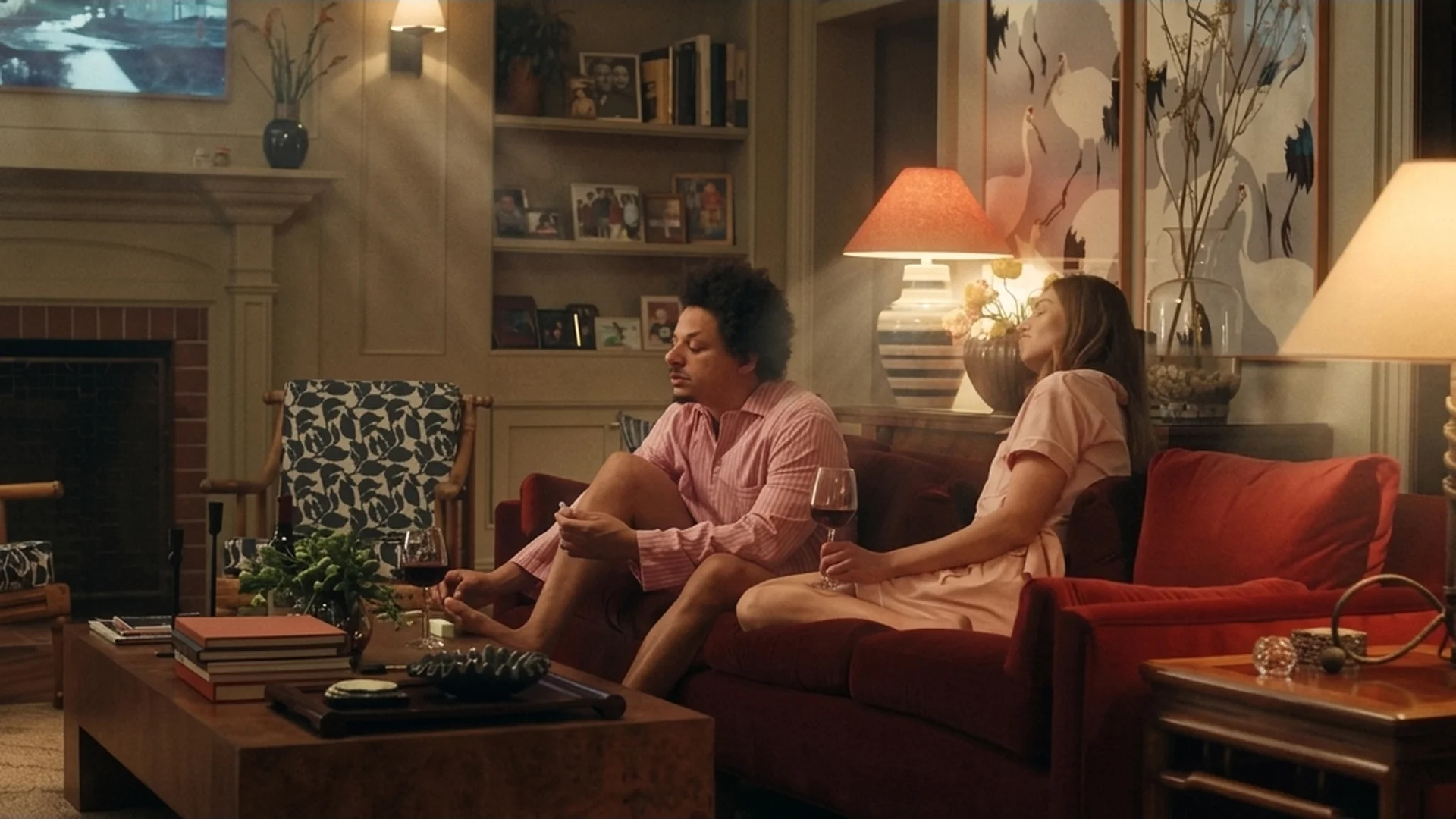
Cena plays Rudd Landy, a real-estate titan who has arranged his life down to the throw pillows. He is about to go on a cutthroat competition show called NYC Hustlers, the kind of stage a man like Rudd has been rehearsing for his whole career. Then Eric André’s Marcus reappears after thirty years, walks into the family, and starts introducing himself as Rudd’s brother. That, as Rudd keeps pointing out, is a generous read of the word.
The movie treats this as the engine for slapstick, and a lot of the time it is. But the premise is doing something sharper than the jokes around it.
The Favor Was Never Free
Here is the thing the movie almost says out loud. Rudd’s kindness, back then, was a transaction. He mentored a child to look good on paper, collected the benefit, and moved on with his life as if the ledger were closed. Marcus is what happens when it isn’t. He is a favor that grew up, found the receipt, and came back to collect the part that was never on the form: the part where you meant it.
That is a genuinely uncomfortable idea, and it sits underneath a comedy that mostly wants to make you laugh at a grown man getting stuck in a dog door. The discomfort is the good part. Most of us have performed a small generosity for our own benefit at some point and half-hoped the other person would not take it too literally. Little Brother is about someone taking it completely literally, thirty years late.
What Cena and André Actually Do
I will not oversell the filmmaking. The direction is flat, the tone lurches between raunch and sentiment without ever reconciling the two, and if you have seen Twins or What About Bob? you have seen this shape before. The critics who called it predictable are not wrong.
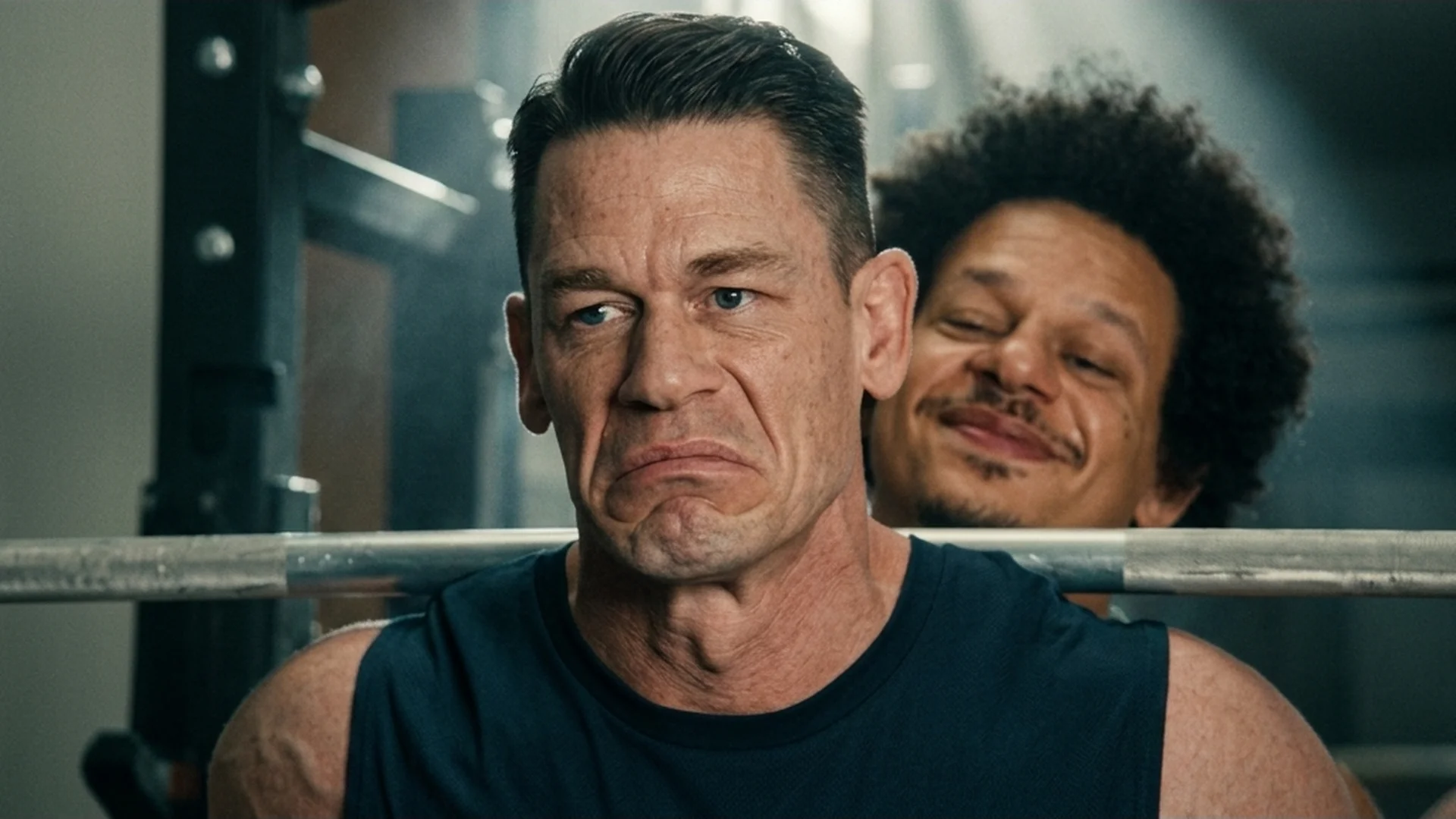
What keeps it upright is the casting logic. Cena has quietly become one of the most reliable comic actors alive, and his gift is specific: he is enormous, and he plays men who are terrified. His tightly-wound realtor pops precisely because you can see the panic under the tailored suit. André, meanwhile, does the opposite job: he is pure unmanaged need, and every time the movie lets him off the leash it finds a laugh the script did not write.
It helps that both men are working from somewhere real. Cena spent a decade convincing audiences that a wrestler his size could carry a comedy, and André built an entire show on ambushing calm people with chaos. Little Brother does not do much beyond pointing them at each other and stepping back, but with these two that turns out to be a workable plan.
The Debt the Movie Doesn’t Quite Name
The reason the film works better than its reviews suggest is that its two leads are playing the actual subject without the screenplay’s help. Cena is a man who paid for a relationship and assumed the account was settled. André is the interest. Watch them in the same frame and you can feel the movie reaching for something it never fully articulates: that you cannot buy your way out of having mattered to someone.
Why It’s Number One Anyway
None of the above is why Little Brother is the most-watched movie in the country. It is number one for the plain reason that it is easy to have on, the latest comedy critics shrugged at and viewers still carried to the top of the chart, the same way they did with
another streaming comedy that outran its reviews.
But the reason people finish it, rather than abandoning it at the forty-minute mark like so much streaming comedy, is the thing under the noise. Everybody recognizes the man who did a good deed for the wrong reason and got away with it. And everybody, somewhere, is a little afraid of the day the good deed knocks on the door, fully grown, and asks to be let in for real.
That is a lot to carry for a movie with a dog-door gag. Little Brother does not always carry it well. But it is carrying it, and on a lazy streaming night that turns out to be enough.