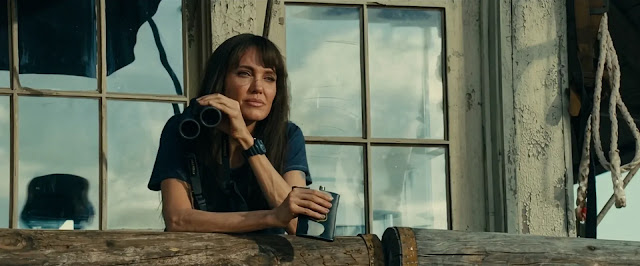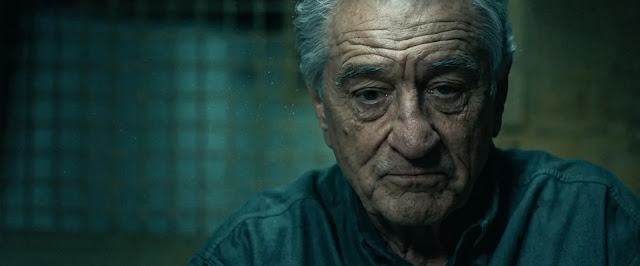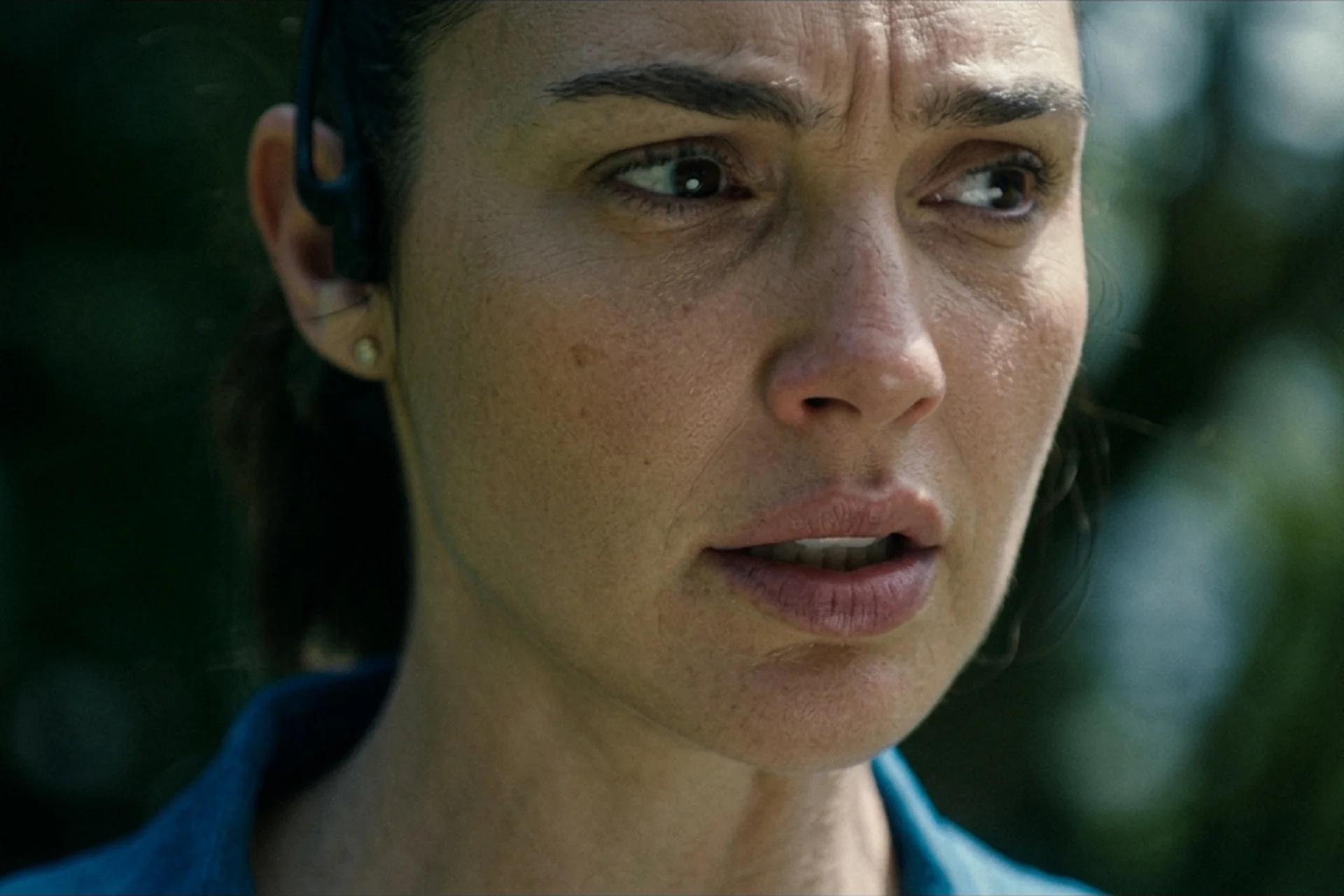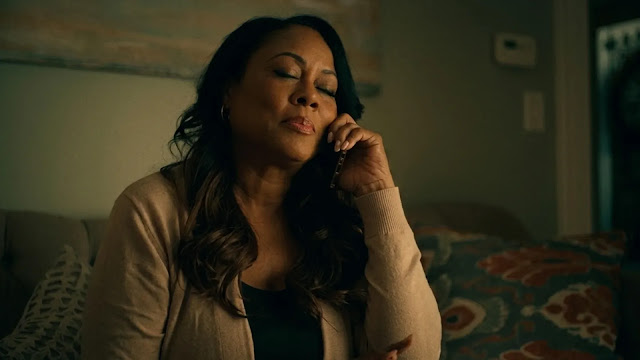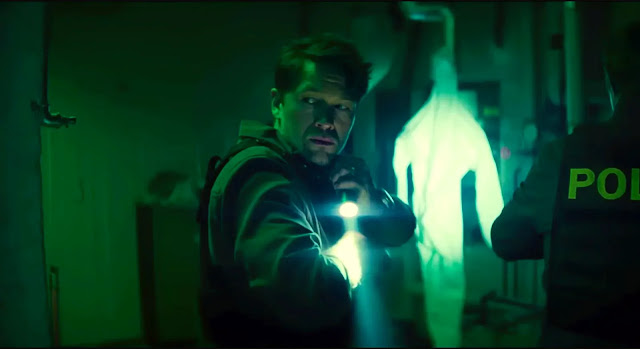
In Blood Sacrifice, the Swedish thriller that reached number one on Netflix, someone is killing police officers. The deaths always come at 1:15 in the morning, always after a call to 112, the emergency line. For most of the five episodes it plays like a hunt for a faceless serial killer. It is not. The 112 Killer is Peter Johansson, and he is a cop himself. He is not avenging a stranger or chasing a thrill; he is avenging his dead partner, and the system that erased the proof he ever tried to save him. What follows is how the ending lands, why the 1:15 timing matters, and why the reveal turns a manhunt into something colder. It is, I think, the rare thriller whose twist makes the show sadder rather than just cleverer.
The Pattern Nobody Wanted to See
The case falls to Detective Thomas Berg (Jakob Oftebro), who is pulled back into working with his estranged father, Alfred (Peter Andersson), a retired homicide detective with old methods and older secrets. What they find is not chaos but design: every victim is a police officer, and every death lands at 1:15 in the morning. Each one is drawn to the spot by a recording of a 112 call, the killer using the emergency system itself as bait. (112 is Europe’s emergency number, the equivalent of calling 911.) That last detail is what gives him away, though the show makes you wait to understand it. A civilian could not pull those recordings from the archive. Someone inside could. The clue was pointing at a member of the force the entire time, which is why the investigation keeps stalling: the people hunting the killer are the pool the killer is hunting from. The father and son dynamic gives the procedure its friction, and Alfred’s buried history with an old case slowly bends into the present one. But the spine of the mystery is that quiet inversion. The hunters and the hunted are the same institution. The setup puts it in company with another non-English Netflix thriller that hides its real culprit until the end, though Blood Sacrifice cares less about the who than the why.
What Peter Was Avenging
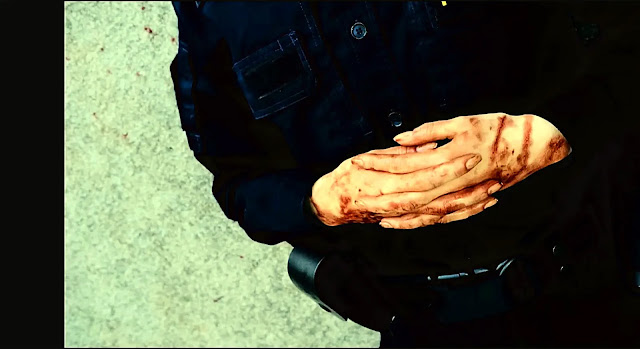
The final episode names the killer as Peter Johansson, and his reason reframes everything before it. Two years earlier, Peter and his partner Hugo answered a 1:15 call. The man at the address attacked them and stabbed Hugo. Peter radioed for backup, but the nearest officers were twenty minutes away, and Hugo bled out before they arrived. Twenty minutes, in a job measured in seconds. Then came the part that made him. When Peter tried to prove he had called for help, the recordings of his backup requests were gone. Officially, he never called. The internal review took the missing audio as the record, weighed it against his account, and sided with the silence. His complaint was rejected, and the department let the blame settle on him, until he was known as the partner who stood there and did nothing while Hugo died. He had stayed close enough to the job to reach the call archive, which is how the killings could keep drawing on the department’s own recordings. So he built his revenge out of the exact machine that erased him.

He does it with a terrible symmetry. The recording that should have saved him did not exist, so he makes recordings that kill. He plays old 112 calls to summon officers to isolated addresses at 1:15, the same hour Hugo died, and turns each of them into the responder who arrives too late. Every victim relives Hugo’s night from the other side, alone at an address with no backup coming.
The Confrontation, and What It Leaves Behind
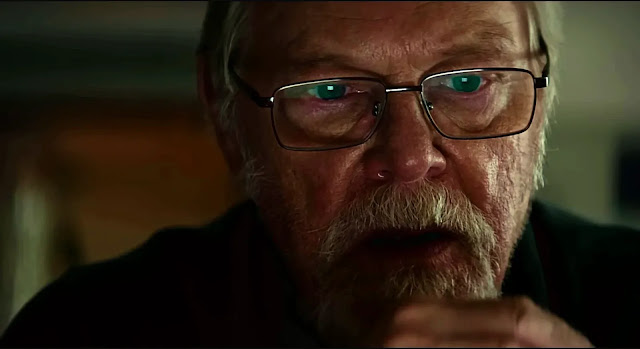
The ending brings it back to where it started. Peter takes Alfred to the building where Hugo died and shoots him there, closing his circle at the original scene, the same address, the same 1:15 hour. Both Thomas and Alfred survive the night and end up hospitalized, so the show resists the clean tragedy of killing off a lead. There is no sequel waiting; nothing in the finale is planted as a cliffhanger, and Netflix has not ordered more. That refusal fits what the story is actually about. Blood Sacrifice looks like a thriller about a killer, but it keeps pointing at the paperwork behind him: a missing file, a rejected complaint, a man told the record disagrees with his memory. Like a darker Netflix crime story where the reveal reframes the victim, it ends by moving your sympathy onto the man holding the gun. The monster is not the point. It is a small, bureaucratic horror, the kind that leaves no fingerprints, and the show trusts you to find it scarier than any knife. The point is how ordinary the failure was that created him, one deleted recording standing in for every time an institution decides a person is easier to blame than to defend.