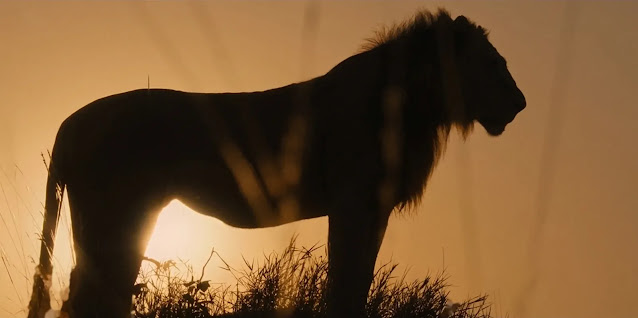

When Jon Favreau finished the 2019 Lion King, the photoreal remake that rebuilt Simba out of pure computer animation, he came away wanting the opposite of what he had just made. He wanted a real lion. Lion, the four-part National Geographic series he executive produced, is that wish carried out over four years in Kenya’s Maasai Mara. It follows a cub named Kio from his first wobbling weeks to the day he fights for a kingdom of his own, and right now it sits at No. 1 on Disney+ in the United States. What it also delivers is a correction: the real lion king does not grow up the way the movie says he does.
The pull is easy to understand. Hans Zimmer, who scored both the 1994 animated film and the 2019 remake, comes back for this one too, so the real footage comes scored by the exact music audiences already tie to lions and thrones. Mike Gunton of the BBC Studios Natural History Unit runs the production, which is why the footage plays less like a nature special and more like a feature. The reason to stay, though, is what happens when a true story is measured against the fable everyone already knows.
Nobody had filmed this before, and the reason is part of the idea itself. Following one wild lion from cub to king means committing to years with no guarantee the animal survives to give you an ending, which is why most wildlife films settle for a single season or one dramatic event. Lion is billed as the first natural history production to capture a male’s entire rise, cub to crown, and that four-year runway is the point. The fable can promise Simba a throne on page one. The crew following Kio spent most of four years not knowing whether they were filming a future king or a cub who would not make it.
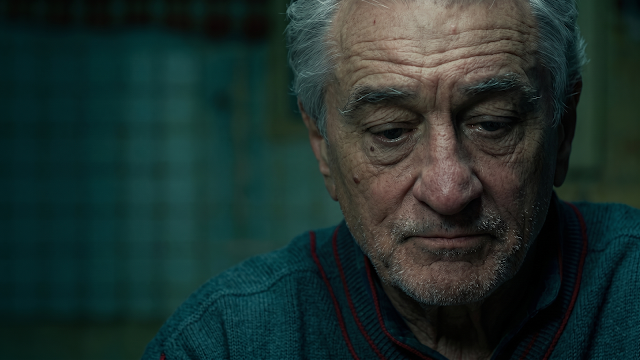
The Real Lion King the Movie Left Out
In the movie Simba is a lone prince, born to rule, driven into exile, and drawn back on his own to reclaim a throne that was always his. It makes a clean story. Real lions do not work that way. In the wild a male almost never takes a pride by himself. He does it with his brothers. Young males leave their birth pride as a group, survive the dangerous in-between years together, and eventually challenge the males holding a pride as a coalition. Nobody inherits the crown as a single chosen heir. A team takes it by force.
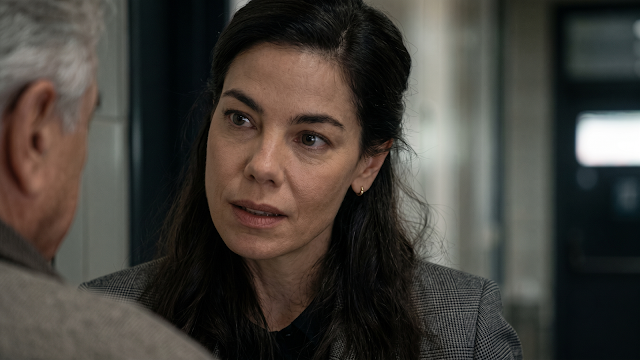
The movie also needs a villain, so Simba gets an uncle who murders his father. Real lion drama has no Scar. The real threat to a young male is plain arithmetic: most males never take a pride at all. They die young, pushed out, injured, or starved, in the years between leaving home and finding brothers strong enough to win together. Kio’s real achievement is smaller and harder than beating a villain. It is lasting long enough, against those odds, to get a chance at all.
Kio’s story is that truth up close. He is not a solitary hero waiting for what he is owed but one lion inside a band, and the series spends its middle chapters on the thing the fable skips: the long, unglamorous apprenticeship of staying alive with nothing promised. Brothers get separated, hunts come up empty, and the savanna hands out no destinies. What plays as fate across ninety minutes of animation is, across four years of real footage, mostly endurance and luck and each other. Documentaries keep turning up this gap between the famous version of a life and the real one, the way Untold: The Testimony of Vince Young set a quarterback’s legend beside the man who actually lived it.
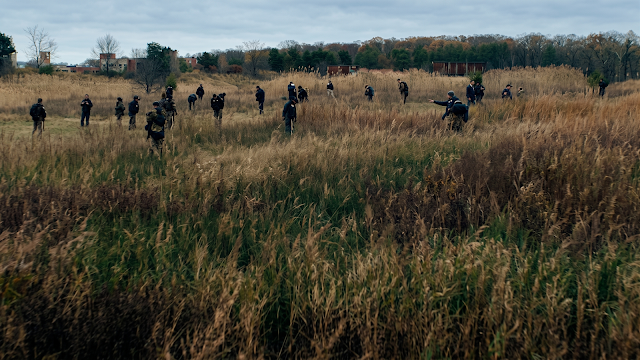
Does Kio Become King?
Yes. By the final chapter Kio and his brothers move on a neighboring pride of females and take it, which in lion terms is exactly what becoming king means. No coronation, no circle of animals bowing at a rock, just a coalition of males winning the right to hold a territory. The crew, hoping to close the circle they had been following, waited for the surest sign the takeover had held: cubs. Eventually the cubs arrived, and the story had its full shape, cub to king to father, caught on camera instead of drawn.
That last stretch is what the four years were for. Watching a real animal walk the arc you know by heart from a cartoon does something the cartoon cannot. Simba’s triumph is written in advance; Kio’s is survived in real time. When the music swells over a lion who actually made it, four years of risk behind the shot, the feeling is not nostalgia for a childhood movie. It is closer to relief, and then to awe, that the story people invented has a true version at least this grand.
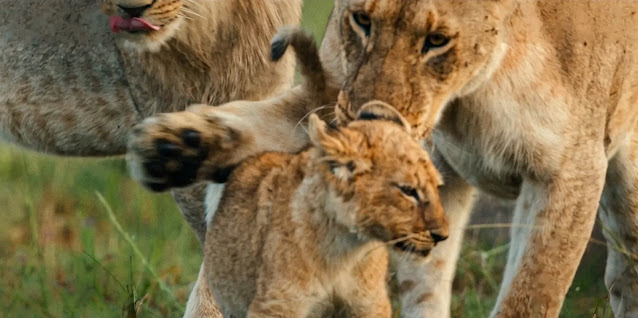
Favreau made his name on the most convincing artificial lions ever put on a screen, then went looking for the ones the machines had been imitating. Lion is what he found. Not a fable about a destined king, but a truer and stranger thing: a young animal who took a kingdom with his brothers and lived long enough to start the cycle over. The movie gave us the myth. This one gives us the animal, and the animal has the better story.