Most movies have a shelf life you can feel. They arrive, everyone talks about them for a week or two, and then they slide quietly down the list while the next thing takes their spot.
KPop Demon Hunters never did that.
As of this week, the animated film has done something no title in Netflix history had ever managed: it has spent fifty-two straight weeks in the global Top 10. A full year, without a single week off, beginning the day it premiered in June 2025 and running right up to its first anniversary. The previous record was twenty weeks. This isn’t beating the old mark so much as erasing it.
The easy way to write about a number like that is to pile more numbers on top of it. But the streak is interesting for a different reason. Most hits cool off and then get rediscovered in waves — a bump when a sequel is announced, another when it hits a holiday weekend. Fifty-two *consecutive* weeks means it never actually cooled off. People didn’t keep finding it. They kept coming back to it.
A Movie That Refuses to Stay Watched
Here is the thing I keep landing on. A normal movie is something you finish. You press play, you reach the credits, and the relationship is basically over. You might recommend it. You probably won’t open it again for a year.
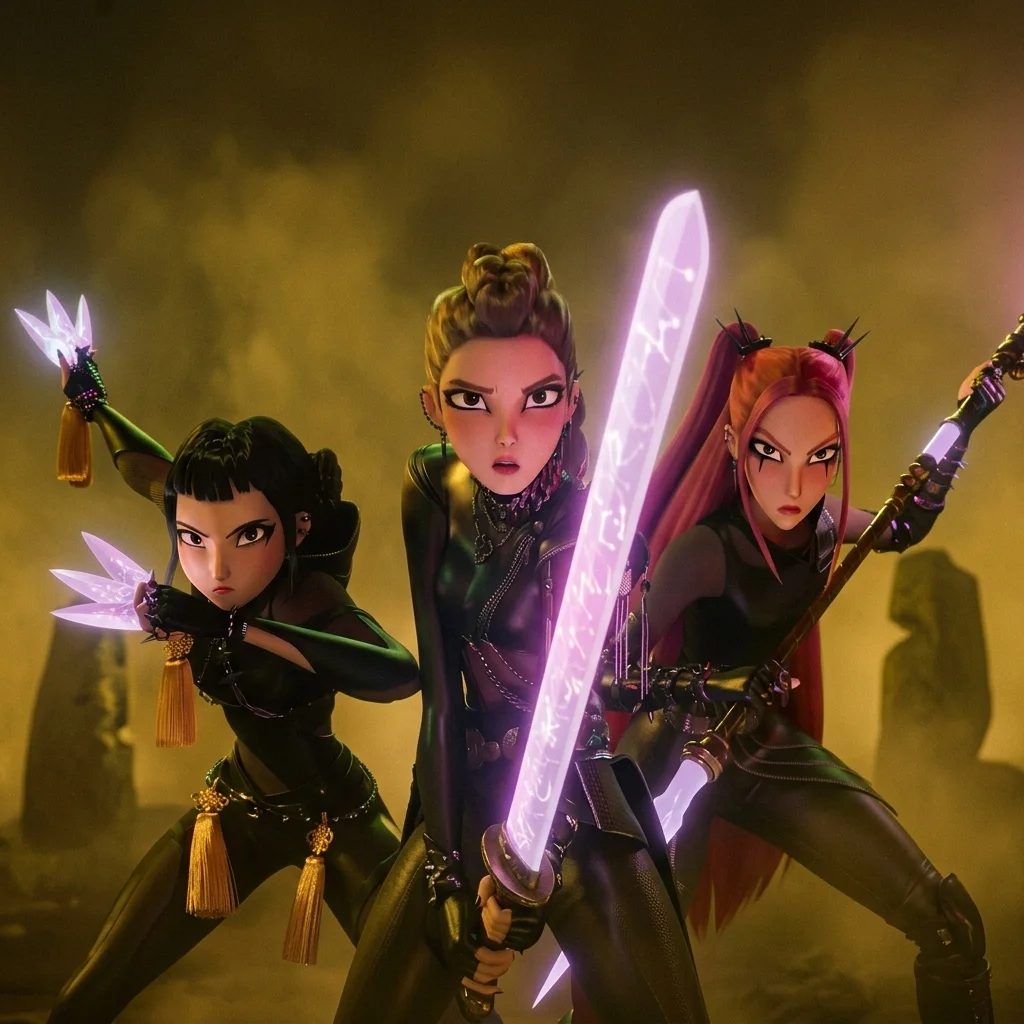
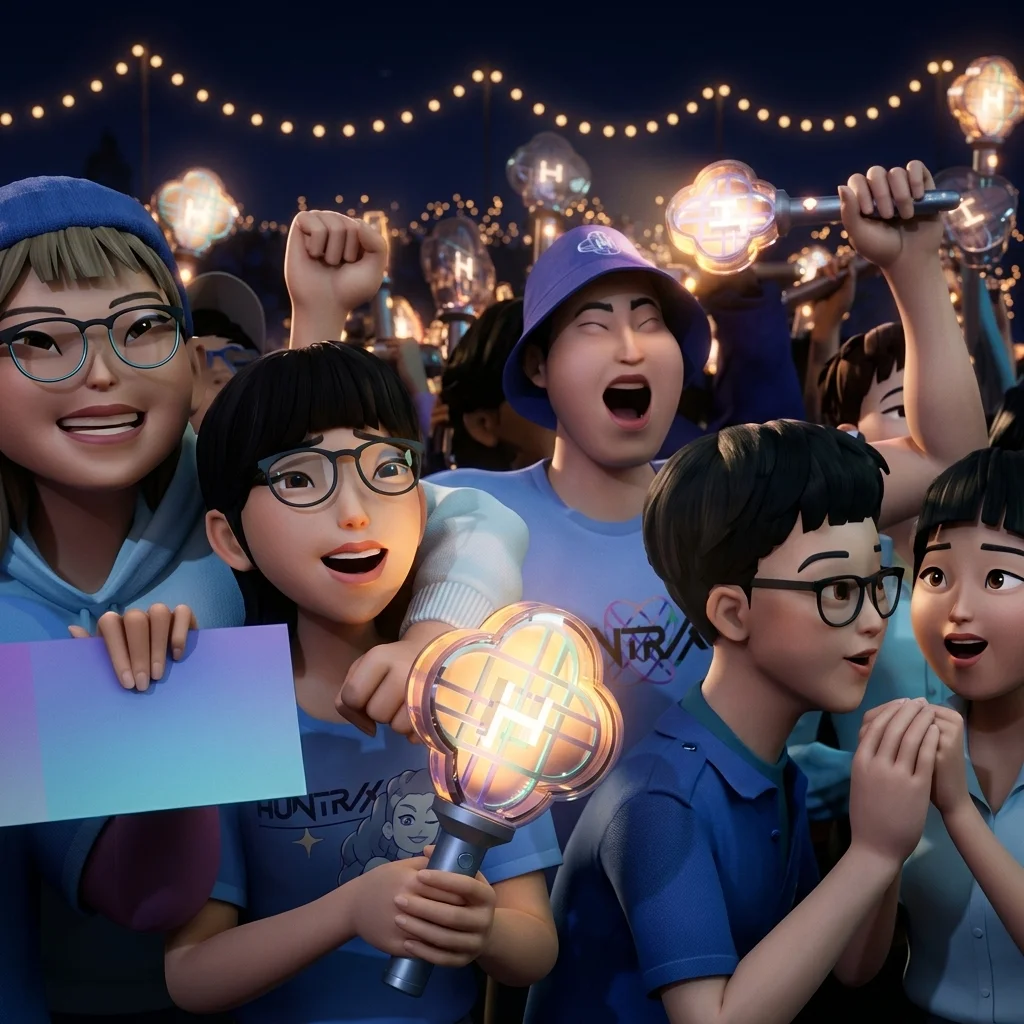
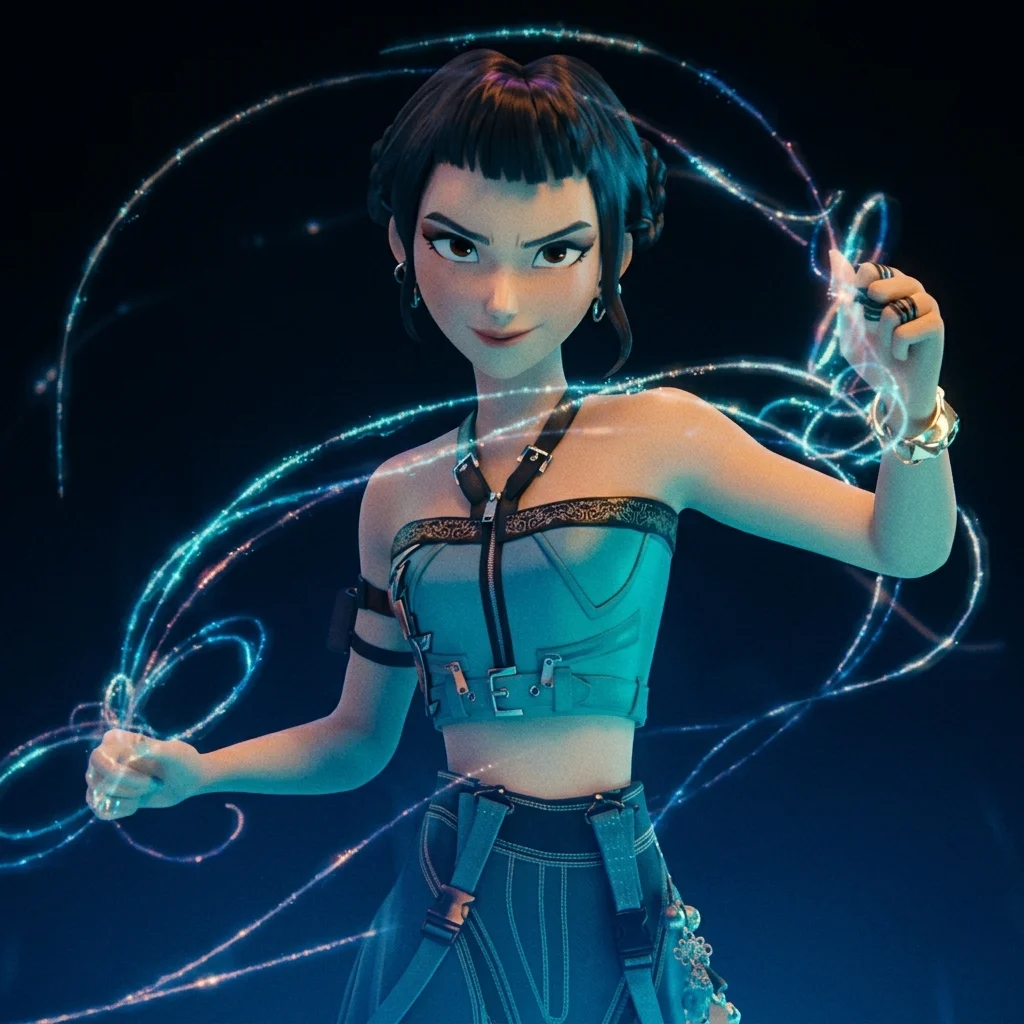
KPop Demon Hunters broke that pattern by refusing to end when the movie ended. The story follows a chart-topping girl group who secretly moonlight as demon hunters, and the joke of the premise is also the engine of its staying power: the film is a real movie *and* a real pop album at the same time. When the credits roll, the songs don’t stop. They move into your phone, your commute, your kid’s headphones. And every time one of them comes on, it points back at the film that made it.
The soundtrack has cleared ten billion streams and became the first film soundtrack to put four songs in the Billboard Hot 100’s Top 10 at once. Its lead single, “Golden,” reached number one on the Hot 100 outright — the kind of result that usually belongs to an established superstar, not a cast of animated characters. It’s the same pull that powers a story built entirely around the gravity of music, except here the songs escaped the screen and went to live on the charts on their own.

It Stopped Being a Title and Became a Place
The streak makes more sense once you notice how far the film leaked out of Netflix entirely. Players logged more than eleven million hours inside its world on Roblox. Searches for Korean lessons spiked, with one language app reporting a sharp jump in American learners. Airlines even registered a noticeable rise in flights to Korea. None of that is normal movie behavior. That’s what happens when an audience stops treating something as a thing to watch and starts treating it as a place to spend time.
I find that genuinely surprising, and a little disarming. I did not expect a film about a Korean girl group fighting demons to be the thing that nudges people in Ohio toward a language app. But that’s the tell. A movie you finish can’t do this. A world you live in can.
The Rare Case Where the Hype Is Earned
It would be fair to be suspicious of all this. Streaming numbers can be inflated by a strong opening weekend and an algorithm that keeps shoving a title at you. But the quality receipts are unusually clean. The film holds a critics’ score in the low nineties and an audience score sitting just under a hundred, a gap that almost never falls in that direction. At the 2026 Oscars it won Best Animated Feature, and “Golden” took Best Original Song; the track later picked up a Grammy as well.
That combination matters, because it separates this from a flash of virality. A meme burns out. An award-winning film with a soundtrack people genuinely love has somewhere to keep living. It’s the same quiet truth behind another animated Netflix release that quietly outclassed its own genre: when the craft is actually there, the audience can feel it, and they stay.
What a Year at the Top Actually Tells Us
Netflix and Sony have read the room and committed to a sequel, with the original directors returning. That’s the safe, obvious move, and it will almost certainly work. But the more interesting lesson is the one the streak already taught, before any sequel exists.
For a year, the biggest title on the world’s biggest streaming service wasn’t a prestige drama or a star-driven thriller. It was an animated movie about a girl group, carried by songs good enough to outlive the film that introduced them. The thing that kept it at the top wasn’t a marketing budget refreshing every few weeks. It was that people simply did not want to leave. That’s the rarest result in streaming, and the hardest one to manufacture — and it’s why, a full year in, KPop Demon Hunters still isn’t going anywhere.