Near the end of 9 to 5, the chairman of the board walks through an office that is running better than he has ever seen it. Productivity is up twenty percent. There is a daycare down the hall. People are on flexible hours, and two women are splitting one job so that both can keep working. He loves every bit of it. Then he lowers his voice and asks for one change to be undone. The equal pay has to go.
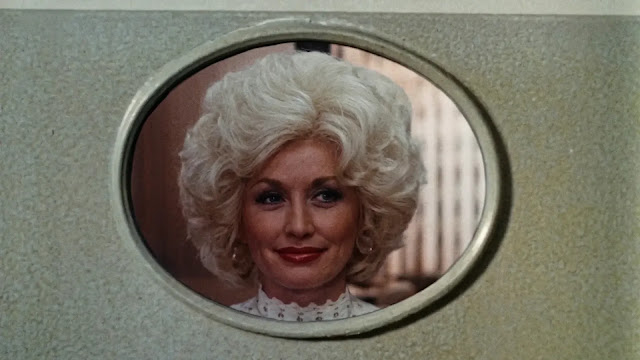
That scene is forty-six years old, and a lot of people are meeting it again this week. Dolly Parton died on August 25 at eighty. ABC aired a 20/20 special about her that night, Disney+ and Hulu picked it up the next day, and the comedy that made her a movie star climbed back into the Disney+ top ten in the United States. It is worth going back to. Just not for the reason most people remember it.
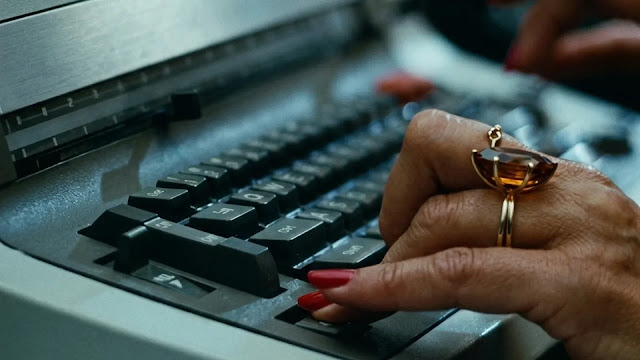
The story is easy to explain. Three women work for the same awful boss, get high together one night, and take turns describing how they would kill him. Judy (Jane Fonda) pictures a big-game hunt, Violet (Lily Tomlin) poisons his coffee, and Doralee (Dolly Parton) hog-ties him over the desk. Then a mix-up at the hospital nearly swaps real poison into his real coffee, and by the next morning they have Franklin Hart (Dabney Coleman) tied up in his own bedroom with no idea what to do next.
Those fantasy scenes are what the movie is famous for. They are also the part that shows its age. Broad, silly, very 1980. What holds up is duller and much better: what the three of them do with the office while the boss is upstairs in a harness.
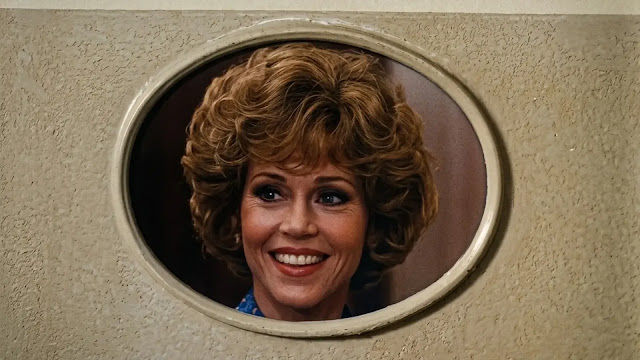
What They Do While the Boss Is Tied Up
They start signing his name. A daycare center goes into an unused room, hours become flexible, and two women split a single job. Staff with drinking problems get help instead of a warning. And people doing the same work start getting the same pay. None of it is staged as a revolution. It is paperwork. Somebody forges a signature, a memo goes out, and the office gets better. The list is that specific because the script came out of real interviews. Jane Fonda’s company produced the film, and the writers spent weeks with working secretaries before anyone wrote a scene.
That is a strange third act for a revenge comedy, and it is the reason the film still works. A monstrous boss is fun to watch, which is most of the appeal of The Devil Wears Prada 2 and its editor in chief. 9 to 5 gets bored of that faster. It wants to know what the office does once the man is gone.
Parton had never been on a film set. She learned the script before she arrived, other people’s lines included, and wrote the title song on set, clicking her acrylic nails together to keep time. That is why the record sounds like a room full of typewriters. The song went to number one for two weeks and won two Grammys. The film took $103.3 million on a $10 million budget and finished as the second biggest release of 1980, behind The Empire Strikes Back.
The One Line That Has Not Aged
Then Russell Tinsworthy (Sterling Hayden) shows up, and the movie makes its real point in about ninety seconds. He is delighted, and walks Hart through the building praising the childcare, the schedules, the job sharing, the twenty percent. Then he leans in about the equal pay, and says that one has got to go.
Read that list again with 2026 eyes. On-site childcare, flexible schedules and job sharing are now bullet points in job ads, printed by companies that want you to be impressed. A 1980 comedy invented all three as a joke. The fourth one is still an argument in most of the world. So a comedy sorted its own wish list into what a boardroom would allow and what it would not, got it right on the first try, and did it in a scene written for laughs.
He has a reason for cutting that one, and it is not only that he is a boss in 1980. The daycare, the flexible hours and the job sharing all bought something. They are why productivity went up twenty percent, and he says so himself. Equal pay bought nothing extra. It is the one item on the list that only costs the company money, so it is the one that goes. I find that sharper than any of the murder fantasies people quote. A workplace keeps the reforms that pay for themselves.
Hart gets sent off to a long project in Brazil. A closing card says he was carried away there by a tribe of Amazons and never heard from again. Violet is promoted to vice president. The film is happy to give the man a ridiculous ending. It is much more careful about the money.
Old titles climb back onto these charts fairly often, usually because something new is pointing at them. Practical Magic went back up when its sequel was announced. This one is up because the woman who wrote its theme song died, which is a sadder reason and a plainer one.
So plenty of people are about to watch a 1980 comedy about secretaries for the first time. They will get the fantasy scenes, which are dated and still funny, and the song, which is not dated at all. Five minutes from the end, a pleasant old man in a good suit will walk in, admire everything these women built, and explain kindly which part of it they can keep.