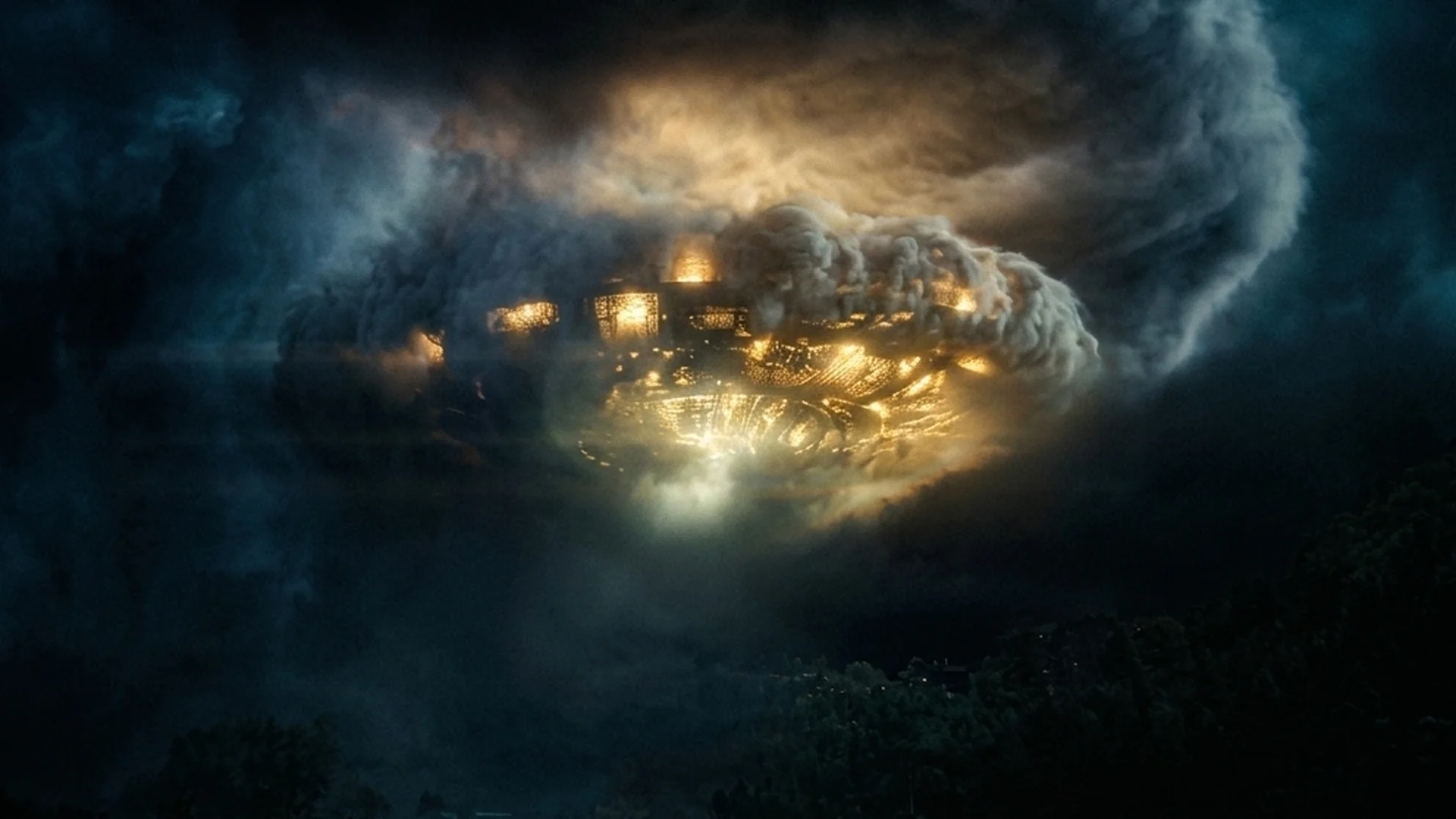
When Steven Spielberg made War of the Worlds in 2005, he said something revealing about it. For the first time in his life, he told Empire, he was making an alien picture with no love in it and no attempt at communication. It was his fourth story about visitors from elsewhere, and it was the bleak one, extraterrestrials as pure catastrophe in a jumpy post-9/11 world. Disclosure Day, his first alien film in the two decades since and now on digital after a 239 million dollar theatrical run, plays like the answer he needed to give himself. It is a movie made almost entirely out of love and the attempt at communication.
The UFO Story That Started It
The seed was real. Spielberg has said a 2017 New York Times report on the Pentagon’s secret UFO program rekindled a belief he has carried since childhood, that we are not alone, and he spent two months in the summer of 2023 writing a sixty-page outline. “I always had a core belief that we are not alone in the universe,” he has said, and you can feel that old conviction running under every frame, the same wonder that lit Close Encounters now weathered by fifty more years of looking up. David Koepp then turned the outline into forty-two drafts, the most he has written for any film, chasing a story that reaches back through Spielberg’s whole career. Close Encounters of the Third Kind in 1977, E.T. in 1982, the miniseries Taken, and then War of the Worlds. For a director whose name is practically a synonym for the friendly alien, that 2005 film was the strange outlier, and it has sat there unanswered for twenty years.
The Word He Would Not Use
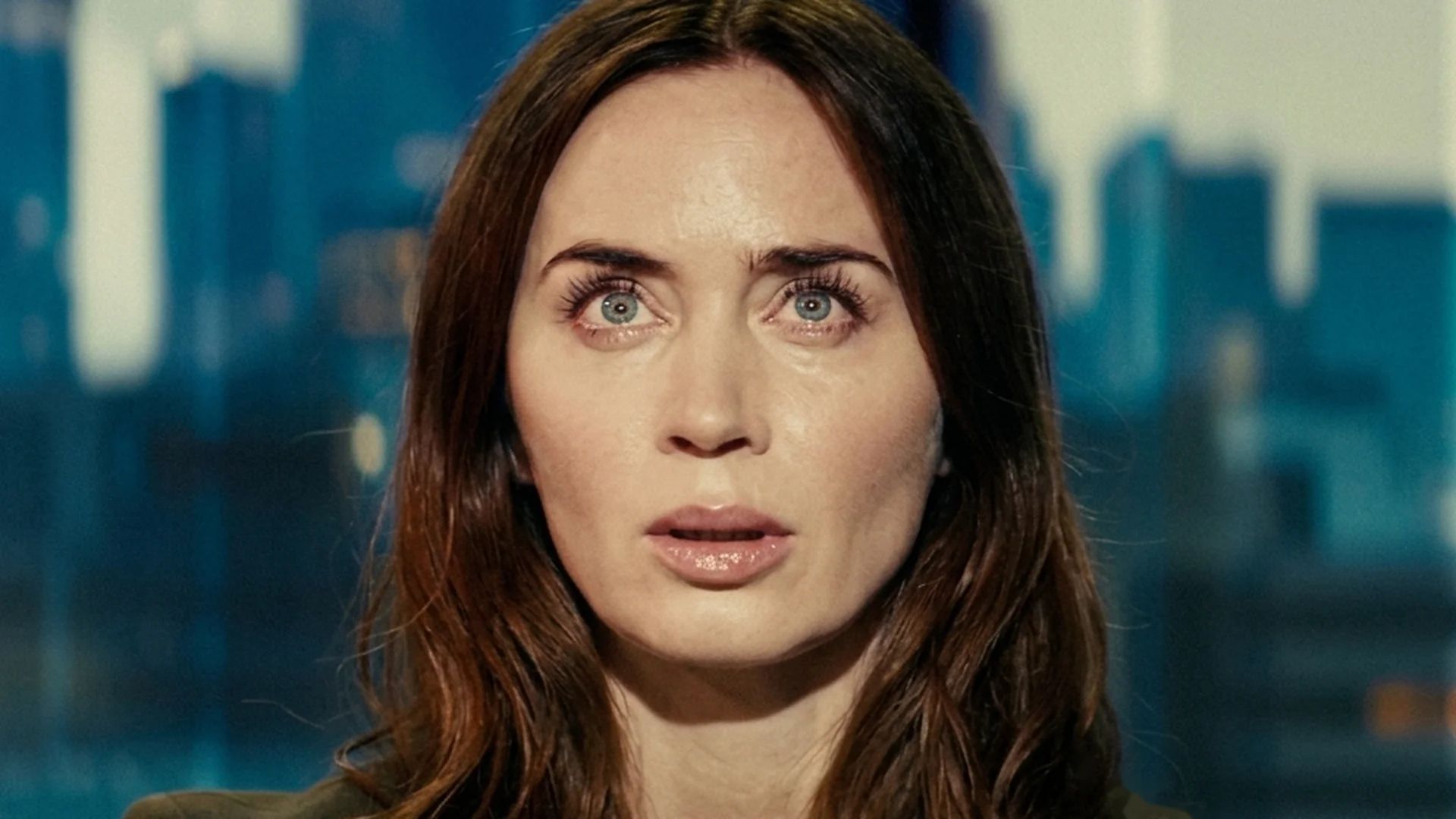
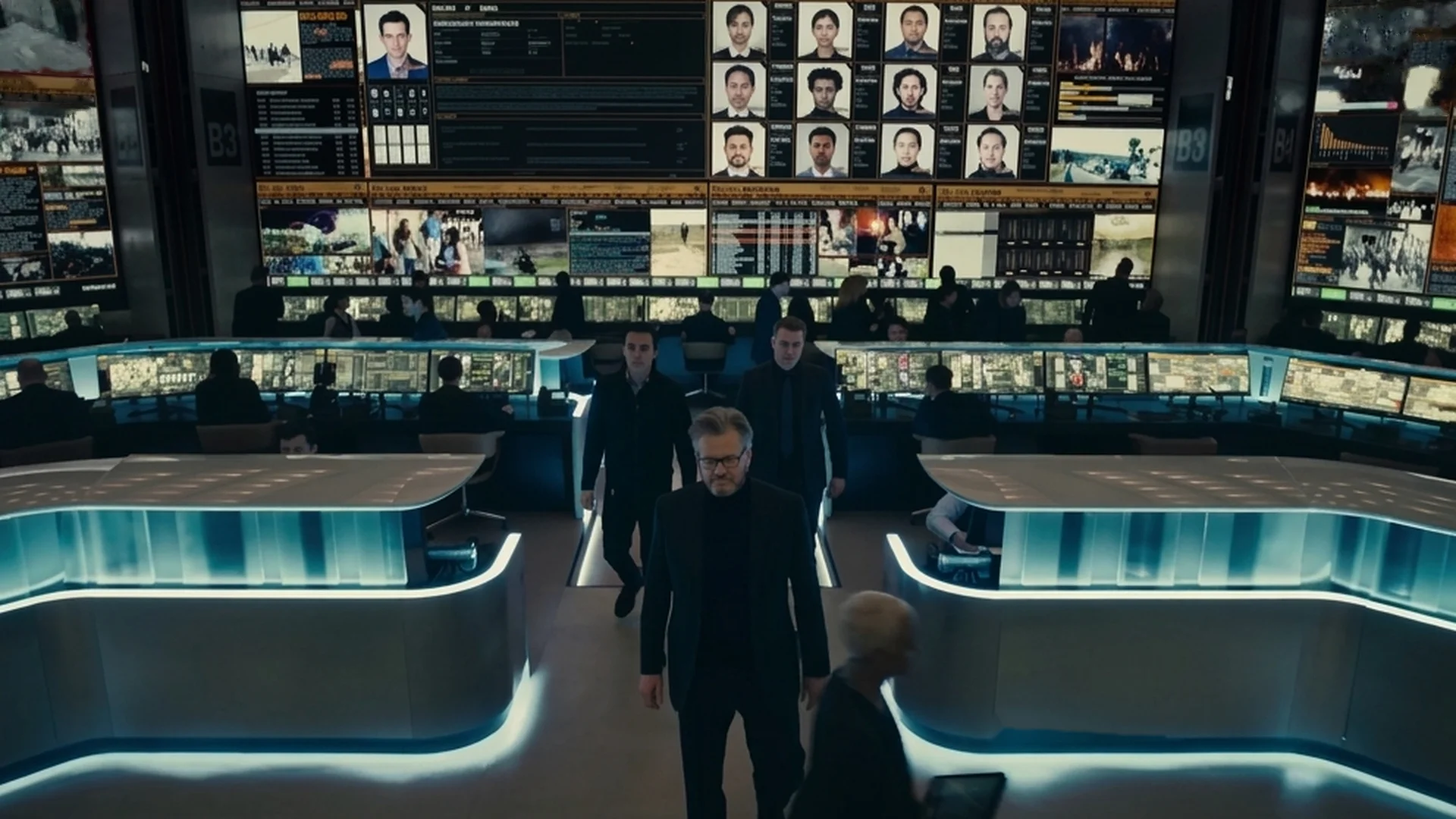
There is a small choice in the making of this film that tells you what it is after. Koepp made a point of never using the word alien in the script, wary of the immigration politics the word now drags along, and wrote extraterrestrial and non-human biologics instead. It is a small, telling caution from a movie that wants the arrival of other life to land as an invitation and not a threat. The story around that caution is a chase. Margaret Fairchild, a television meteorologist played by Emily Blunt in what critics have called her best work, has an encounter and begins speaking an unknown language on live air. Daniel Kellner, a cybersecurity whistleblower played by Josh O’Connor, steals proof of contact from a shadowy contractor called Wardex. As nuclear tensions climb toward war, the two of them run to put the truth in front of the world before Wardex chief Noah Scanlon, a coolly frightening Colin Firth, can bury it for good. I will keep the turns to myself, but the destination is right there in the title.
Empathy as the Engine
The film is unmistakably Spielberg in how the fight is finally won, not with a weapon but with understanding. In the stretch that matters most, Margaret does not shoot her way out, she talks her captors into letting her go, and the movie stakes everything on the idea that empathy can crack open a lie that force could not. That is the faith that ran under Project Hail Mary earlier this year, where a lone man and an alien engineer save two worlds by first learning to talk to each other. John Williams, scoring his thirtieth film for Spielberg, seems to understand the assignment. He stays low and patient here, writing music that nudges the story instead of swelling over it, trusting the quiet.
What Spielberg Still Believes
None of this makes Disclosure Day a great Spielberg film. It is a minor-key one, and honest reviews have said so. The film opened to the biggest weekend of any original Spielberg picture not drawn from an existing book or franchise, then settled into being only a modest hit, two hundred thirty-nine million dollars on a hundred fifteen million budget, the kind of number that would delight anyone who is not a legend. The Telegraph found the plot woolly and thought it only glancingly connects, and it is true that the picture never reaches the pure, hair-raising awe of Close Encounters. What it has instead is a seventy-nine-year-old director planting a flag. After the coldest alien movie of his life, Spielberg has come back to make the warmest argument he can, that the truth about the universe would not have to break us, that we might meet it with wonder rather than war. He is doing here what Christopher Nolan did by reaching for the oldest story he could find in The Odyssey, an established master returning to the material that formed him to see what he still believes about it. The aliens were never the point. The question Spielberg keeps asking, at seventy-nine as at thirty, is whether we are worth meeting. Disclosure Day is his plainest answer yet, and the answer is still yes.