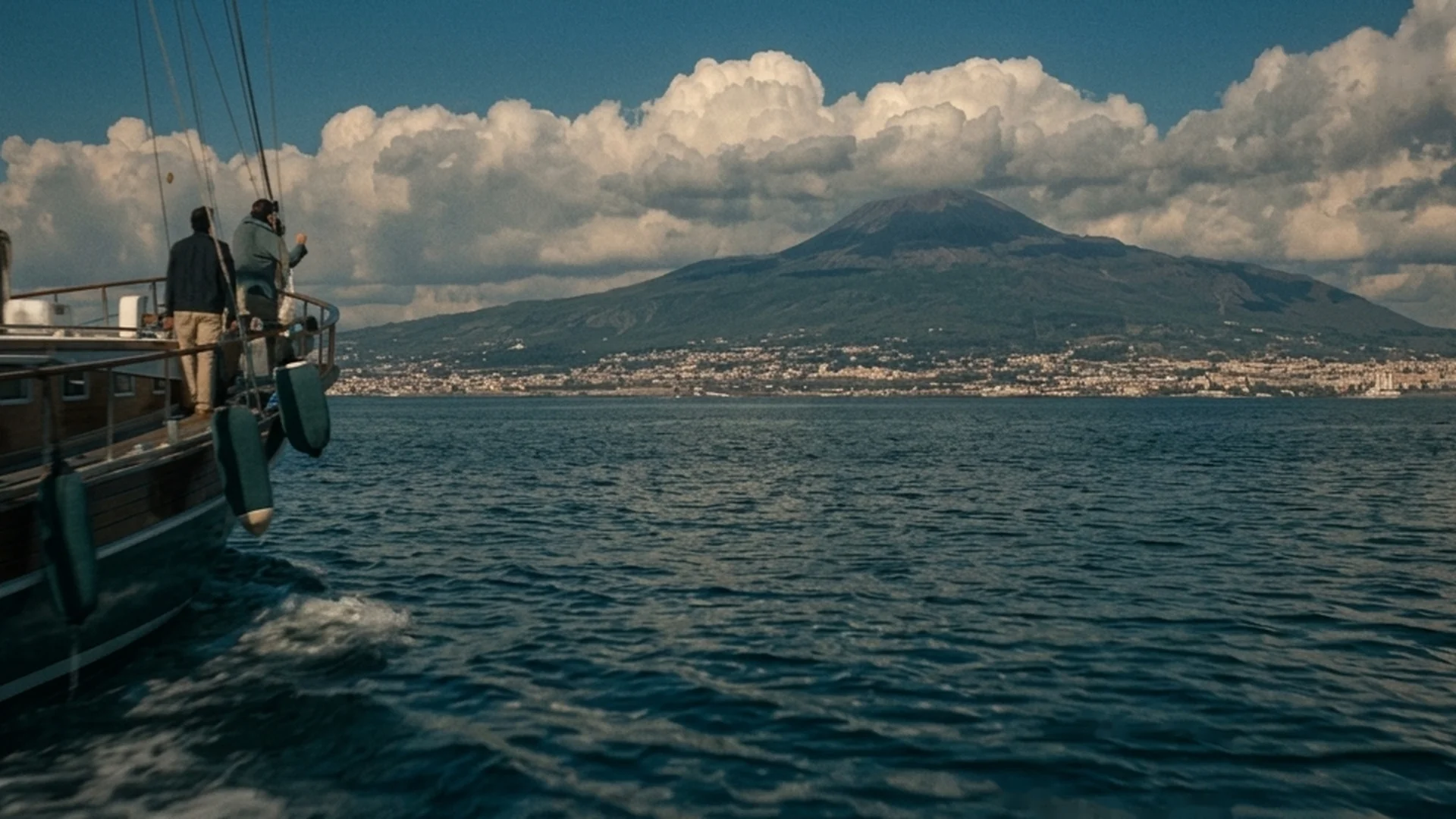
You know the image even if you have never set foot in Pompeii. A body curled on its side in the ash, knees drawn up, caught in the instant the mountain took it. For the better part of three centuries those plaster casts have taught the world one lesson about the city: that death arrived all at once, and nobody had the chance to run. Pompeii: Out of Time, the three-part documentary that puts Tom Hiddleston among the ruins and reached number one on Disney+ this month, exists to overturn that lesson. Its quiet claim is that a great many Pompeiians did have the chance, and took it.
The Eruption Took Its Time
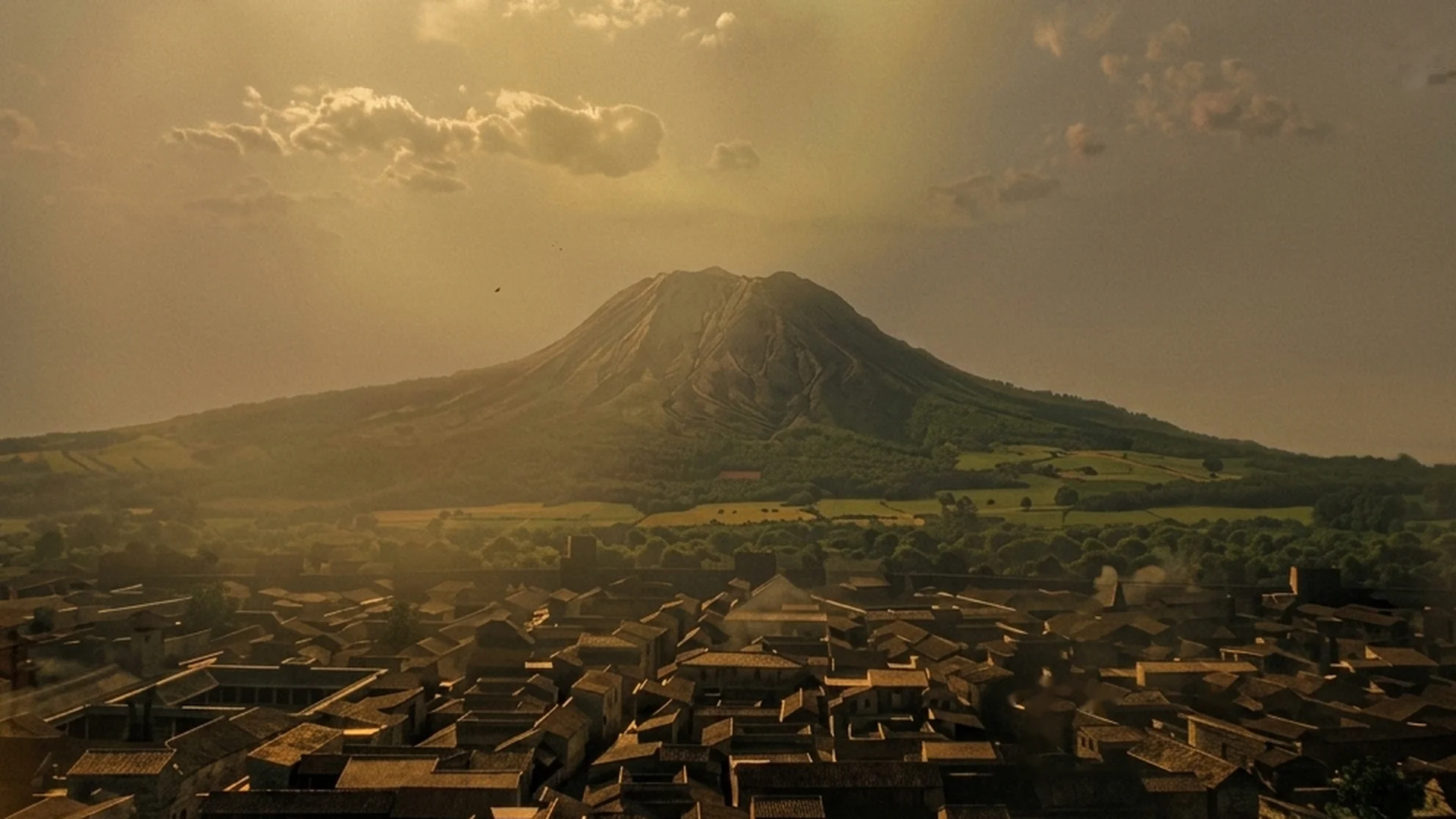
The picture of instant death was always partly a trick of preservation. What froze those bodies was not the first hour of the eruption but a later one, and Vesuvius did its work across roughly a full day. The morning began with a towering column of ash and a rain of pumice that buried roofs and blocked roads but killed slowly, if at all. The lethal pyroclastic surges, the superheated avalanches of gas and rock that actually took the city, came in the night and the following morning. Between the first tremors and the final wave there was a window, long and terrifying and real, in which a person standing in a Pompeii street had to decide whether to gather what mattered and go, or to wait the mountain out. We even have a witness. Pliny the Younger, watching from across the bay of Naples, wrote afterward of an eruption that climbed through the afternoon and ran on into the night, of families feeling their way toward the shore by torchlight through the falling ash.
The Evidence of Absence
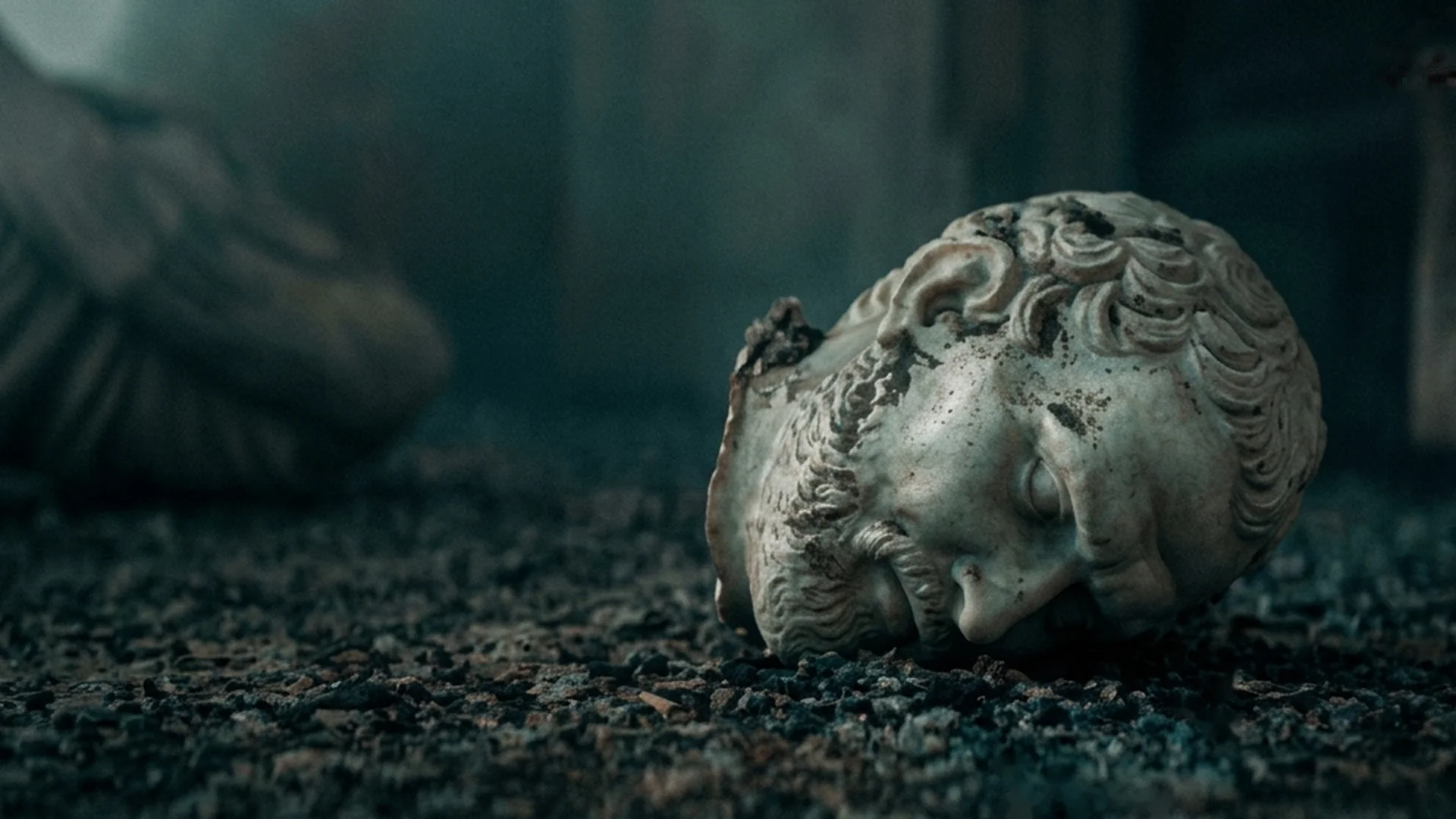
The documentary’s best material is also its most understated, and it comes from the historian Steven Tuck, who went looking not for what Pompeii left behind but for what it is missing. The strongboxes where households kept their cash were found open and empty. The stables held no animals. The docks held no boats. The little shrines that every home kept, the ones a family would never willingly abandon, stood stripped of their figures. None of that is what a city looks like when it dies in an instant. It is what a city looks like when people saw the sky and packed. Tuck then did the patient thing and traced names, matching those carved on walls inside Pompeii to inscriptions and headstones in the towns nearby, and found the same people living on in Cumae and Naples and Ostia years later. The city did not only leave bodies. It left refugees. Archaeologists have recovered somewhere around eleven hundred bodies at Pompeii, in a town that may have held twelve to fifteen thousand people. The old reading treated the missing thousands as victims still waiting to be dug up. This one treats them as the measure of how many walked away.
Three People, Three Choices
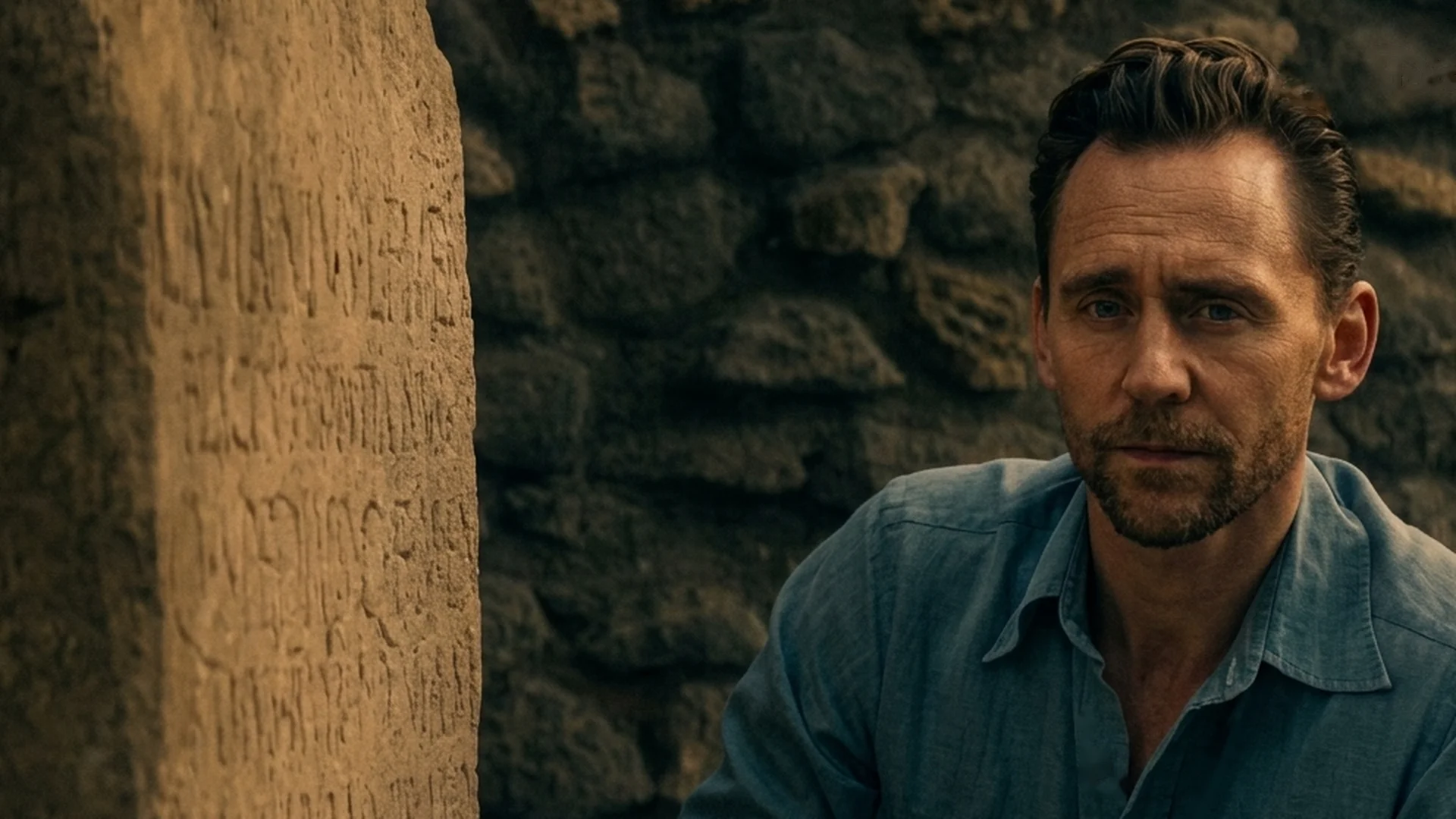
Instead of narrating all this from a distance, the series fuses documentary with scripted recreation and follows three real people through their last Pompeii day. One is Avianius, a teenage apprentice in a bronzesmith’s workshop. Another is Julia Felix, a wealthy businesswoman whose grand estate shows the marks of an organized, unhurried evacuation, the exit of someone with the means to leave early and well. The third is a Roman soldier, possibly a member of the Praetorian Guard, reconstructed from the sword and belt found with him, a man who by the look of it stayed. Hiddleston works as a kind of time detective, reading graffiti and grave goods to rebuild lives, and the effect is to turn a mass tragedy back into a set of individual decisions. It is the same instinct Shipwrecked: Nightmare at Sea brought to the Costa Concordia, slowing a disaster down to the minutes when the people inside it still had a choice.
What the Casts Really Are
None of this makes Pompeii less sad, but it changes the shape of the sadness. The casts we file past in museums are not a portrait of the whole city. They are the ones who waited too long, or who went back for something, or who never had the means to leave in the first place, and there is a particular grief in learning that some of them did not have to die where they fell. The emptied strongboxes are the other half of the record, the quieter, harder to display half, standing in for everyone who read the sky correctly and walked out of history’s most famous death scene alive. The documentary form has a knack for this, going past a surface everyone thinks they know to the ordinary people underneath it, much as My Grandfather Charles Manson did this month with a name the world was sure it understood. Pompeii, it turns out, was never only a place where time stopped. For a long, awful, decisive day, it was a place where people still got to choose, and more of them chose to live than we ever put on display.