

Mark Kimball wins more than an election at the end of Netflix’s 2026 thriller Animals. He gets to tell the public that he fired the shot that saved a kidnapped child. Ramon actually pulled the trigger, rescuing his son Hector and Mark. By claiming that act, the mayoral candidate gives voters a reason to admire him while keeping the uglier decisions behind the rescue out of his campaign story.
Yet calling Mark a man who did nothing would let the ending off too easily. He does help Hector. The question is how much that help entitles him to claim—and what happens to the father whose intervention keeps him alive.
Mark Does Help Hector
Mark’s involvement begins with a mistake: he and his wife Abigail believe their own son, Denny, has been kidnapped. The captive is Hector, whose father Ramon is the partner of the Kimballs’ housekeeper, Cecilia. Once that becomes clear, helping the boy requires Mark to act beyond his immediate family.
Netflix’s account of the final confrontation makes his contribution specific: Mark catches Hector when the boy is pushed down into the river channel. Ramon subsequently shoots the remaining attacker. Both actions matter. A fair account could acknowledge Mark’s courage without assigning him Ramon’s shot.
Mark has something real to put before voters, but he takes more. The invented shot turns a man who needed rescue into the person credited with providing it.

What Mark Leaves Out of His Story
Mark also has decisions to conceal. He chooses the fixer Dayle’s plan to kill the kidnappers, then takes her phone after she is shot. It contains recordings that could expose him. Those facts complicate the version in which a desperate man simply does whatever is necessary to protect a child.
His public account asks people to judge a much simpler choice: would you risk yourself for someone else’s child? The evidence he removes would invite harder questions about the methods he approved and his conduct afterward. Accepting praise for the rescue lets him present an answer to the first question while avoiding a full accounting of the others.
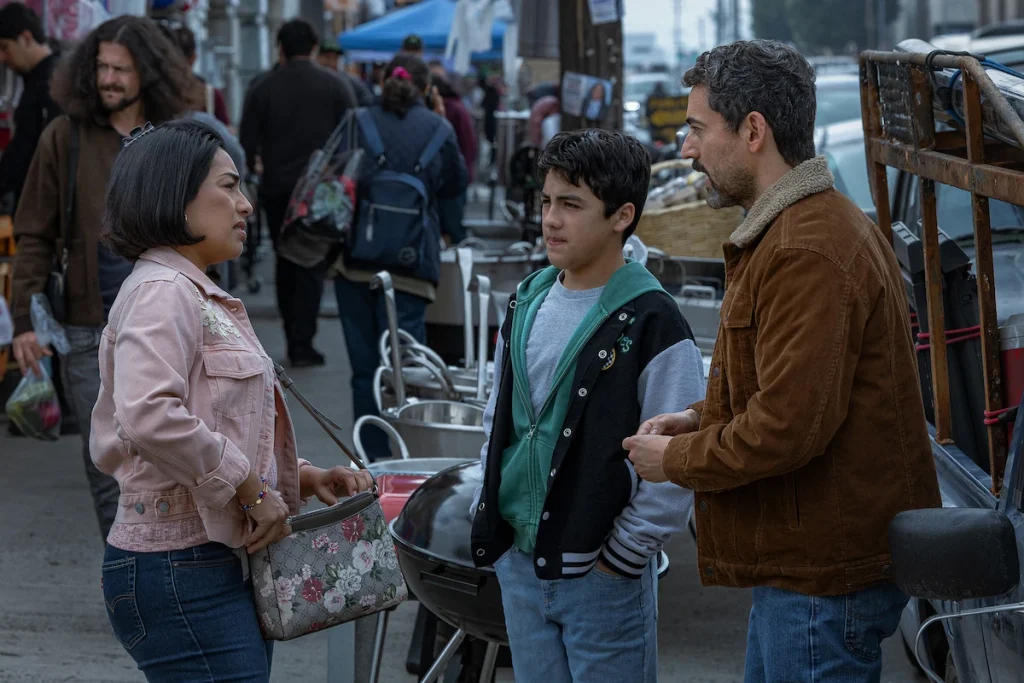
What Ramon Gets from the Deal
Ramon leaves with something substantial. Radio Times’ ending account describes him, Cecilia, and Hector departing for Mexico with the ransom money. Ramon’s cooperation makes the revised account possible. That outcome prevents a reading in which Ramon is simply forgotten once his usefulness to Mark ends.
Hector is already safe when this arrangement becomes possible. The money concerns what comes afterward. Ramon is undocumented, and publicity exposes a vulnerability Mark does not share. That gives the departure a practical importance beyond avoiding an argument about credit.
Accepting money under those conditions does not prove Ramon regards the public story as fair. A family can find an arrangement useful while the person offering it gains far more freedom to describe what happened. Mark can build a career around the rescue; Ramon’s cooperation helps him do so without having to share its defining act.

Winning the Election Does Not Settle What Mark Did
Mark’s election victory rewards the rescue story that reaches voters. They can respond sincerely to an admirable act while being misled about who performed it. Mark could have acknowledged Ramon’s intervention and still explained the risk he took. Instead, he makes a rescued child the evidence for a better version of himself. The election confirms that this version worked; it gives us no reason to accept it as the truth.