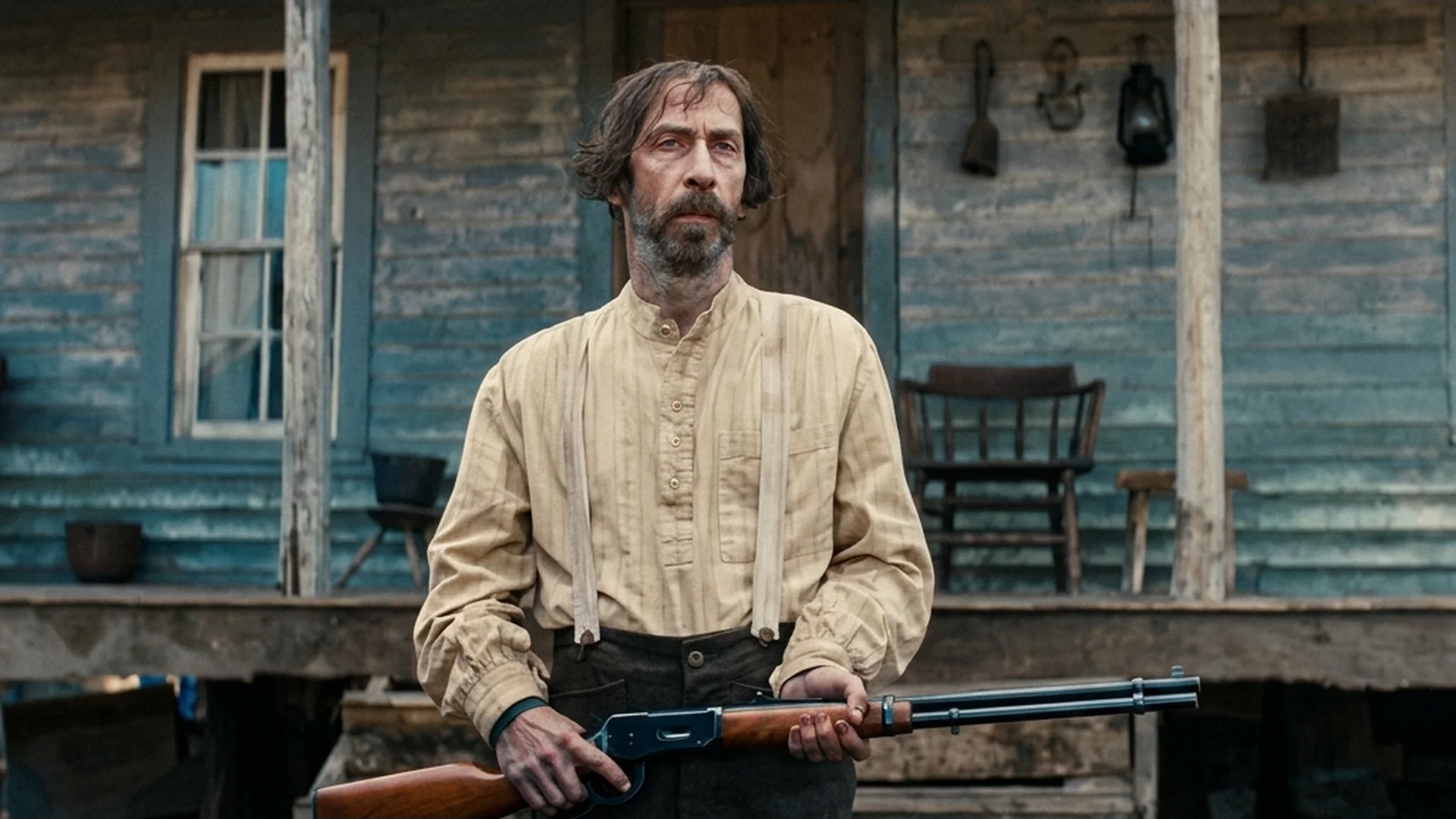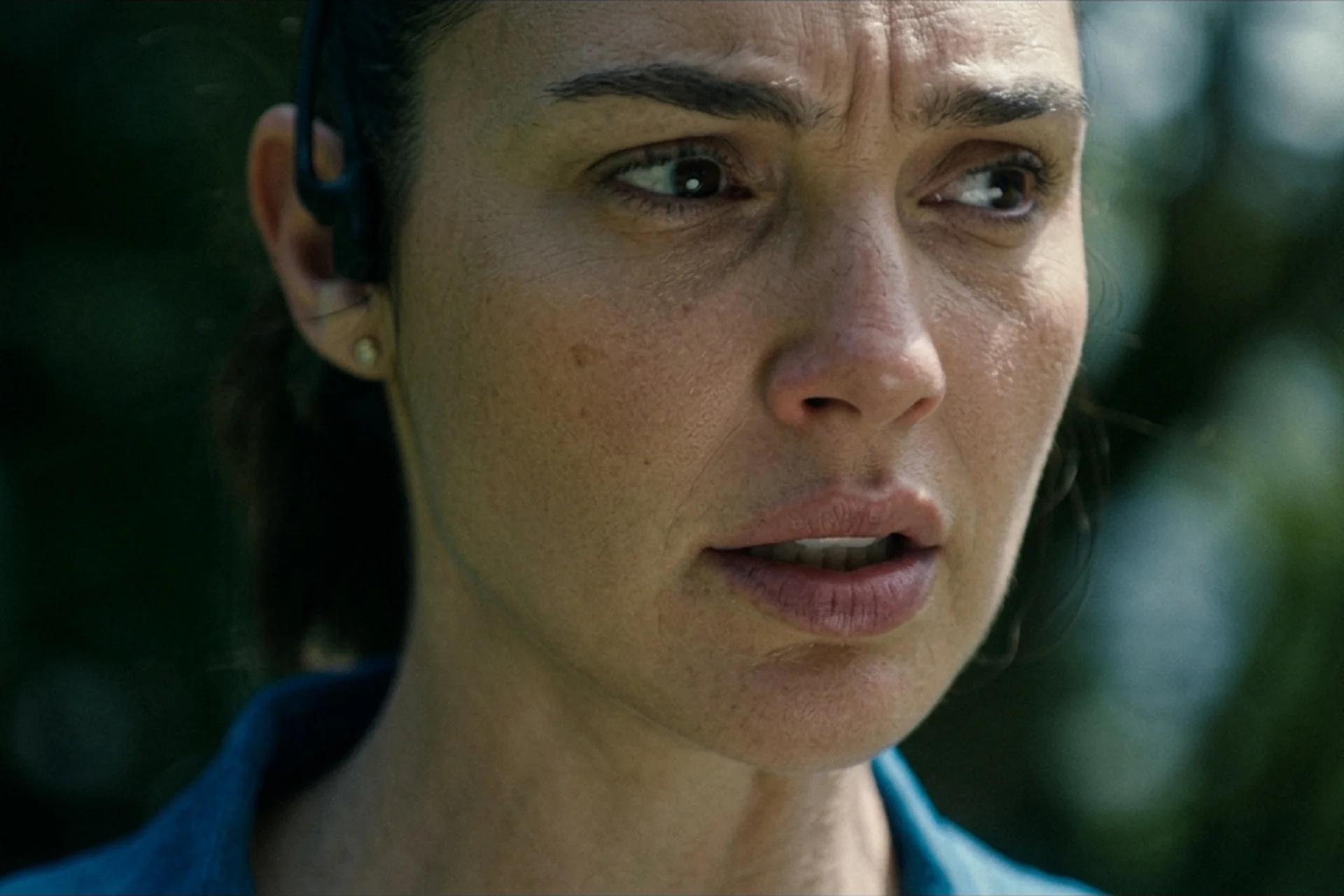

Emaline controls Carrie during part of the prom massacre in Prime Video’s 2026 Carrie, but two crucial moments fall outside that control. Carrie accidentally kills Tommy, her prom date, before Emaline takes over. Later, she kills Chris and Billy, the pair behind her public humiliation, while acting for herself. Blaming Emaline for the entire night would erase both an accident Carrie never wanted and violence she carries out without that intervention.
The useful question is when Emaline takes control. Her involvement changes Carrie’s responsibility from one event to the next; it does not give us a single explanation for every death.
Who Emaline Is
Emaline is a real person with psychic abilities, although her appearances to Carrie initially make her seem like an imaginary companion. She can project herself beyond her physical body. That makes her presence difficult for other people to verify, but it does not make her a personality Carrie has invented.
There is an uncomfortable imbalance in this friendship. Carrie needs someone who understands her abilities, while Emaline already knows more about the world those abilities belong to. In his Television Academy interview, creator Mike Flanagan describes Emaline’s initial role as observing Carrie on behalf of other women with powers. Friendship develops within an arrangement Carrie does not fully understand.
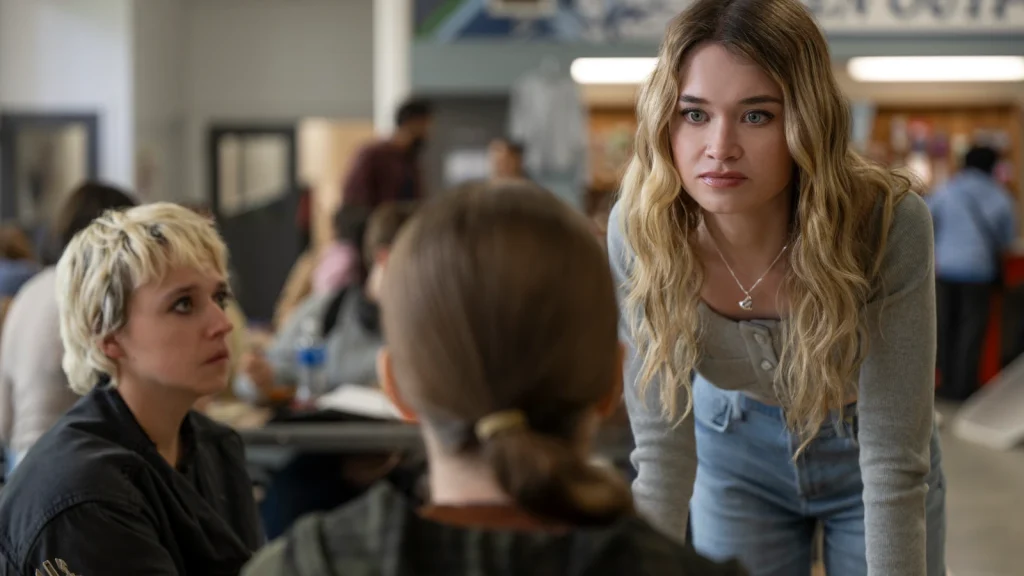
Tommy Dies Before Emaline Takes Control
Tommy’s death comes before the handover. TVLine’s account of the finale describes Chris and Billy rigging the prom vote and humiliating Carrie with pig’s blood. Carrie brings down scaffolding with her powers, accidentally killing Tommy. Emaline intervenes after that loss.
That order prevents an easy reading of the takeover as Carrie’s first step toward revenge. She has already used her powers with a fatal result. Yet Tommy’s death also shows why the word revenge is inadequate on its own: he is her date, and killing him is an accident. The harm has reached someone outside the pair who arranged the humiliation.
For Carrie, accepting help now means doing so after discovering that her own powers can kill someone she did not mean to hurt. That makes her vulnerability to Emaline more specific than anger at her classmates.
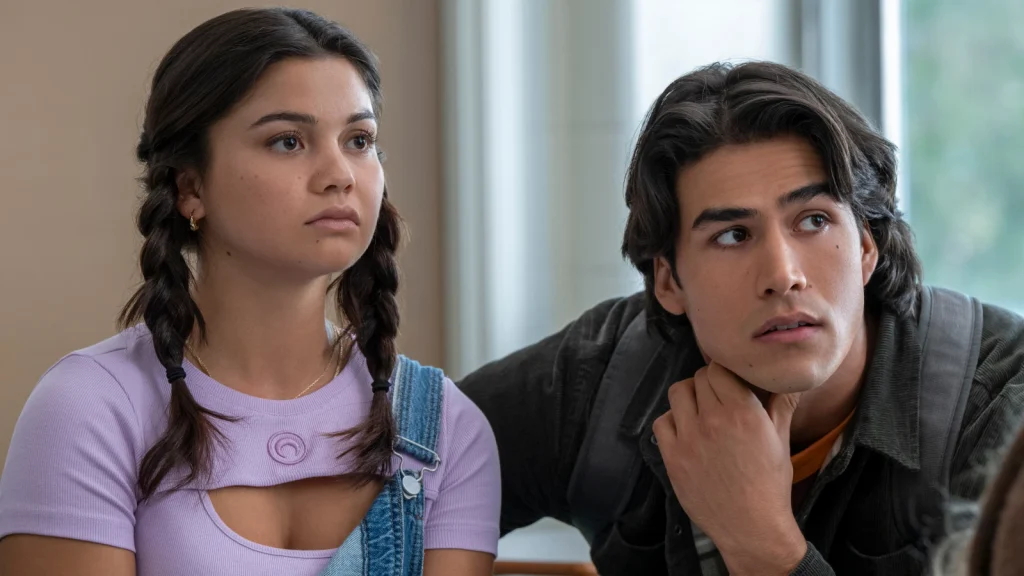
Carrie Kills Chris and Billy Herself
Carrie is also in control when she kills Chris and Billy. Flanagan tells the Television Academy that Emaline is standing apart from Carrie at that point. His explanation identifies Carrie as the person acting, rather than leaving the car sequence under the same control as the earlier massacre.
The encounter includes an attempt to run Carrie over, followed by a car crash. TVLine and TV Insider both describe Carrie killing the pair inside the wrecked vehicle. Leaving out the attack would make the confrontation sound like revenge for the humiliation alone. Leaving out what happens after the crash would blur the separate act of killing them. Carrie’s control of her powers tells us who acts; judging that action also requires the circumstances.
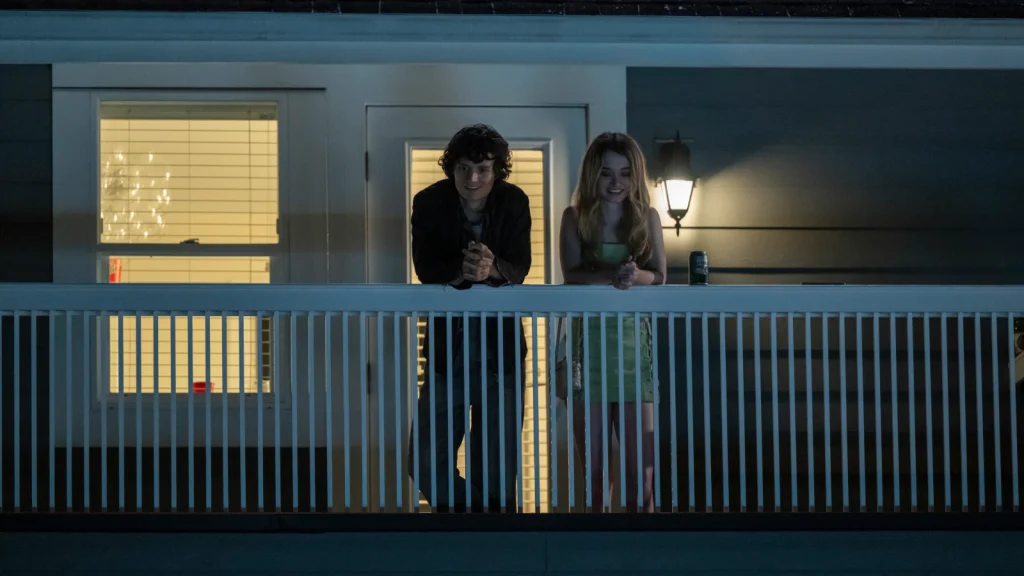
What Carrie Understands During the Takeover
Carrie’s awareness during Emaline’s control is less easily measured. Both Flanagan and Carrie actor Summer H. Howell describe her as still experiencing what happens. Howell’s interview with TheWrap adds an important qualification: Carrie does not fully trust Emaline when she accepts the intervention. Howell understands that acceptance as a desperate wish to escape the moment.
Being present for the destruction, allowing someone to intervene, and intending each death are different claims. The first two do not establish the third. It would be just as careless to assume Carrie intended every act during the takeover as to use Emaline to excuse everything Carrie does afterward.
Carrie survives and leaves with Emaline. That puts the person who helped her through the disaster in a position to shape how she understands it. Emaline has offered knowledge and companionship, but she has also used Carrie’s power to hurt people. Their departure leaves Carrie dependent on someone whose account of that night she has reason to question.