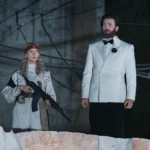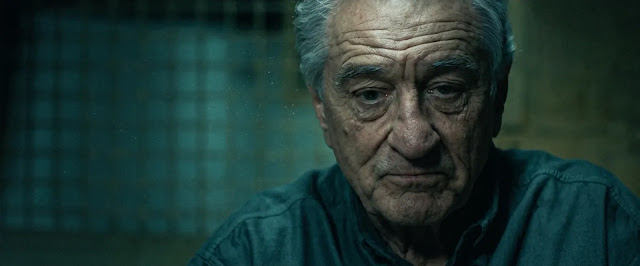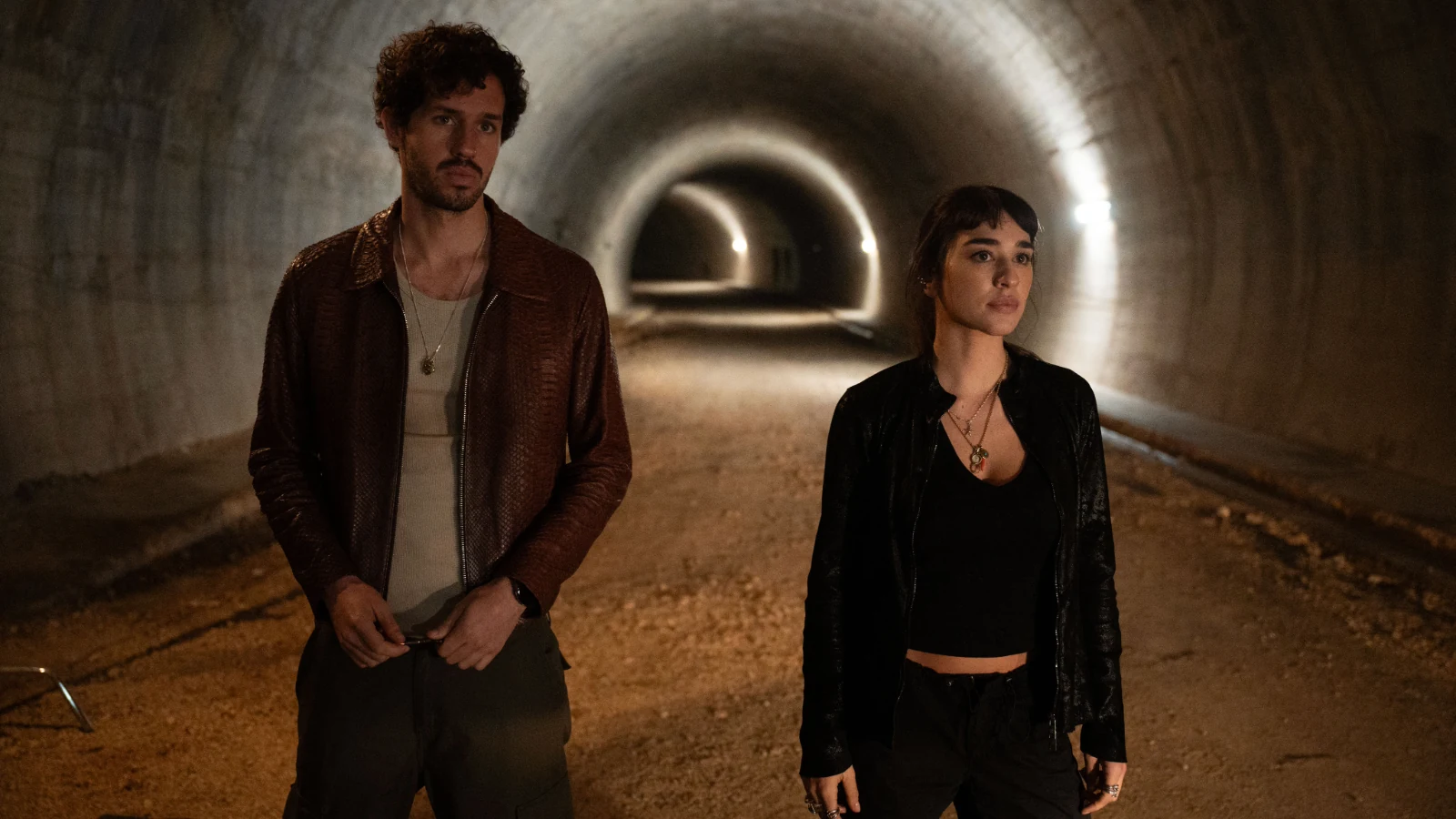
Hacker Chiara and explosives specialist Jay help Roger escape from prison at the end of Masterplan even though they know he isn’t their father. His decision to let them get away while he accepts arrest gives them a reason to return for him. The family history was invented; the time he spends behind bars is real. Their rescue makes most sense as a response to that action, with a considerable risk attached: they are choosing to work with someone who has already made fools of them.
Prime Video’s heist comedy starts with a more convenient arrangement. Stanley Tucci’s Roger recruits Chiara, an Italian hacker, and Jay, a French explosives specialist, to steal the Mona Lisa. He also claims to be their long-lost father. A job offer now comes with an explanation for the gaps in their lives. That gives Roger influence a fee alone wouldn’t buy, and makes the eventual betrayal harder to separate from the robbery.
Why Roger Pretends to Be Their Father
Roger uses the father story to recruit people whose skills he needs without being honest about what they will get in return. The Cinemaholic’s account of the deception explains that he owes a dangerous buyer and needs the painting to resolve his own trouble. The fortune he promises his supposed children is part of the sales pitch. They are taking risks on terms he knows are false.
He supplies apparent corroboration, too. As Digital Mafia Talkies details, Roger presents DNA results, and Jay’s mother confirms his story. Later, her confirmation is exposed as something Roger paid for. Jay has tried checking with someone outside the proposed team, only to find that the check was compromised. The scam works partly by making Roger’s claims seem independently verifiable.
It would be too easy to dismiss Chiara and Jay as thieves who should have known better. Being good at a break-in doesn’t make someone immune to wanting an answer about a missing parent. Roger exploits that possibility. The lie also gives them a reason to question their own judgment: which parts of the relationship did they choose, and which did he arrange for them?
The Difference Between Roger’s Two Escapes
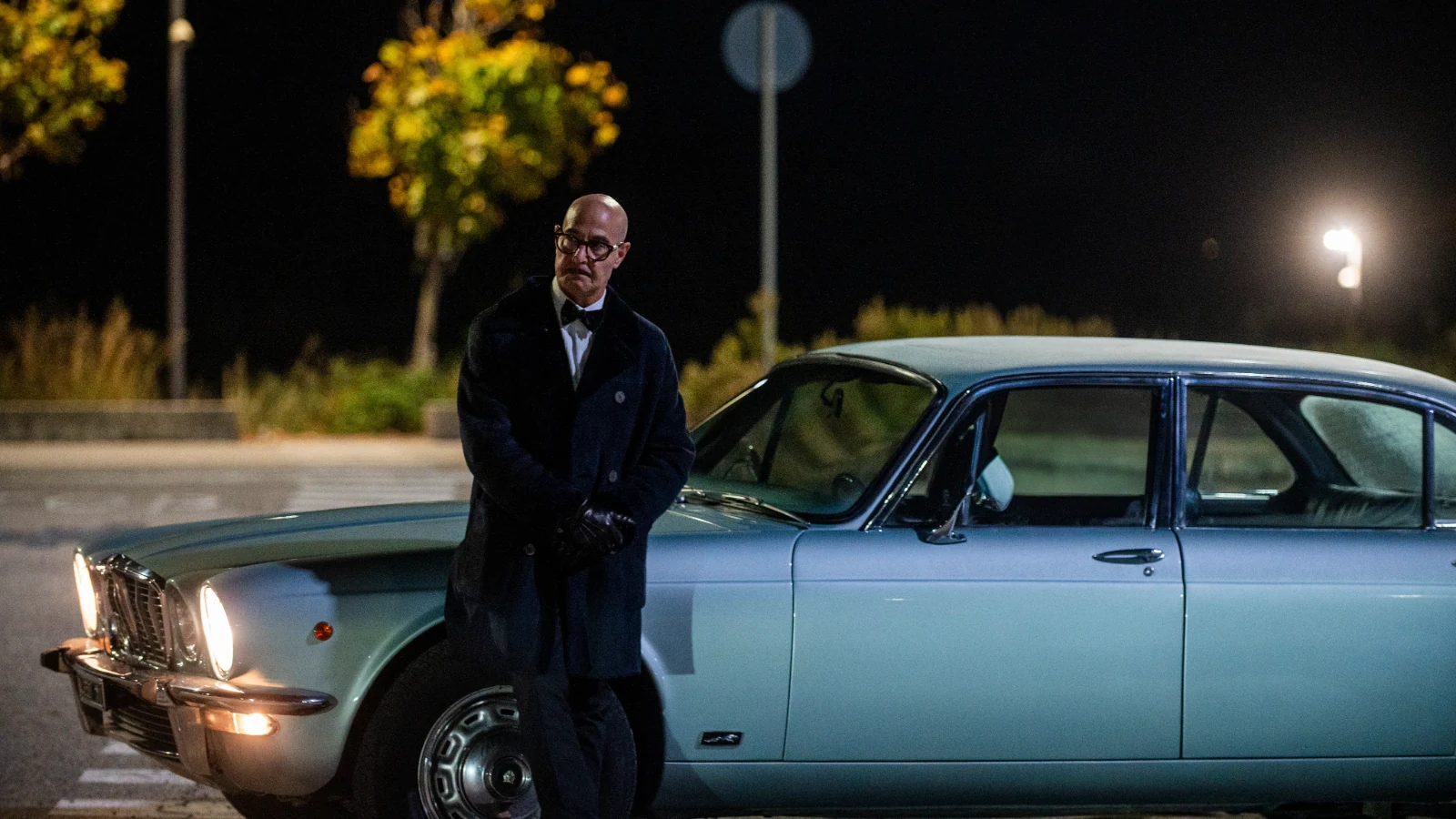
Roger’s first apparent attempt to protect the pair is another trick. After the theft, he sends them away in the Jaguar with what they believe is the Mona Lisa. A concealed mechanism removes the painting from the car. They discover the empty trunk after leaving him behind. His helpful instructions have separated them from the object they did the work to steal.
The later escape ends differently. Roger lets Chiara and Jay use his way out and surrenders to the authorities. A year in prison follows. Whatever advantage his earlier performance secured, this decision has a cost he cannot merely talk away. The pair leave with their freedom while he loses his.
That repetition provides a reason to reconsider him. A promise to stay behind means little after the Jaguar trick; actually ending up in prison gives the promise substance. It still doesn’t establish that arrest was the only possible solution. The important point for their relationship is the unequal outcome Roger accepts, rather than a claim that the escape plan could have worked no other way.
Why Chiara and Jay Come Back a Year Later
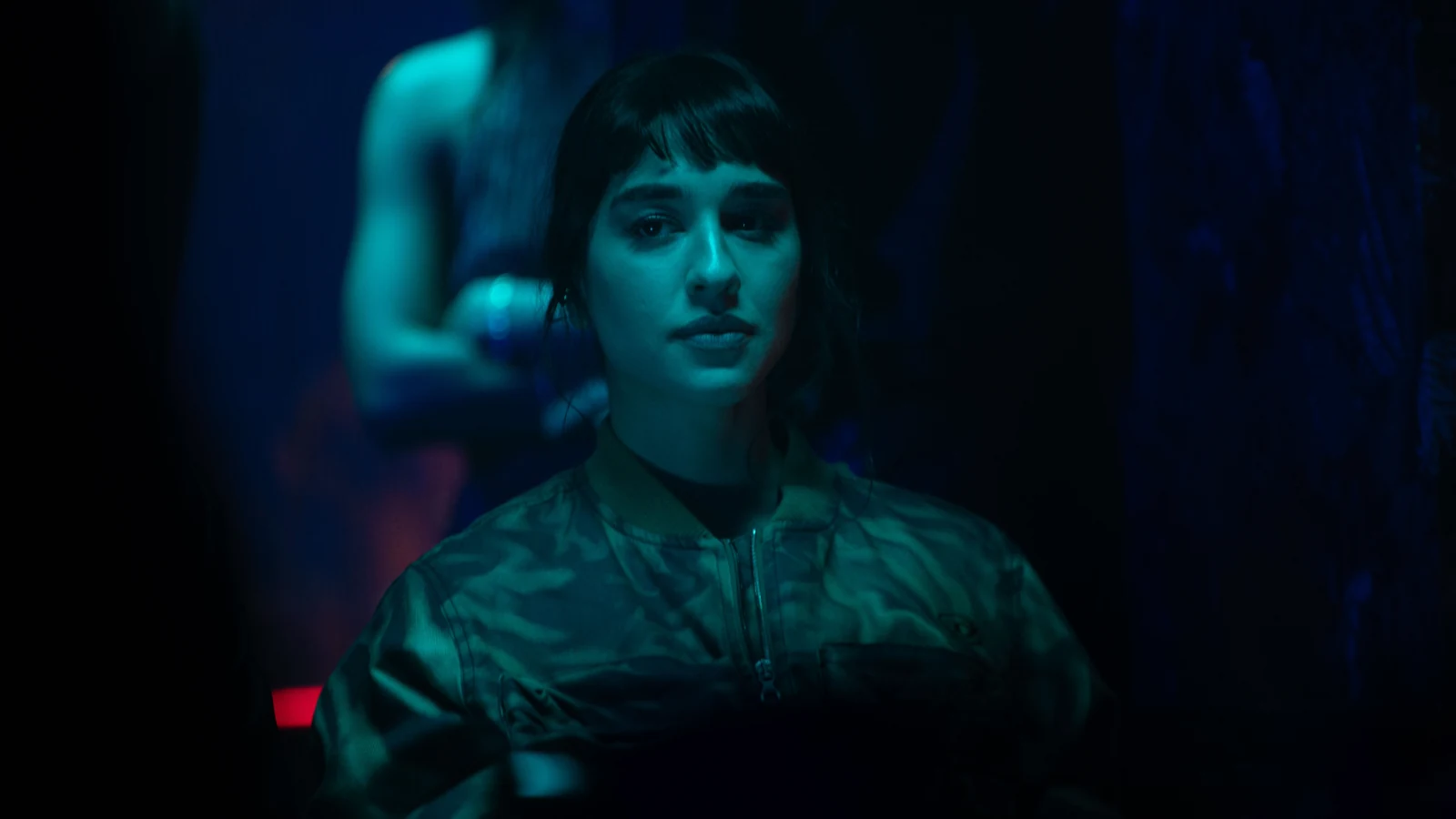
Chiara and Jay repay Roger’s help a year later by assisting his escape. By then, they have been free while he has remained in prison. They could have left him there. Coming back exposes them to fresh trouble, so the decision needs more explanation than simple gratitude.
There is a real objection here. In his Ready Steady Cut analysis, Jonathon Wilson questions both Roger’s sudden fatherly behavior and the pair risking their freedom for a man who repeatedly deceived them. That concern survives any explanation of the plot. Understanding why they might feel grateful doesn’t make their next decision sensible, and the rescue offers no guarantee against another betrayal.
The narrower reading is more convincing: they decide his help deserves a response. They don’t need to believe his invented biography to make that choice. Nor does helping him require us to imagine that every grievance has been settled. The ending establishes renewed cooperation. How much trust that cooperation can bear is a harder question than the prison break answers.
What the Mona Lisa’s Hiding Place Leaves Unresolved
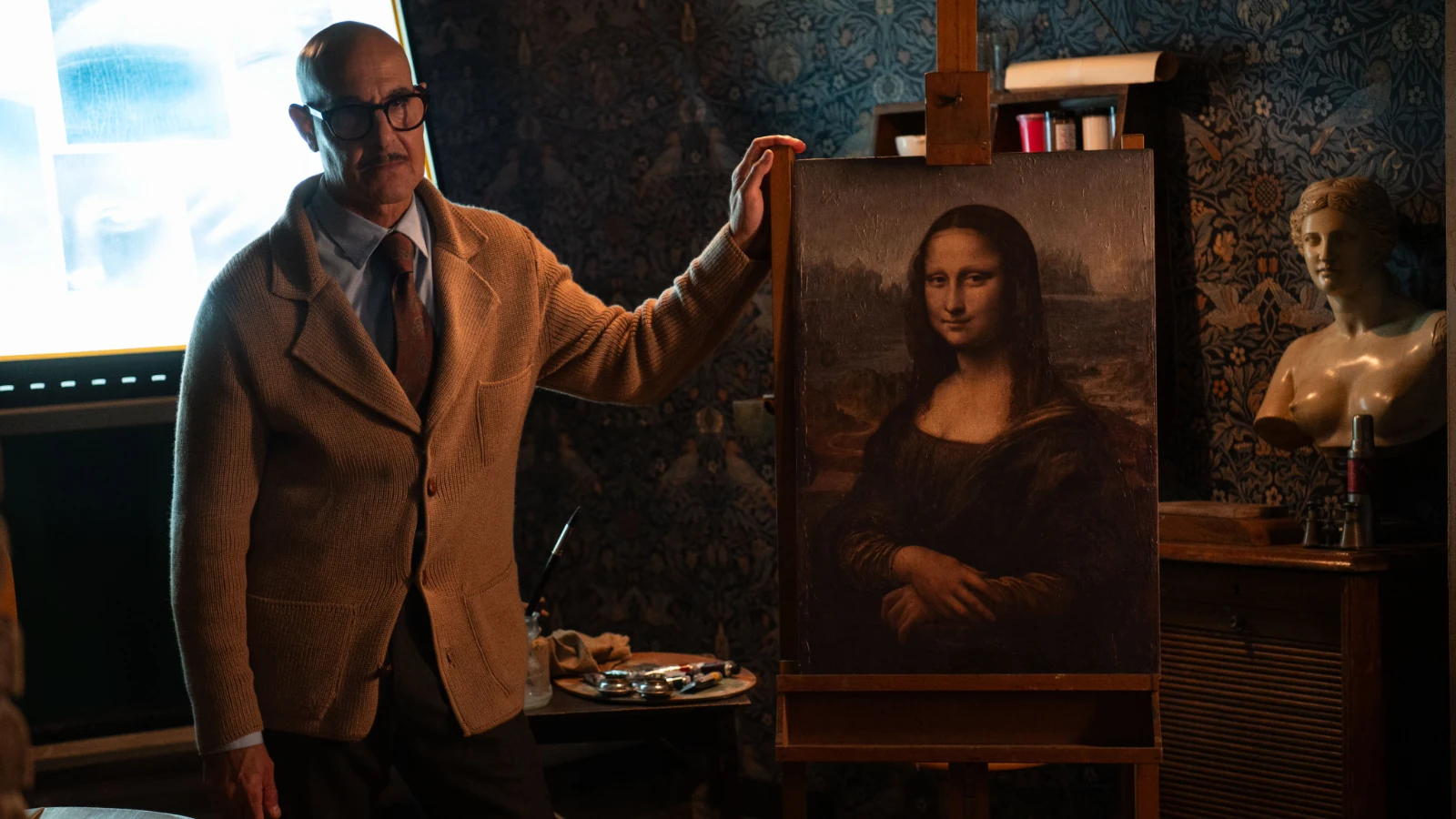
The Mona Lisa’s final location shows how limited Roger’s reform is. The buyer received a forgery; the real painting is hanging in an ordinary Italian restaurant. The Review Geek also identifies the casually displayed original in its ending account. The theft has not been undone, and the reunited group has not become respectable simply because its members have helped one another.
Roger has helped Chiara and Jay, but he hasn’t given up the stolen painting. That makes their reunion easier to understand as an agreement among thieves. Their work together can continue with fewer illusions about the man organizing it. There is affection in that reading, alongside a shared willingness to benefit from a crime that remains unresolved.
The rescue brings Roger back into a crew whose members now know enough to refuse him. That is the change his surrender makes possible. He gets another chance to work with Chiara and Jay, but the father story can no longer do the persuading. If they stay, he has to deal with them as people who know how his con worked.