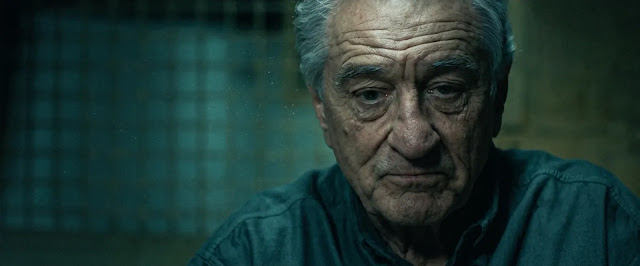
River Cartwright lets his father, Frank Harkness, walk away in the Slow Horses season six finale after a rescue and a conversation complicate his attempt to arrest him. Frank has just saved his life, and their conversation briefly allows River to imagine a different relationship. But neither man is in good physical shape, and River's hesitation does not amount to a clear pardon. Co-executive producer Gaby Chiappe's explanation to TV Insider leaves him conflicted, rather than reconciled. That distinction matters when the man leaving is also responsible for violence against River's colleagues.
Jack Lowden's River is an MI5 officer; Hugo Weaving's Frank is his estranged father and a professional killer. At Diana Taverner's holiday house, their family connection runs straight through an operation in which River and the other Slough House agents are targets. A father rescuing his son might ordinarily resolve a conflict. Here, the rescue creates a fresh problem: what should River do with someone who has helped him while endangering the people he works with?
Why Frank Shoots Jane
Frank kills Jane, the assassin attacking River, after his employer's orders have changed. The immediate danger to his son ends, but the reason for Frank's intervention remains open to question. Chiappe acknowledges the practical explanation he gives while allowing that an attachment to River may exist beneath it. The scene supports uncertainty about Frank's feelings. It gives considerably less support to the idea that he has suddenly become a dependable parent.
The distinction is especially uncomfortable because River receives something he genuinely needs. He survives an attack. Gratitude would be understandable, even toward this particular rescuer. Yet gratitude cannot settle what Frank should answer for afterward. River has to make a decision before he has worked through any of that, with the person who caused so much damage now sitting close enough to talk to him as a father.

River Wants an Answer from His Father
Their drink together creates room for a question that an arrest would not answer: what could their relationship have been? River's grandfather has died, and Sid Baker is absent at this point in the finale. The father before him is hardly a comforting alternative. Still, wanting something from Frank does not require River to believe that Frank can provide it. A person can recognize a parent's failure and remain painfully interested in what that parent might say.
That makes the conversation more difficult to dismiss as simple weakness. River's professional judgment has a clear object: a dangerous man who should be detained. His personal question is much less manageable. Frank is available for a conversation now, perhaps briefly, and River cannot replace him with a better father by doing his job correctly. Recognizing that desire explains the hesitation without making the decision a good one.
There is also a limit to how much intention we should assign River. Chiappe stresses the condition both men are in. The Cinemaholic's separate account describes River trying to hold Frank at gunpoint as help approaches, then directing the arriving agents toward his escape. Those actions complicate a clean reading of forgiveness. River fails to prevent the departure, but he does not simply welcome it or decide that Frank deserves freedom.

Letting Frank Leave Does Not Settle River's Future
The colleagues around River keep the encounter from becoming a private family matter. Frank has killed Emma Flyte, and Louisa has been wounded in the fighting. Frank's intervention on River's behalf cannot give those losses a different outcome. Any generous interpretation of his conduct has to account for the people who received no such protection. River gets the chance to sit with his father because he has survived; others have paid for the operation that brought them together.
Later, River hears that a light is on at his late grandfather's house. He connects it with Sid and goes there, hoping to see her. That movement gives his evening a different purpose after Frank's departure. The person he seeks out is someone with whom a relationship might still develop, in a place associated with the grandfather who raised him. His father has occupied part of the finale without becoming the person River goes home to find.

Inside the house, River prepares for time with Sid, considering what they might drink while she is upstairs. After the confrontation with Frank, these ordinary preparations give him something else to think about. Then he collapses. His poisoning leaves the hoped-for reunion in danger and his future unresolved. The evening has moved from a conversation about the father he might have had to the prospect of being with Sid. Neither encounter gives him a secure ending.
The most convincing reading of Frank's escape is therefore an unfinished decision made under pressure. River neither achieves the arrest his job calls for nor receives a relationship that compensates for letting the opportunity pass. He has a conversation, survives his father, and allows him to leave. That is enough to explain why the moment hurts without granting Frank the forgiveness he has done so little to earn.