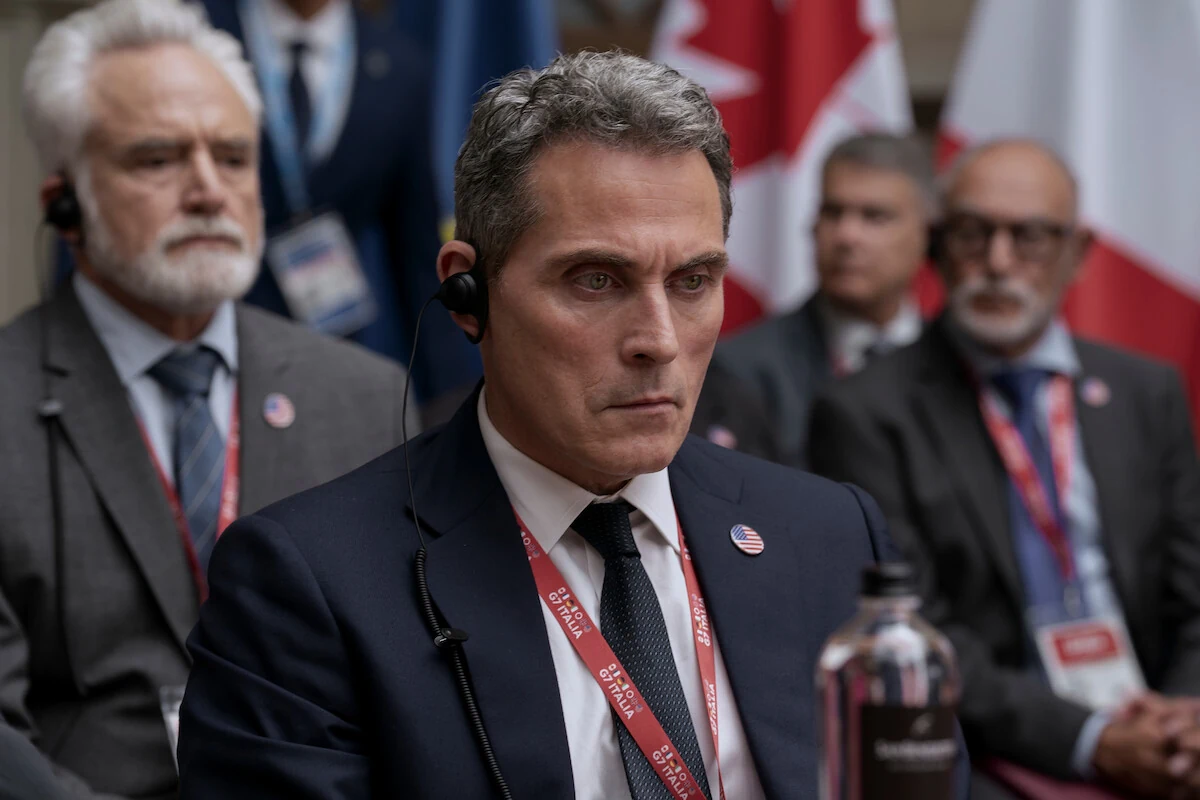
Vice President Hal Wyler finally walks out in The Diplomat Season 4 after his argument for staying close to President Grace Penn becomes harder to defend. He has treated access to her as a way to influence dangerous decisions. At the G7 summit, that confidence gives way to public obedience. His wife, Ambassador Kate Wyler, leaves first. Hal eventually follows, bringing his political allegiance back into line with hers, though his motives remain complicated.
Rufus Sewell’s explanation to TVLine leaves room for conscience, calculation, and Kate’s influence on that decision. That combination makes Hal worth examining beyond the satisfaction of seeing him join her. He has spent so long defending his usefulness to the administration that leaving also requires admitting something uncomfortable about his own judgment.
Why Hal Keeps Defending His Place Beside Grace
Hal’s reason for staying is that someone near Grace must still be able to change her mind. Sewell describes that calculation in his TVLine interview: alienating the president could cost Hal the influence he believes everyone needs him to retain. The argument has a practical appeal. An official who can prevent a dangerous decision has a reason to endure an unpleasant alliance.
The difficulty is deciding when that reason has stopped being true. If every objection must be postponed to preserve access, Hal can keep describing his silence as useful without showing what it accomplishes. The next opportunity to intervene is always somewhere ahead. Meanwhile, the president gets his continued cooperation now. His position needs to be judged by the decisions he can affect, including the ones he cannot bring himself to challenge.
An earlier Tudum interview about Season 3 helps explain the trap. Sewell discusses how people can use a favorable account of their intentions to justify doing what they want. Applied to Hal, that makes ambition difficult to separate from duty. Keeping the job can feel responsible and personally rewarding at once. He does not need to be lying about wanting to help for his judgment to become convenient.
Why Billie Loses Faith in Hal’s Influence
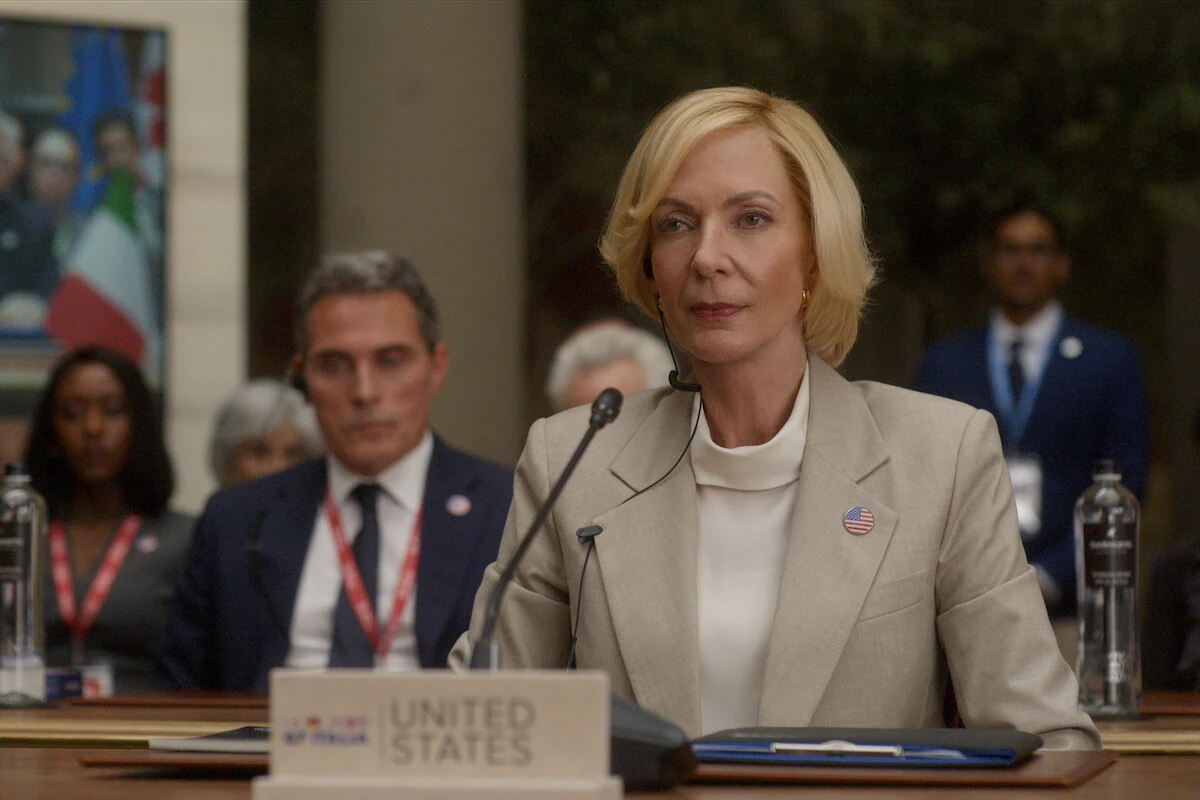
Grace’s instruction for Hal to sit down, and his compliance, exposes the weakness in that arrangement. In Netflix’s finale breakdown, Nana Mensah explains that Chief of Staff Billie Appiah had counted on Hal to restrain the president. Seeing him yield shakes that confidence. Sewell also connects Hal’s eventual departure with the humiliation of being ordered back into his seat.
Billie’s response gives the incident a consequence beyond Hal’s wounded pride. She has counted on him as a safeguard. Once that assurance fails, staying beside Grace becomes harder for Billie to justify. Her reaction suggests how much responsibility comes with Hal’s claim to influence: a colleague has relied on his ability to intervene, and his obedience leaves her without that reassurance.
Humiliation complicates the departure without making it meaningless. Being personally diminished can force Hal to recognize a problem he has been willing to rationalize. It also leaves a fair question hanging over him: would he have tolerated more if Grace had treated him with greater respect? The ending gives us reason to welcome his choice while remaining skeptical of the process that finally produces it.
Kate Leaves Without Waiting for Hal
Kate resigns publicly at the G7 after Grace threatens to fire on countries interfering with the American mission to keep Russian vessels out of European waters. The threat extends to America’s allies. Billie and Secretary of State Miguel Ganon leave too; Hal joins them afterward. Kate makes her decision before she knows whether her husband will stand beside her.
She has already tried protecting his position. In TheWrap’s interview, Keri Russell describes Kate pulling back when further opposition threatens Hal’s job. That makes the later walkout a change in what she is prepared to absorb for him. Preserving his career has become another demand on her judgment, alongside carrying out the president’s instructions.
Reading her exit mainly as a way of persuading Hal would shrink what she does. She is deciding what she can continue to represent professionally, with consequences for a marriage already entangled in those duties. His approval cannot be the condition for her refusal. That makes his eventual arrival meaningful: he must respond to a choice she has already made, rather than negotiate it into something more convenient for him.

Their alignment here offers a limited kind of reassurance. They can still arrive at the same public position after approaching it differently. It does not settle how much trust Kate should place in Hal’s private reasoning next time. Agreement on this decision gives them something to work with; it cannot explain away the choices that made agreement so difficult.
Why Kate Gives Hal the Microphone
Kate lets Hal address the press outside, but the finale ends before his statement is heard. Creator Debora Cahn’s TV Insider interview explains the practical importance of that handoff: a vice president’s account carries a public weight that an ambassador’s does not. Kate can initiate the protest and still recognize that Hal is better placed to explain it to the wider world.
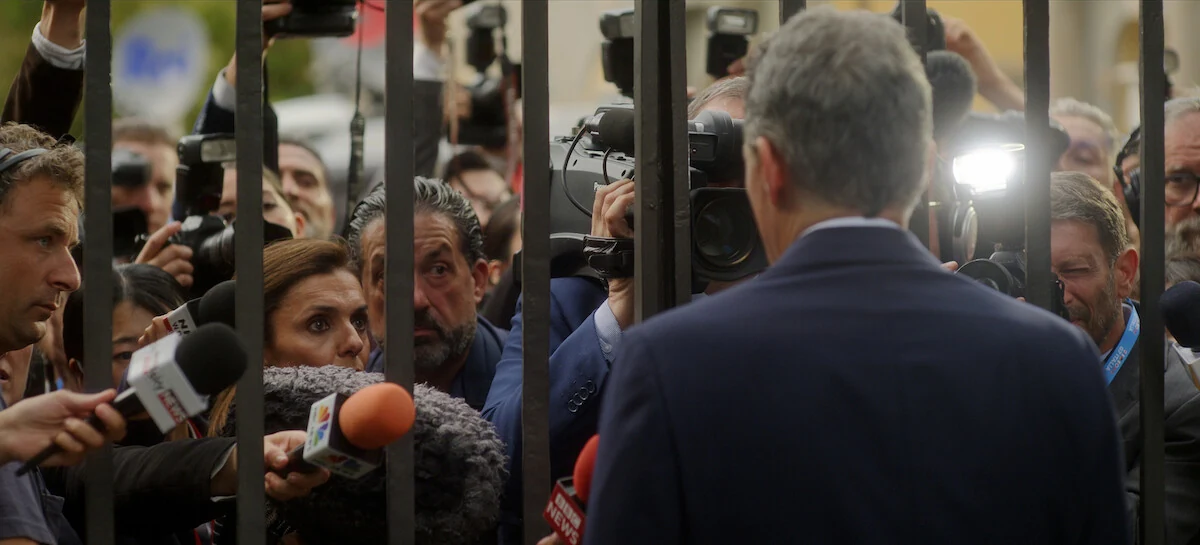
That leaves a more demanding test than simply appearing beside his wife. Hal now has an audience and an opportunity to say plainly what has gone wrong. We cannot supply the missing speech, or treat his exit as a completed plan for what follows. Having joined the protest, he owes an explanation of his own part in the administration and what he is prepared to do next. Kate has given him the microphone. His answer remains unheard.