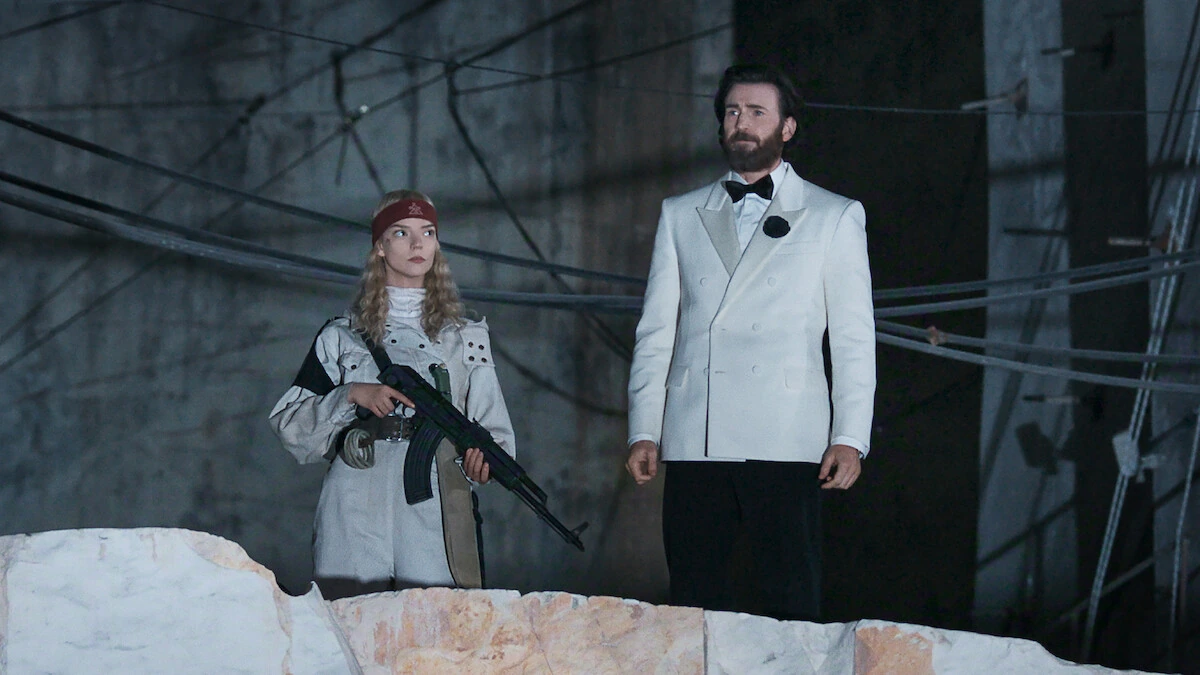
Mike Tyler has a way out. At the end of Netflix’s Sacrifice, the actor played by Chris Evans chooses to jump into the volcano even though rescue is available. He has come to believe that the sacrifice means something, but he still knows he is being filmed. Two desires come together: he wants to do something real, and he wants that act to be seen. The camera does not make his feelings counterfeit. It does make his transformation harder to separate from the habits of his life as a celebrity.
Cult leader Joan, played by Anya Taylor-Joy, believes human sacrifice can prevent a catastrophe. She assigns Mike the role of the hero who will help save the world. Understanding why he eventually accepts requires looking back at the escape he originally arranged for himself.
How Mike Plans to Survive His Hero Role
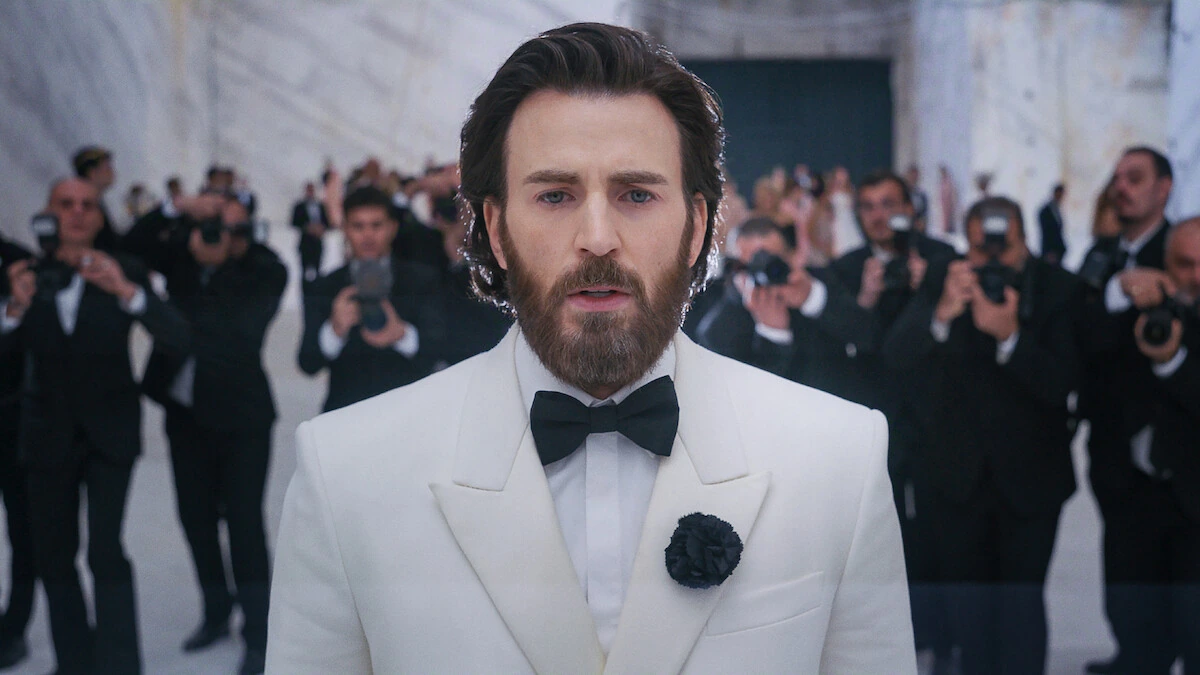
Mike is chosen as the ritual’s hero through applause at the hijacked charity gala. The guests effectively cast an actor in the role of their savior. Nothing about that selection establishes that he can save anyone. They recognize the famous man, and recognition is enough to put him in danger.
His early response makes practical sense for someone accustomed to managing an image. He arranges a helicopter rescue, with publicity as part of the plan. The danger could become the story of his return. He would emerge from the ordeal alive, with something more compelling to offer than another appearance at a benefit.
That arrangement matters because it prevents the ending from becoming a simple story of a captive who never had a choice. Mike has imagined an exit and helped put it in place. The helicopter’s arrival makes the abandoned alternative visible: he could survive this, then spend the rest of his career telling people about it. Whatever changes at the summit has to be strong enough to overcome an escape he actually wanted.
Why Mike Follows Joan Despite Her Doubts
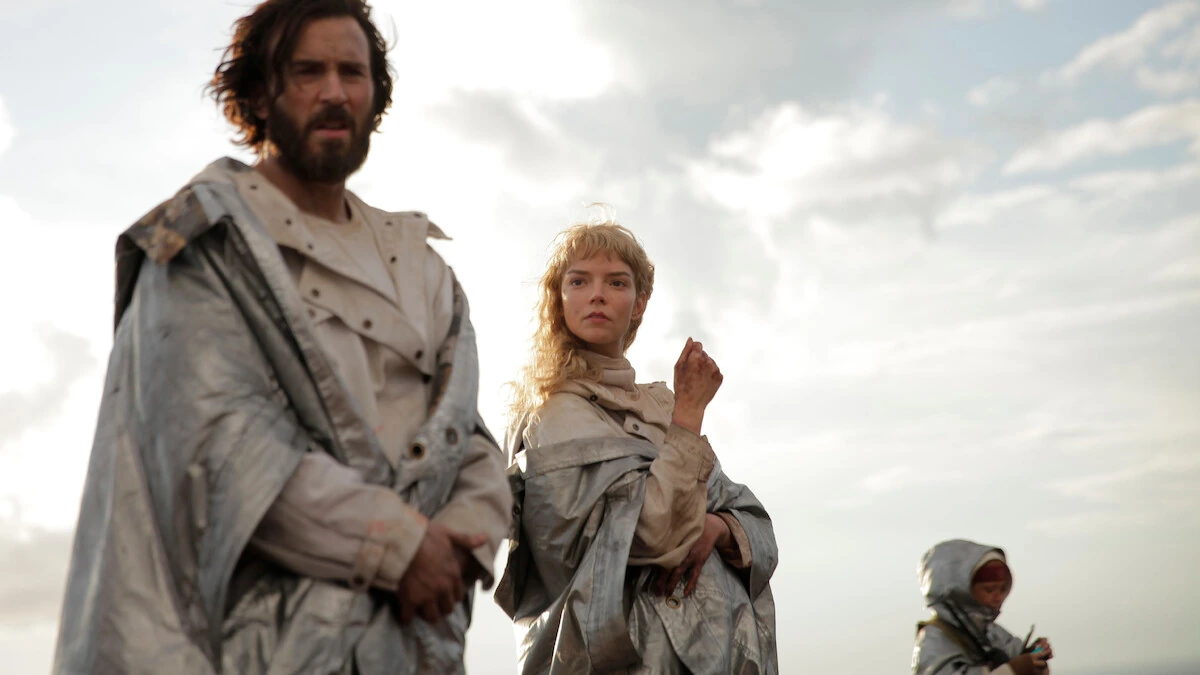
Joan’s certainty is damaged when an arrow wounds her during the escape from her father’s bunker. She had expected protection. Her injury gives her a reason to question the belief that brought everyone there, yet the journey continues toward the volcano.
For Mike, that leaves a much more difficult person to respond to than an invulnerable prophet. Joan can be frightened and wrong about her own safety. Her vulnerability helps explain why his involvement can become personal, but it does not establish that her demands are justified. Feeling for the person who believes something is a different judgment from accepting what she asks other people to suffer.
Director Romain Gavras told TheWrap that the confrontation between the gala’s performative crowd and people with strong faith does not automatically make the believers superior; conviction can become extremism. That warning is useful here. A reading that treats Mike’s death as an uncomplicated cure for his vanity gives Joan’s violence far too easy a pass. Mike may accept the cost for himself. He cannot make that decision on behalf of the other people caught in the ritual.
Why the Camera Still Matters
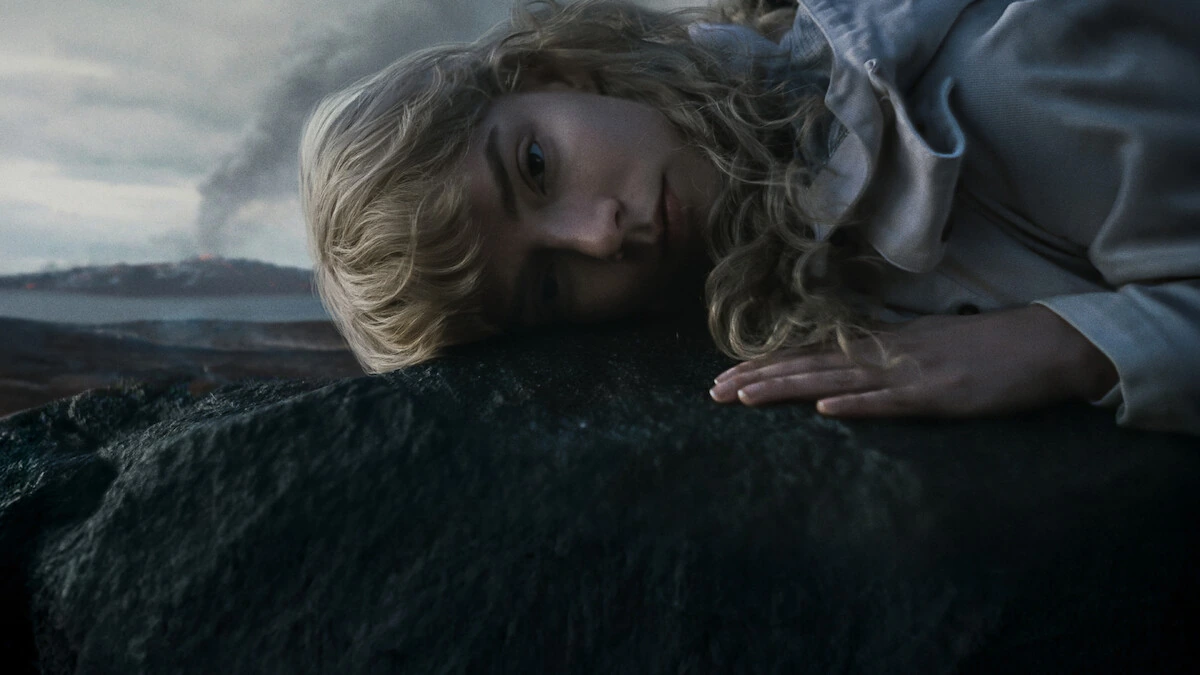
Before jumping, Mike puts his hand against the ground, repeating Joan’s attempt to listen to the volcano. Gavras’s explanation for Netflix treats his response as genuine while also acknowledging his awareness of the camera. Mike has begun participating in the belief he previously planned to escape. That gesture gives his change a specific form, without making the desire for an audience disappear.
The obvious objection is that a man who still cares about being filmed has learned nothing. I think that overlooks the change in his plan. He originally intended to return to his career; now he accepts that he will never come back. He can still want a lasting image of himself. Death does not rule out vanity. But it does mean that his desire to be remembered has become entangled with something he is willing to lose his life for.
The comparison with Mark’s claim to another man’s rescue in Animals is useful precisely because the acts differ. Mark can benefit from a heroic account he has distorted. Mike goes through with the act himself. Yet both stories make the public version of an event matter alongside what actually happened. Sacrifice’s camera preserves that complication even after Mike has stopped planning his comeback.
Does Mike’s Death Save the World?
The volcano grows quiet after Mike’s jump. The sequence invites a connection, but it does not settle whether the deaths caused the change. Gavras leaves the ending open to interpretation, even though his own preference is to believe Joan was right.
That uncertainty should remain part of the answer. Mike’s conviction can explain why he refuses rescue without proving that rescue would have doomed the world. The film gives us enough to discuss his decision; it does not require us to endorse the ritual to understand him. His final choice is disturbing because the available escape is real, his commitment has become real, and the benefit he believes he is buying for everyone else remains uncertain.