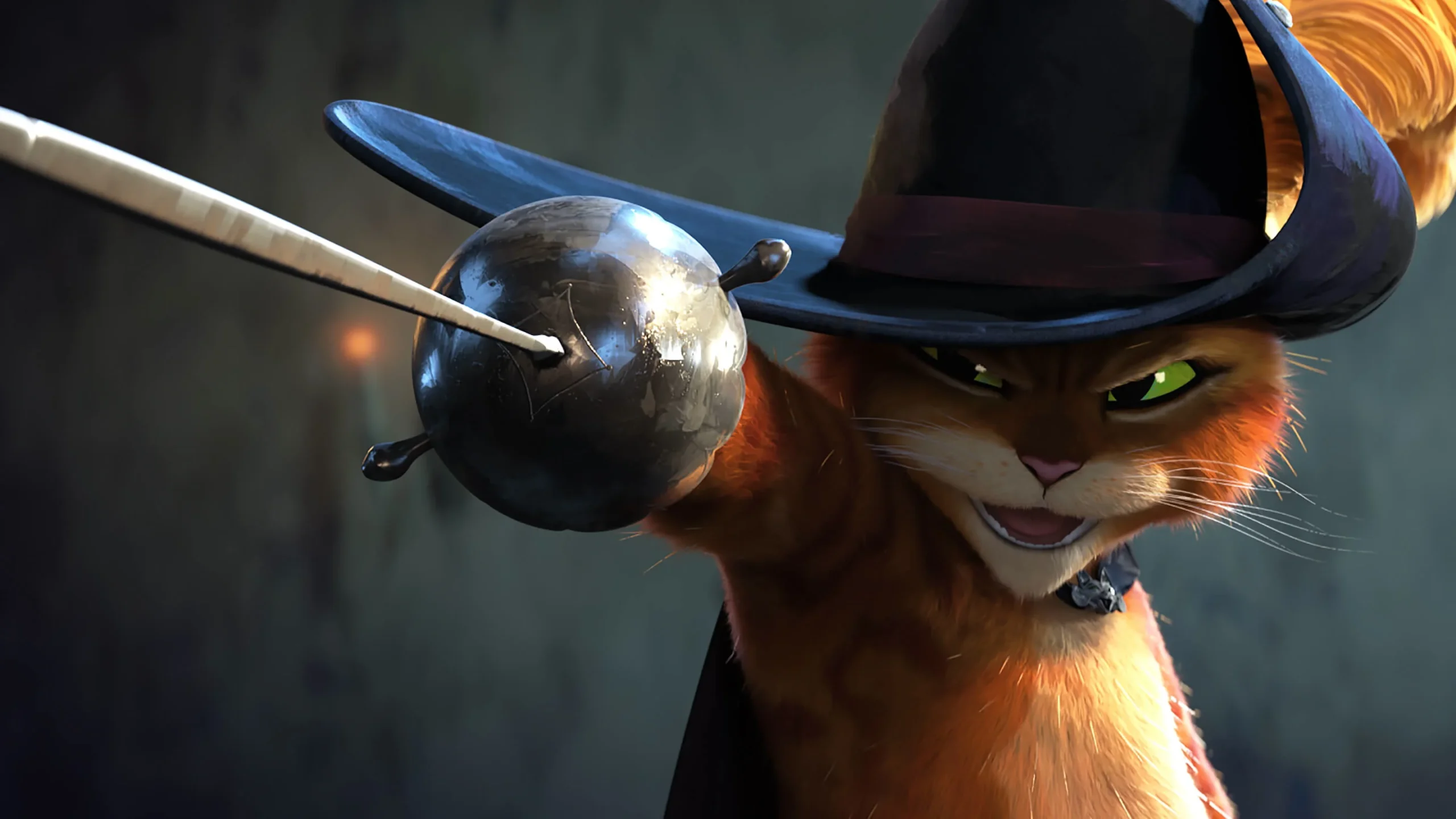
Death walks away because Puss has stopped treating his life as disposable. The wolf survives their final fight, recognizes the change in his opponent, and ends the pursuit. Puss gets to keep living, with one life left. He has neither killed Death nor won his missing lives back. That distinction, supported by the ending accounts in Looper and Film Colossus, explains why the victory in Puss in Boots: The Last Wish has a limit.
The film also gives us Jack Horner, an enemy who does have to be stopped. Keeping those two opponents separate is the ending’s smartest choice. Puss can accept that his life will end without agreeing to let someone take it from him.
Why Winning the Duel Is Not Enough
Universal’s synopsis sets up a straightforward bargain: Puss has used up eight of his nine lives, and the Wishing Star could restore them. Read that setup literally, and a successful adventure ought to leave him with a fresh supply. The ending refuses the refill.
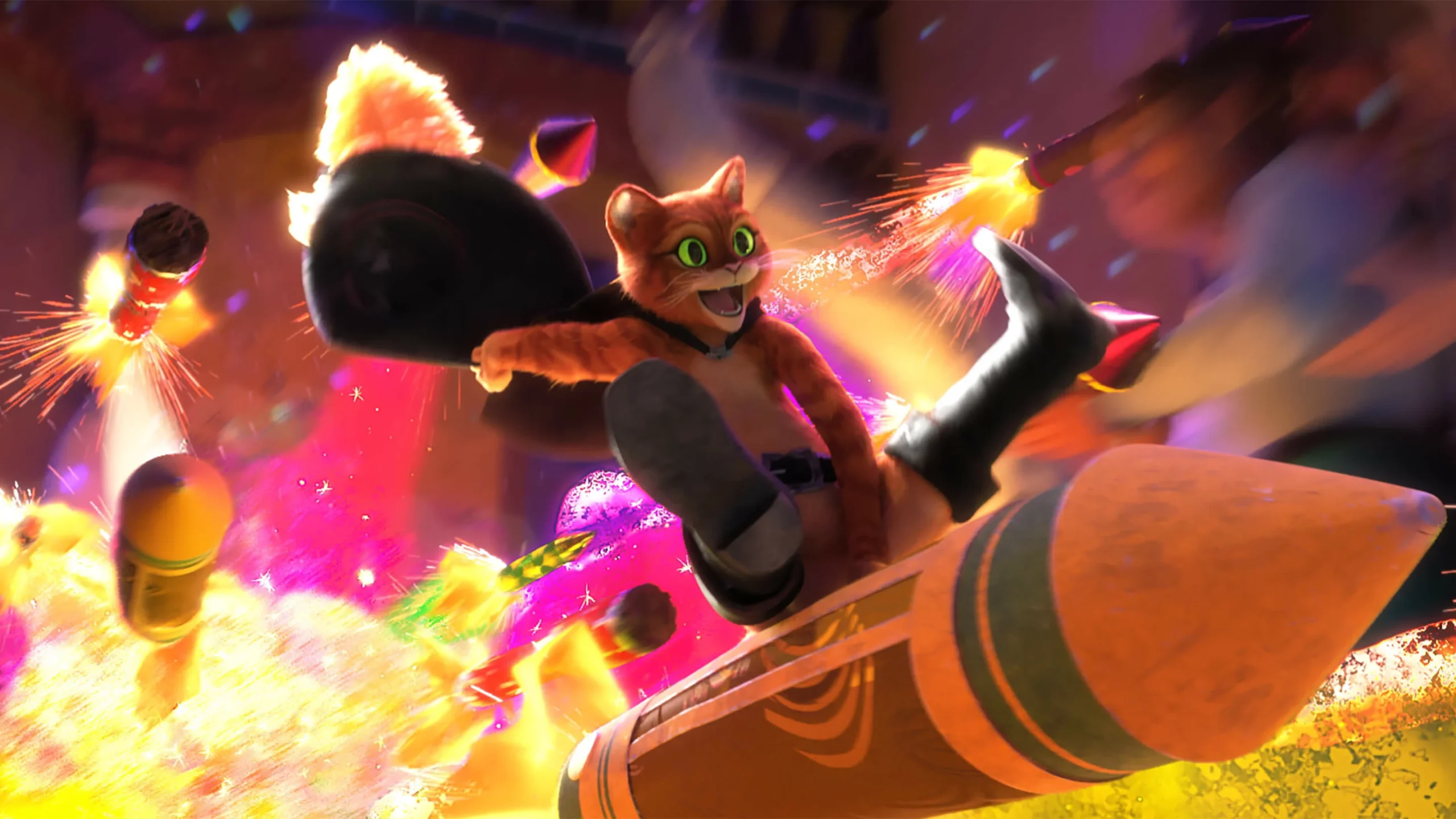
Director Joel Crawford offered a more useful explanation of the final confrontation in his Animation World Network interview. He described the wolf’s decision through a code of honor: Puss has changed, so killing him no longer fits the wolf’s purpose. The reason to stop comes from whom Death is facing, rather than a newly discovered weakness in Death.
The fighting still matters. Puss has to defend a life that he cannot replace. But treating the encounter as a simple power ranking—Puss is now stronger than Death—would make the entire problem solvable with better swordsmanship. Extra practice would do the work of the Wishing Star. Leaving Death alive prevents that convenient escape.
Death Does Not Become a Friend
There is a temptation to turn the wolf into a stern teacher once he leaves. Crawford himself distinguished an antagonist from a villain in TheWrap’s interview, describing the ending as mutual respect. But respect at the end does not make the earlier pursuit benevolent. Death wounds Puss and hunts him; those actions do not become friendly advice just because Puss learns something.
I would keep that discomfort. Calling the wolf a mentor lets him off too easily, while calling him a defeated monster misses his decision to withdraw. He remains dangerous. The story grants Puss a reprieve from this particular chase, not a rule that brave people cannot die. His survival belongs to a fairy tale about a changed opponent; it would be a cruel lesson to apply to anyone else’s mortality.
Our essay on The Death of Robin Hood approaches a related limit from the other direction: a legendary fighter’s skill cannot settle what he owes the people he has hurt.
Why Jack Horner Gets a Different Ending
Jack wants magical power and keeps pursuing it. When the map is destroyed and the Wishing Star breaks apart, he dies. Death, meanwhile, has already walked away. The two ending accounts describe these separate outcomes; the difference is more revealing than a general instruction to appreciate what you have.
A version in which Death dies would reward Puss with exemption from the very limit he needs to acknowledge. A version in which he simply surrenders to every threat would mistake acceptance for helplessness. Jack gives the film an enemy whose defeat can be complete without pretending that mortality can be defeated too.
For a much darker version of the same distinction, The Long Walk also offers its survivor one wish. Its ending asks whether defeating the person who runs a deadly system can mean anything when the system has already taken almost every life inside it.
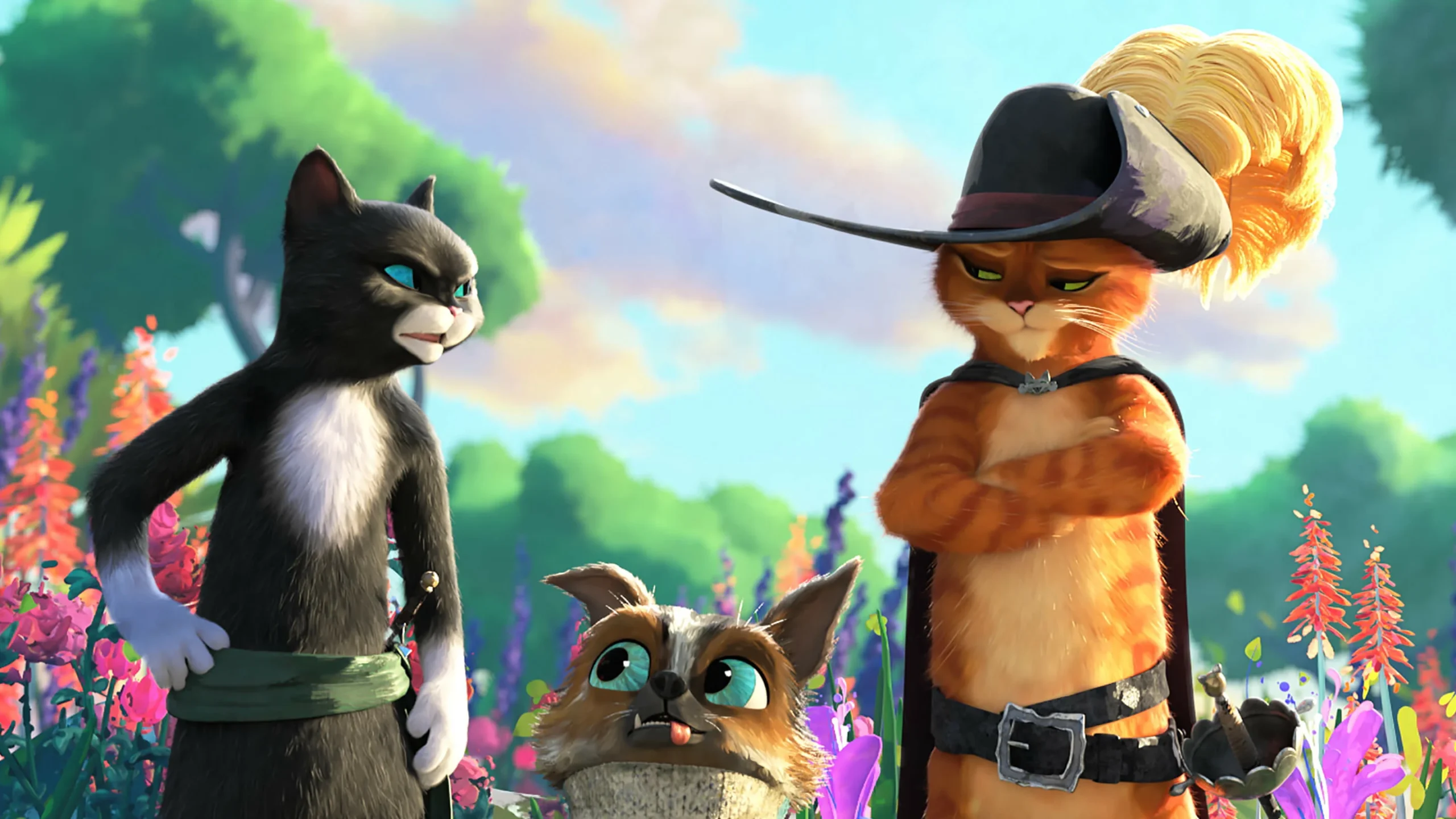
For me, that separation makes the ending work. Puss is allowed to fight for more time without being promised endless time. He still has to protect his remaining life, and there is no replacement waiting if he wastes it again.