Jo Koy’s new Netflix special is called Blue in the Face, and the obvious material is right there in the official description: a dental disaster, a McDonald’s firing, and stories about his veteran stepdad. Those are the bits Netflix is selling. The more revealing choice may be where he recorded the hour. This is his sixth Netflix special, and he took it to a sold-out Stockton Arena instead of treating the city as a stop on the way to someplace more famous. I like that decision because it puts a real place ahead of a generic idea of scale.
That matters because Jo Koy’s comedy has never worked by pretending its family stories are placeless. Filipino-American life, relatives who talk too loudly, parents who make an ordinary errand into a full household event: the appeal comes from the details being specific enough to belong to someone, then broad enough for a room to recognize. Netflix can send that room everywhere. A live special still needs to begin with one.
A City With Its Own Memory
The choice is not just a California hometown flourish. Stockton was once widely known as Little Manila, and its Filipino-American communities helped shape the city long before “representation” became a streaming category. The local Barrio Fiesta still describes its purpose as honoring that history and the generations who built it. So an hour about family and Filipino-American identity has a different charge when the audience is not merely a demographic imagined in a pitch deck. It is sitting in the building.
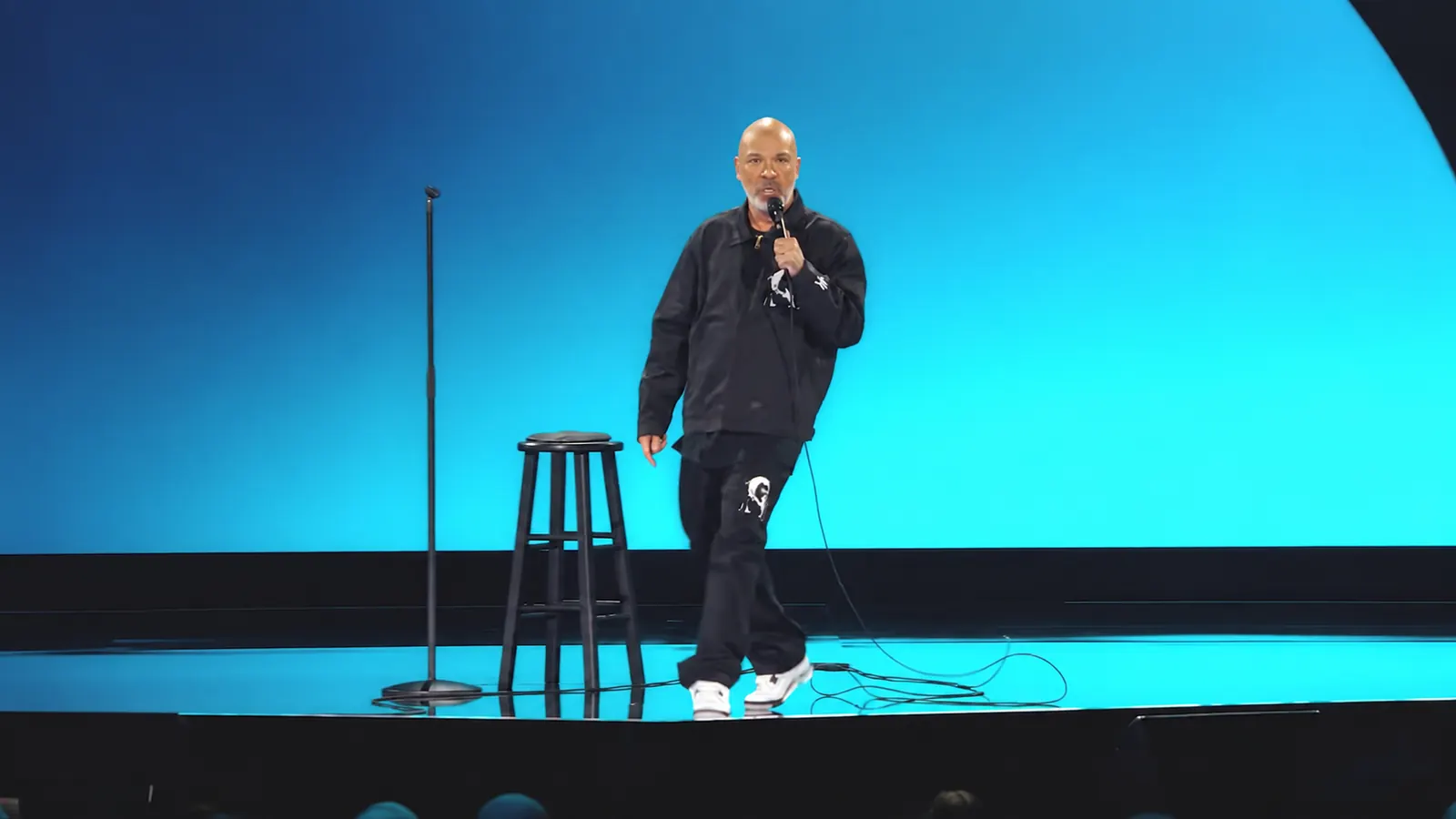
I would not turn that into a claim that the special is automatically important, or automatically funny. A meaningful venue cannot write a punchline. The trailer and Netflix’s own summary only establish the subjects of the set, not whether every story earns its length. But the location does give the performance a useful standard. If Koy is going to call this everyday chaos, the hour should keep the everyday part: the small family detail, the awkward memory, the person in the back of the room who knows exactly what he means before the joke has fully landed.
The Difference Between a Crowd and an Audience
Stockton Arena was sold out for the taping, which is a clean fact and not a verdict. Plenty of polished comedy specials are filmed in full rooms and disappear the next morning. What I like about this choice is smaller than that. Jo Koy did not need the city to make his comedy legible to Netflix viewers. He used it to make the setting legible inside the comedy.
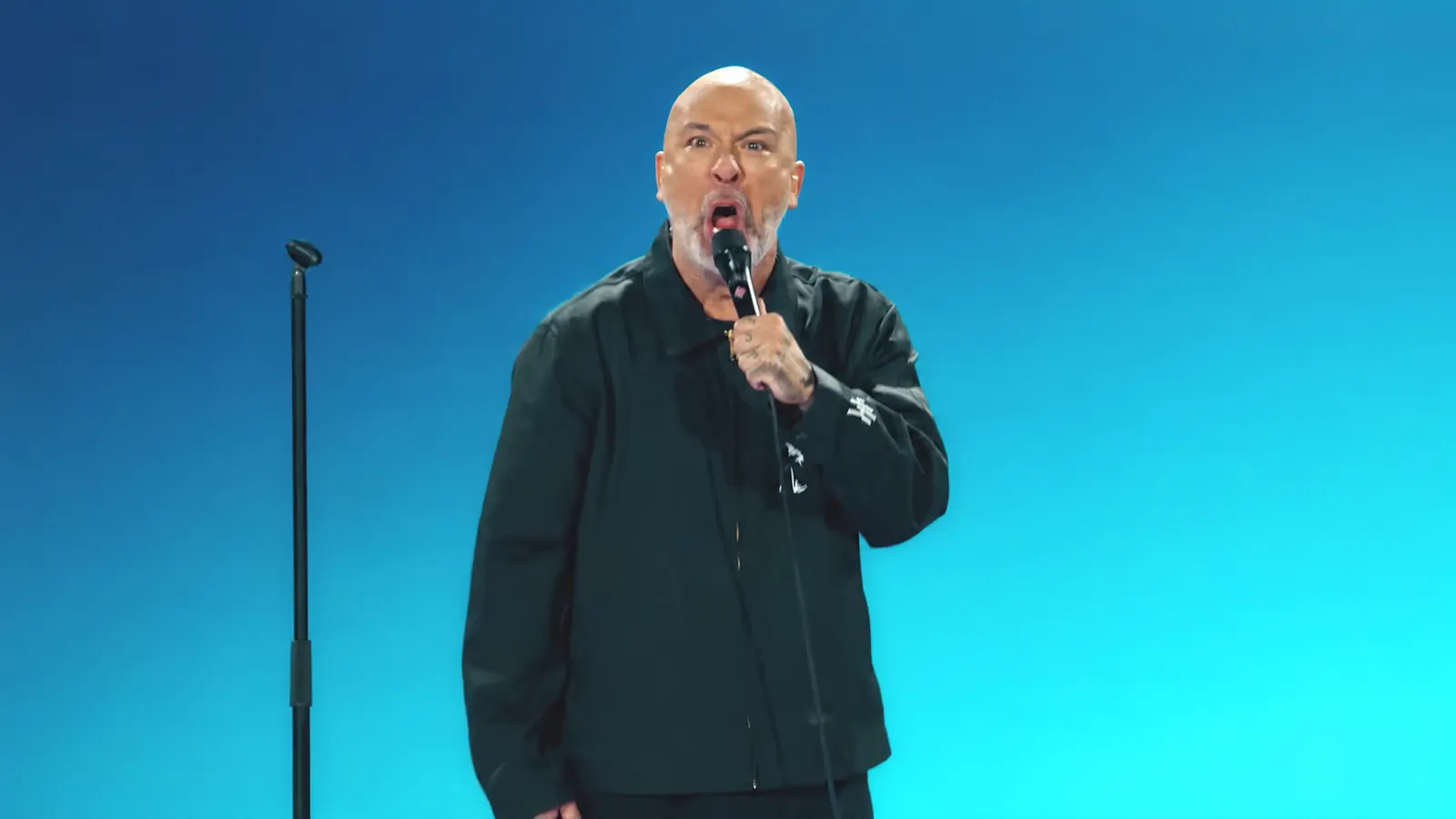
That is a better ambition than trying to make one hour feel universal from the first sentence. The material can travel because it began somewhere precise. The jokes about a dentist, a fast-food job, and a stepdad may look familiar on paper. The room is what keeps them from becoming generic.
I also think the idea gets sharper beside another Netflix portrait built around the gap between a public image and the person speaking. A special has no archive footage or competing witness to hide behind. The performer either makes the personal material feel lived in or leaves it sounding like a well-tested routine.
A Short Hour Has to Earn Its Shape
The fifty-six-minute running time is another reason not to oversell this as an event before the work has had time to speak for itself. It is a compact slot, closer to a tight set than a career-spanning statement. That can be a strength. Jo Koy does not need to settle every question about his public persona here. He only needs enough range to show that familiar family stories still have new pressure in them.
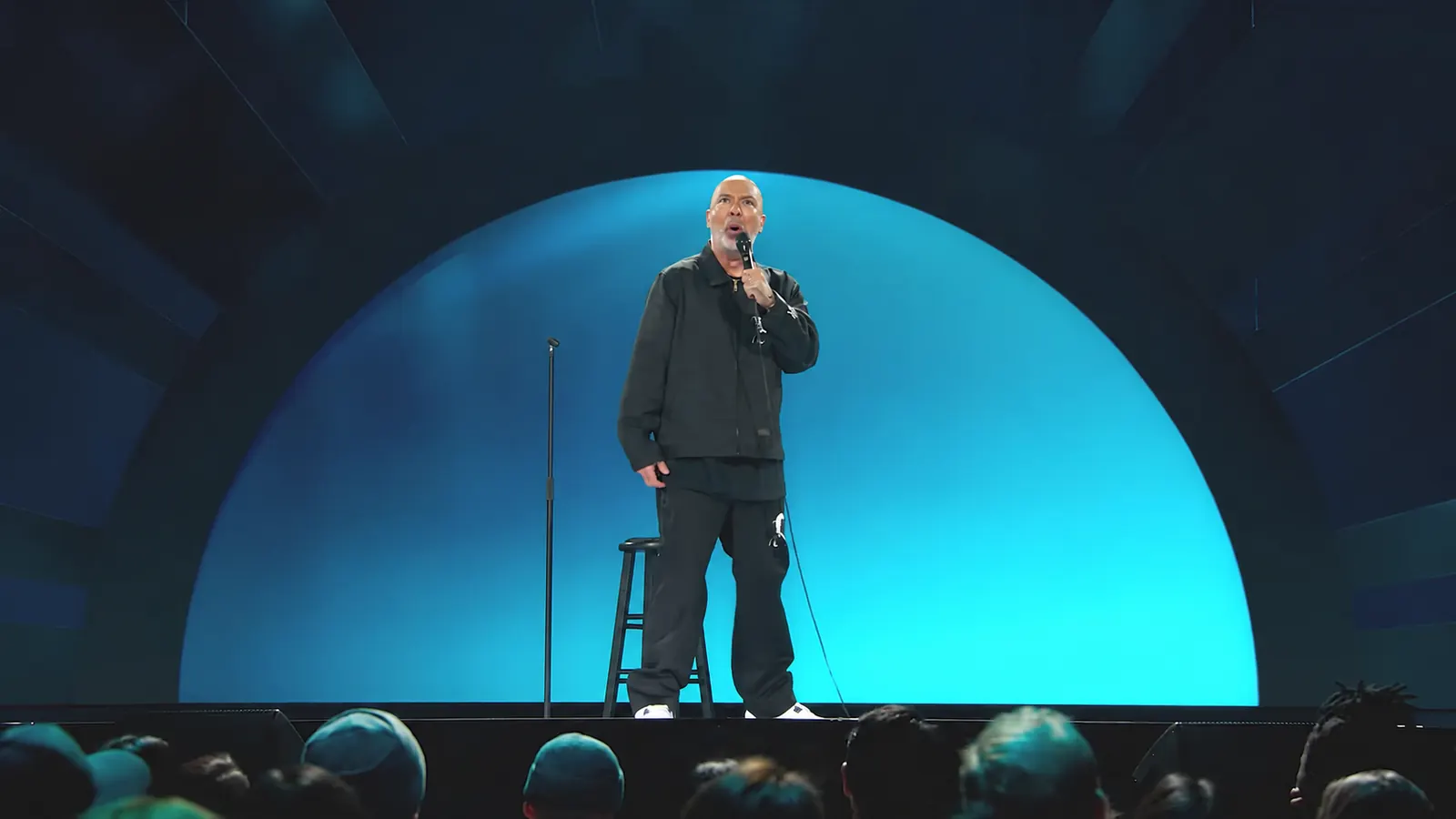
One practical reason to make time for it is that it asks for less than an hour. A special does not need a grand thesis to justify that time. It needs a voice, a room that gives the voice some resistance, and enough good turns to keep the hour moving. Stockton gives Blue in the Face the second of those before we know about the third. I would rather begin there than pretend a press description can do the work of a review.