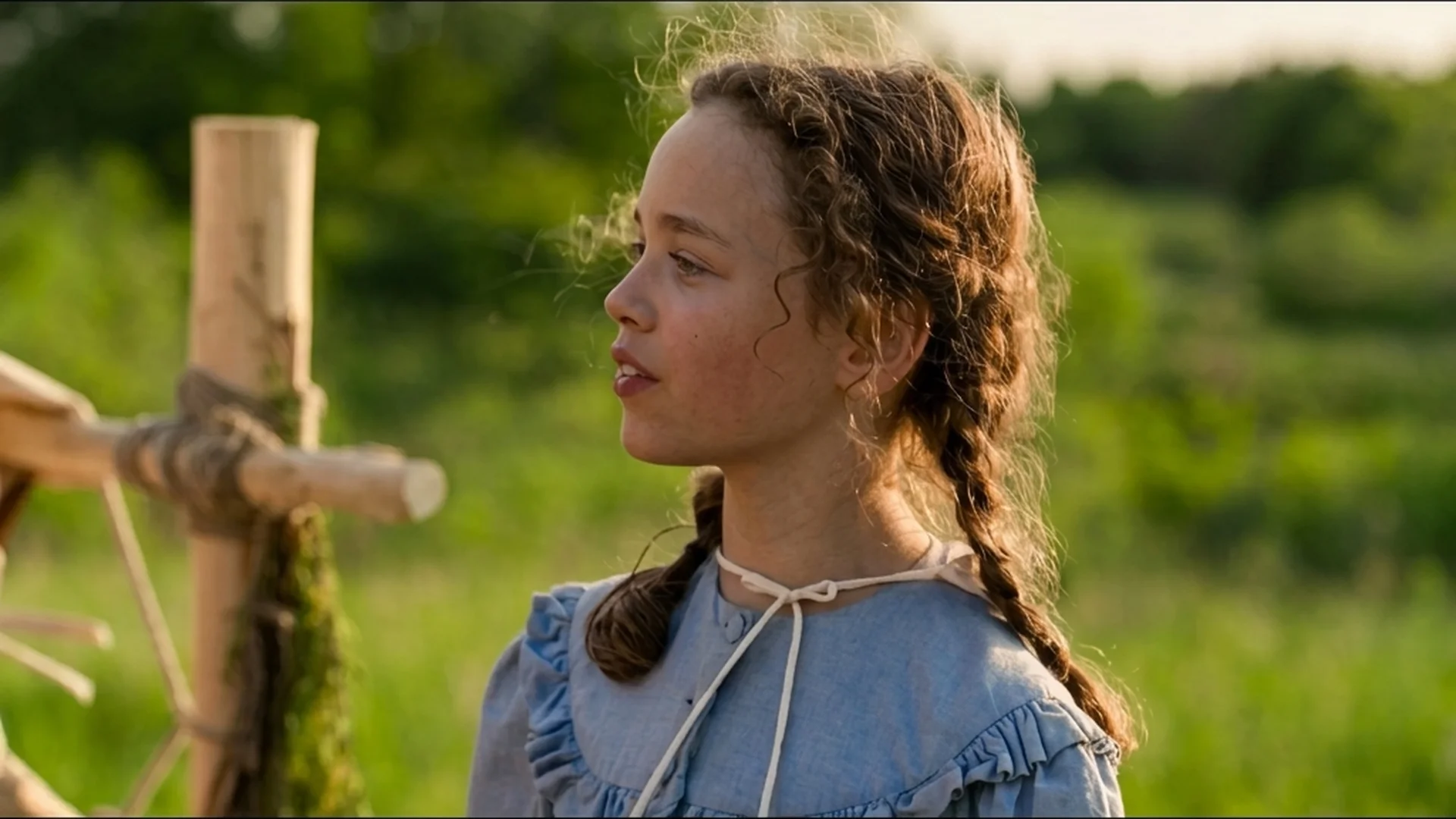
For the Ingalls family, the prairie offers the possibility of a new home. For the Osage family in Netflix’s Little House on the Prairie, it is already home. Putting both households into the story changes what counts as a happy outcome. The newcomers’ chance to begin again has to be considered alongside the lives already being lived there.
This is a more useful way into the adaptation than calling it comforting and stopping there. A family story can offer affection and familiarity while making its idea of home harder to take for granted. The important question is who gets included when that home is described.
The Osage Family Has Its Own Domestic Life

In Netflix’s cast guide, creator Rebecca Sonnenshine explains that the Osage household was designed with a marriage, a daughter, affection, and disagreements of its own. Those details matter because they give the neighbors concerns beyond their usefulness to the Ingalls family.
A neighbor who appears only when the central family needs help can become a convenient solution. A household with its own attachments creates a harder demand: its losses must count even when they obstruct the protagonists’ hopes. Giving both families recognizable domestic concerns makes that demand easier to understand. It does not make their positions on the land interchangeable.
A Friendship Cannot Resolve the Land Question

The Associated Press’s reporting describes both Laura’s friendship with an Osage girl and the settlers’ claims on Osage land. The two developments belong in the same discussion. The friendship offers a personal connection across the families; the dispute concerns what one group’s arrival may cost the other.
It would be too easy to make the children’s affection a certificate of innocence for the adults. Being kind to a neighbor does not settle whether a claim to that neighbor’s land is justified. Nor does a friendship become worthless because it cannot solve the larger problem. Its value is more immediate: the person affected has become someone Laura knows.
Wanting a Home Does Not Establish a Right to One
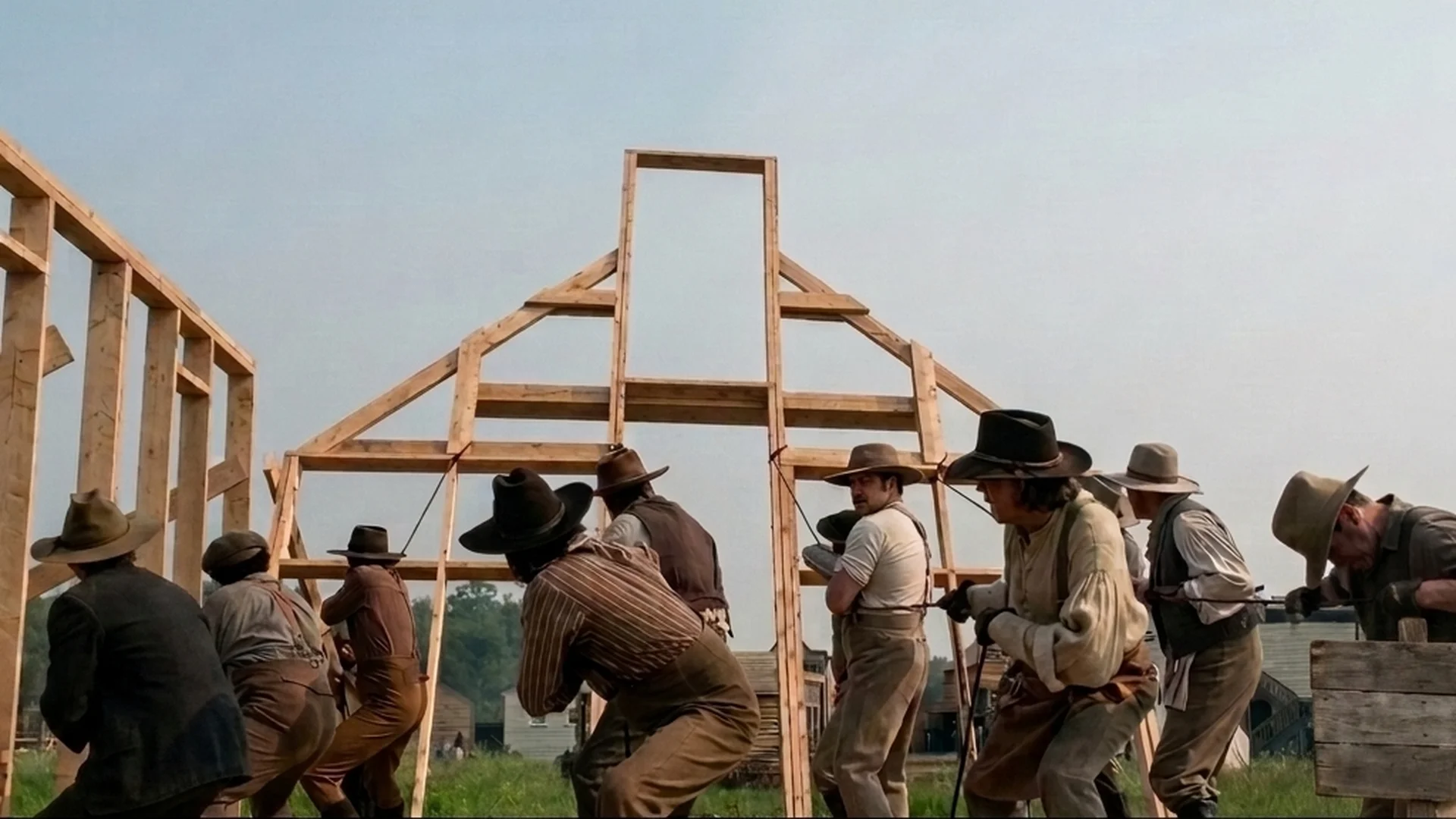
The Ingalls family’s wish for security is a reason to care about them. It cannot, by itself, resolve whose land they may build on. Keeping those judgments separate allows sympathy to survive scrutiny. We can understand a family’s hopes without accepting every assumption that makes those hopes possible.
That is the adaptation’s most promising point of tension in its documented premise. A new beginning looks different from the doorstep of an established home. Once both households have a place in the story, the little house cannot stand for everybody’s safety at once. The question to carry through the series is what its construction means to the people next door.