Malcolm Spellman never wrote an episode of Snowfall. FX handed him the spinoff anyway, and what he came back with is not a tour of familiar streets. The Drop: A Snowfall Saga opens in 1990, four years after the parent show signed off, and it keeps South Los Angeles while swapping out the product. Crack goes out. West Coast rap comes in. The people in between are exactly who they were. The show is sharp in the places where it remembers that, and thin in the places where it forgets.
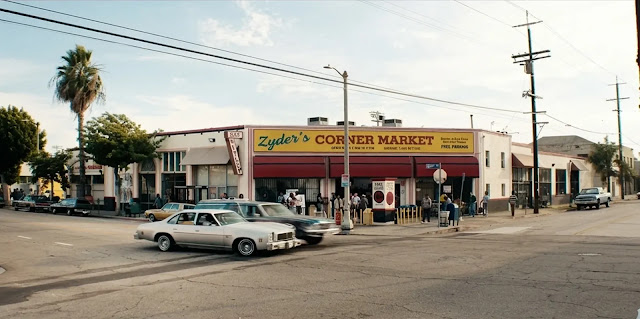
Four Years Later
Snowfall was a quiet success story. John Singleton co-created it, FX premiered it in 2017, and it ran six seasons and sixty episodes before finishing in 2023 without ever becoming the show people argued about at parties. A spinoff three years later is a verdict of sorts. Somebody ran the numbers and decided the audience had not gone anywhere.
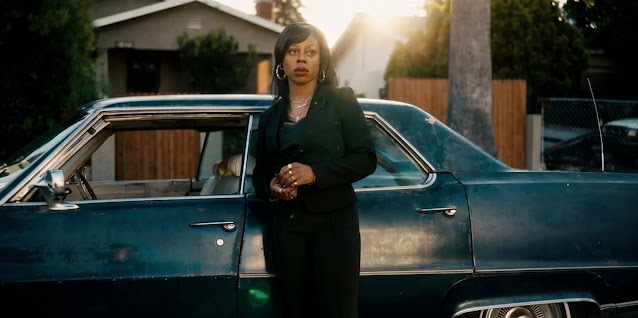
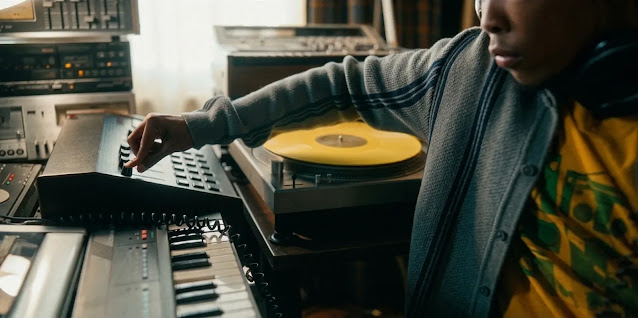
Two people come over from the original. Wanda Bell, played by Gail Bean, is a recovering addict who believes West Coast rap can reshape American culture. She intends to be the one who proves it. Isaiah John returns as Leon Simmons, a dealer who quit. Wanda’s plan is to take her nineteen-year-old cousin Lamar, a producer with more talent than sense, and pair him with a local rapper named Artillery whose latest underground single celebrates the killing of a police officer.
There is a nod to Eazy-E in the opening minutes, which tells you the lane. This is closer to a fictional Straight Outta Compton than to a West Coast version of The Wire, and I think the show knows it. What I did not expect is how literally it means the comparison.
It also shot in Los Angeles, which has become an unusual thing for a show set in Los Angeles to do. Incentives in Georgia, New Mexico and New York pulled physical production out of the city. California moved to fight back in July of 2025, raising its credit cap from 330 million dollars to 750 million. Approvals climbed 53 percent in the year that followed. Whatever the accounting was on this production, the city reads as itself here, and that alone buys the show patience from me.
The Same Playbook
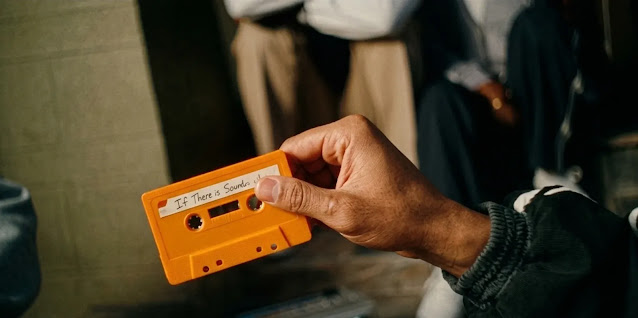
Here is the moment the series announces itself. Wanda needs to move a tape, so she does what she watched people do for years. Give it away free, let them hear it, and they will pay for the next one. That is drug distribution. She is running it on a cassette.
The show goes further than that. The money man Wanda is trying to impress, Darryl Grant, is a former dealer who now owns a record label. The office she wants to work in is staffed by people from the business she is supposedly leaving. Nobody in the writers’ room treats this as irony. It is presented as the ordinary shape of how capital moved through those blocks. That is the most interesting claim the series makes, and it makes the claim structurally rather than in dialogue.
The music business has always been good at absorbing money without asking where it slept the night before. I wrote earlier this year about what that industry protects when one of its assets is on trial, and the answer was the asset.
Where It Loses Its Nerve
The first five episodes have a problem, and reviewers have named it in near unison. Artillery is the engine of the plot and almost a stranger to it. He is being hunted by police, he is tied to a gang whose war with a rival makes ordinary errands dangerous, and we learn very little about who he is when nobody is recording. The show spends an entire episode instead on the death of Lamar’s mother and how it shaped him and his brother.
That backstory is competently made and it is not what I came for. Family grief is the safest material in television, and choosing it here means the series flinches from the harder thing it had already set up. Trade reviews have settled on words like uneven and less ambitious, and one of them noted the obvious absence of Damson Idris. I think the real absence is nerve. The show found an angle on this city that nobody else had and then kept stepping back from it. Episodes land weekly on Tuesdays, so the season can still turn.
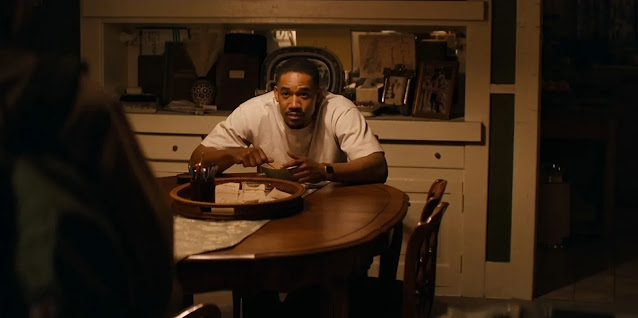
The thing that stayed with me afterward is not what anyone is arguing over. Leon quit the streets and now runs a free legal clinic. He is giving away the only expertise he ever had, back to the neighborhood that paid for him to learn it. Wanda carried the method forward into a new business. Leon turned the same method around and pointed it at the damage. Both of them are children of the same economy, and the series is quietest and best when it lets that sit there without explaining it.
Turning Point made a similar bet recently about a generation that never got to choose the event that shaped it, and it paid off because the film trusted the viewer to connect the years without help. That trust is available to The Drop. It just has not spent it yet.