Being rescued would seem a reasonable place for Chris Lemons’s diving career to end. Last Breath leaves us with the more difficult fact that he went back to work three weeks after the accident. His own explanation includes a mortgage, concern about keeping his job, and the feeling that diving was the work he knew how to do. He also liked that work. Those reasons make the return easier to understand, even if they do not make it easy to imagine. Surviving the North Sea had not removed the life waiting for him on shore.
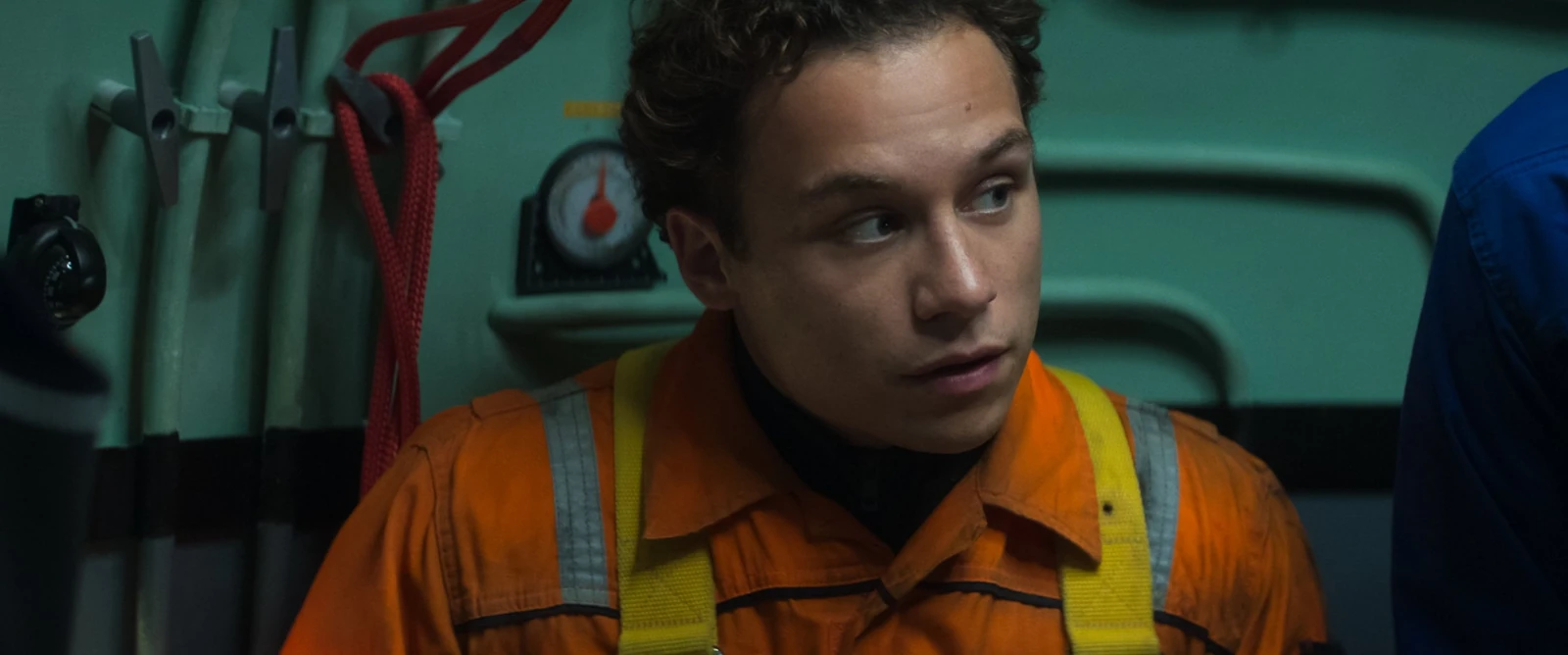
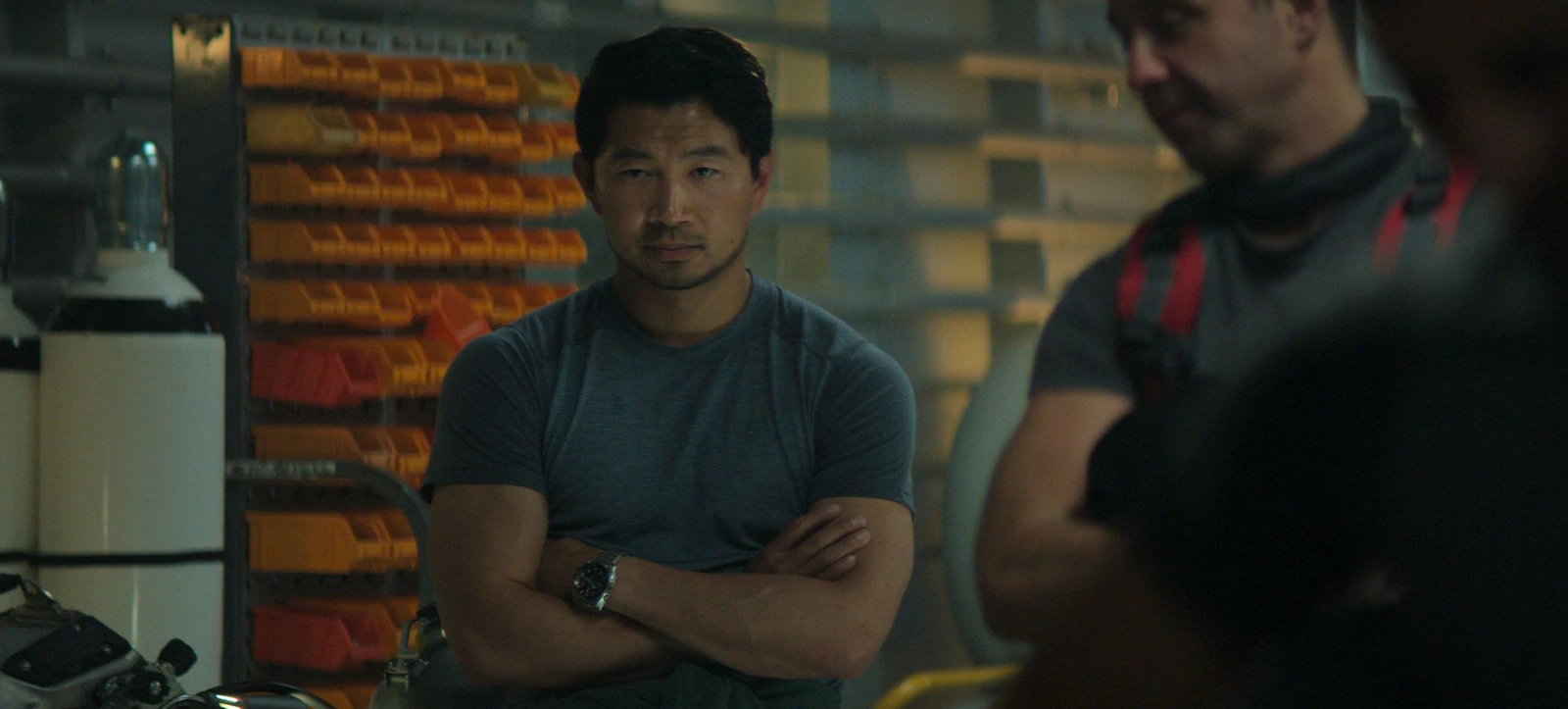
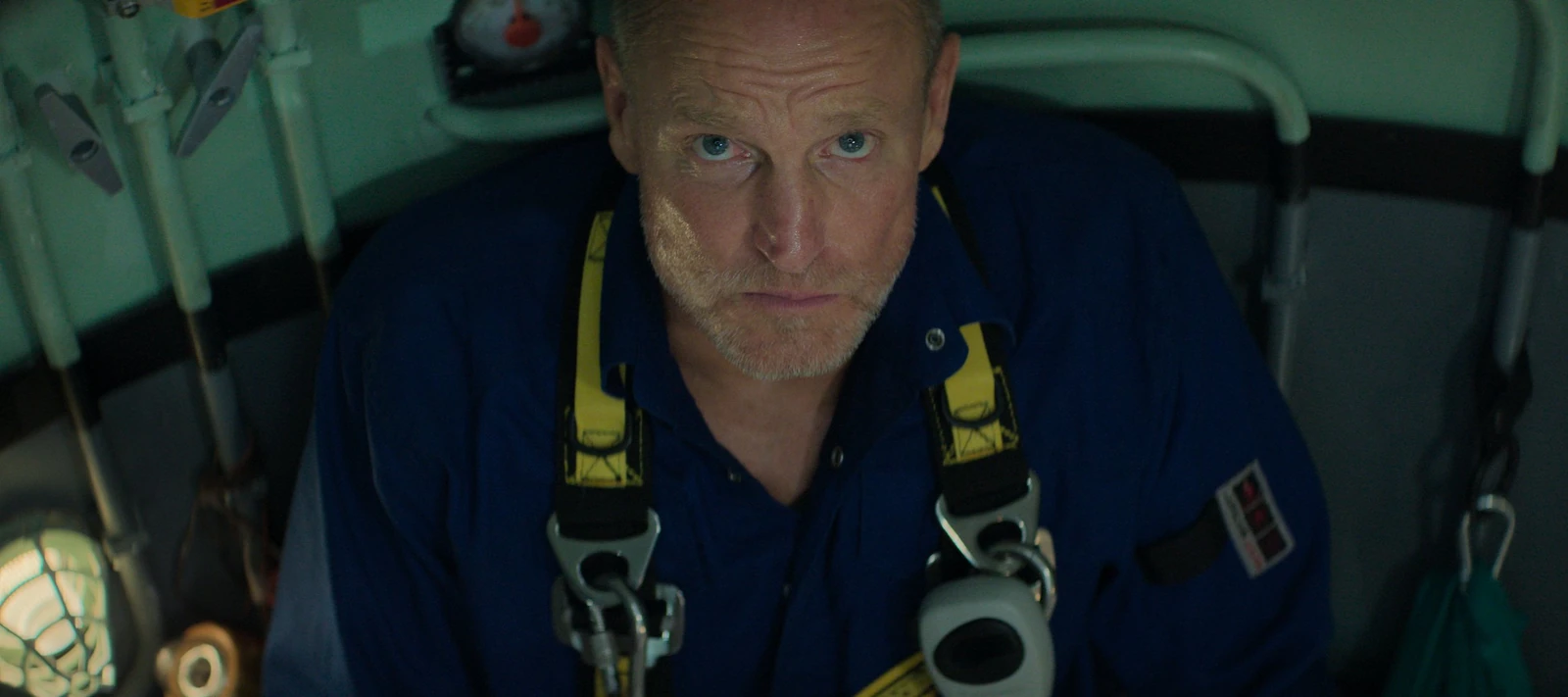
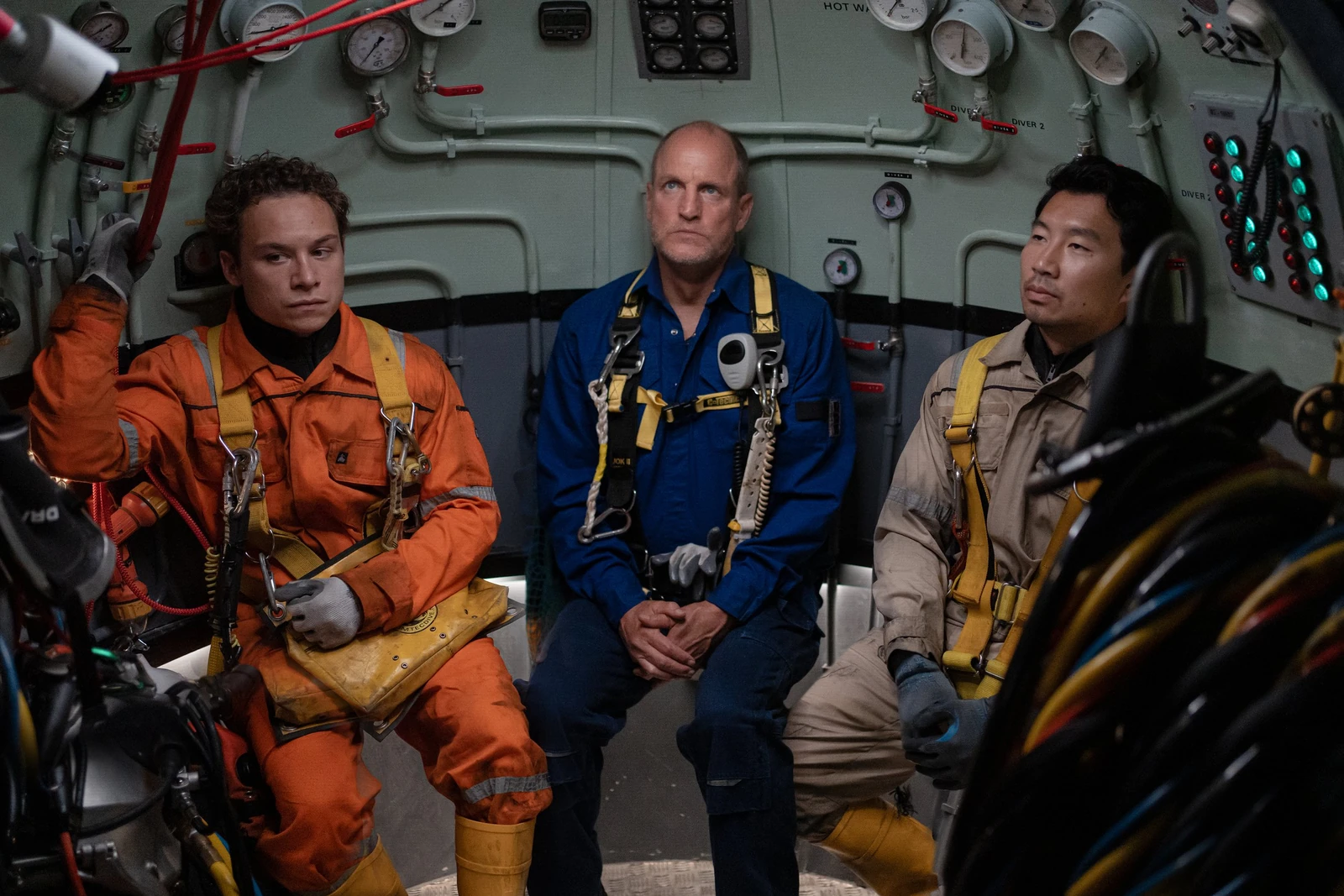
In Alex Parkinson’s 2025 film, Finn Cole plays Lemons, whose underwater lifeline breaks during a North Sea job. Dave Yuasa and Duncan Allcock, played by Simu Liu and Woody Harrelson, help bring him back alive. The rescue supplies an answer to the immediate terror of the story. The epilogue’s return to work asks something else of us: to accept that a man can be extraordinarily fortunate to come home and still decide to leave it again.
A Mortgage Was Part of His Answer
Asked about changing professions in his interview with The Book of Role Models, Lemons gave an answer less tidy than an account of conquering fear. He remembered being young and perhaps not fully appreciating what had happened. He was concerned about employment and had financial commitments. His account also leaves room for genuine affection for diving, so it would be unfair to turn him into someone who went back only because he had no choice. He describes several motives existing together, some easier to admire than others, all belonging to the same person.
His mention of a mortgage brings the return closer to an ordinary decision about work. A loan does not become more forgiving because its borrower has survived something astonishing. Nor does having a highly specialized skill mean that changing careers is a simple matter of deciding to value life more. Calling the return brave may be fair; stopping there makes it sound as though the decision was available to him without any practical weight. I find it more moving when that weight is allowed to remain. It gives his choice the untidiness of an actual working life.
In the same interview, he also describes treating the accident as an exceptional failure and trusting the controls around his work. That is his assessment, rather than a guarantee about the profession. It matters because he was not necessarily weighing the choice as an observer would. Someone who believes the danger remains managed can consider returning without understanding it as a decision to disregard his own survival. We can question that judgment while recognizing that it formed part of his answer.
He Returned With Dave and Duncan
The men accompanying him matter as much as the place he returned to. In Sydney Bucksbaum’s interview with Parkinson for Entertainment Weekly, the director confirmed that the return was arranged with Dave and Duncan alongside Lemons. For someone hearing about the accident, the obvious lesson might be that this work can kill you. For someone who owes his survival to the people doing it with him, another lesson is possible: these are people who will come back for you. Both conclusions can follow from the same terrible event without canceling each other out.
Lemons offered something close to that second reading in Hamish Penman’s 2022 interview for Energy Voice. He said that getting out of a situation that had seemed impossible gave the three divers greater confidence in their work. That is a striking account of an experience an outsider might assume could only destroy confidence. It does not mean the accident had become harmless in retrospect. It means that, within his understanding of it, the failure and the response were different things. The disaster had shown him what could go wrong, but it had also shown him what his colleagues could do.
That makes the return more personal than a general declaration that diving is safe. Dave and Duncan are not interchangeable symbols of teamwork in this decision. They are the particular men connected to his survival. Going back with them could offer a continuity that going back with strangers would not. I would hesitate to translate that into a promise that nothing similar could happen again. Trust cannot supply that promise. What it can supply is a reason to enter the bell with these people, even when someone on shore cannot imagine entering it at all.
Survival Did Not Require a New Life
Parkinson describes Last Breath as an uplifting story of people refusing to give up in his Focus Features interview. There is no need to distrust that intention to find the return unsettling. Being glad that Lemons survived and wondering why he resumed diving are compatible responses. The ending does not have to resolve the second feeling before we are allowed the first. In fact, the return gives the happiness somewhere less predictable to go: toward a future in which the work continues, with familiar companions and the possibility of danger still part of it.
Lemons’s own account resists an automatic transformation. In the Book of Role Models conversation, he says the life-changing revelation people expect did not happen for him. That admission makes the epilogue feel more human to me. We might want the experience to have taught him something so decisive that the next step becomes obvious. He describes living afterward without that convenient certainty. Staying in the profession need not make him ungrateful for being alive; leaving would not have diminished what his rescuers had done. Neither choice had to serve as proof of a lesson learned.
What stays with me about the three weeks is how little time that sounds like from the outside, and how little it tells us on its own. It measures the interval before he resumed work; it cannot measure every attachment or obligation involved. Lemons went back to a job he valued, with men he trusted, while ordinary concerns about employment remained. The rescue had made that return possible. What he wanted to do with the life recovered was still a decision he had to make, in circumstances that an astonishing survival had not made simple.