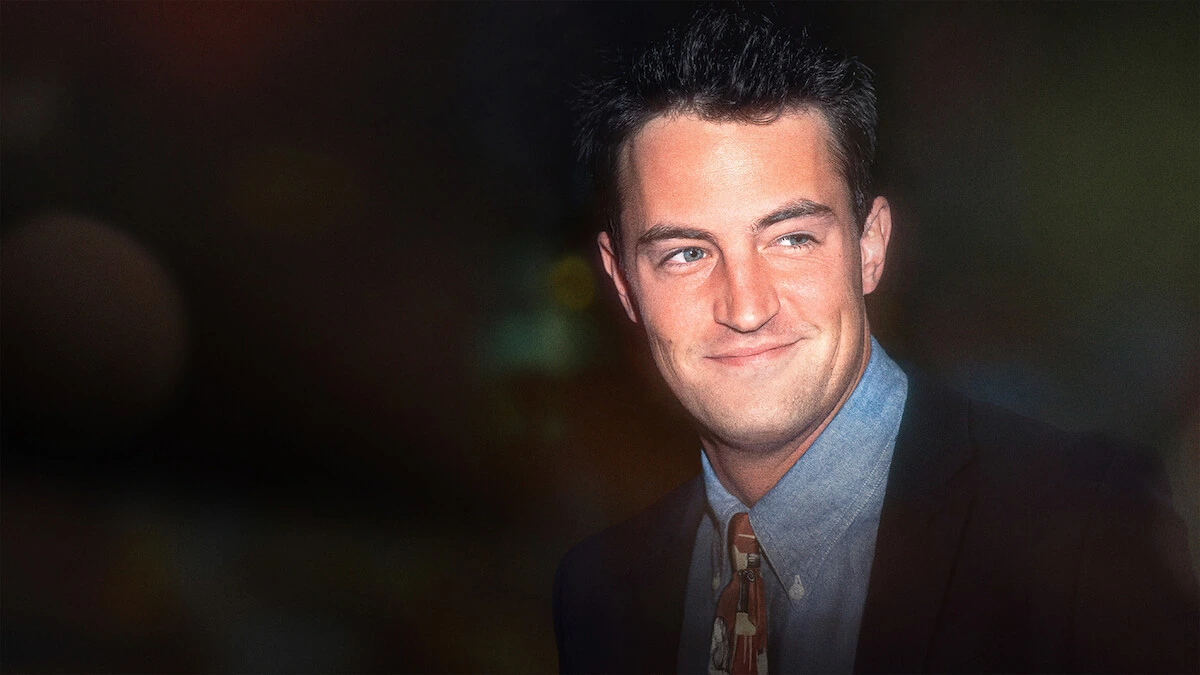
Matthew Perry wanted the people he helped through addiction to have a place in how he was remembered, ahead of the television role that made him famous. That wish gives The One About Matthew Perry a question worth keeping close: what can someone who needed his help tell us that someone who loved Chandler Bing cannot? Mary Robertson’s three-part Netflix documentary, released on October 27, 2026, brings together his sister and people from his life beyond the sitcom. Their memories offer a way to understand the distinction without asking anyone to stop loving Friends.
Perry had expressed that hope before his death. In his 2022 conversation with Tom Power, excerpted in CNN’s later interview with Power, he spoke about being able to respond when someone asked for help with drinking. The part that interests me is the follow-through. A familiar face can make a stranger feel less alone, but Perry was describing something more demanding than being recognized: answering a person, then doing something about the need they had brought to him. He wanted that work to count when people spoke about his life.
The Friend Who Needed Somewhere to Stay
Tim Harrington supplies a particular example. In the documentary testimony described by Netflix’s Tudum, Harrington recalls being close to relapse and preparing to live out of his car. Perry told him to collect his belongings and move in with him. Harrington credits that intervention with saving his life. He is describing what the offer meant in his own life: at a time when he was preparing to sleep in a car, his friend gave him somewhere to stay.
The offer has an immediacy that the word legacy can obscure. We can spend a long time deciding what a famous person stood for while overlooking the practical thing another person needed from them. Harrington’s account puts that need first. Having a home to enter meant that Perry’s concern took a form Harrington could actually use. I find the specificity persuasive because it does not require us to imagine an unusually wise speech or an inspiring public gesture. The act being remembered was an invitation to bring his things over.

Perry’s death makes it tempting to read every earlier account backward, looking for the point at which hope became misplaced. That is a painful way to approach Harrington’s memory, because it makes the help he received answer a question it was never supposed to settle. His account cannot establish that Perry would always be well himself. It can tell us that, when Harrington needed him, Perry responded. We lose something important if we treat the later tragedy as a reason to doubt that earlier kindness mattered.
Friends Still Belongs in the Picture
There is an easy mistake in taking Perry’s wish to mean that Chandler was something he wanted erased. In Chris Heath’s 2022 GQ interview, he described Friends as a wonderful experience while hoping his work helping people get sober would be remembered more. Wanting the balance to change is understandable. A role can become so recognizable that it leaves little room for the actor to be understood in any other terms, even when the role itself remains a source of pride.
Nor does a viewer’s affection for Chandler need to be dismissed as shallow. The performance is how many people came to care about Perry at all. What seems worth reconsidering is the assumption that familiarity amounts to knowing him. A character is available to us whenever we return to the show. A person has relationships and obligations that do not exist for our entertainment. Making room for Harrington’s account lets the familiar actor become less exclusively ours, which may be an uncomfortable but useful adjustment in how we remember him.
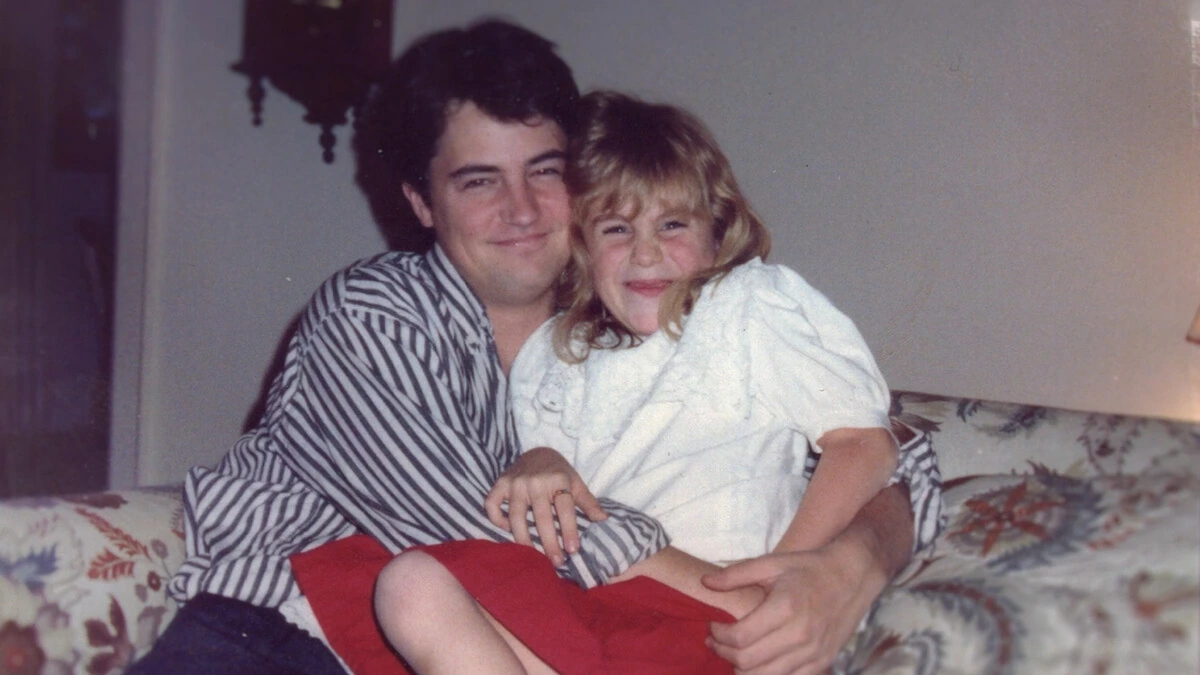
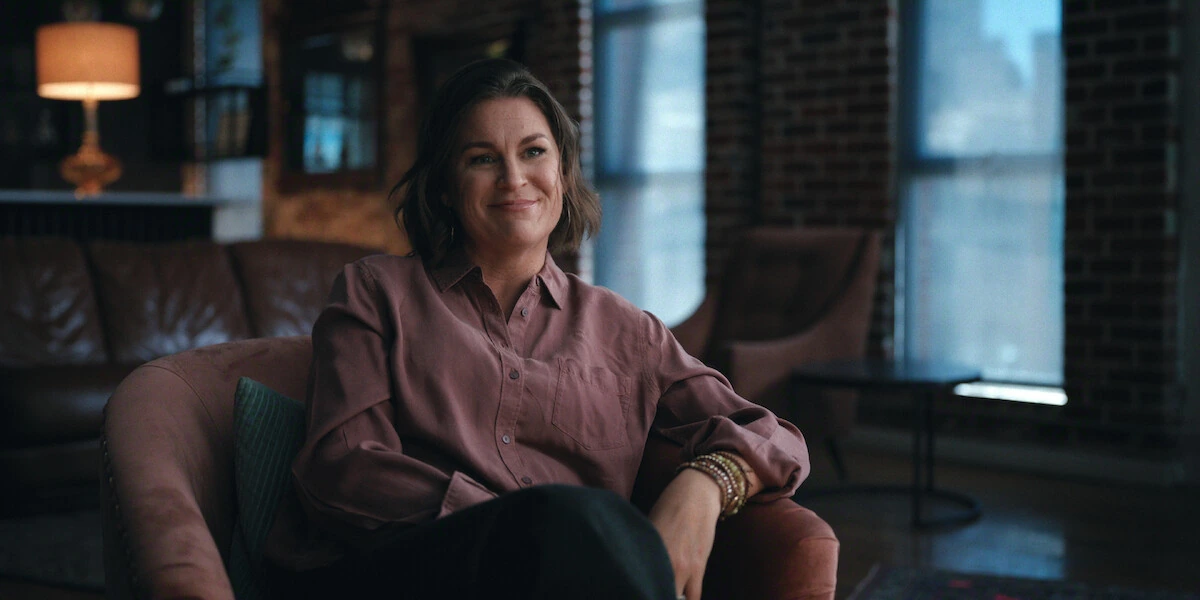
Robertson’s choice of interviewees makes that distinction relevant to the documentary. As she explains to Tudum, Perry’s five Friends co-stars were approached but did not take part in new interviews; they appear in archival footage. The series instead includes his sister, Mia Perry Bowick, and longstanding friends. Their participation gives the project a different set of memories to draw on. The absence of new cast interviews is no evidence of a quarrel, and there is no need to manufacture one to make these other relationships interesting.
Still, being close to someone does not turn a memory into a complete account. People can remember different versions of the same friend, especially when affection and distress have been part of their relationship. A documentary built from those memories asks us to consider particular experiences, not to award a final verdict on a person. Harrington’s gratitude matters without needing to establish that every relationship was easy. Perry’s own wish matters without requiring every person who knew him to remember him in precisely the way he hoped.
The part of his wish I would hold on to is its attention to someone else’s experience. For a man so widely recognized, hoping to be remembered through help given to another person is a request to notice an exchange the audience may never have seen. Harrington gives that exchange a shape: he needed somewhere to go, and Perry offered his home. Chandler will remain available in the reruns. Alongside him, there is room to remember the friend who told someone to get his belongings and come over.