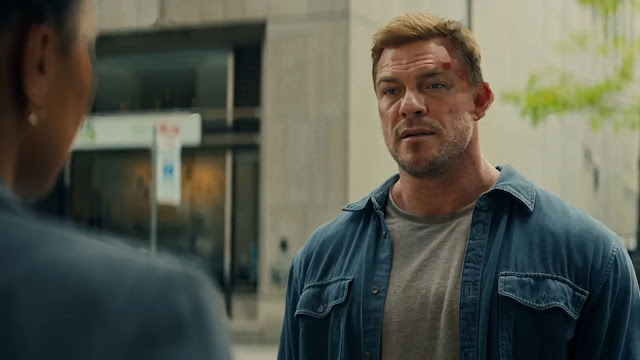
Katie Buranek finishes her book about former Navy SEAL James Reece in The Terminal List Season 2, then decides against sending it to her publisher. She gives it to Reece instead. The journalist played by Constance Wu has found a more immediate use for her work: helping a man frightened of losing his memories hold on to the people in his life. Her decision also comes with a return to field reporting. She is choosing what this particular book is for, while continuing to pursue other stories.
That distinction matters because the season has already shown her losing control of something she wrote. An unfinished investigation circulates under her name and serves the people she was trying to expose. Put beside that experience, the completed manuscript becomes an unusually specific ending for a reporter: she decides who gets it, when, and with what purpose. The contrast gives Katie a story of her own within Reece’s much larger pursuit of enemies and answers.
Katie Originally Wanted Readers for Her Book
Katie’s book begins as a public project. In ComingSoon’s interview with Wu and Chris Pratt, Wu connects Katie’s appearance on Real Time with Bill Maher to promoting the book she is writing. That provides a useful starting point for the finale. The manuscript was not conceived solely as a private keepsake for Reece. Katie had been working toward bringing his story to an audience, with the visibility and professional opportunities that could follow.
Katie’s investment in the book makes the gift substantial. She has put work into a project with a possible public future, then chooses a use that will bring her little of that recognition. A reporter can want a widely read book and care about its subject at the same time. Here, the subject’s immediate need changes what she wants to do with the finished pages.
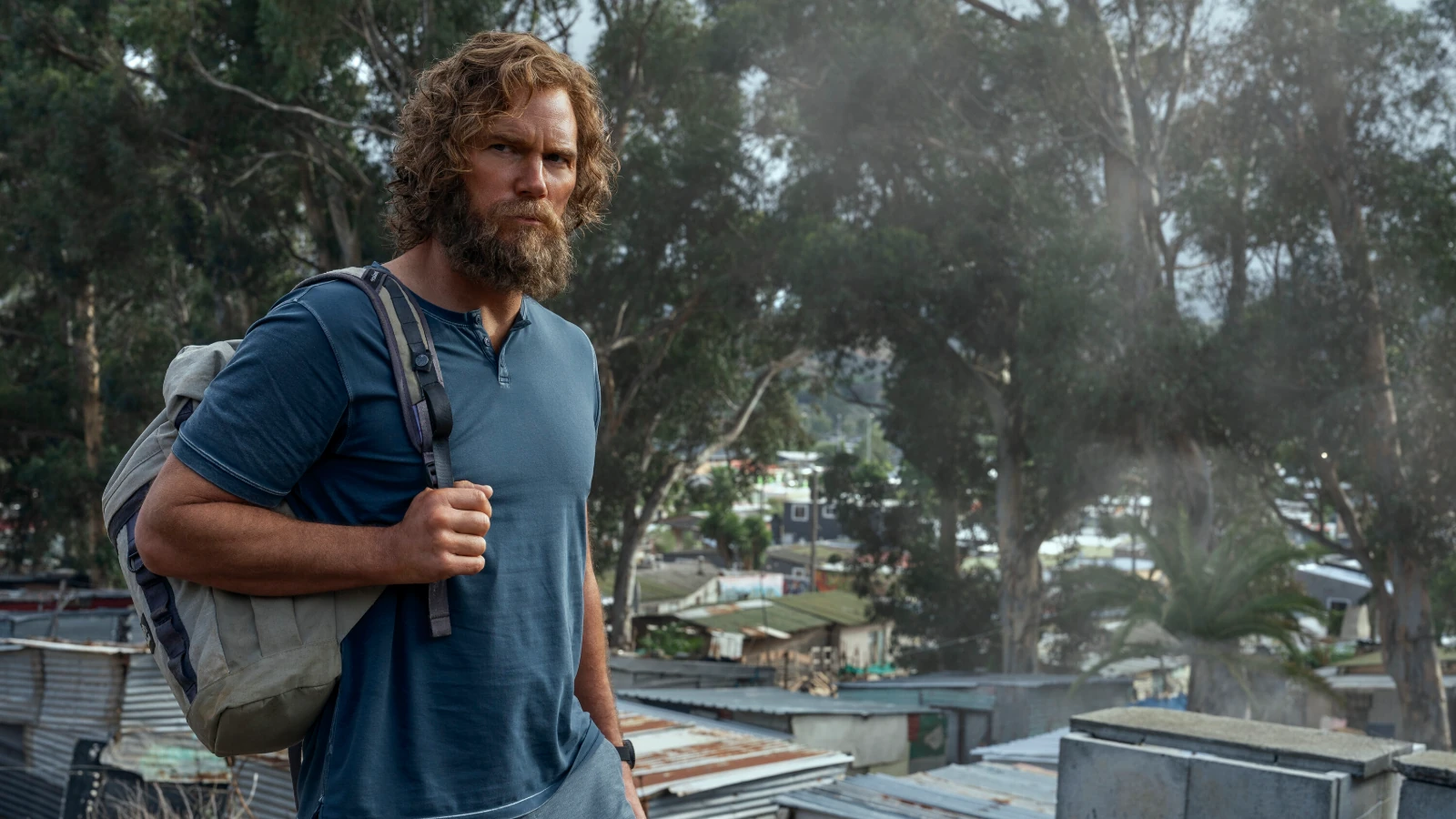
Reece, played by Pratt, is facing treatment for his brain tumor. His difficulty accepting help is bound up with his fear of losing memories of his family. Show Snob’s finale account identifies that fear as the context for Katie’s gift. A written account cannot replace someone’s own recollections, but it can preserve names, relationships, and experiences that he is afraid of losing. Her research has a practical use even without becoming a published book.
Her Unfinished Reporting Was Used Against Her
Katie’s investigation into Kestrel, a covert program connected to diverted American weapons, reaches the public before she approves it. The owner of her news outlet uses the unfinished work to push blame for the Russian president’s assassination toward the CIA and Ukraine. Readers encounter Katie’s name without seeing the unresolved work behind it. Her reporting lends credibility to a version of events that serves the conspiracy she is investigating. The cost of losing control of an article is political as well as personal.
Showrunner David DiGilio described the setup to TV Insider as deliberate dramatic irony: Katie’s pursuit of a conspiracy supplies words that the conspiracy itself can exploit. His explanation keeps the issue more precise than a general claim that the media cannot be trusted. Katie is doing investigative work, and the people threatened by it find a way to redirect its impact. The danger comes partly from where her reporting goes after it leaves her hands.

The article and the book should not be confused. Withholding the manuscript is not a correction of the Kestrel reporting, nor does it undo the damage from that publication. They are different pieces of work. What connects them is Katie’s involvement in deciding how her writing is used. Earlier, an owner makes that decision over her objections. At the end, she can finish a project and choose a destination for it herself.
The Book Helps Reece, but Katie Keeps Reporting
Katie’s return to field reporting prevents the gift from becoming a neat farewell to her profession. TV Insider’s account of the epilogue places the two decisions together: she gives Reece the book and intends to continue reporting where she believes she can be useful. There will still be readers and public stories in her future. The choice concerns this manuscript and this man’s circumstances, rather than a permanent withdrawal from public life.

Reece’s ending is similarly limited. The season brings him to an MRI in preparation for surgery; it does not establish a successful operation or a cure. Katie’s manuscript cannot supply either of those outcomes. What it can do is address a fear that makes accepting treatment difficult. Reading the book as encouragement keeps the gesture human in scale. Calling it the thing that saves him would give it a certainty the ending has not earned.
Katie’s manuscript ends up with the person who can use it before any prospective audience gets to read it. That is a meaningful change for a book once being promoted on television. She has finished telling Reece’s story up to this point, but handing him the pages also gives him a reason to imagine having more of a life to record. Her next assignment and his treatment remain ahead of them. The book has done something useful before reaching a single bookstore.