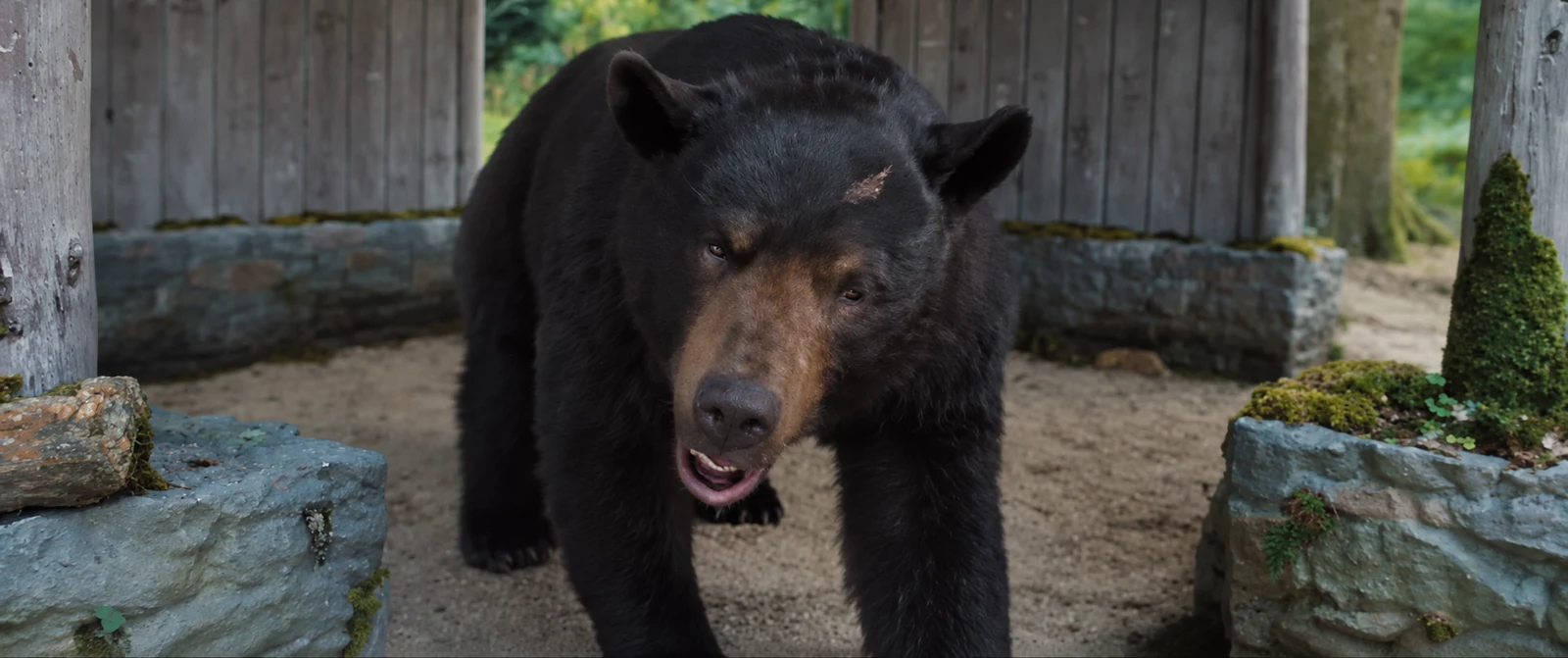
The bear survives Cocaine Bear, along with her cubs. By the end of Elizabeth Banks’s horror comedy, keeping this dangerous animal alive has become part of the happy ending. The film gets there by giving her a final opponent, drug dealer Syd, whose determination to recover his cocaine puts everyone around him at risk. Against him, the bear gets to be the creature we want to win. That is quite a promotion for an animal that has been killing people throughout the movie.
Producer Chris Miller has described how that ending developed. In his SYFY WIRE interview, he says an earlier cut left the bear’s fate uncertain. Audiences wanted an answer; they had become invested in her survival. The filmmakers made it clear that she lived. His account gives us a useful way into the movie: how does a killer become the character whose safety needs reassuring?
Syd Gives the Bear Someone to Defeat
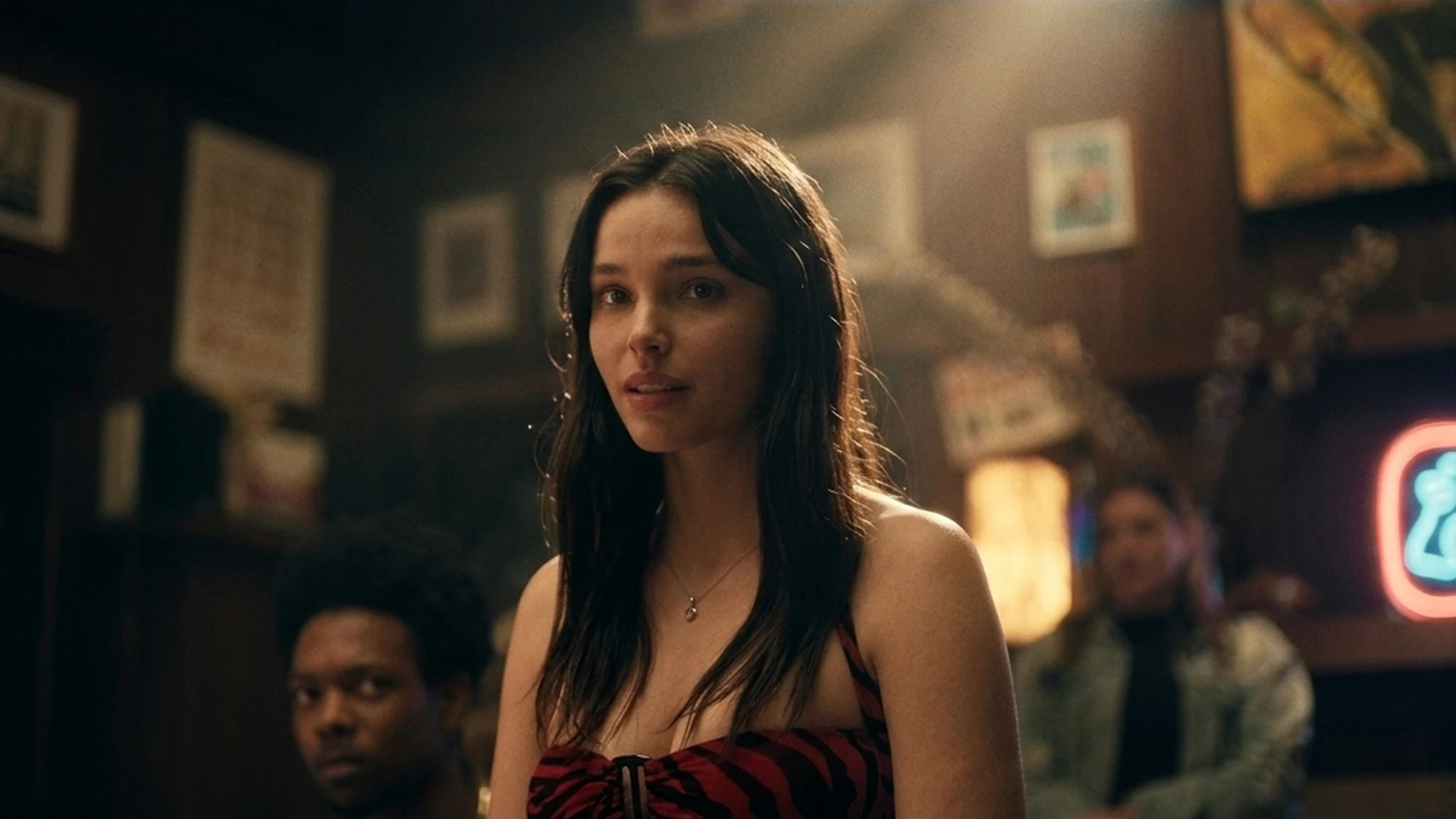
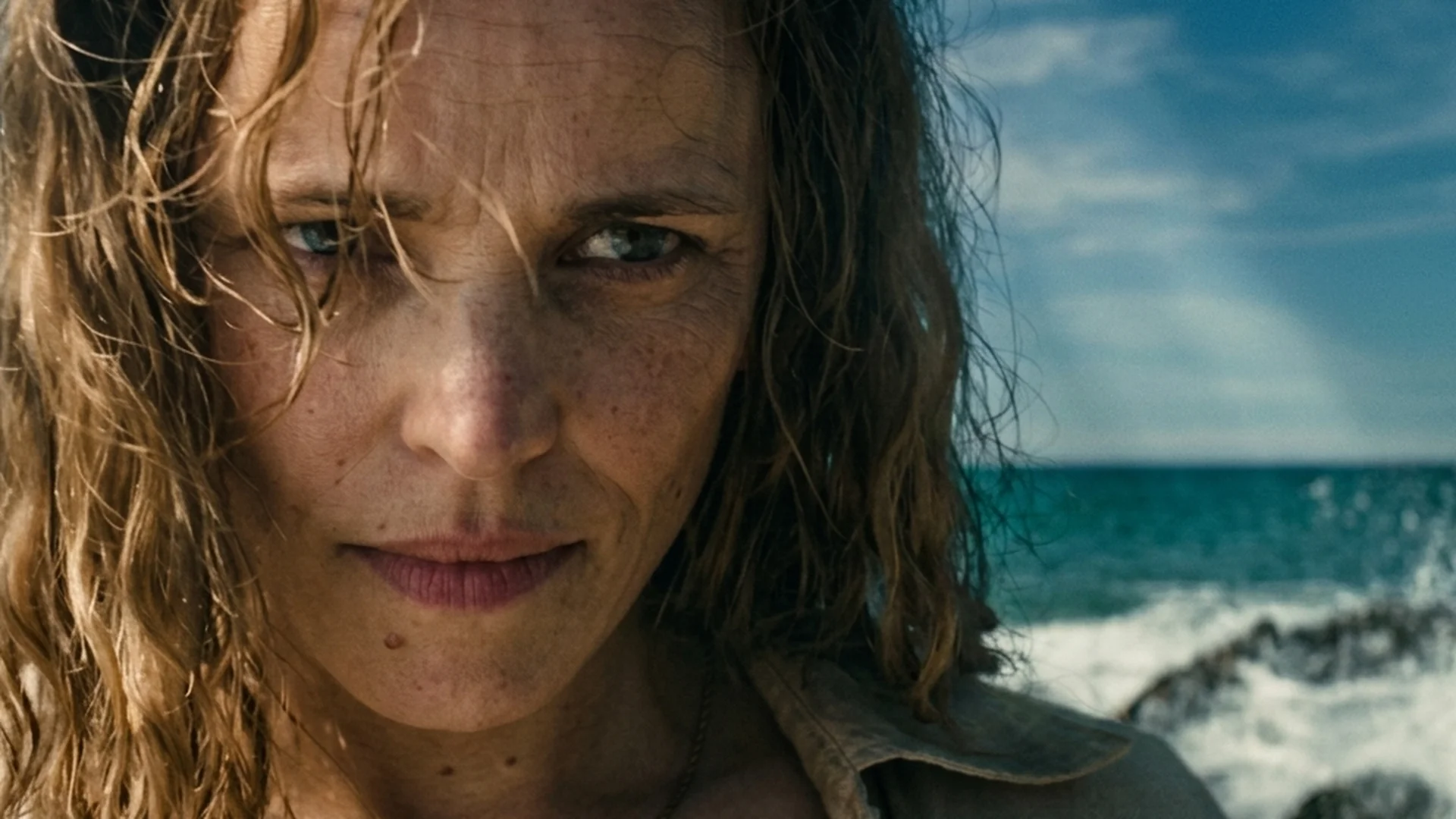
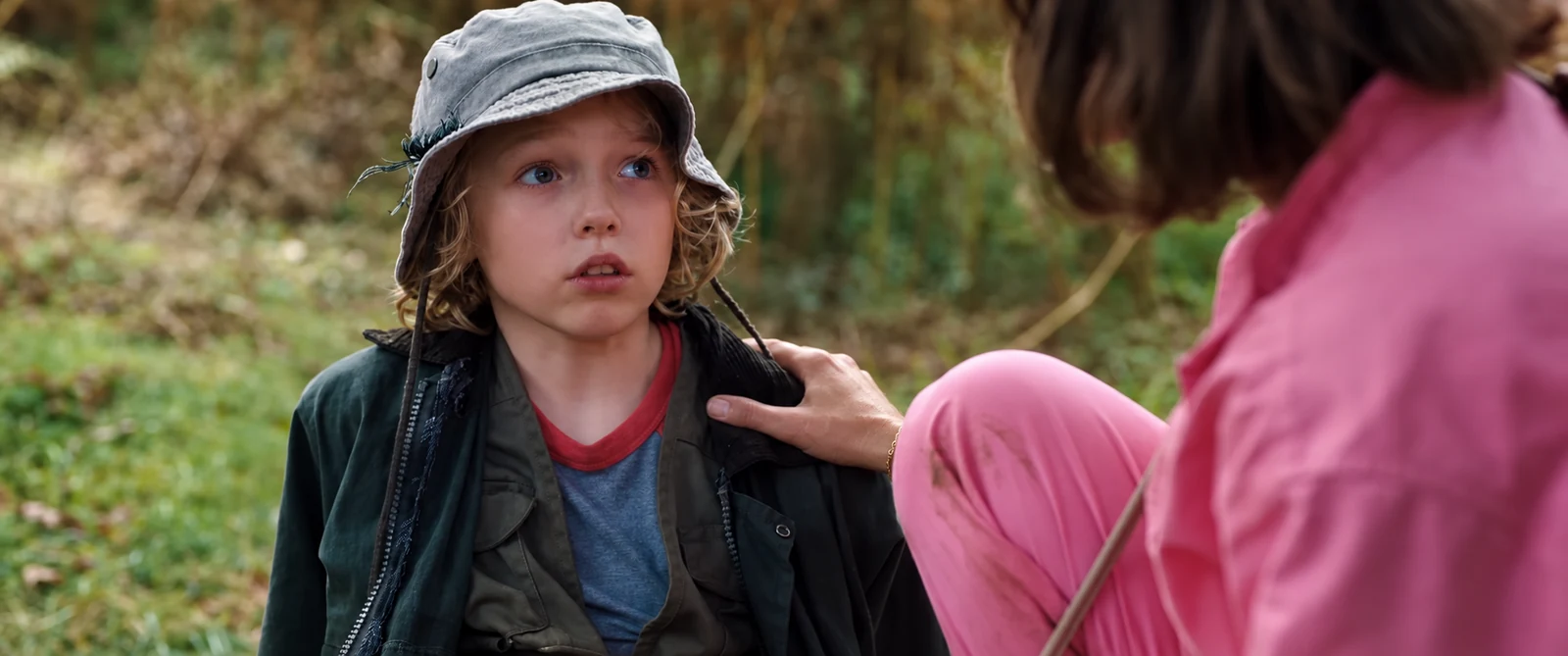
Syd keeps pursuing the drugs when the people with him are ready to leave. His son Eddie and fellow drug runner Daveed eventually abandon him. Elsewhere in the same confrontation, Sari gets her daughter Dee Dee and the girl’s friend Henry out of danger. Their escape gives the ending a straightforward human goal: get the children home. Syd’s insistence on staying makes him an obstacle to getting anyone home at all.
Eddie is a father himself, which makes his break with Syd more pointed. Syd’s pursuit puts three generations of his family at risk. Leaving his father behind gives Eddie a chance to return to his own son. The bear, meanwhile, has young of her own. Put those families around Syd and his priorities look increasingly ugly: other lives remain negotiable as long as some cocaine is still recoverable.
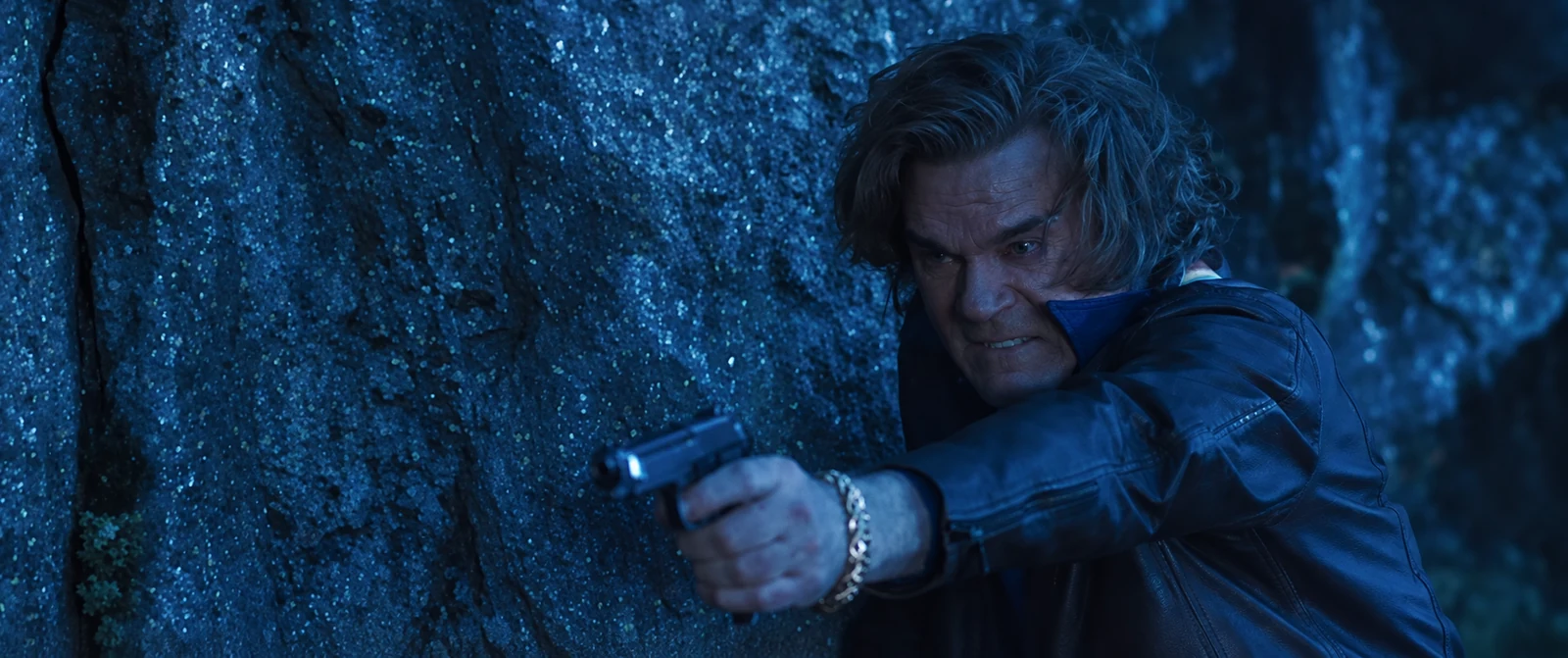
The final fight offers an easy choice without requiring us to approve of everything the bear has done. Syd is the immediate problem, and she can remove him. There is a satisfaction specific to that pairing: the man trying to reclaim the drugs is killed by the animal those drugs have changed. The human survivors can escape while the bear gets the last attack.
The Real Bear Never Got This Escape
The real bear that inspired the film died after ingesting cocaine. Screenwriter Jimmy Warden told The Ringer that its death was what made him want to imagine a revenge story. Banks also described the film as an opportunity to redeem the animal. Those comments explain the starting point of the fiction: give the bear an experience beyond being the casualty of somebody else’s drug shipment.
That choice changes what counts as a successful ending. Killing the bear might let the humans declare the forest safe, but it would also bring this invented escape back to the real animal’s fate. Letting her survive keeps the movie’s central fantasy going. She has outlasted the people who wanted their product back, with her family still beside her.
Miller’s explanation also prevents us from treating the ending solely as preparation for another movie. His stated reason was satisfaction with this one: audiences wanted to know what happened to its title character. Survival finishes an emotional thread even as it leaves room for more trouble. An open future does not automatically mean an unfinished story.
A Happy Ending for the Bear Leaves a Dangerous Forest
The bear has also attacked innocent people, including hikers and emergency responders. A reading in which she simply punishes the guilty cannot account for them. Her cubs make her easier to care about, but they cannot turn the earlier deaths into acts of justice. That is the awkwardness the ending keeps: the animal can be someone’s mother and remain a threat to almost everyone else.
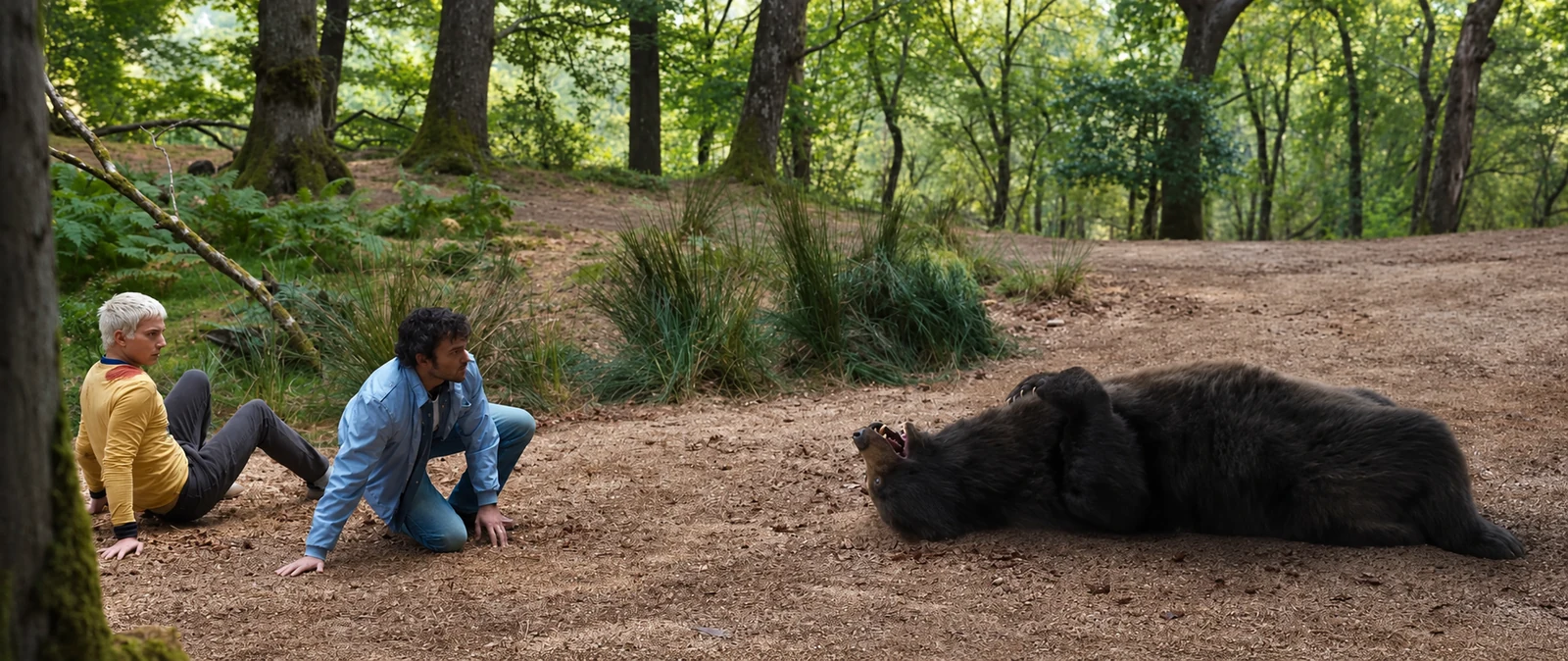
For the ending’s joke to hold, she needs to remain dangerous. A tame bear would offer reassurance at the cost of the outrageous premise. Instead, the film separates the relief of its escaping families from the much less comfortable prospect of sharing the woods with its surviving star. You can want her to live and still want everyone else to keep their distance.