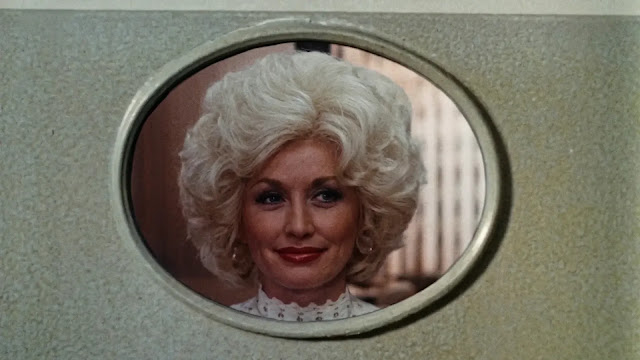
A construction crew in Paddington digs up a bomb the Luftwaffe dropped on London eighty-odd years ago. The device is live. The city empties the blocks around it, and while a bomb disposal officer lies on his stomach over the thing, a crew several streets away walks into a bank the evacuation has emptied for them. That is Fuze. It went up on HBO Max on September 4 and was the most watched movie on the service within a day. This week a stack of outlets filed the same story about it: box office flop finds redemption in streaming. I think that gets the sequence backwards, because the streaming number is not the surprising part here. The theatrical release is.

Four Numbers
This one comes down to arithmetic.
A reported $45 million to make it.
1,164 theaters on opening weekend.
$1,004,330 taken in over those three days.
One day on HBO Max to reach the top of the chart.
The third number gets quoted as the verdict. It is really a symptom of the second. Eleven hundred screens is what a distributor gives a film it has decided not to spend money on, and the American rights here went to Roadside Attractions and Saban Films, two companies whose usual business is small pictures that live on reviews. Deadline covered the release, accurately, in a column headed Indie Films Opening April 24. So a thriller with Aaron Taylor-Johnson, Theo James, Gugu Mbatha-Raw and Sam Worthington in it, shot in London, premiered in a gala slot at Toronto, went out in the United States as an indie. Nobody declined to watch this movie. Most people were never told it existed.
To be fair, 1,164 rooms still had space for a lot more than a million dollars, so the screen count does not explain it by itself. The other half is the money spent telling people the film exists, and nobody publishes that number.
The rest of the world backs this reading up, and I cannot find an explanation that fits better. Outside the United States the film took $4,155,557, close to three times its domestic total, on markets that are individually much smaller. A London thriller with American stars is not supposed to earn most of its money everywhere except America. It did, and the simplest reading is that the American release was the outlier rather than the audience.
I keep thinking about Obsession, which came out the same year with a fraction of the budget and got a real release, and made $375 million. The difference between those two runs is not quality. It is how many rooms the film was allowed into.
What Is Actually on the Disc
David Mackenzie made Hell or High Water, so he knows how to shoot men doing careful work under time pressure, and that is most of what this film is. He has said he was reaching for The Hurt Locker crossed with Heat, and you can see both: the bomb scenes play as procedure, patient and technical, while the robbery plays as choreography. Giles Nuttgens shoots the excavation like a surgery and the streets like a city that has been switched off.
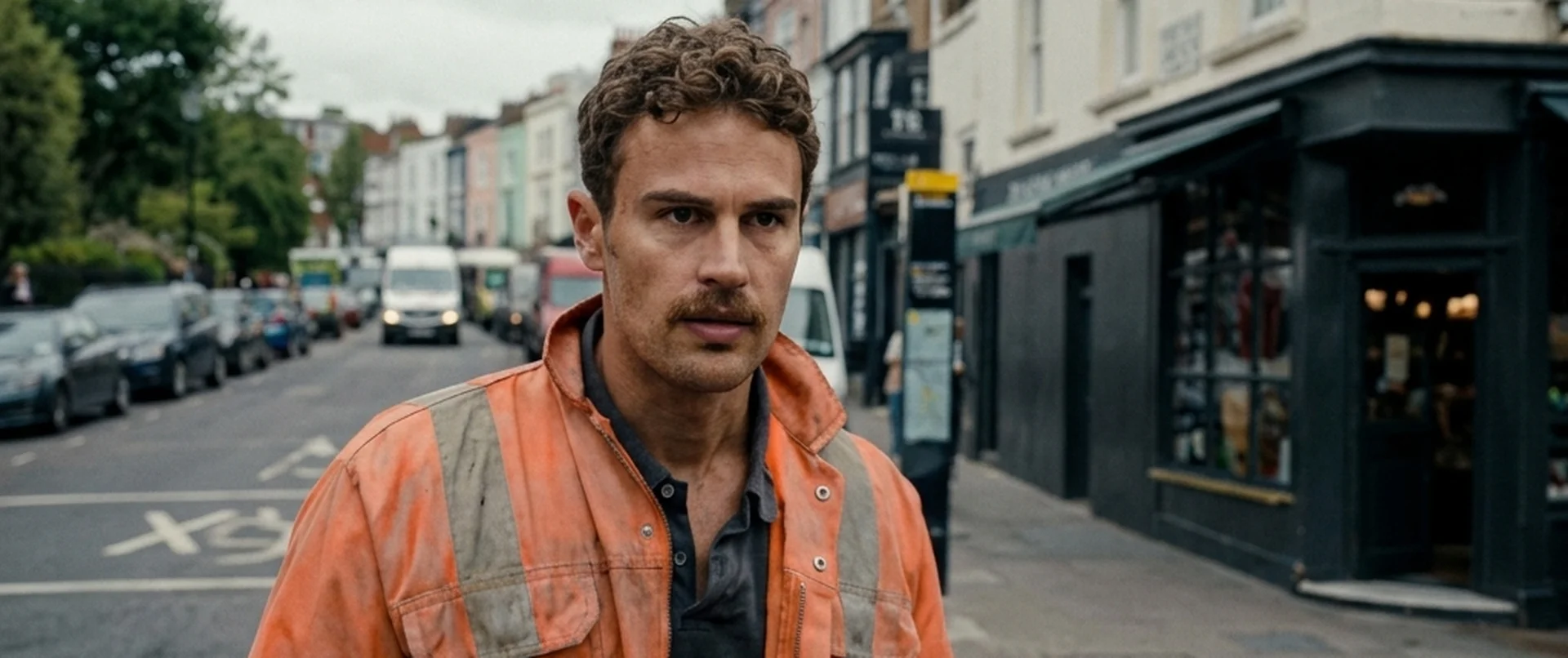
The production worked with bomb disposal officers and serving military personnel to get the procedure right, and it shows in the least showy way possible: the men in the hole talk to each other the way people talk when the conversation is a checklist. The crew’s cover is orange utility overalls and a story about the water company, and a heist that bothers with that reads as researched instead of invented.
Ninety-six minutes. Critics landed at seventy-two percent, and the Rotten Tomatoes consensus calls it pulpy excess with twists to spare, which is about right and is not an insult. Audiences came in higher, at seventy-eight.
The last act turns on a reveal that split the reviews, and I will leave it alone here beyond saying it recontextualizes one of the four people you have been watching. What matters for a movie in this position is that the reveal is something people argue about afterwards, and those arguments are exactly the engine a streaming chart runs on. A film built to be discussed in the car home does badly when eleven hundred rooms is all it gets, and does well the week everyone can start it at once.

Something similar happened this week one platform over, where The Runner sits at number one on Prime Video with seven percent on Rotten Tomatoes. Put the two together and what the charts are measuring starts to look a lot like access. Fuze is the more useful case of the two, because the reviews and the audience were on the same side all along and only the release was missing. The film is not being rediscovered. It is being distributed, for the first time, to the number of people it was made for.