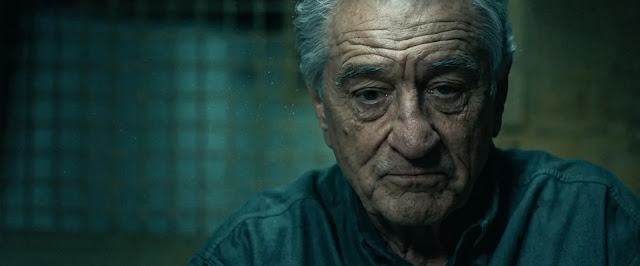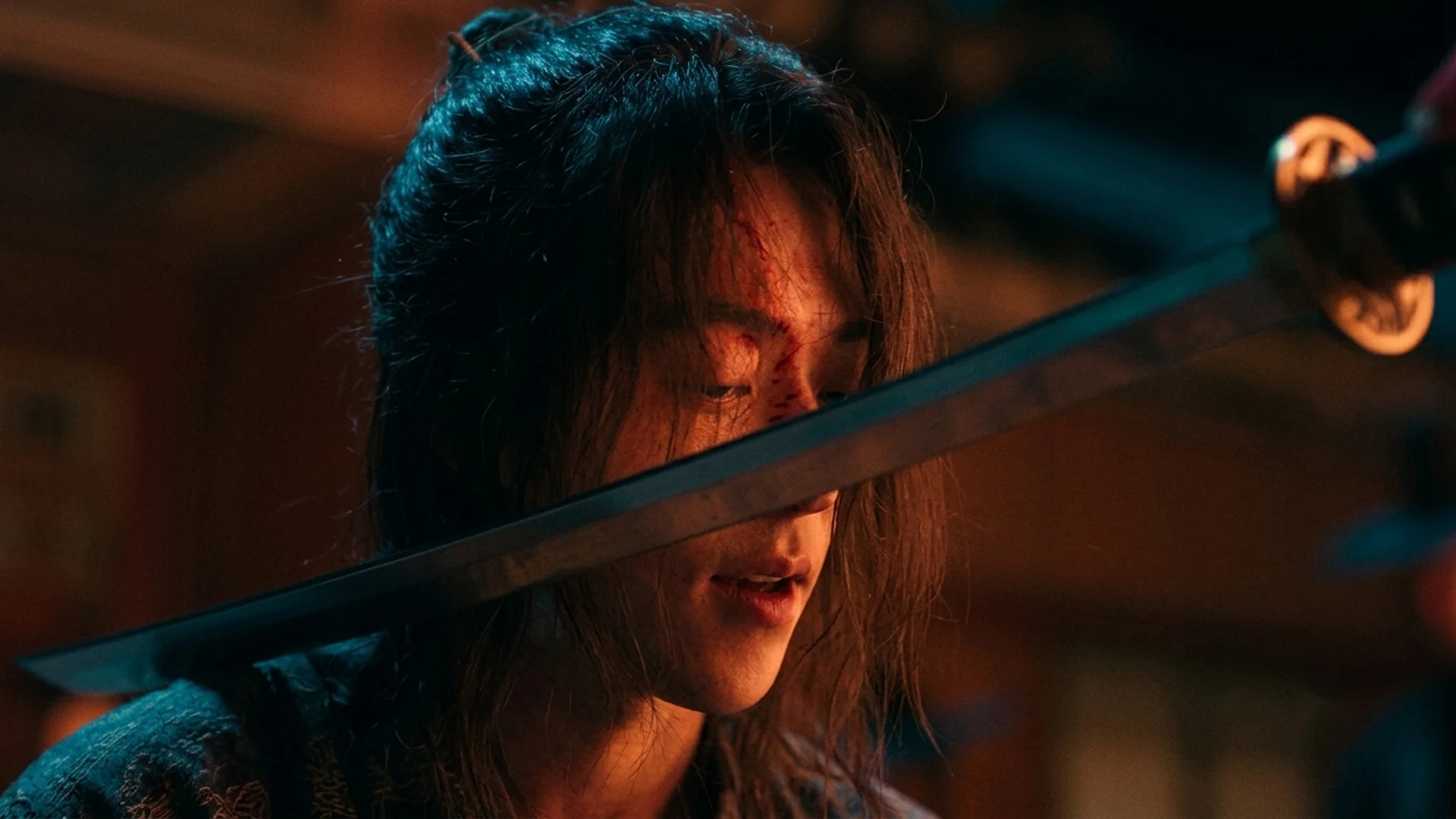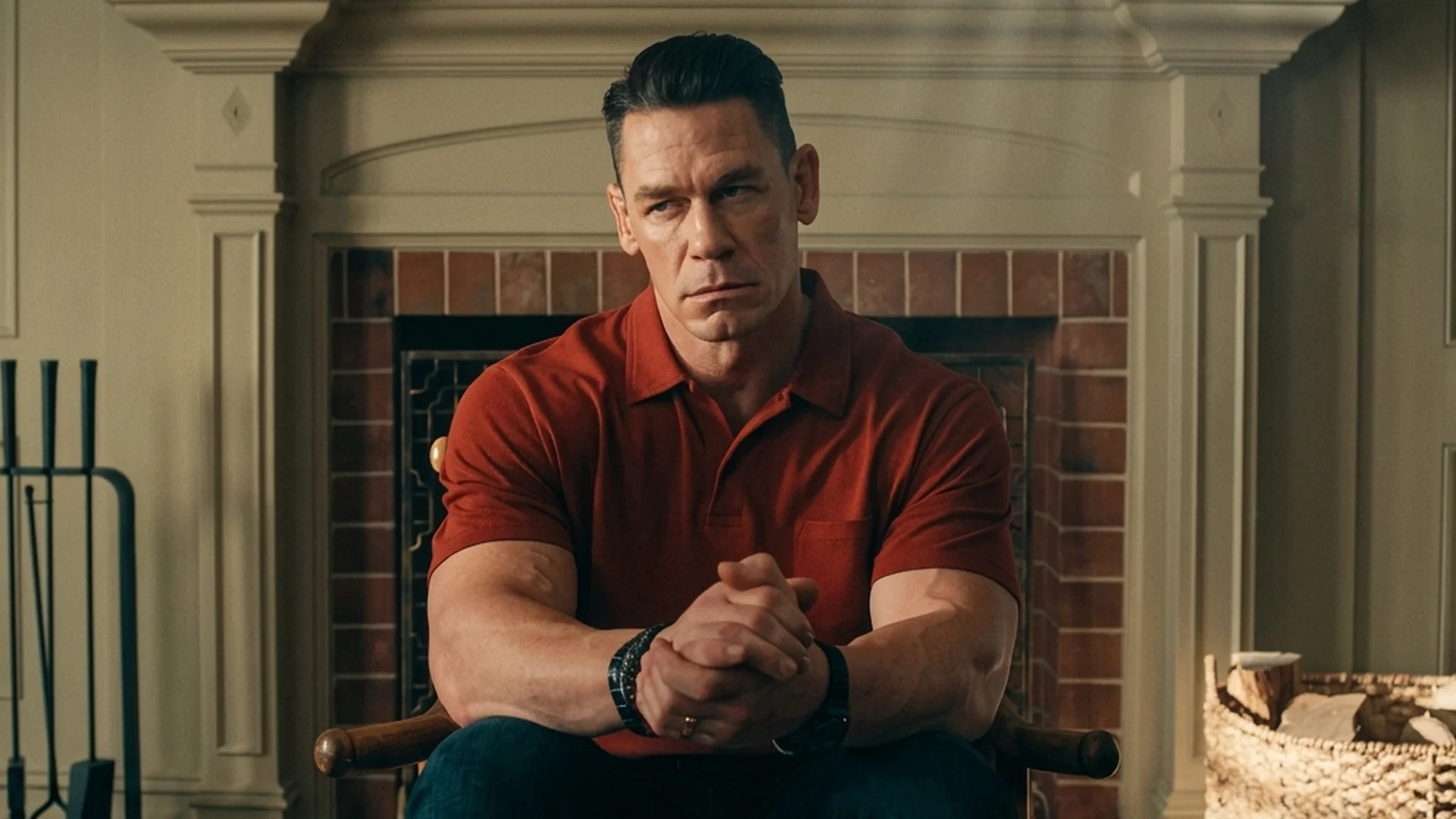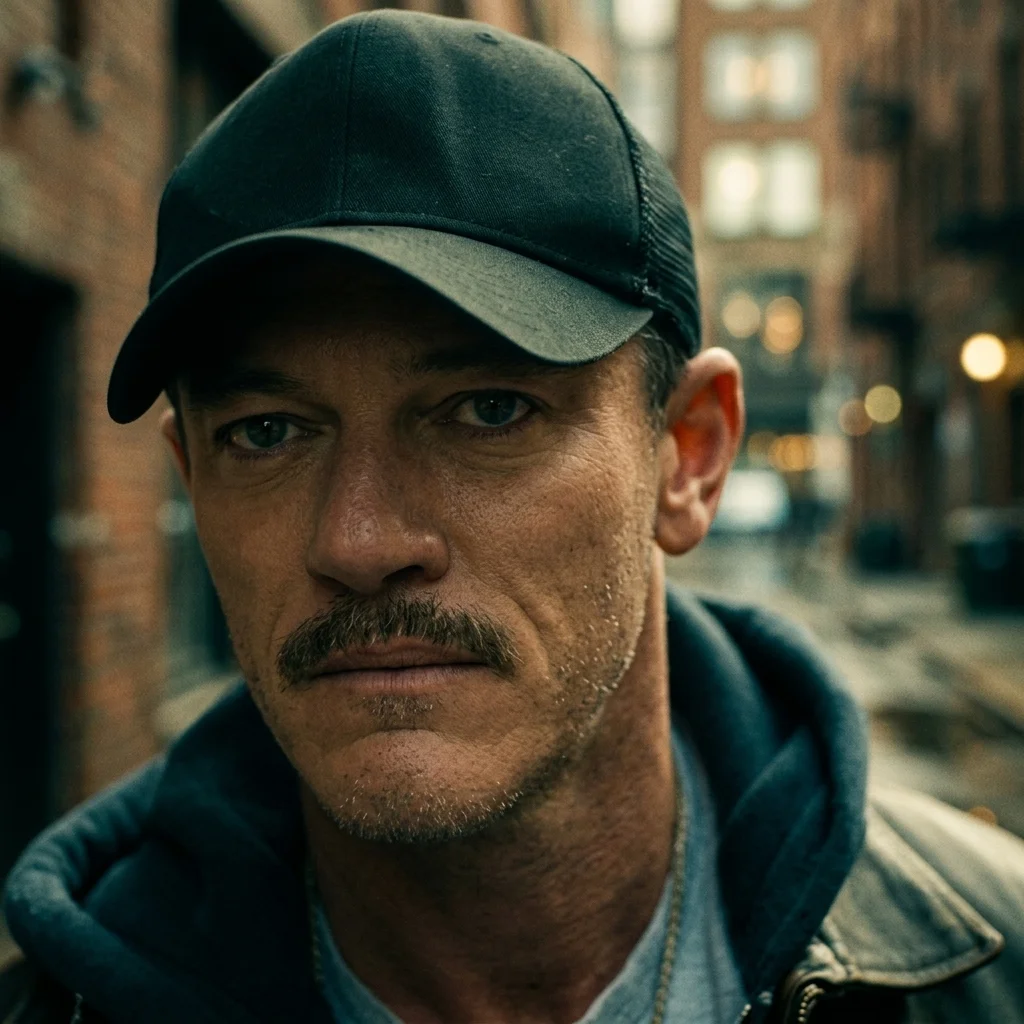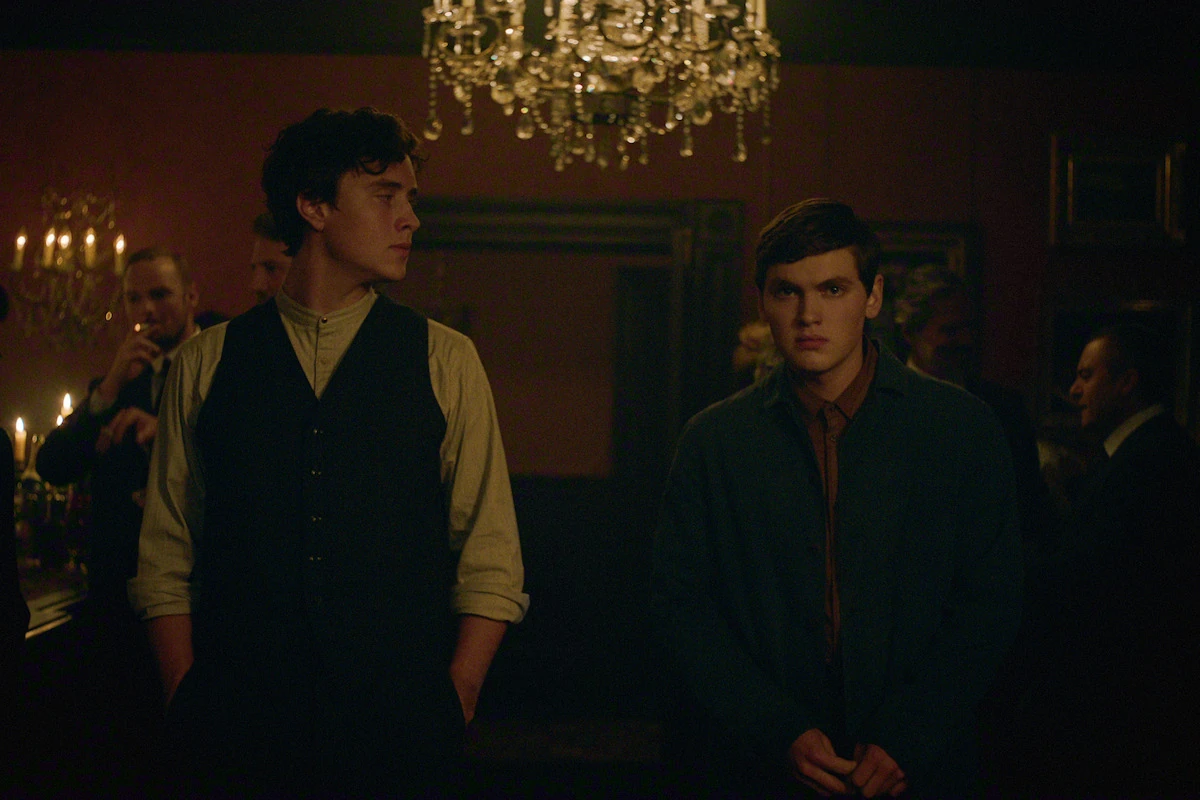
In Netflix’s 2026 East of Eden, Adam Trask rejects his son Cal’s money because it comes from wartime bean trading. Adam considers the profit morally tainted. Cal had hoped to replace what his father lost in business and finally earn his approval. That difference makes the refusal so damaging: Adam judges how the money was made, while Cal hears a judgment of the son offering it. The consequences reach his twin brother, Aron, before the finale brings Cal back to his father’s bedside.
The money matters because Cal has chosen a practical way to make himself useful. He cannot simply become the son his father finds easier to admire. He can, however, solve a financial problem. The trouble begins when he expects that success to settle the question of whether Adam loves him.
Why Adam Refuses the Gift
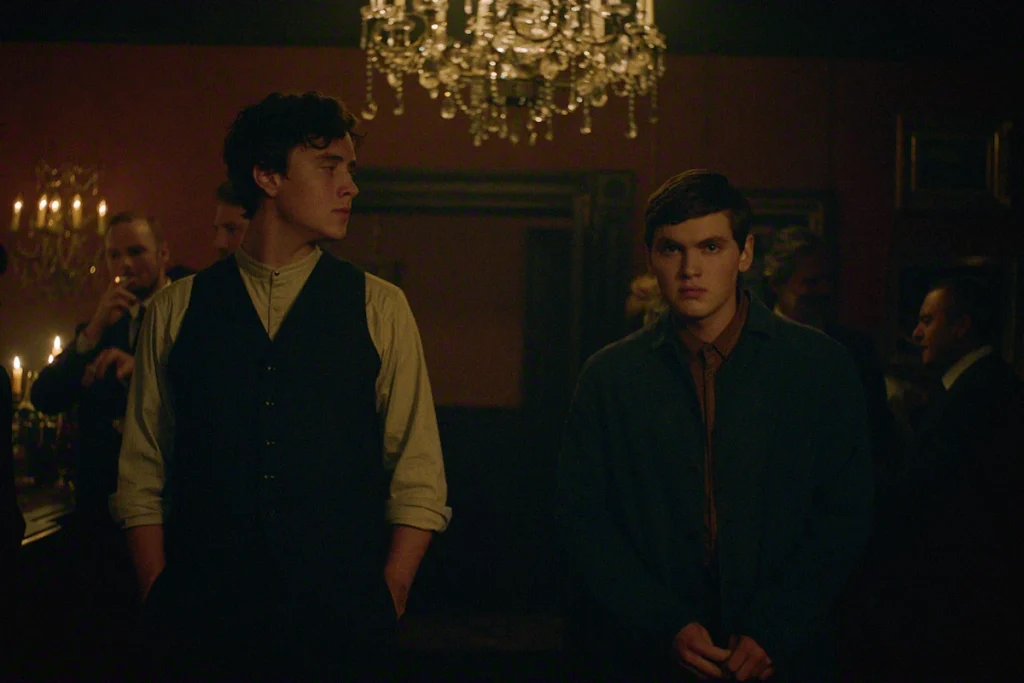
Adam’s failed lettuce-shipping venture has left the family with a substantial loss. Cal’s bean business produces a $15,000 gift for him. ELLE’s account of the finale identifies the objection that ruins Cal’s plan: Adam will not accept money earned from a war in which other people are suffering. A father who needs the money can still object to where it came from.
That is a defensible objection, and an explanation that makes Adam merely ungrateful would flatten the conflict. Cal’s wish to help does not settle the ethics of his business. But Adam also has to respond to a son who has put his hope into this offering. Refusing the profit and recognizing that hope are both possible. The tragedy depends on how little reassurance reaches Cal along with the refusal.
Why Cal Takes Aron to See Cathy
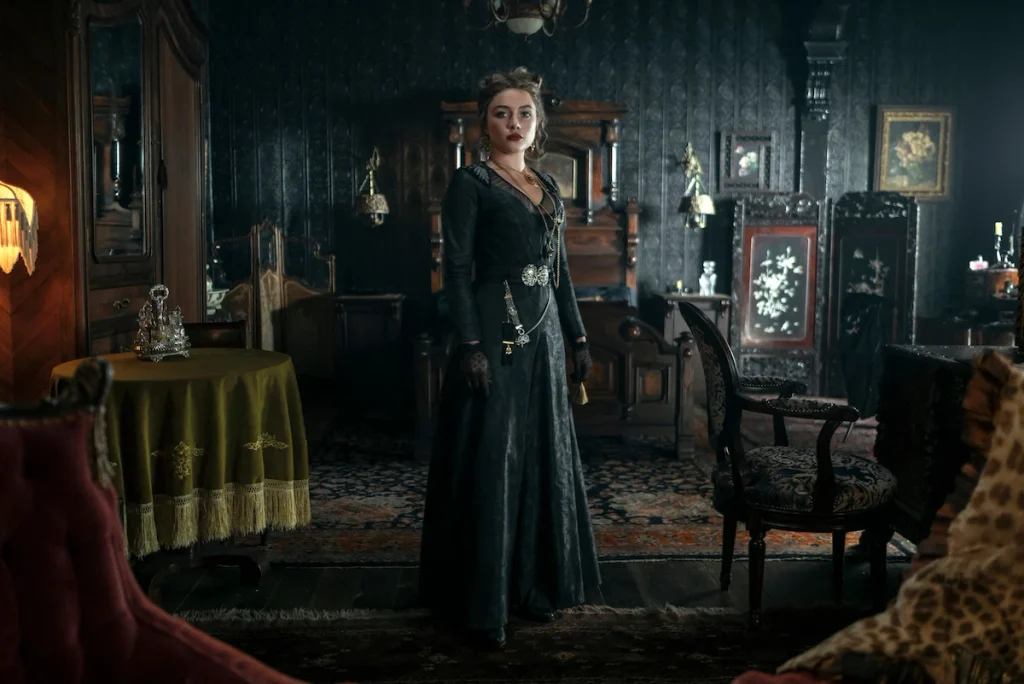
Cal knows something Aron does not: their mother, Cathy, is alive and runs a brothel under the name Kate. After Adam rejects the money, Cal takes Aron to see her. Radio Times’ account connects the act to Cal’s anger at Adam and resentment of Aron’s favored position. Cal turns a truth his brother does not know into a way to hurt him.
Aron did not create the bean deal or decide whether Adam should accept it. Cal nevertheless makes him the person who must suffer for the rejection. That choice is where sympathy for Cal needs a limit. His father’s response helps explain his anger; it does not make his brother an acceptable target.
What Cal Is Responsible For After Aron’s Death
Aron leaves and enlists in the army. His eventual death brings another stroke for Adam and crushing guilt for Cal. NME’s ending account describes Cal confessing that he took Aron to the brothel as revenge. He knows the cruelty was deliberate, and now he reads everything that followed through that decision.
There is a difference between owning that harm and taking sole responsibility for Aron’s death. Cal chose to wound his brother. He did not control every decision Aron made afterward or the circumstances of his death. Keeping those limits clear makes Cal’s responsibility more precise. He has a specific act to face, rather than proof that every part of him is beyond repair.
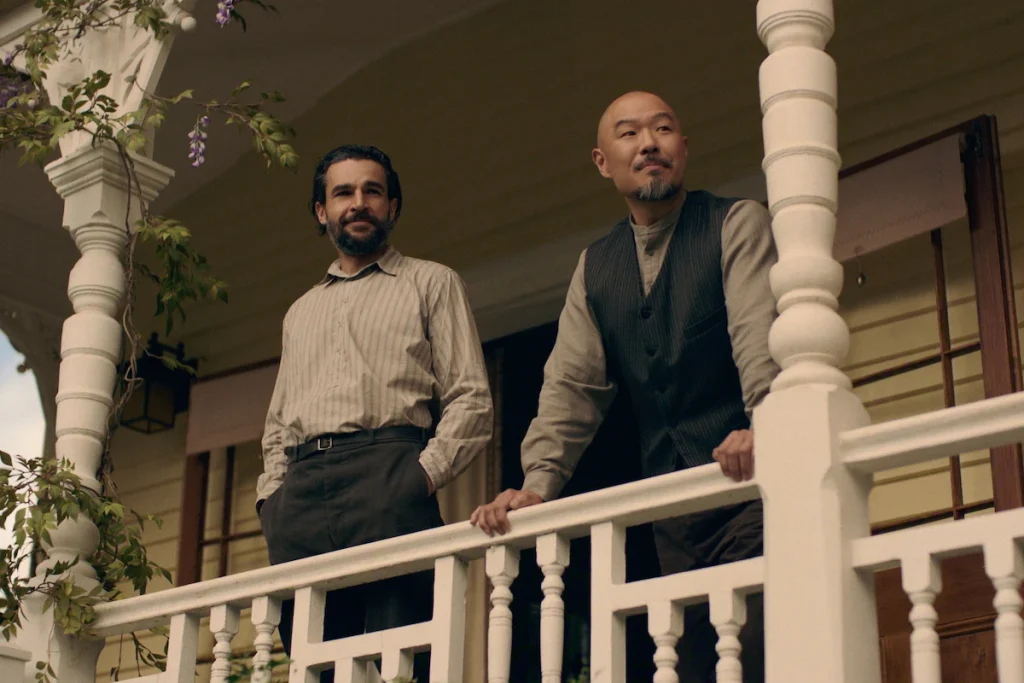
Lee, who helped raise the twins, brings the family back to that distinction. He presses for a meeting between Cal and the nearly speechless Adam. His intervention gives the father a chance to answer the son, and Cal a chance to hear something beyond his own accusation.
What Adam’s Final Word Gives Cal
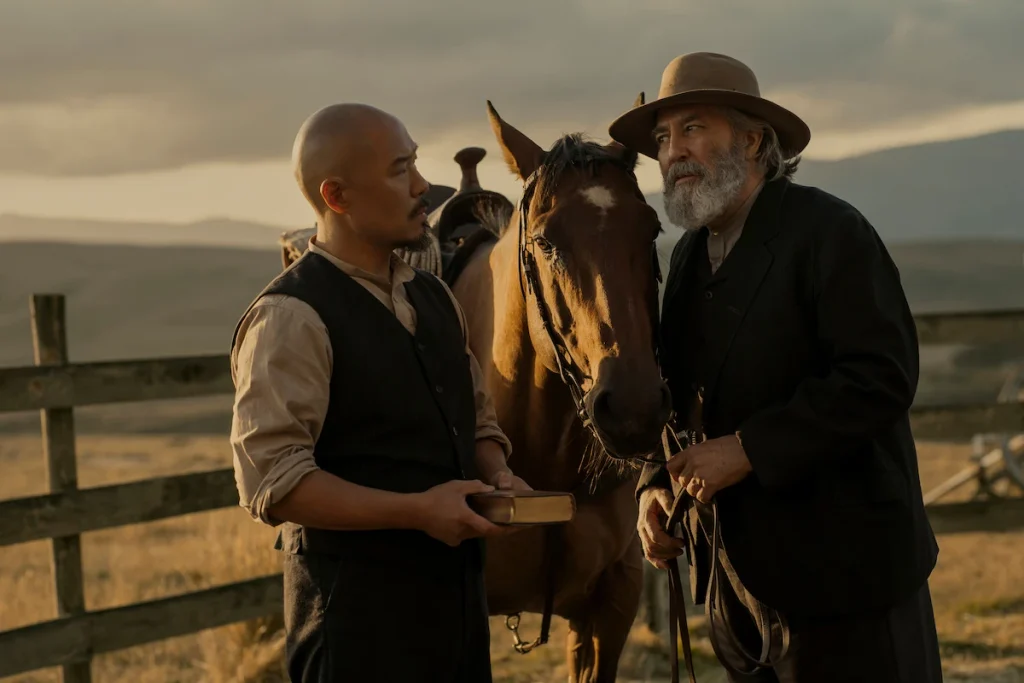
Adam says “timshel,” the word Lee understands in the story as “thou mayest.” In Netflix’s finale discussion, co-showrunner Zoe Kazan connects the idea to people’s capacity to change despite shameful things they or their ancestors have done. Cal has feared that being Cathy’s son determines who he will become. Adam’s response leaves him able to choose what he does next.
The reconciliation does not require Adam to declare the bean profits acceptable. His judgment of the transaction can stand while his response to Cal changes. That is why the bedside exchange answers the rejected gift so directly. Cal no longer has to present a successful business deal before his father will receive him. He lies beside Adam and holds him; whether Adam will recover remains unresolved.
What I find persuasive in that ending is how modest the repair is. Aron is still dead, and Cal still has to live with what he did. But Adam manages to respond to the child who came looking for his approval. The money could not secure that response. This time, his father answers him without a gift between them.