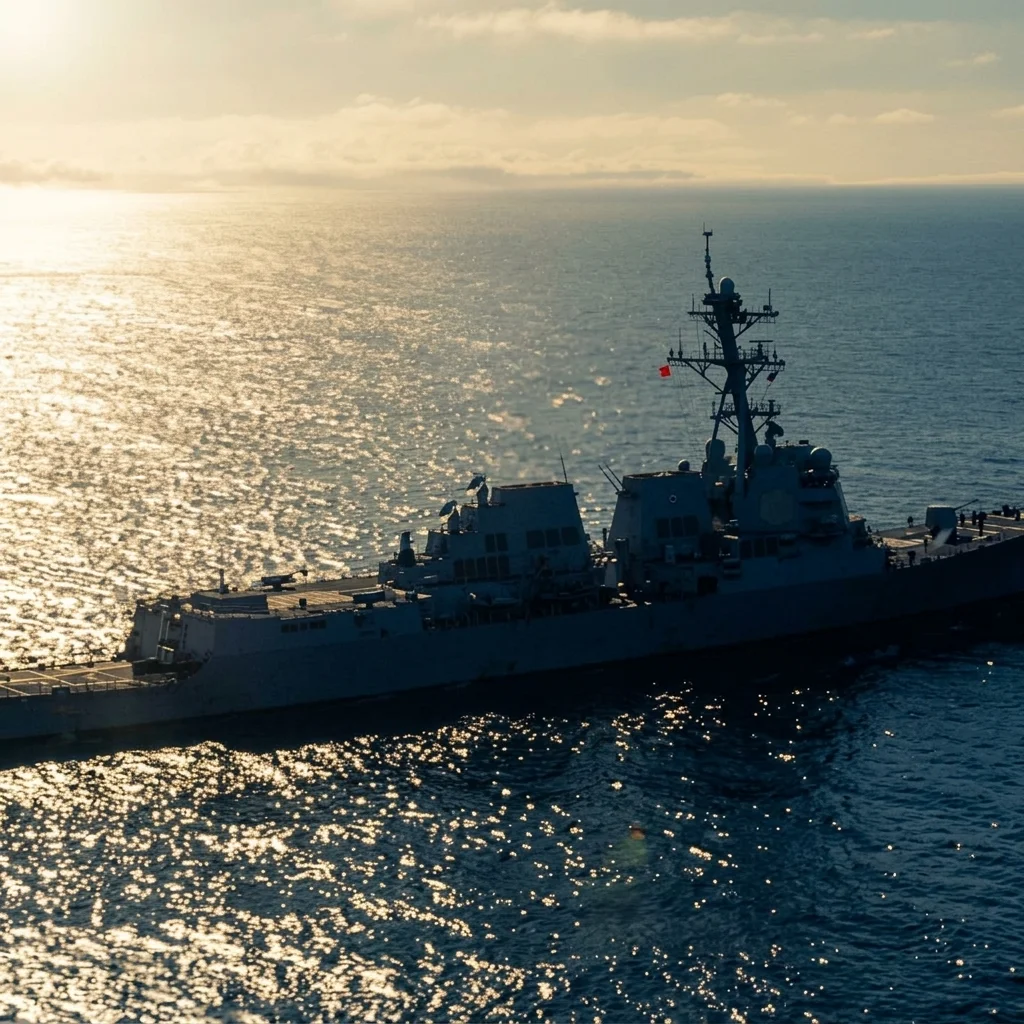
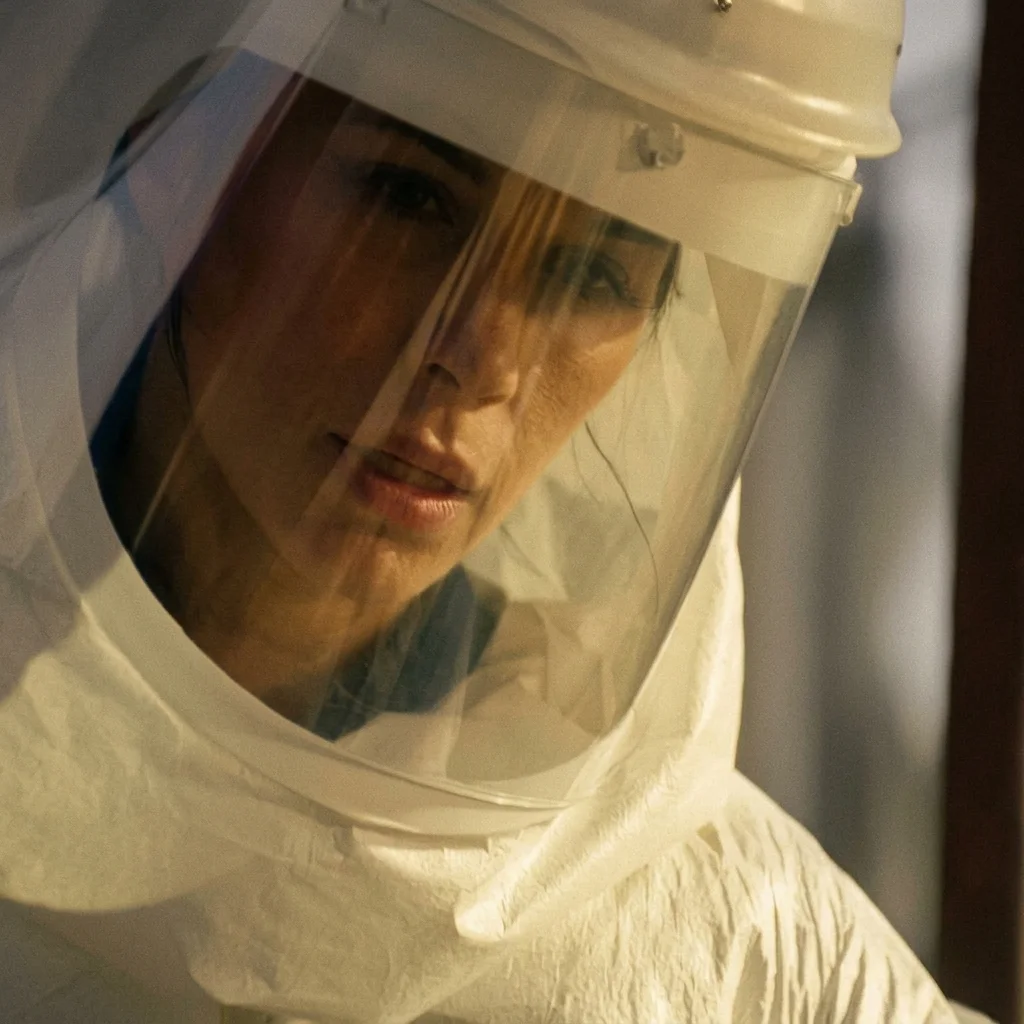
The Last Ship imagined a pandemic six years before we lived one. A virus wipes out eighty percent of the world. A single Navy destroyer, out at sea when it hit, comes home to a silent country carrying the one scientist who might build a cure. The show ran on TNT from 2014 to 2018, five seasons of it, and then slipped out of the conversation almost entirely. This week it is the second most-watched series on Netflix in the United States, eight years after its finale. The easy explanation is that we understand pandemics now in a way we did not back then. The real reason is stranger, and it points the other direction.
The numbers are not a fluke of a slow week. It debuted at No. 3 the day after it landed and climbed to No. 2, where it has held, and the only series sitting above it is a glossy Harlan Coben thriller. Rotten Tomatoes has it at 83 percent. None of that is what makes the resurgence interesting. What makes it interesting is the gap between the pandemic this show describes and the one we actually had.
Here is what The Last Ship gets wrong about the end of the world, and why the mistake is the whole appeal. In this version, the chain of command holds. Someone is always in charge. The orders are clear, the crew is competent, and a cure is never more than a few episodes out of reach. That is not the pandemic any of us lived through. Ours had no destroyer and no scientist with a plan, only argument and improvisation and a long stretch where it was hard to tell if anyone was steering at all. This is the disaster where the institutions work.
The Pandemic Where Someone Is in Charge
It is worth setting beside the other pandemic story everyone has already seen. The Last of Us treats the collapse as grief, slow and intimate, more concerned with what the survivors have lost than with what they can do about it. The Last Ship treats it as an assignment. There is a problem, there is a ship, there is a plan, and each episode carries you a step closer to a fix. One show is about how it feels to lose everything. The other is about the strange relief of having a job to do while you lose it.
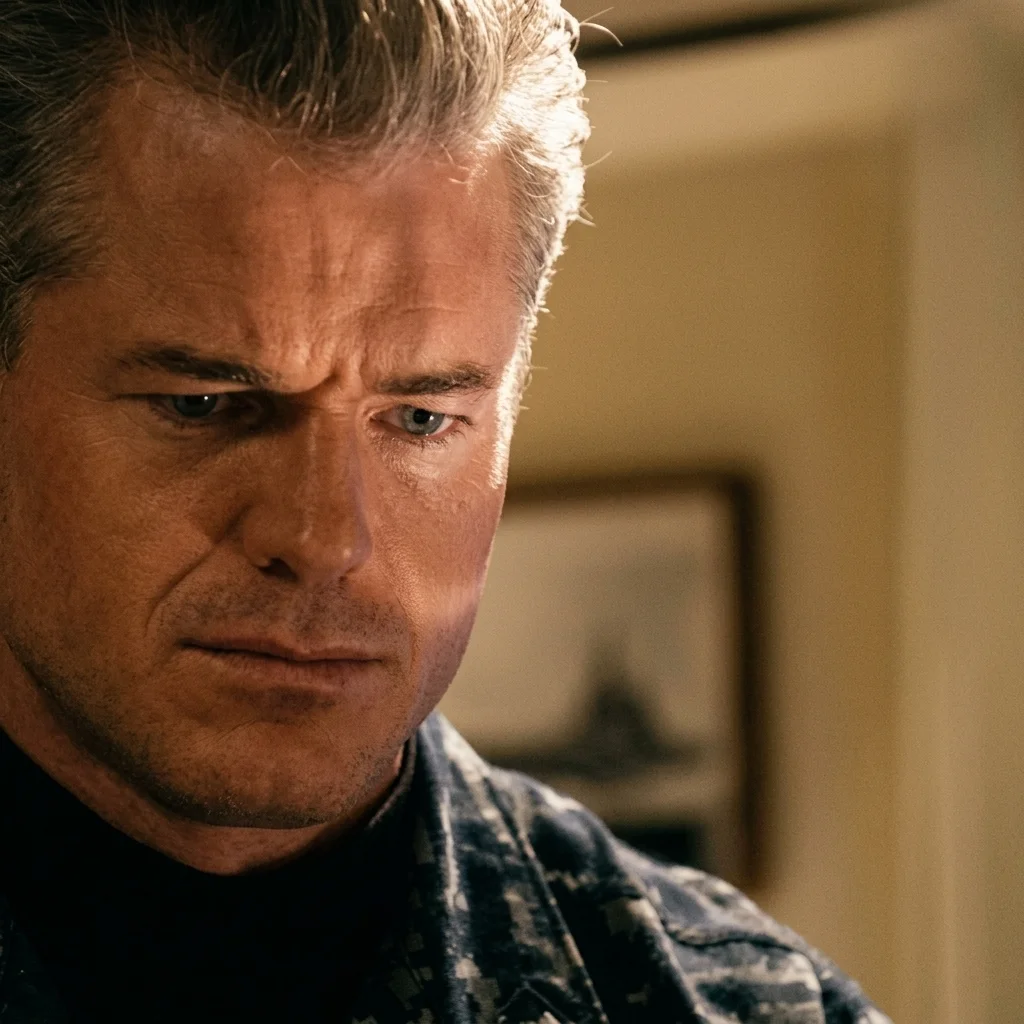
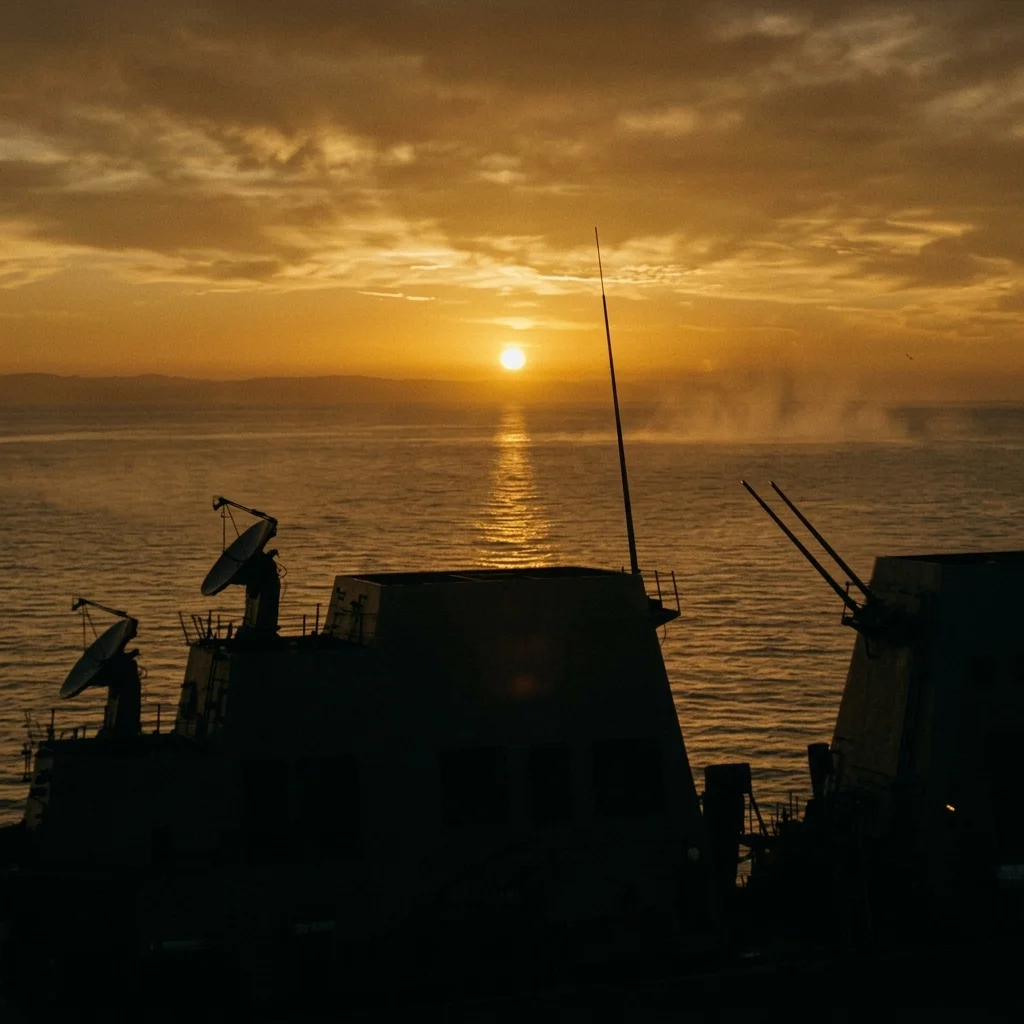
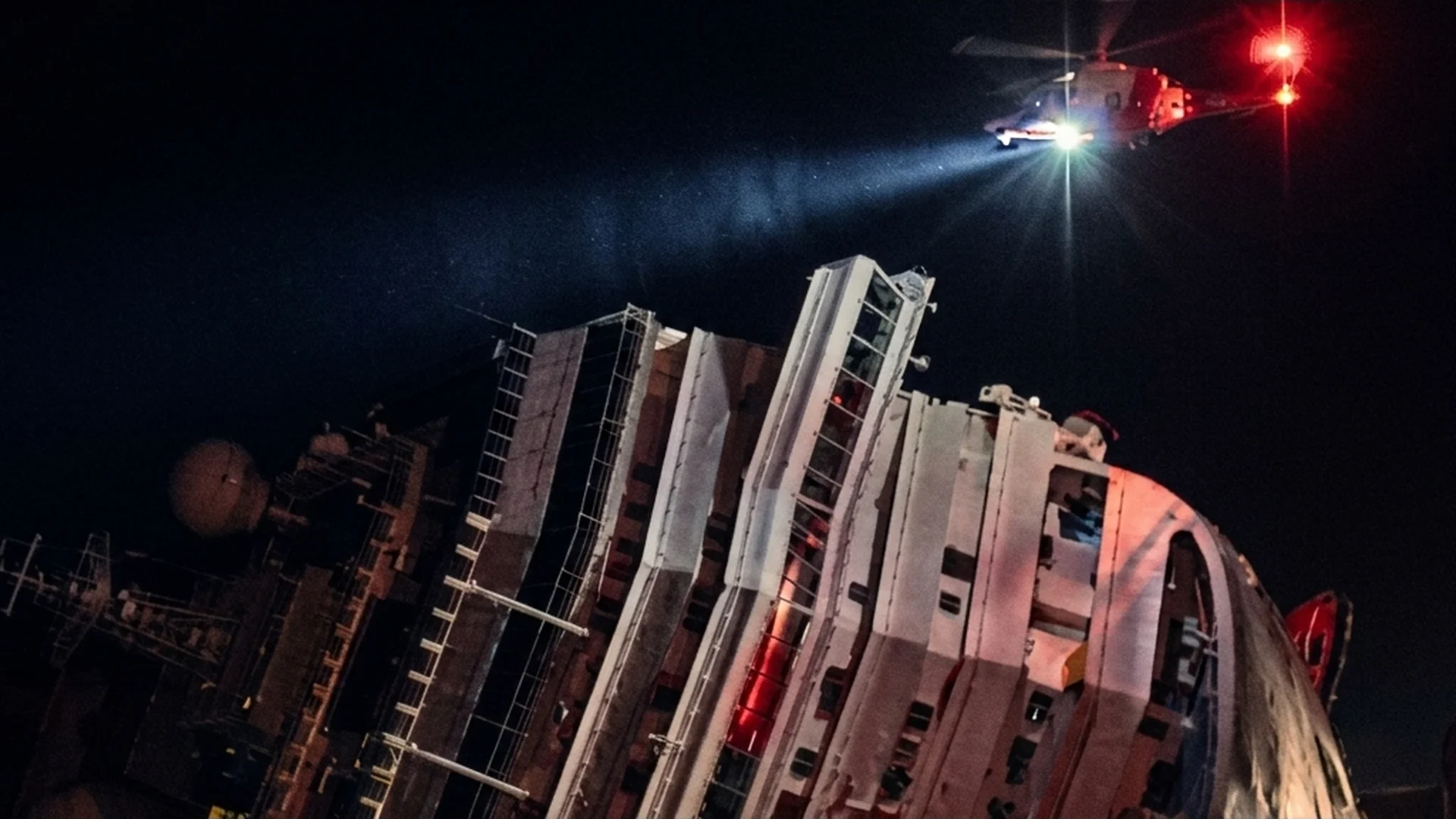
That instinct runs all the way down to how the show is built. Michael Bay produced it, and you can feel his fingerprints in the scale, the destroyer shouldering through heavy water, the firefights staged with real weight. At the center of it is Captain Tom Chandler, played by Eric Dane as a steady, unshowy presence, the officer who keeps his voice level when everyone around him has reason to panic. Dane died this February, at fifty-three, from ALS. Watching him hold that ship together now carries a weight the show could not have planned for, and some of the people returning to it this month are there for him.
Why the Flaws Stopped Mattering
The show was never a critical darling, and the complaints about it have not changed. The science is shaky; a working vaccine arrives on a timeline no virologist would sign off on. The patriotism is laid on thick, the American military cast as the last competent hand on Earth. In 2014 those read as weaknesses, the marks of a network action show reaching past its grasp. Watched now, they land differently. The implausible cure and the unwavering faith in the uniform are not bugs in the fantasy. They are the fantasy. The whole appeal is a world where the cavalry is real and it is coming.
What You Are Actually Watching It For
If you are starting now, the show is at its sharpest early. The first two seasons are the strongest, tight and propulsive, when the cure is still the whole point and the world outside the ship is still a mystery. The later seasons widen out into warlords and rival nations and lose some of that focus, the way long action series tend to. None of it is prestige television. It is fast, confident, big-budget comfort food, and it knows exactly what it is. If you want the end of the world played as dread instead, the kind that sits on your chest, that is a different shelf entirely.
The Last Ship did not predict our pandemic. It predicted the one we wanted, the one with a chain of command and a cure at the end of the season. We never got that version. Eight years later, on a streaming service, we can at least watch it. Maybe that is the comfort, and maybe it is a little sad too, that the most reassuring pandemic story we have is the one that got almost everything about a pandemic wrong.


1 thought on “The Last Ship Is Netflix’s No. 2 Eight Years Later — Because It’s the Opposite of the Pandemic We Got”