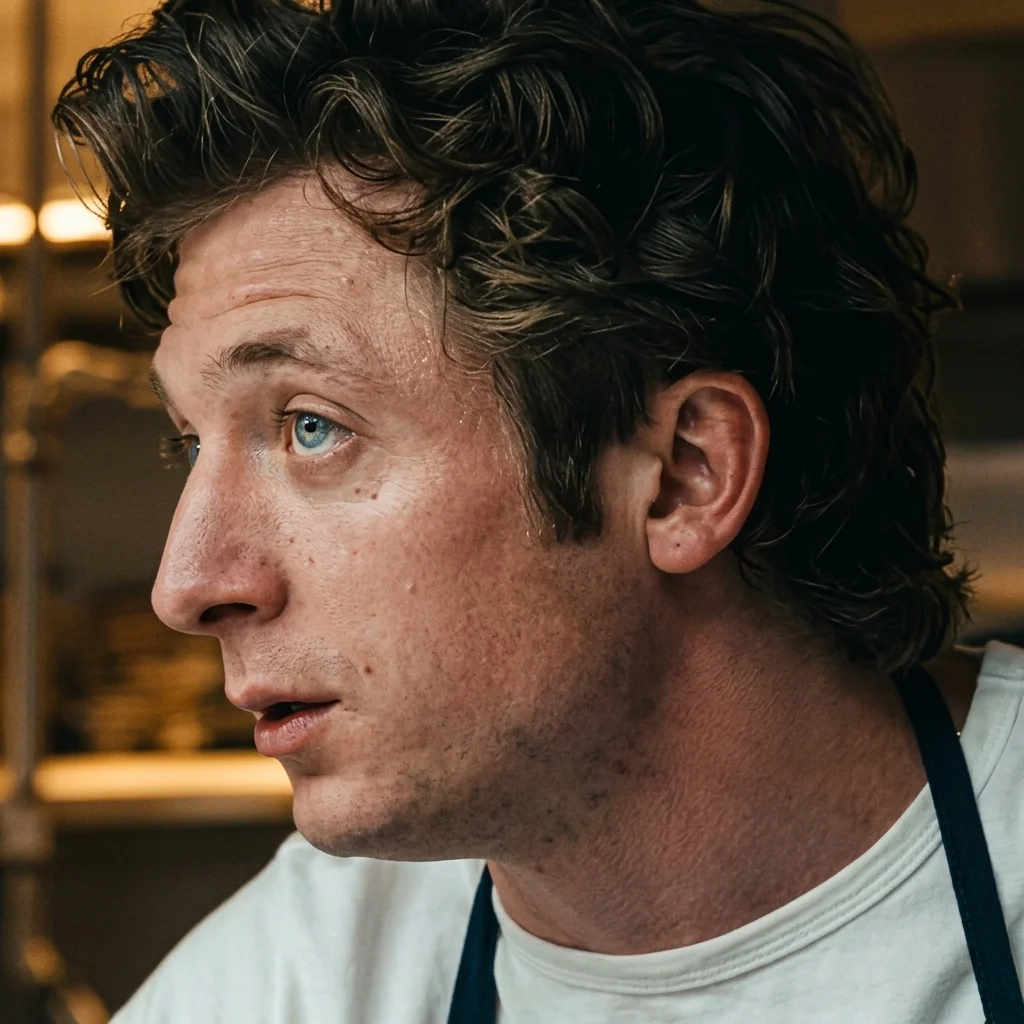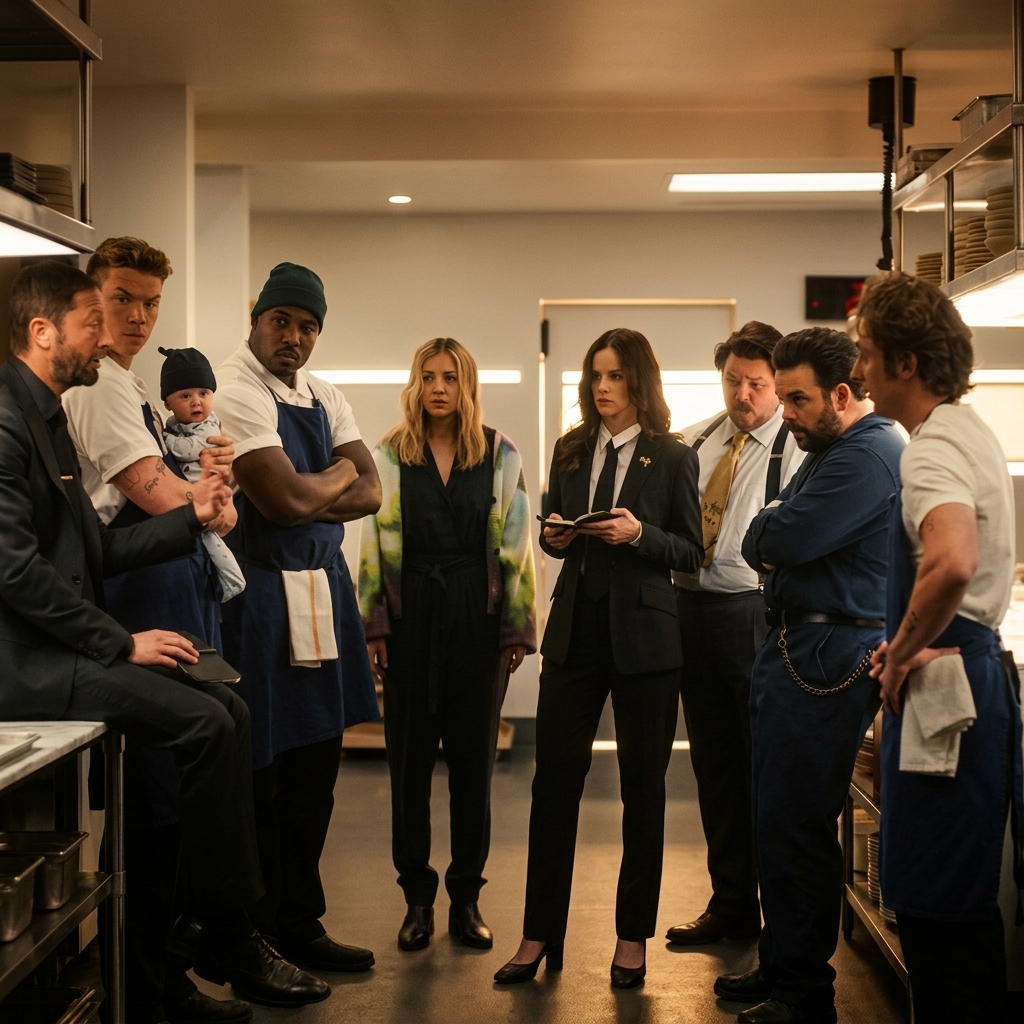
The Bear returns for its fifth and final season on June 25, and the most revealing thing about it isn’t the premiere date or the episode count. It’s the premise. Carmy Berzatto, the character around whom four seasons of tension have been organized, has quit. He’s walked out of the restaurant he drove himself nearly to destruction to build, and left it to the people around him.
That decision reframes everything that comes next — and it might be exactly what the show needs.

What The Bear Has Been, Season by Season
When The Bear premiered on FX on Hulu in June 2022, it arrived with a rare kind of critical consensus. The first season ended at 100% on Rotten Tomatoes. The second season, which contained what many considered the finest single episode of television that year — a Christmas dinner that operates less like a TV episode than like a controlled detonation — landed at 99%. These are numbers that reflect something beyond quality. They reflect a show that felt genuinely new.

he third and fourth seasons are where the conversation gets more complicated. The scores didn’t collapse — 89% and 84% are still excellent television by any reasonable measure — but the critical enthusiasm shifted from unanimous to divided. Some felt the show had begun to mistake intensity for depth, cycling through the same trauma loops with diminishing returns. Others argued that this was precisely the point: watching people who cannot stop doing the thing that is destroying them is not comfortable viewing, and comfort was never the goal.

What the first four seasons established, cumulatively, is a portrait of a specific kind of obsession. Carmy is a man who learned to express love through control, and found a kitchen to be the perfect arena for both. The restaurant was never really about food. It was about a man trying to outrun a grief he had no other language for.

Why Carmy Quitting Is the Most Interesting Thing That Could Have Happened
Season 5 opens the morning after Carmy tells Sydney, Richie, and Natalie that he’s leaving the food industry entirely and walking away from the restaurant. No money in the accounts. The threat of a forced sale. A storm incoming. And three people who have spent years working in his shadow, suddenly holding everything he built.
That premise is more interesting than another season of Carmy in crisis, and the show’s creators seem to know it. The Bear has always been, underneath its surface story about a restaurant, a show about what happens to the people orbiting a person who takes up all the oxygen. Sydney Adamu has been the most carefully observed character in the series for at least two seasons — a young chef with genuine talent who has spent her formative professional years calibrating herself around someone else’s instability. Ayo Edebiri has been doing extraordinary work in a role that has frequently asked her to be reactive rather than central. Season 5 removes that constraint.
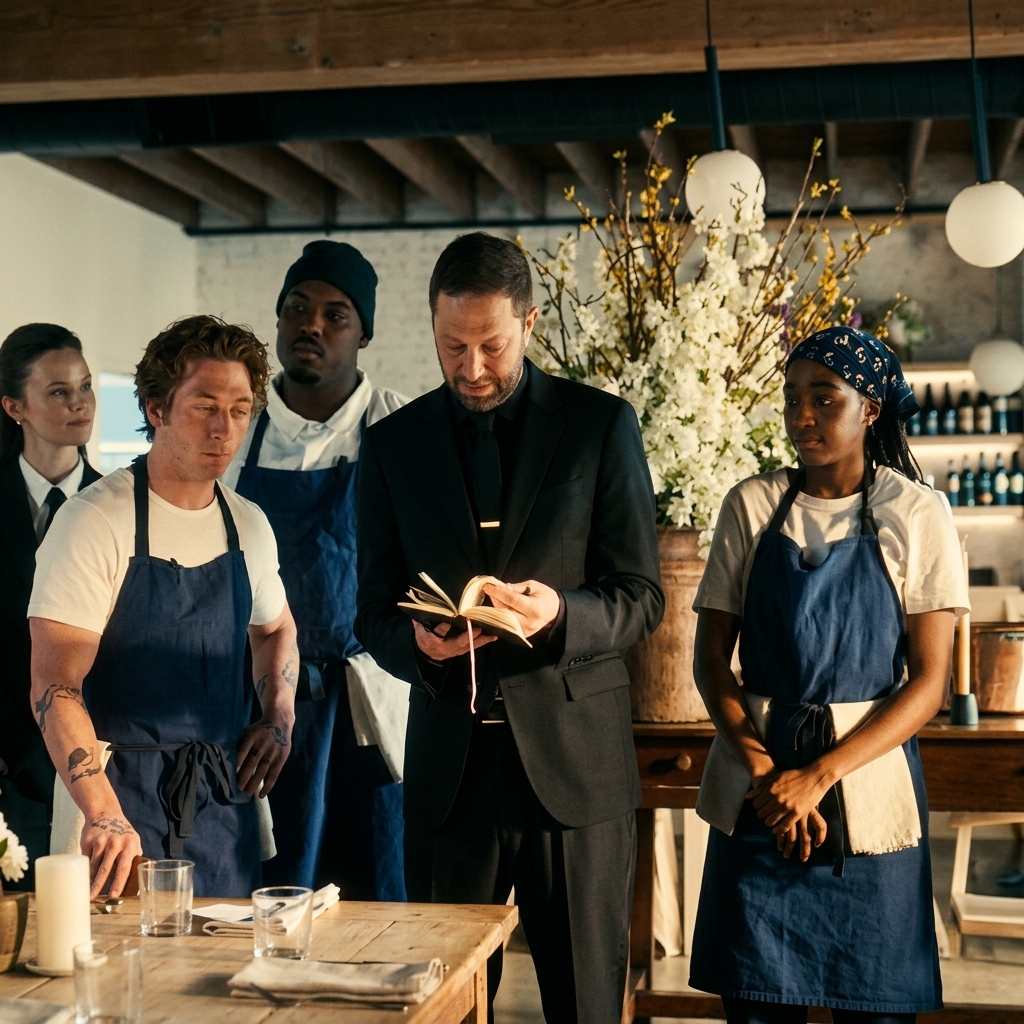
The question of whether they can earn a Michelin star in one final service — with no resources, no head chef, and a storm literally bearing down on them — is the kind of pressure cooker scenario the show does well. But the more interesting version of that question is what Sydney becomes when she is no longer “Carmy’s sous-chef” but simply the person running the kitchen.
What the Final Season Needs to Do
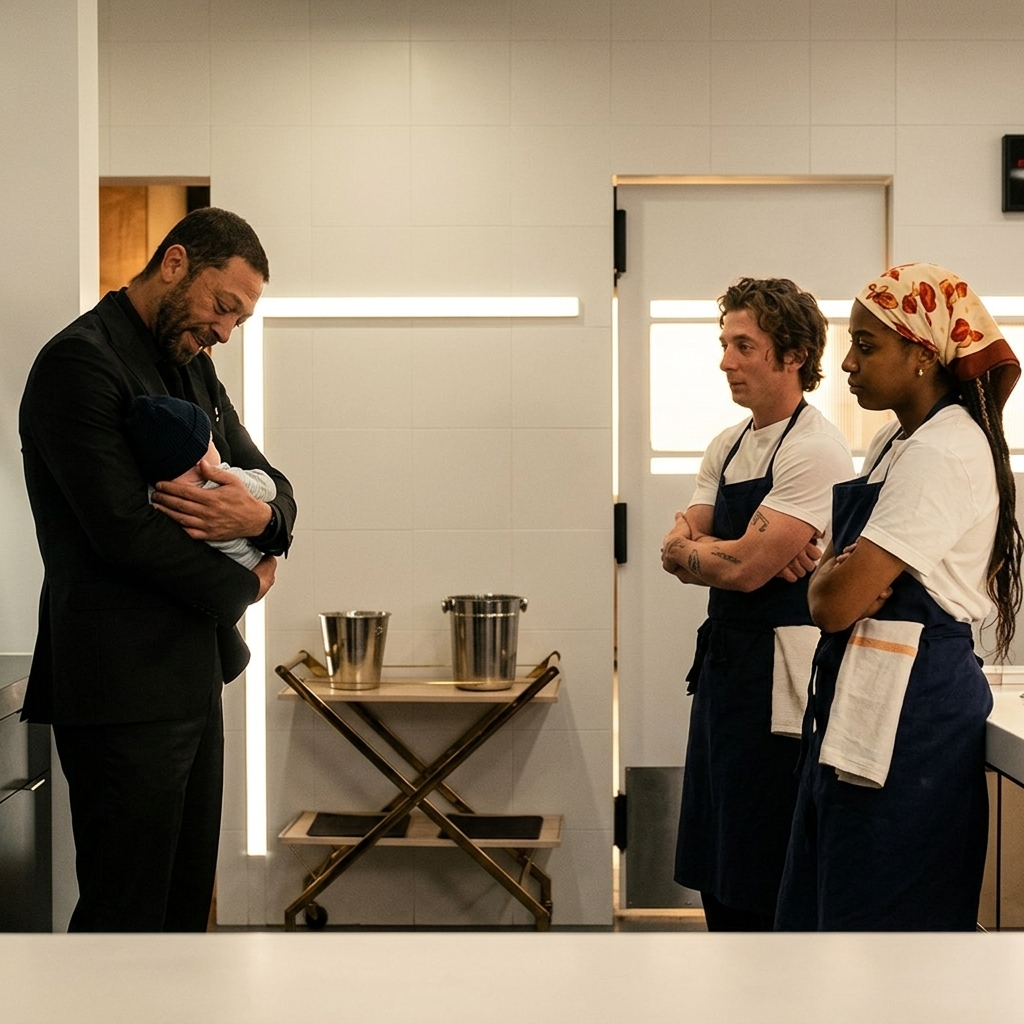
The “Gary” episode that FX released ahead of the finale — a flashback following Richie and Mikey before the events of the series — is a reminder of how good this show is at the specific texture of male grief and the things men cannot say to each other directly. Jon Bernthal’s Mikey has haunted the series from the beginning. The episode suggests the finale intends to pay that haunting off properly.


What The Bear needs to do in eight episodes is earn its ending without retreating into the safety of resolution. This is a show about people who are genuinely damaged in ways that don’t fully heal. The temptation in a finale is to offer closure that the material hasn’t earned — to let people be okay in ways that the preceding four seasons have established they are not. The more honest version of an ending for The Bear is messier than a Michelin star, and more meaningful.

The critical slide from seasons one to four is real, but it doesn’t change what the first two seasons achieved or what the best episodes of three and four contained. A show that started this well deserves a serious assessment of where it lands. I’ll have a full review on June 25.
What I’m bringing to the final season is less anticipation than attention. The Bear has always rewarded that.