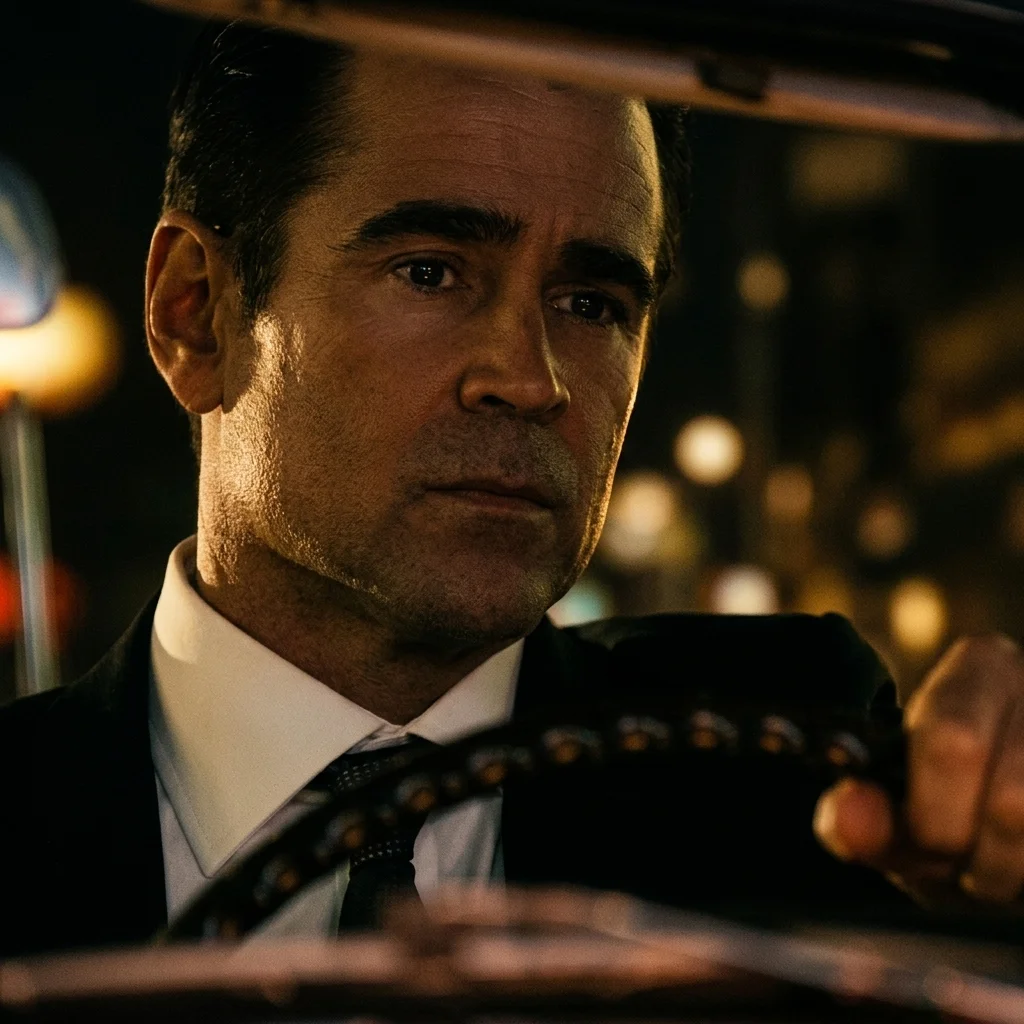
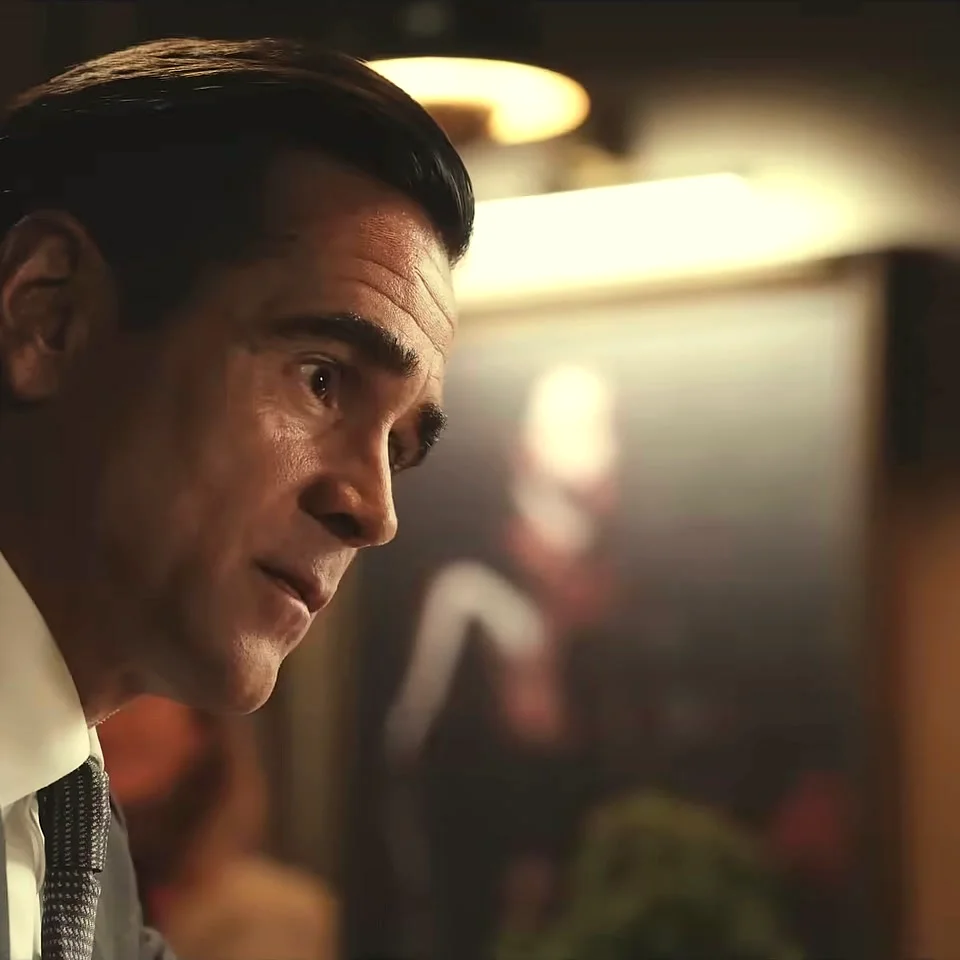
Sugar returns to Apple TV+ on June 19, two years after it pulled off one of the stranger sleights of hand in recent television, and the thing worth saying up front is that its detective story was never really about the case. It was about the man working it. Colin Farrell’s John Sugar spends his days in trench-coat-and-vintage-car mode, a private eye lifted whole out of 1940s Los Angeles, chasing a producer’s missing granddaughter through a city that runs on secrets. For five episodes the show wears that costume so lovingly you forget to ask why it fits him a little too well.
A Detective Story in Borrowed Clothes
The first thing to understand about Sugar is that it was made by someone in love with old movies. Creator Mark Protosevich built the show as an open homage to classic American noir, the world of the 1940s and 50s detective and its grittier 70s descendant, Chinatown, and the affection shows in every frame. Farrell plays the part straight: courtly, melancholy, a little out of step with the present, the kind of investigator who treats finding a lost girl as a moral assignment rather than a job. Season 1 hands him a missing-persons case inside a legendary Hollywood family, and for a while it is content to be exactly what it looks like, a beautiful throwback about a lonely man and a city that lies to him.
Then it stops being that.

The Twist That Split the Audience
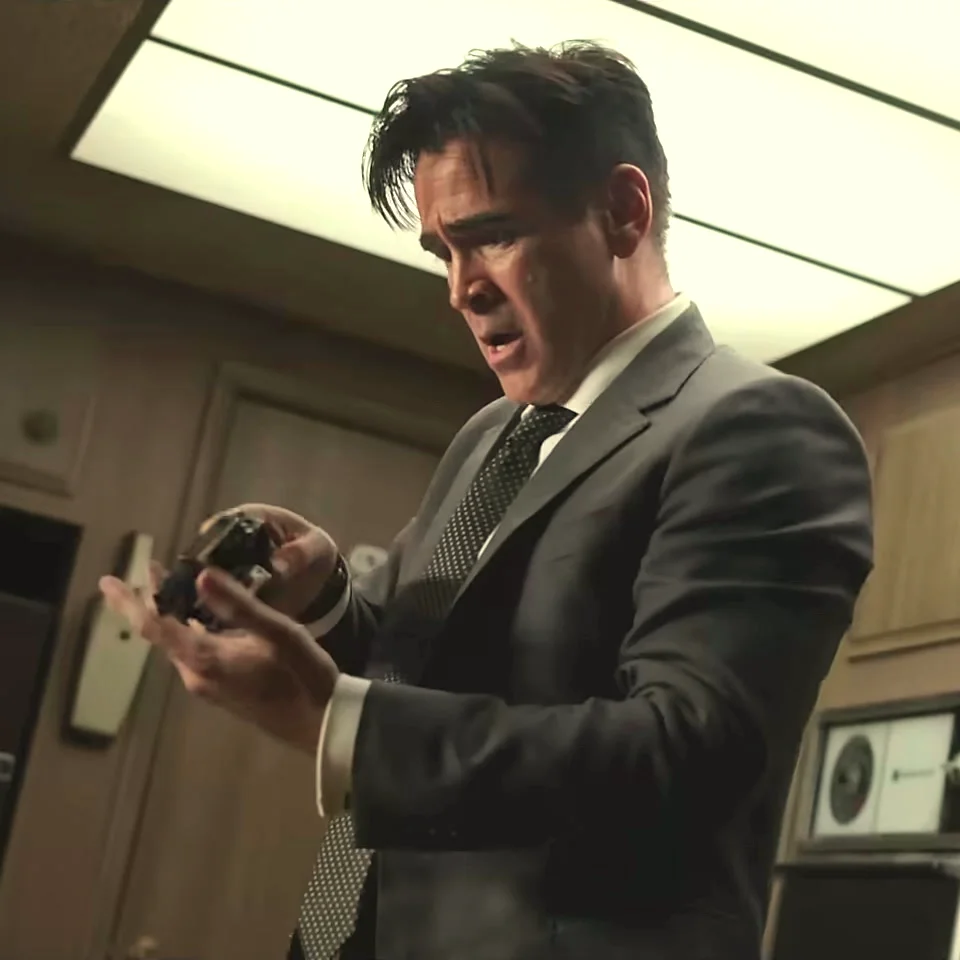
If you have somehow kept yourself unspoiled for two years, this is the place to step away, because the show’s sixth episode contains a reveal that reframes everything before it. John Sugar is not a haunted detective with a mysterious past. He is not human at all. He and the quiet society of “polyglots” he belongs to are extraterrestrials, observers who have been living among us, studying us, and his strange gifts, the impossible speed, the deflected bullet, the way violent dogs go calm in his presence, the languages he simply knows, all resolve into sense at once.
It is, by any honest measure, a big swing, and it divided people sharply. Some viewers felt the rug-pull as a betrayal, a noir that turned out to be science fiction wearing a fedora. That reaction is fair, and worth naming rather than waving away. A genre is a promise, and Sugar spends half a season making one promise before quietly keeping a different one.

Why the Disguise Was the Whole Point
Here is where I land on the other side of it. The twist works, for me, precisely because the disguise was never decoration. Strip the noir detective down to his essentials and you find a figure who stands just outside human life, watching it with more tenderness and more clarity than the people living it, unable to fully belong, drawn again and again to the lost and the hurt. That is the genre’s oldest archetype. Sugar simply takes it literally. Making its hero an actual outsider, a being who has chosen Earth and is still learning what it costs to care about us, is not a gimmick grafted onto noir. It is the most complete version of what noir was always reaching for.
So the reveal lands as fulfillment rather than trick, at least if you let it. The show was telling the truth about its detective the whole time. It just waited until you were attached to him to say it out loud.
What Season 2 Is Actually About
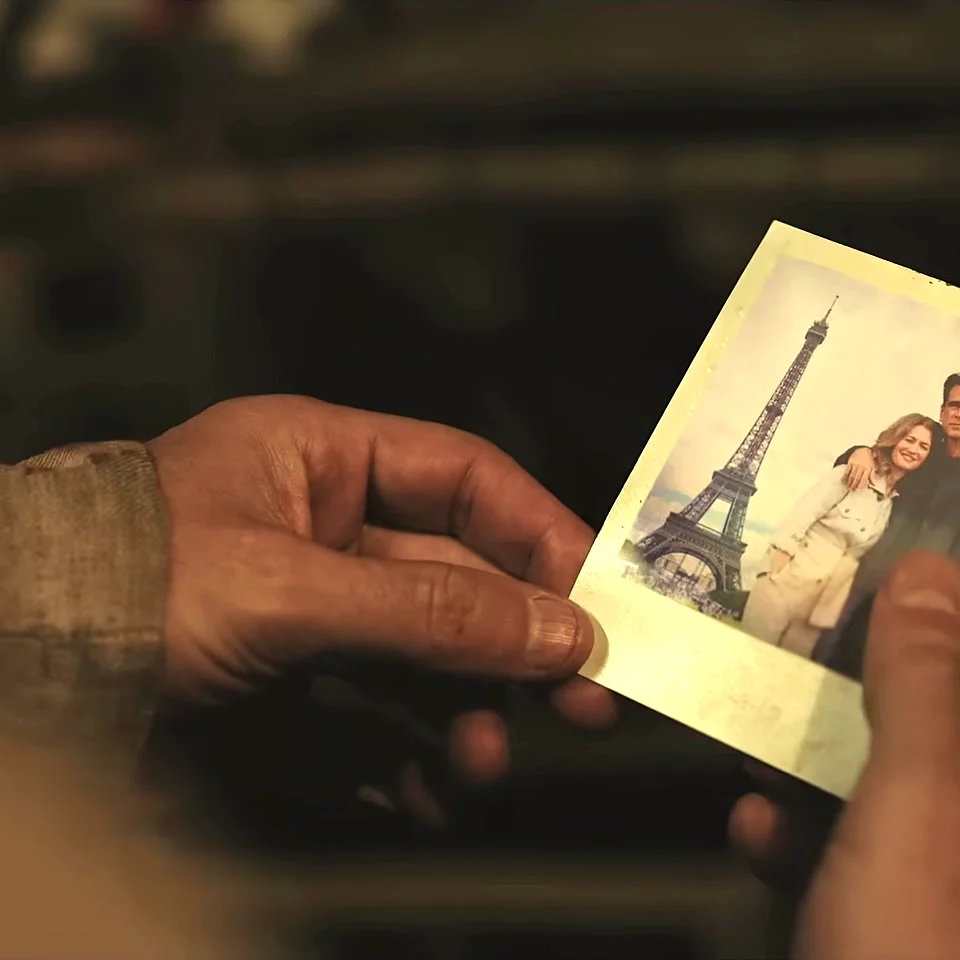
The new season gives Sugar a fresh case and the same wound. He takes on a missing-persons job with personal stakes for a young local boxer whose older brother has vanished, and he works it while still chasing the thread that has driven him from the start, the search for his own missing sister. That doubling, a stranger’s lost brother and his own lost sister, is the kind of rhyme this show likes, and it suggests Season 2 is less interested in topping its twist than in deepening the ache underneath it.
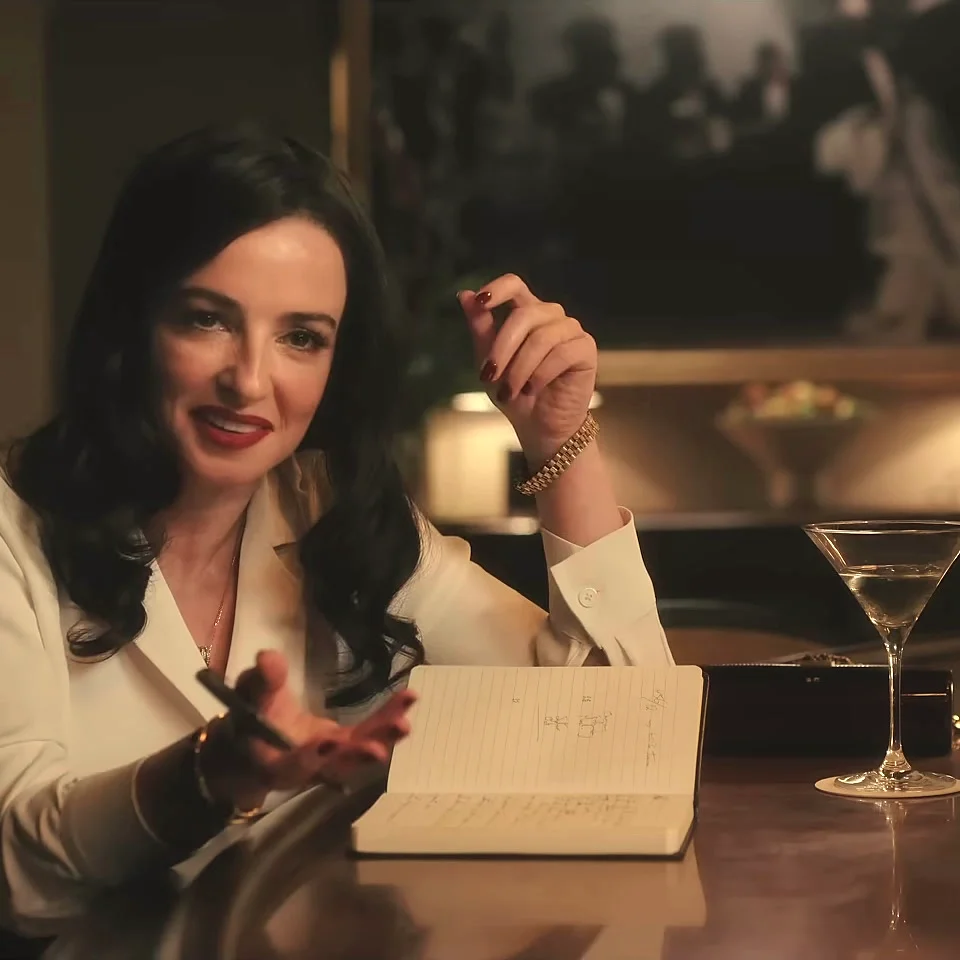
Farrell is back as star and executive producer, joined by a roster of new faces including Jin Ha, Raymond Lee, Tony Dalton, Laura Donnelly, and Sasha Calle. The eight-episode season rolls out weekly on Fridays from June 19 through early August, which is the right shape for a show built on slow revelation rather than binge-and-forget momentum.
The Question I’ll Be Watching For
The interesting problem Season 2 inherits is that the secret is already out. A disguise only generates tension while it is still on, and Sugar spent its first season letting us believe one thing so it could reveal another. That card has been played. What I want to know is whether the show understands that its real subject was never the trick at all, but the loneliness of someone who could leave and keeps choosing to stay. If Season 2 leans on shock, it has misread itself. If it leans on that ache, the quiet devotion of an outsider who has decided we are worth the trouble, then the two-year wait will have been for something. The mask is gone. What is left is the face, and that was always the better story.