There is a particular kind of dread that Cape Fear has always been about — not the fear of violence exactly, but the fear of someone who understands the system well enough to use it against you. The 1962 film had it. Martin Scorsese’s 1991 remake had it. Apple TV+’s new ten-episode limited series premieres June 5, and from what the trailer reveals, it looks set to cut more sharply than either version has before.
The setup is the same one John D. MacDonald put in his 1957 novel: a lawyer and his family are targeted by a man they put in prison, who has come out knowing that the law he despises is also his best weapon. What creator Nick Antosca has done is bring that premise into a world where true crime is a genre, where real criminals become celebrities, and where a man like Max Cady can use the culture’s fascination with its own darkness as cover. That’s not just a clever update. It’s a genuinely disturbing one.
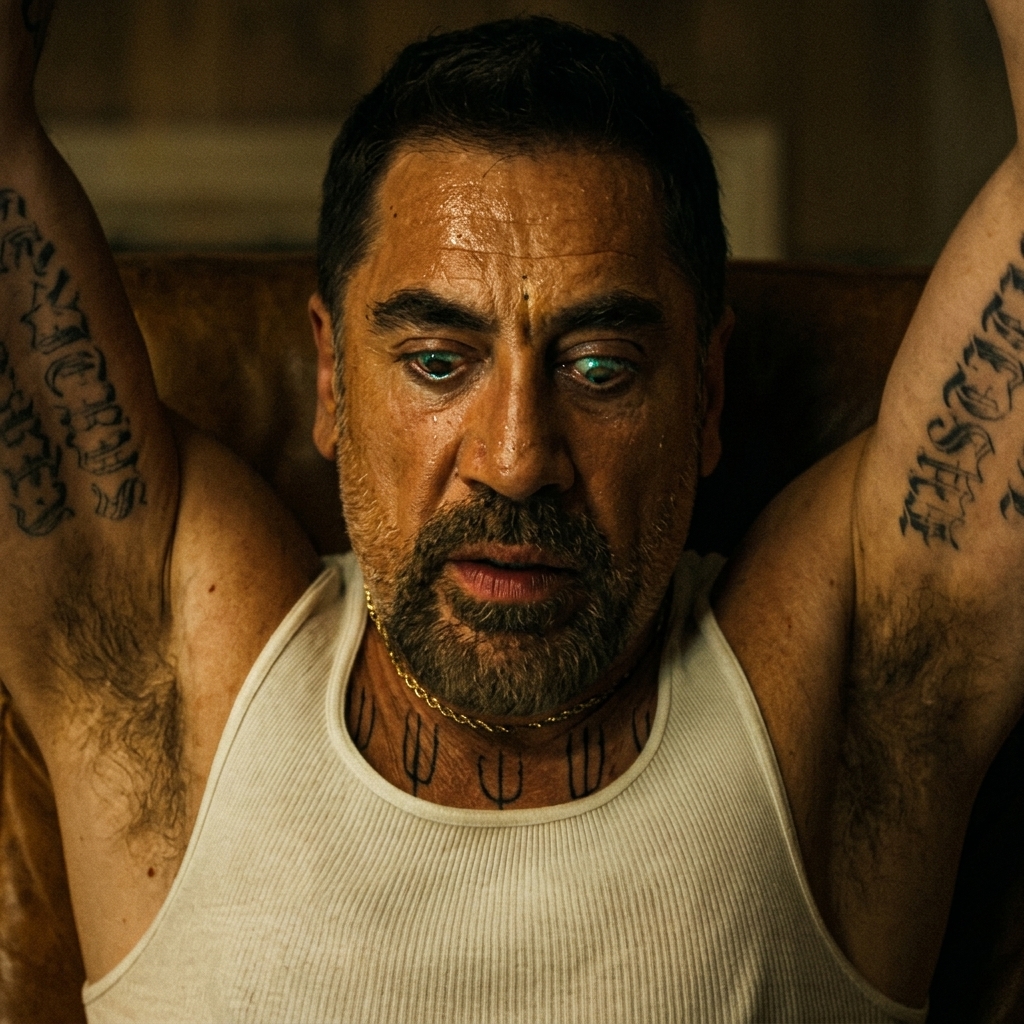
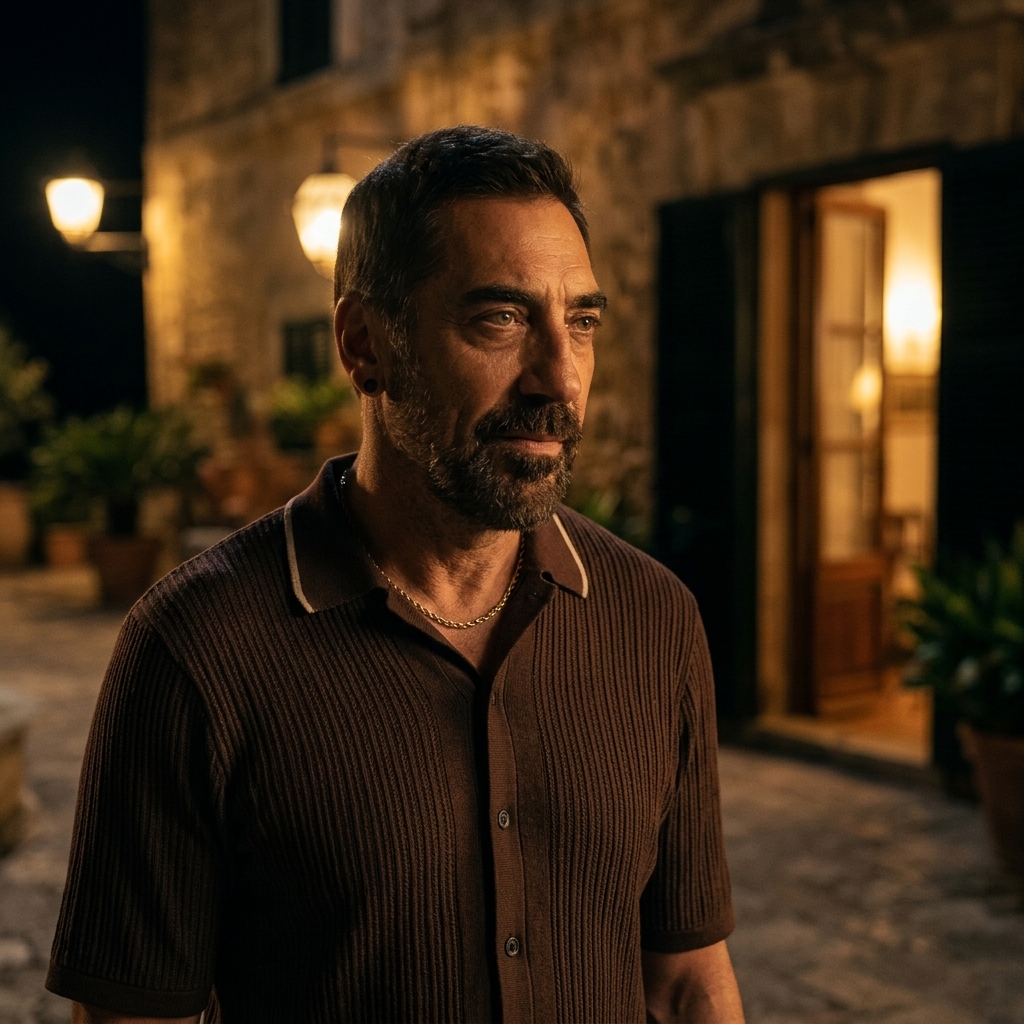
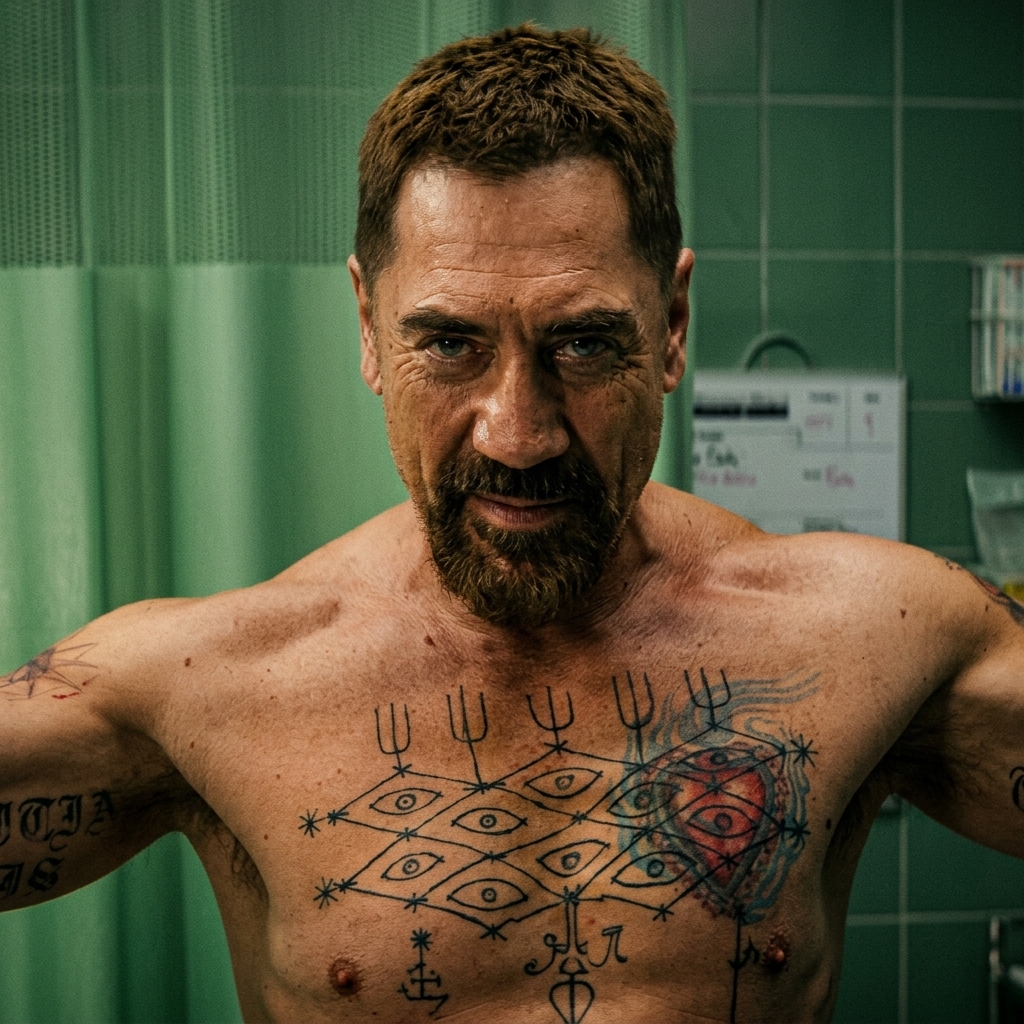
What Javier Bardem Does With the Role
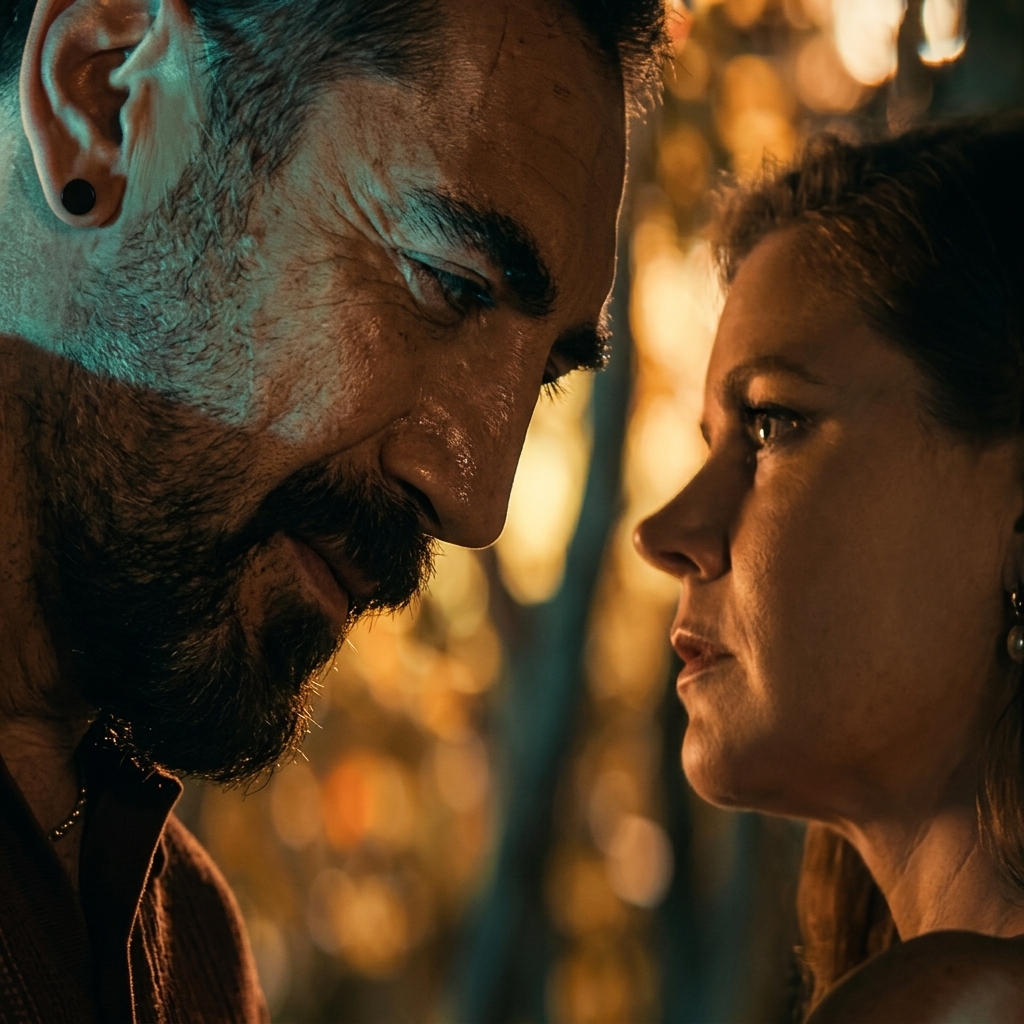
The question with any new version of Max Cady is always the same: how do you play a man this frightening without tipping into caricature? Robert Mitchum made him cold. Robert De Niro made him feral. From the trailer, Javier Bardem does something different and, in some ways, more unnerving. His Cady is controlled. Precise. He speaks carefully, moves with intention, and seems to understand exactly the effect he’s having on the people around him — and to find it amusing rather than satisfying. There is an intelligence to this performance that makes every scene feel like a chess match that only one player knows they’re in.
The character has been updated for the series in ways that matter. This Max Cady spent seventeen years in prison not just stewing, but studying. He knows how to file motions, how to use the media, how to position himself as a victim of a corrupt legal system. In a moment when that kind of narrative has cultural traction, the show looks set to make it land with real unease.
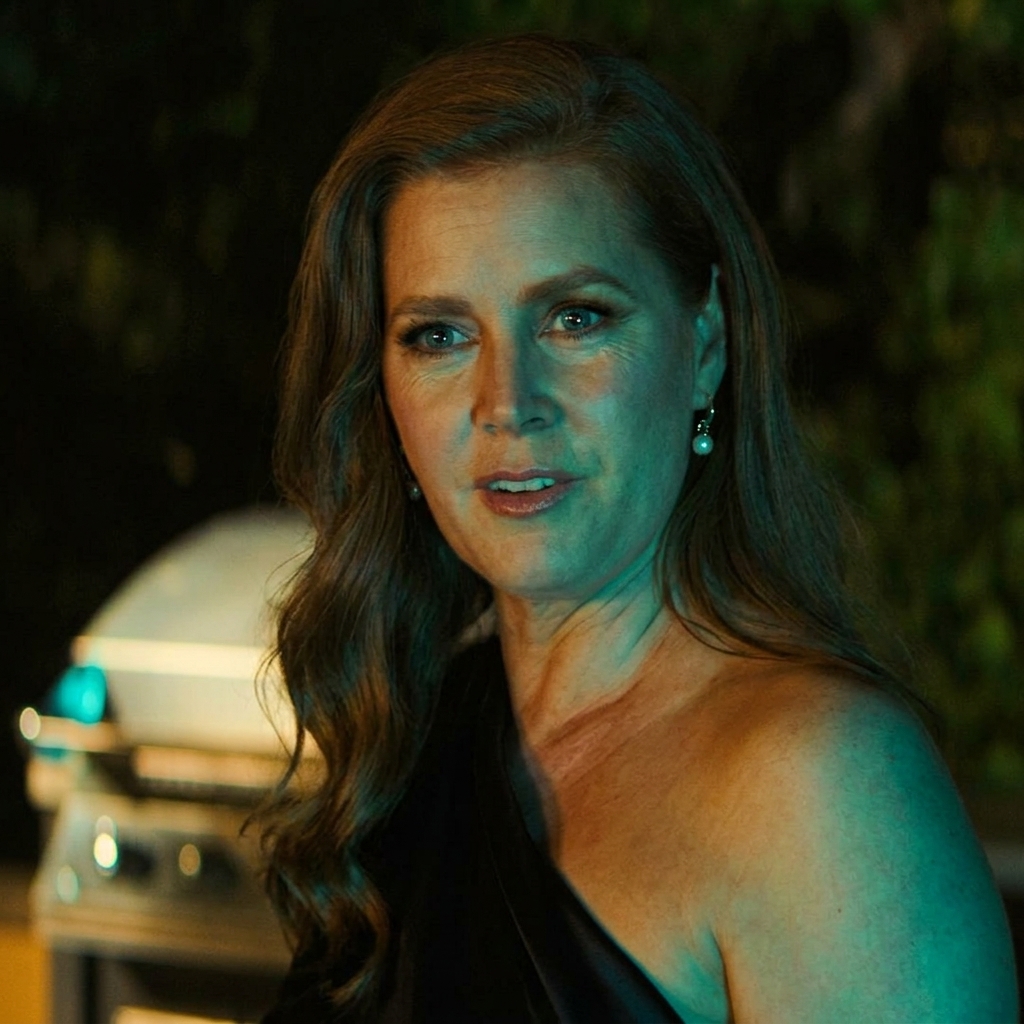
Amy Adams and the Other Side of Fear
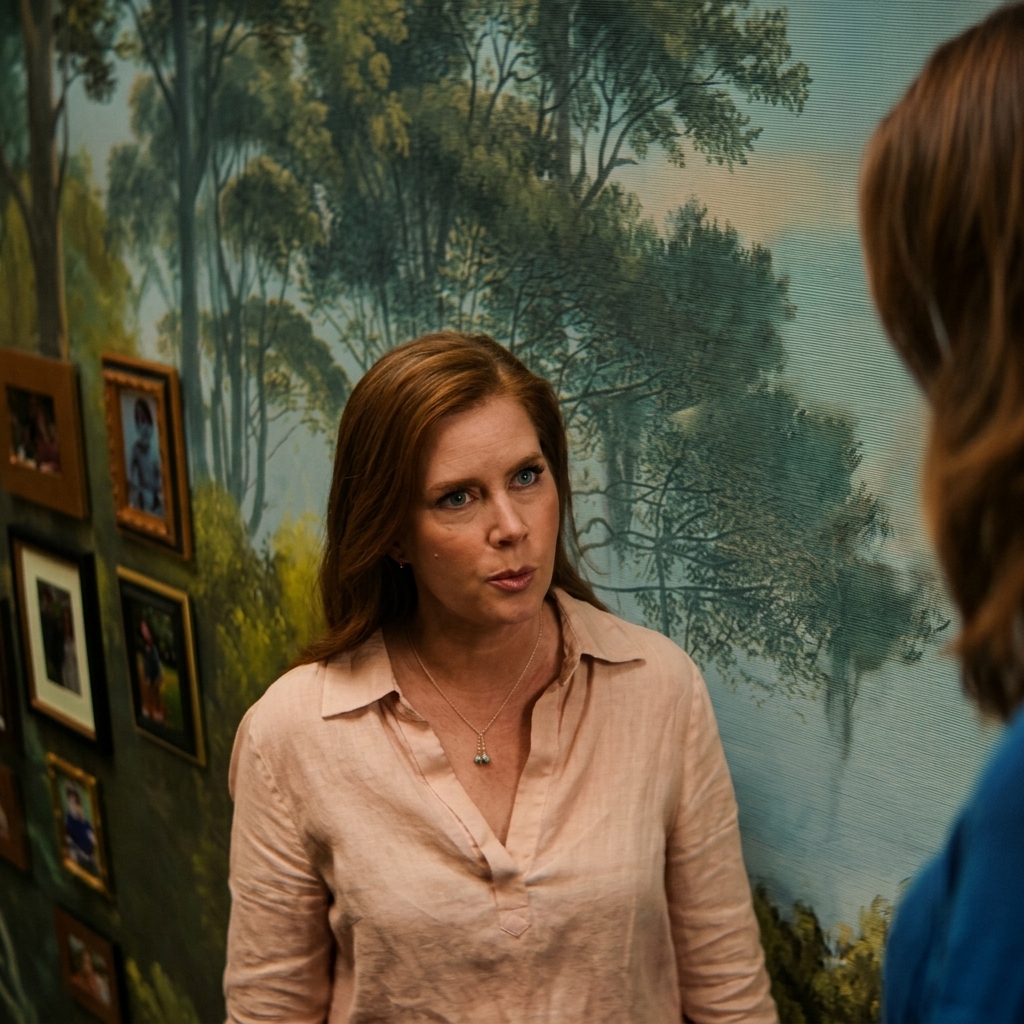
Anna Bowden, the attorney Cady is coming for, is played by Amy Adams, and the show appears smart enough to make her the center of the story rather than a passive target. She is not simply afraid. She is afraid and furious, and those two things pull at each other in ways that feel true to how intelligent people actually process sustained threat.
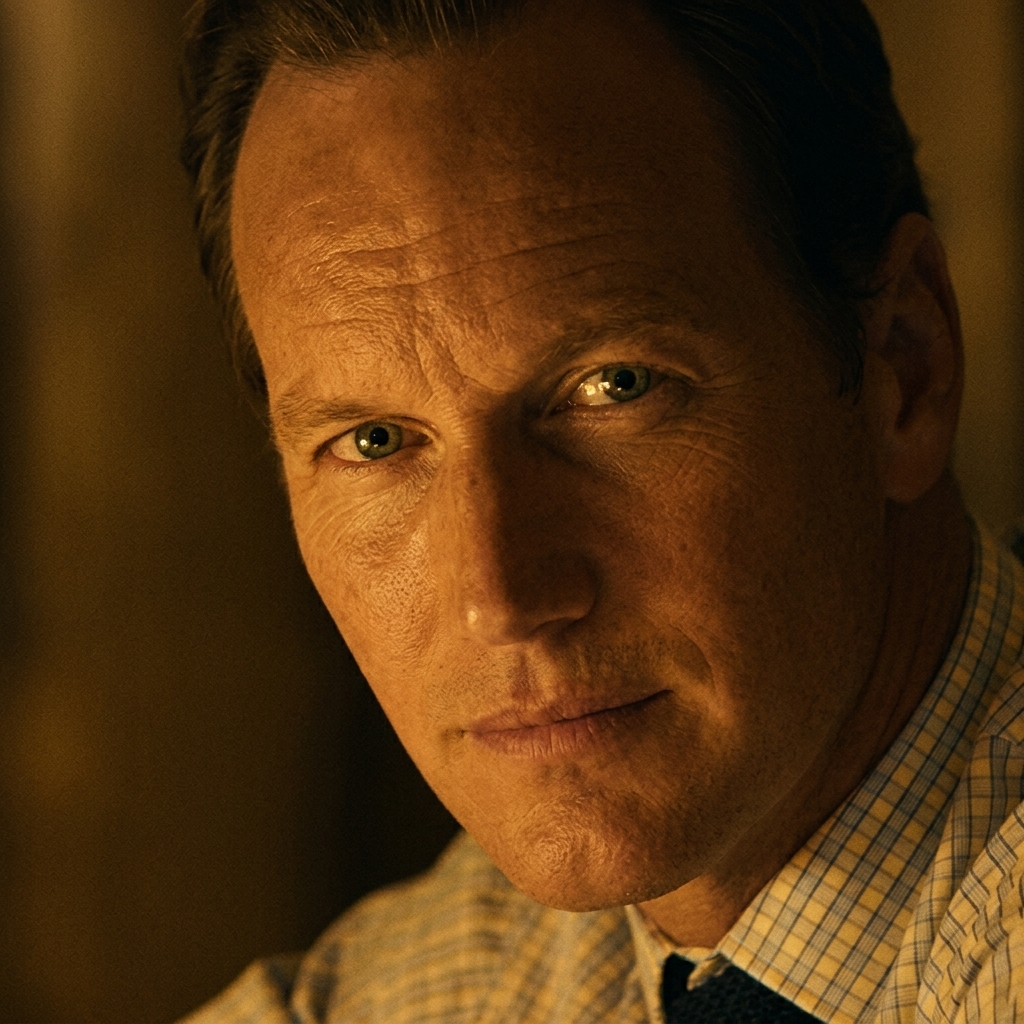
What Adams brings to the role is the specific quality of someone who has built their professional life on the assumption that systems work, watching those systems fail to protect her. She knows the law and she knows it isn’t enough. Patrick Wilson as Tom Bowden fills the other half of the couple — the way a man who is also a lawyer, also trained to control situations, responds when control is simply not available.
The True Crime Angle
The sharpest thing about the new Cape Fear looks to be its insistence on placing the story inside the specific cultural moment we’re living in. Max Cady in 2026 is not just a threat — he is a figure who knows that people will be fascinated by him, and he plays to that fascination. The show includes a true crime podcast orbit, a social media presence, strangers who find Cady compelling rather than frightening. This isn’t decoration. It’s the point.
The question the series seems to keep returning to is one that the original novel never had to ask: what does it mean when the monster understands the media environment well enough to weaponize it? When his story can be framed, from the outside, as the story of a man wronged by powerful lawyers?
Martin Scorsese and Steven Spielberg executive producing is more than a marquee attachment — Scorsese directed the 1991 film, and his involvement here feels like a deliberate passing of the torch, a vote of confidence that this version has something new to say.
Why I’m Watching on June 5
Ten episodes, weekly through July 31. The first two episodes drop June 5 on Apple TV+. What the trailers establish is a threat that is clear, characters that are well-drawn, and a show that appears unwilling to simplify. The Bowdens are not without their own contradictions. Cady, for all his menace, has a case — not a moral case, but a legal one — and the show doesn’t seem to pretend otherwise.
The dread it promises is not the dread of what Cady might do. It’s the dread of a system that was built to protect people like the Bowdens discovering, slowly, that it wasn’t built well enough. June 5 can’t come soon enough.