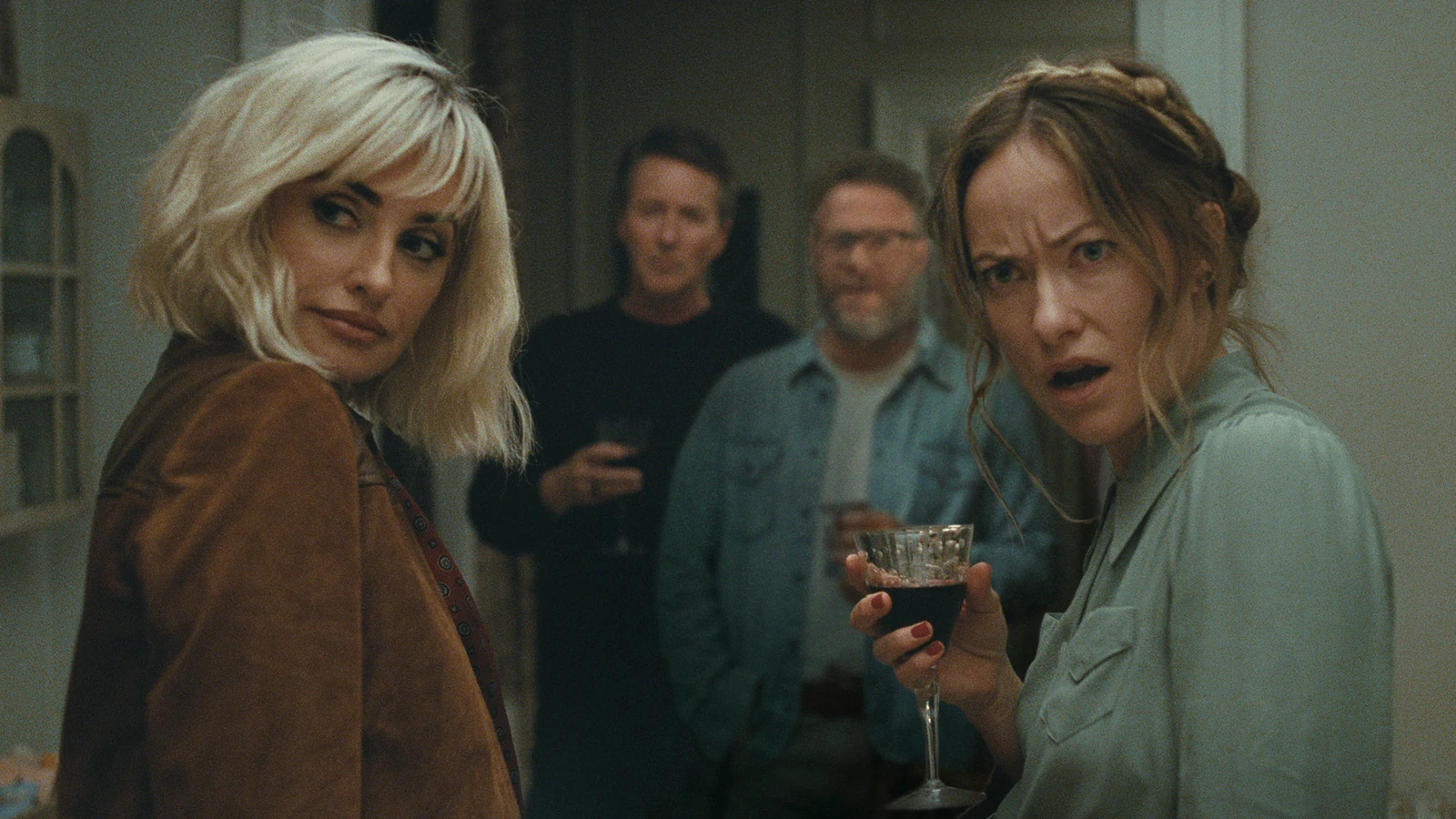
There is something uncomfortable about asking the final piano duet in The Invite to tell us whether Joe and Angela should stay married. Their tenderness makes a reunion possible, but the film leaves their future unresolved. What interests me is how readily a loving gesture can become an argument for staying: if they can still do this together, surely they owe the marriage another chance. Perhaps they do. Yet that reading asks Angela’s decision to join Joe at the piano to carry a promise she has not necessarily made.
The evening with their neighbors, Hawk and Piña, has brought the couple’s unhappiness into the open. By the end, their neighbors’ sexual freedom offers no easy answer to what Joe and Angela still want from each other. It is tempting to welcome the duet as relief from all that resentment. I would rather leave room for the discomfort beside it, especially for Angela, whose willingness to meet her husband in this moment need not mean she wants everything that came before it back.
What Joe Can Recover at the Piano
Joe’s return to music matters beyond whatever it does for his marriage. As a music teacher with disappointed hopes of a performing career, he has an ability that also reminds him of a life he wanted and did not get. Under those circumstances, playing again can be a vulnerable thing to do. It means approaching something that has become painful without first being assured that the disappointment is over. There is a possibility here that feels more generous to Joe than simply calling the duet a romantic gesture: he may still be able to enjoy music without making it prove that his life has worked out.
CinemaBlend’s Jerrica Tisdale describes Joe beginning to play before Angela joins him. That order gives his action some independence from her response. We do not have to know exactly what he intends to recognize a change in what he is doing. Nor does Angela have to become the person who makes his disappointment bearable before he can touch the piano again. If there is a hopeful beginning for them here, I find it in that possibility: Joe taking some responsibility for a part of himself that his wife cannot restore for him.
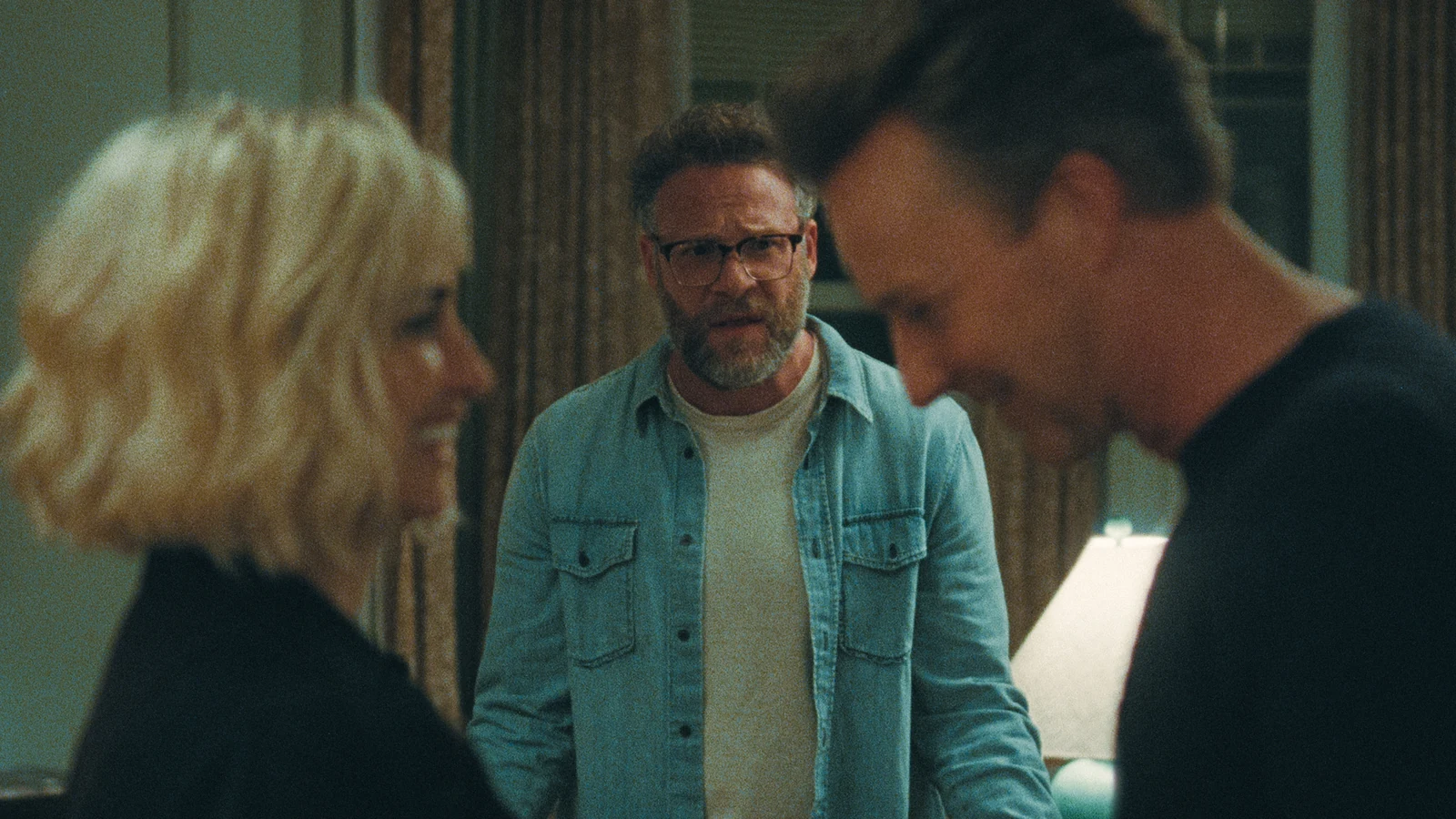
For Angela, joining him could hold affection, relief, uncertainty, or several feelings at once. The action does not sort those feelings out for us. That is why I hesitate to treat her participation as forgiveness, even though it makes the ending open to a romantic reading. She can want to be close to him without yet knowing what she wants their marriage to become. Allowing her that uncertainty seems fairer than making her either the wife who finally understands him or the wife who has already decided to leave.
When Joe Cannot Find an Apology
The silence before the musical ending becomes more difficult to read as peace once we consider how it was made. In her Seattle International Film Festival Q&A, director Olivia Wilde described removing substantial dialogue from the final scene she worked on with Seth Rogen. In a separate ArtsBeatLA conversation, she explained that Joe wants to express regret but cannot find the words. That leaves an uncomfortable gap between wanting to reach someone and giving them something they can actually hear. His difficulty may deserve sympathy; it does not tell Angela what he is sorry for or what might change.
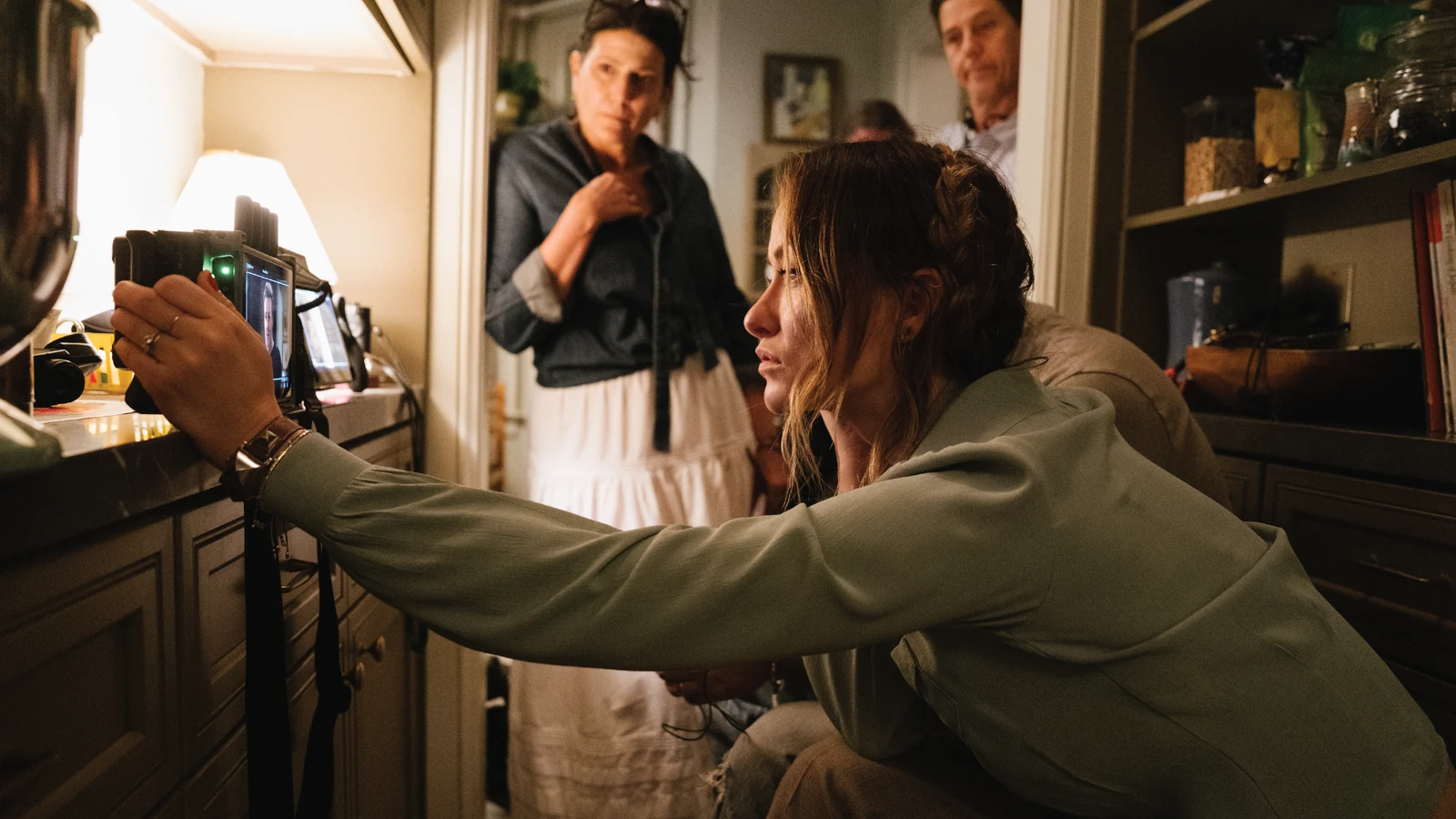
The piano offers Joe a way to remain present when speech has failed him. I can see kindness in Angela being willing to join him there, without wanting music to become an excuse for everything they cannot say. A beautifully phrased apology would not necessarily settle their problems either. Still, if they stay together, there will presumably be conversations that cannot keep being postponed. The duet is moving as a possibility for contact; treating it as sufficient would ask Angela to accept far less clarity than a future with Joe would require.
Angela’s Future After the Song
Wilde imagined a separation when discussing the ending with RogerEbert.com’s Marya E. Gates, while saying that Rogen believed the couple stayed together. She also welcomed viewers making their own choice. Her reading appeals to me because it allows the warmth at the piano to belong to a marriage that may still need to end. But Rogen’s possibility deserves room too. Recognizing something lovable in each other after such an evening might give them a reason to try again, provided that trying means more than returning to their familiar arrangements.
Wilde’s imagined future for Angela includes returning to school or pursuing photography. Those are possibilities she discussed in the interview, not events the film goes on to show. They matter because it is easy to give Joe’s return to music all our attention and leave Angela’s recovery undefined. If the duet renews our hope for him, it ought to make us curious about her too. What might she want to resume, or begin, when she is no longer occupied with the question of whether this marriage can be saved?
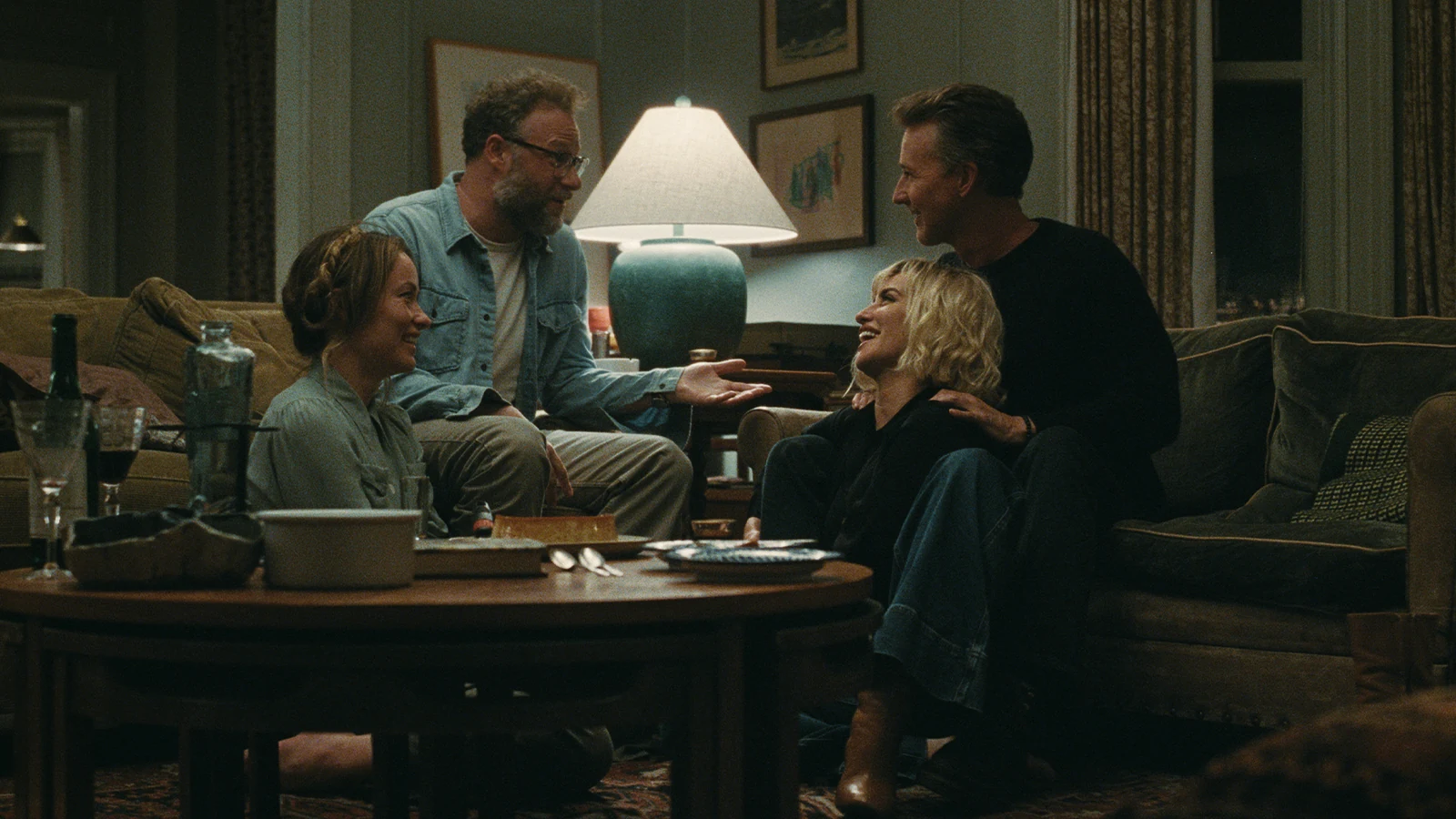
The closing music leaves space for that possibility of separate lives. Wilde identifies the piano piece as “I’m Confessin’ (That I Love You)” in the SIFF conversation; the credits use Graham Nash and Joni Mitchell’s demo of “Our House.” In the Gates interview, she linked that recording to a love that did not last. It is a suggestive choice without being a verdict on Joe and Angela. Their duet can remain something they were able to share, even if neither knows how to make a home together afterward.
I am less concerned with choosing the correct future for them than with what Angela’s place beside Joe might allow her. She has joined him, and for the length of a song they have something to do together that is not another argument. When it ends, he will still need to find words for his regret, and she will still need room for wishes of her own. I would like their tenderness to make those conversations possible, whether they lead back to each other or toward lives they can no longer share.