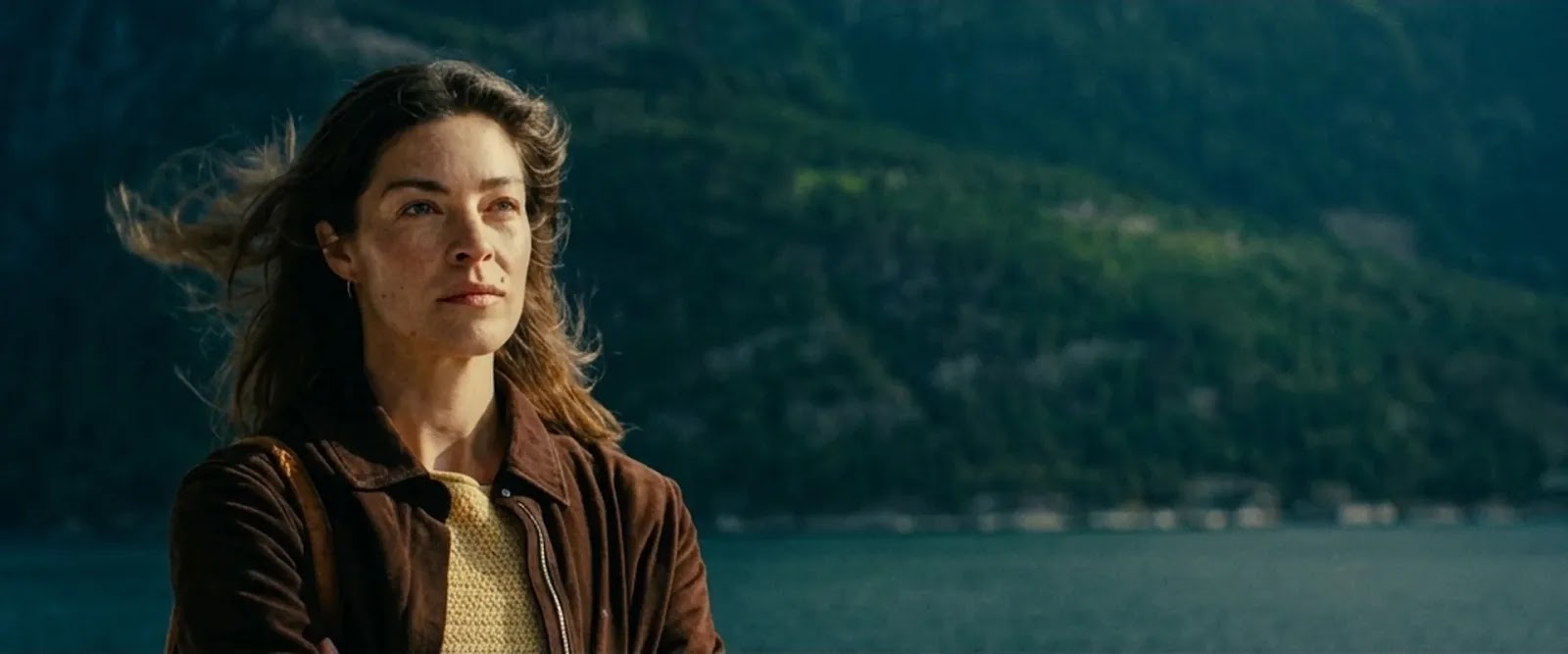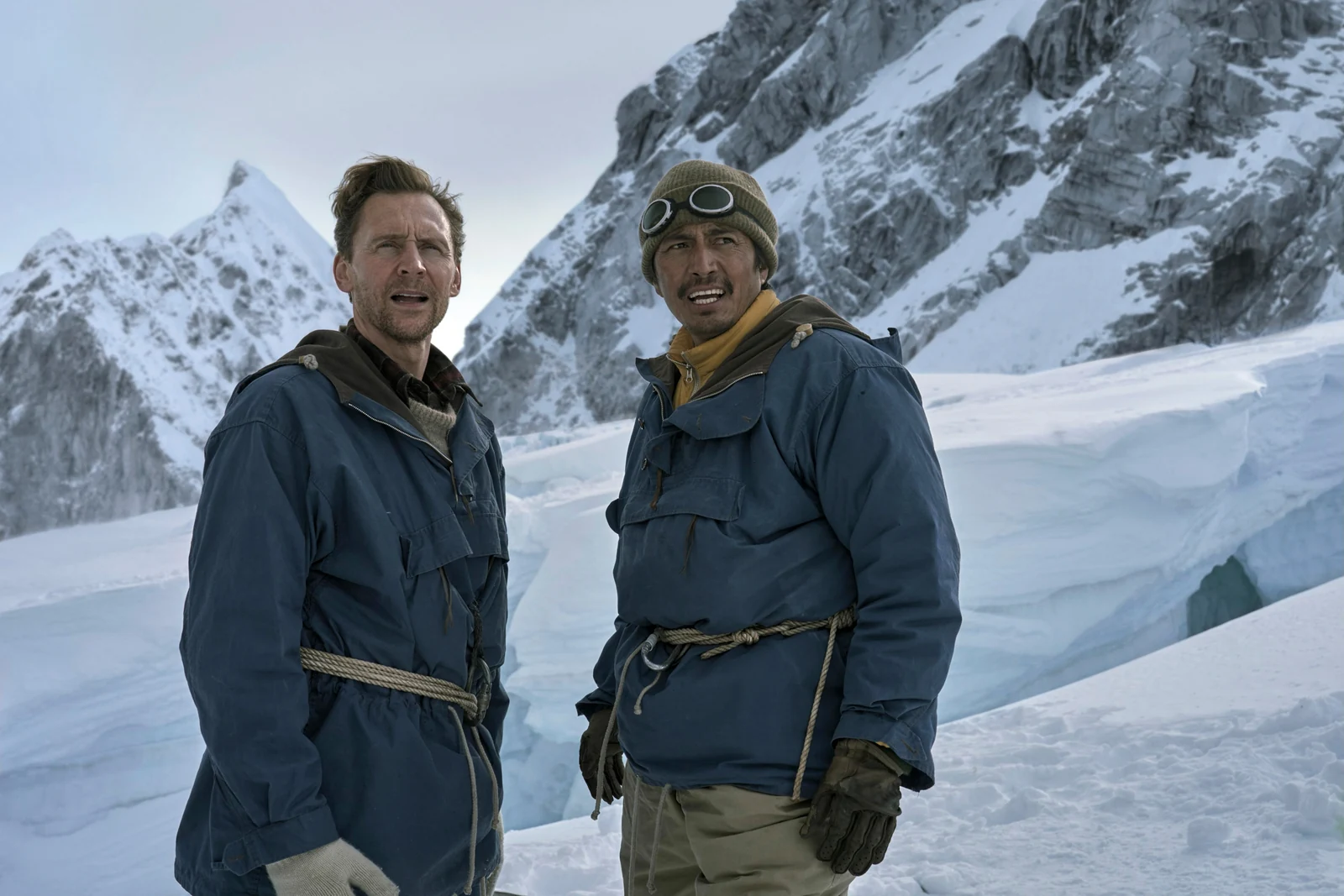
Tenzing Norgay and Edmund Hillary reach Everest’s summit at the end of Tenzing. Jennifer Peedom’s film does not identify which man takes the first step onto the summit. By then, each man has needed the other to stay alive. Picking a winner would give the final few steps more importance than the partnership that made them possible.
Peedom explained that decision in her CinemaBlend interview: she wanted the summit to express what the achievement meant to the two climbers. The distinction matters in a movie named after one of them. Tenzing can share the achievement with Hillary and still be the person whose life gives this particular story its shape.
Who Reached the Summit First in Real Life?
Tenzing’s own account names Hillary. In the autobiography excerpt reproduced by PBS’s NOVA, he describes Hillary stepping onto the summit and himself following. The same passage explains that he was not treating those steps as a contest. There is an answer to the historical question, and it comes from the man whose name the film carries.
Hillary later told National Geographic that he, Tenzing, and expedition leader John Hunt had agreed not to announce the order. He recalled pressure from the Indian and Nepalese press, who wanted confirmation that Tenzing had arrived first. Their reluctance to name a first arrival therefore had a public context: people beyond the expedition wanted the result to settle a question of national prestige.
That history makes the film’s decision more interesting. Naming Hillary first would not erase Tenzing’s contribution; leaving the order unstated does not establish that Tenzing secretly won. The useful question is what the film gains by keeping our attention on both climbers through the last stretch. Its answer begins before they reach the summit, when continuing depends on help neither can provide for himself.
Each Climber Has to Save the Other
The two rescues make the partnership concrete. Tenzing saves Hillary from a fall; later, Hillary helps when Tenzing’s oxygen supply becomes a problem. CinemaBlend and ScreenRant’s accounts of the ending describe that exchange of help. Both men have the skill to keep climbing, and both encounter a moment when skill alone will not keep them safe.
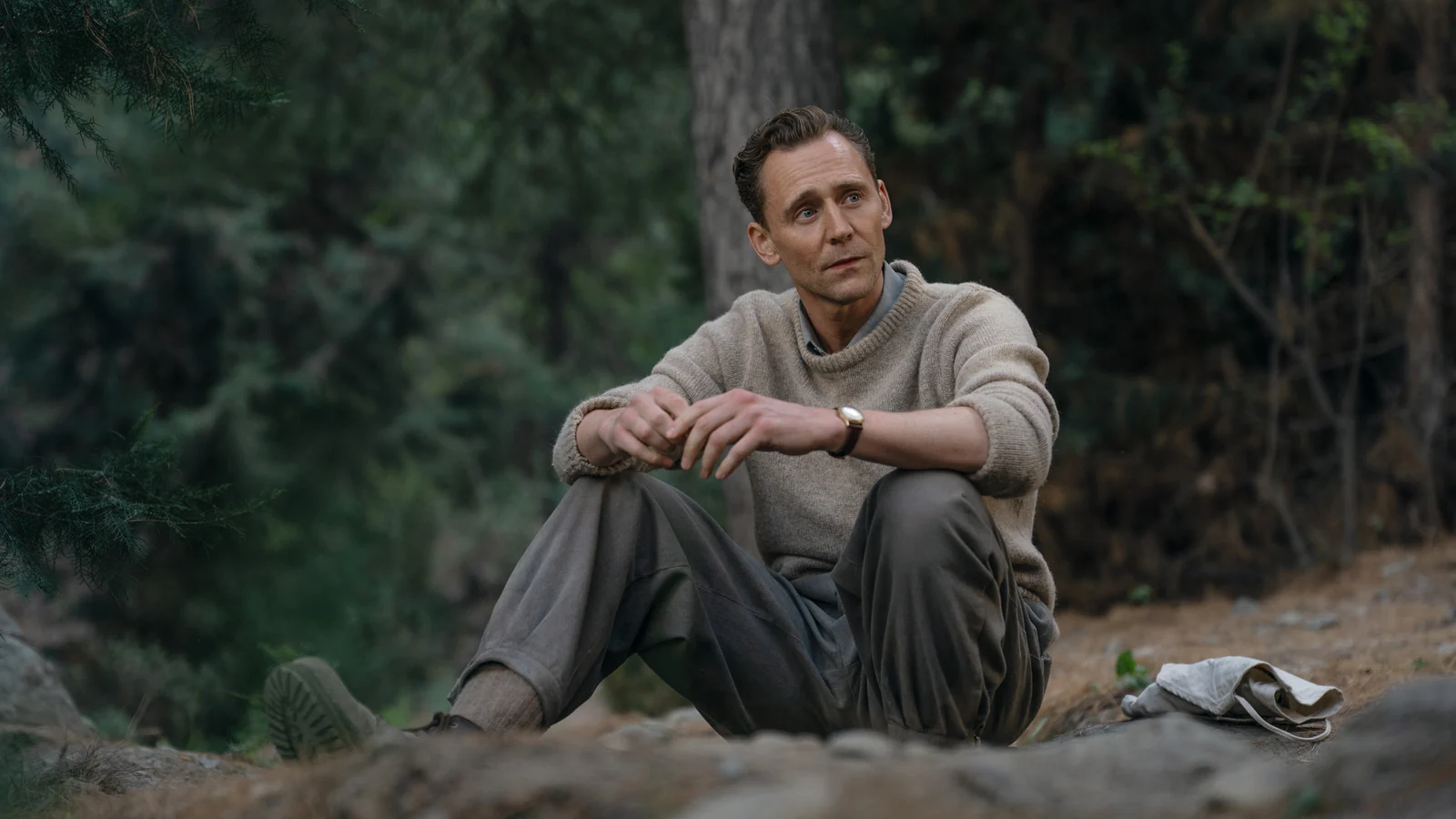
There is a useful difference between knowing someone is an accomplished climber and trusting that person with your next breath. The oxygen problem makes that difference immediate. The ending asks us to remember the help that allowed the climb to continue when we consider what arriving at the top means.
Why Dawa and the Mountain Matter to Tenzing
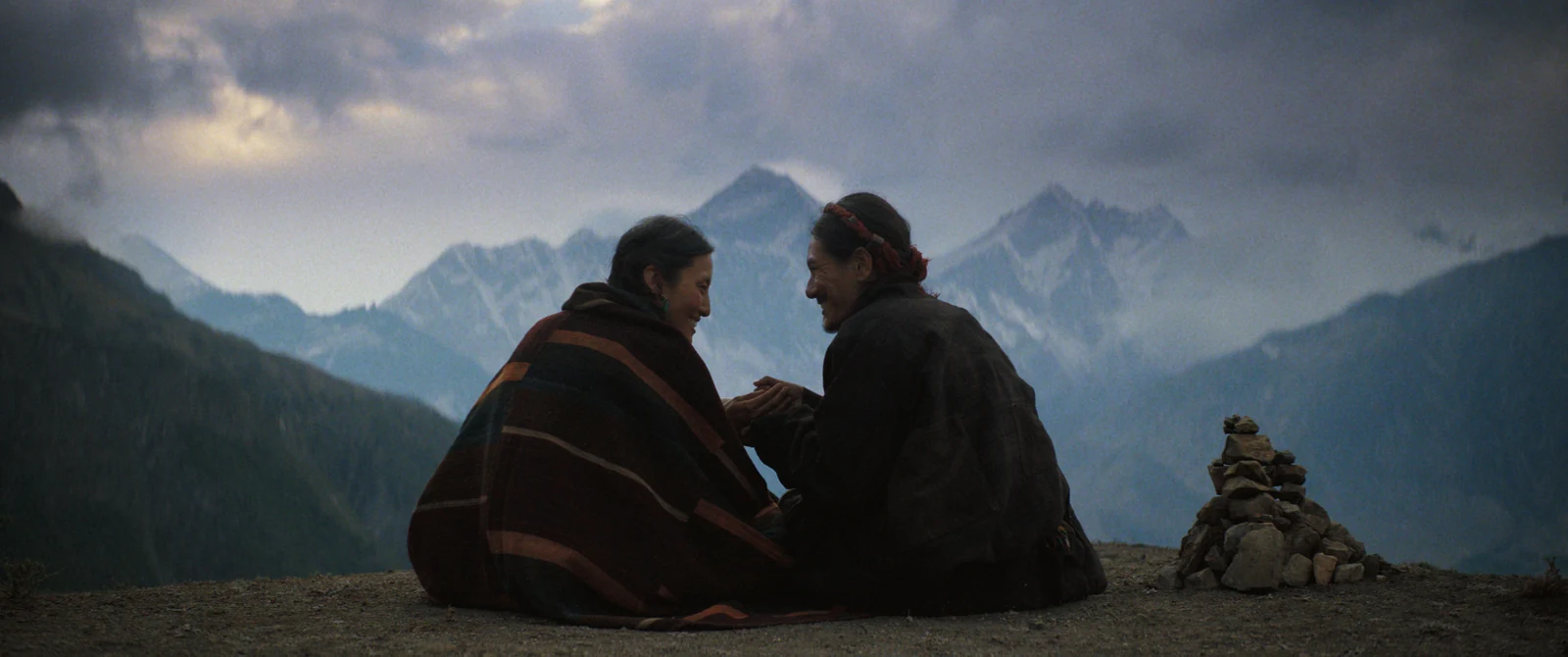
Tenzing’s wife Dawa connects the climb to decisions made long before Hillary enters his life. In the Cinema Express cast interview, Thinley Lhamo, who plays Dawa, describes her character leaving her family to move with Tenzing and supporting his ambition. Lhamo also acknowledges how little reference material she had about Dawa. Her account helps explain the role as performed; it should not turn every detail of the film into a documented fact about the real marriage.
Genden Phuntsok, who plays Tenzing, adds another part of that life in his SHARP interview: grief, love for Dawa, and the need to work and support his daughters. That gives the ambition a practical complication. Climbing belongs to a life in which other people depend on him. The question is not simply whether he wants the summit badly enough, but how that desire fits alongside his obligations to his family.
Hiddleston, speaking in the same interview, connects Tenzing’s thoughts on the mountain to Dawa and his daughters. Her importance consequently extends beyond the loss recalled at the ending. Remembering her brings the earlier relationship into a moment she cannot share. Reaching the top completes the climb; it cannot give Tenzing the experience of returning to Dawa with the news. That limit is what keeps the achievement from resolving everything in his life.
In her Cinema Express interview, Peedom discusses Tenzing’s description of approaching the mountain as entering a mother’s lap, an idea she wanted to include in the screenplay. That is a specific way of understanding the climb: the mountain can be a place of belonging as well as an obstacle. It also explains why a finish-line reading leaves so much of his motivation unexplained.
Sharing the Achievement Does Not Sideline Tenzing
Peedom has described her frustration with accounts that reduce Tenzing to a supporting figure in Hillary’s ascent. Her objection concerns how his life is told. If we know him only through the help he gives Hillary, we miss the family, losses, and ambitions that brought him to the expedition.
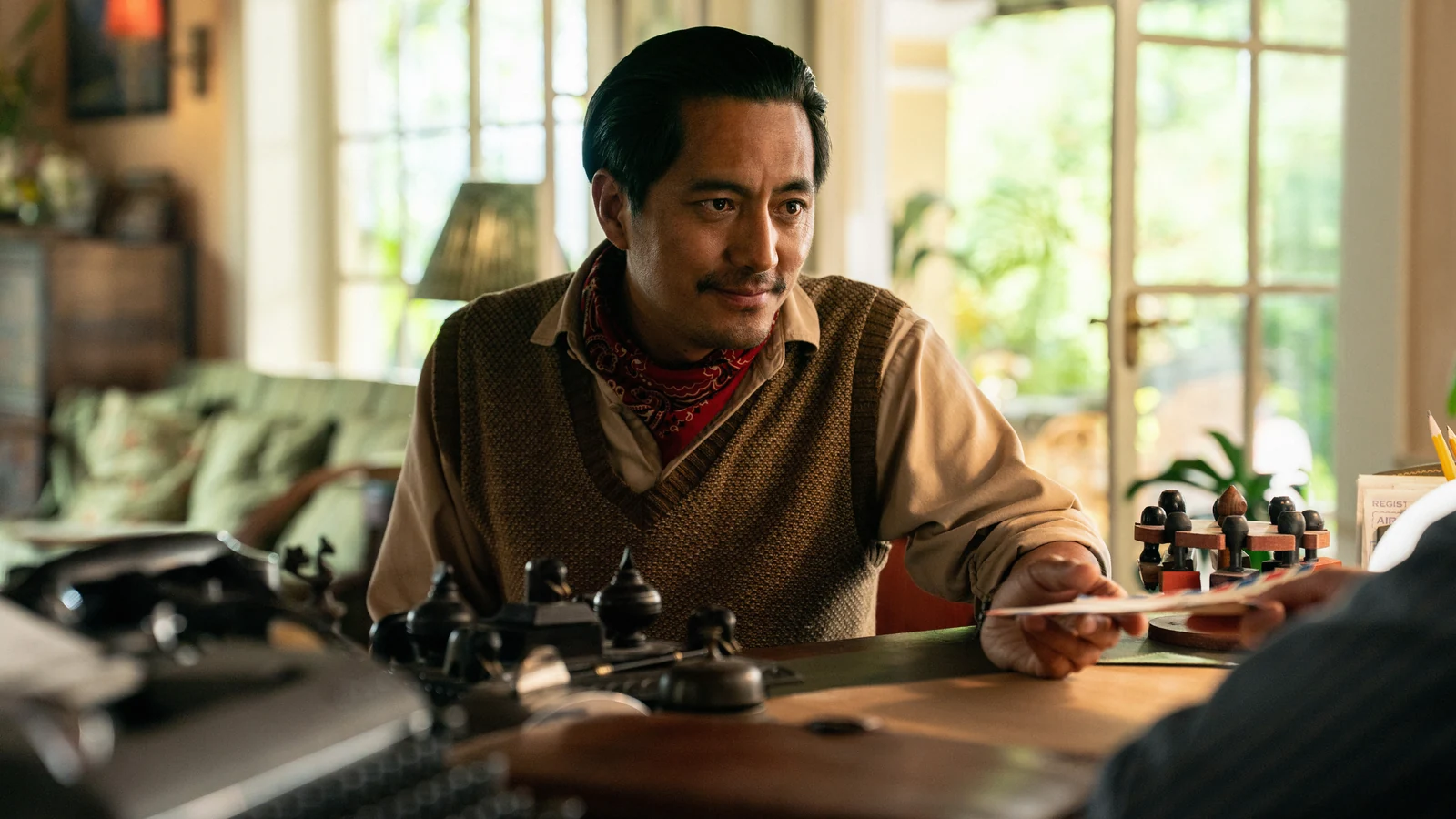
Hillary’s help belongs in that life. So do Dawa, the years before the expedition, and Tenzing’s own reasons for returning to the mountain. Keeping them in view gives the summit a significance that a declaration of first place could never supply. He reaches it with another man, after a journey the film has allowed to be his own.