The Top Gun enthusiast in Mayday is the man an American fighter pilot needs to get home. Nikolai Ustinov, Kenneth Branagh’s former KGB operative, loves American culture. When Ryan Reynolds’s Navy pilot Troy Kelly is stranded in Soviet territory, Nikolai gets a less glamorous version of his favorite movie hero: an American who needs his help to survive. Admiring the country Troy represents does not make Nikolai the junior partner.
That imbalance gives Apple TV’s action comedy a more specific hook than two enemies becoming friends. One man has absorbed an appealing image of America through its entertainment; the other is an American who urgently needs something that image cannot supply. Their partnership starts with a practical problem: getting a trained serviceman through a country where his rescuer has the useful experience.
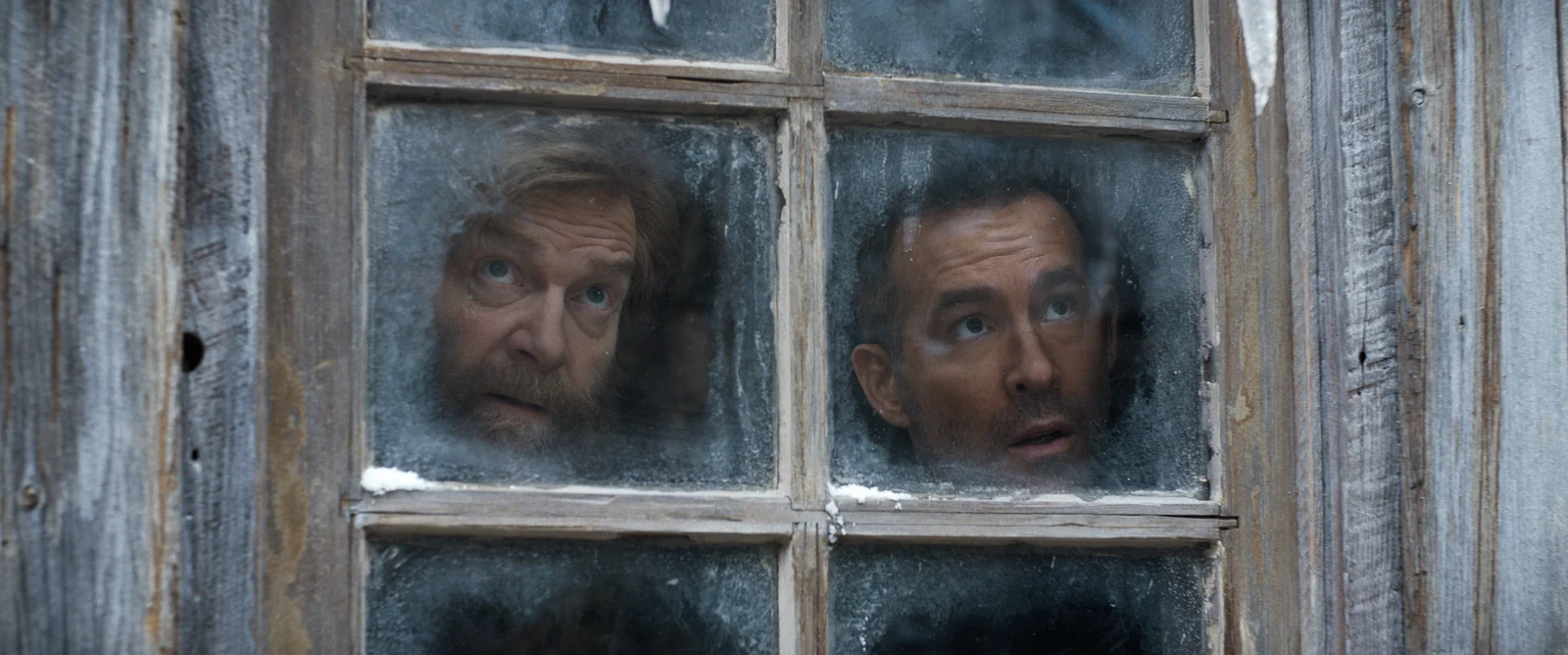
Why Troy Needs Nikolai’s Experience
Troy’s predicament does not require him to be a bad pilot. Flying a military mission and finding a way out of hostile territory on the ground demand different knowledge. Once he is stranded, his military training leaves gaps that Nikolai’s experience can fill.
Directors John Francis Daley and Jonathan Goldstein described that arrangement in their TV Insider interview: Reynolds would play the relatively grounded “straight man,” dependent on Branagh’s character and his KGB experience. They also traced the initial idea to a comic version of Misery. That origin helps explain why being rescued could be an uncomfortable starting point for Troy. Help leaves him reliant on a stranger he did not choose.
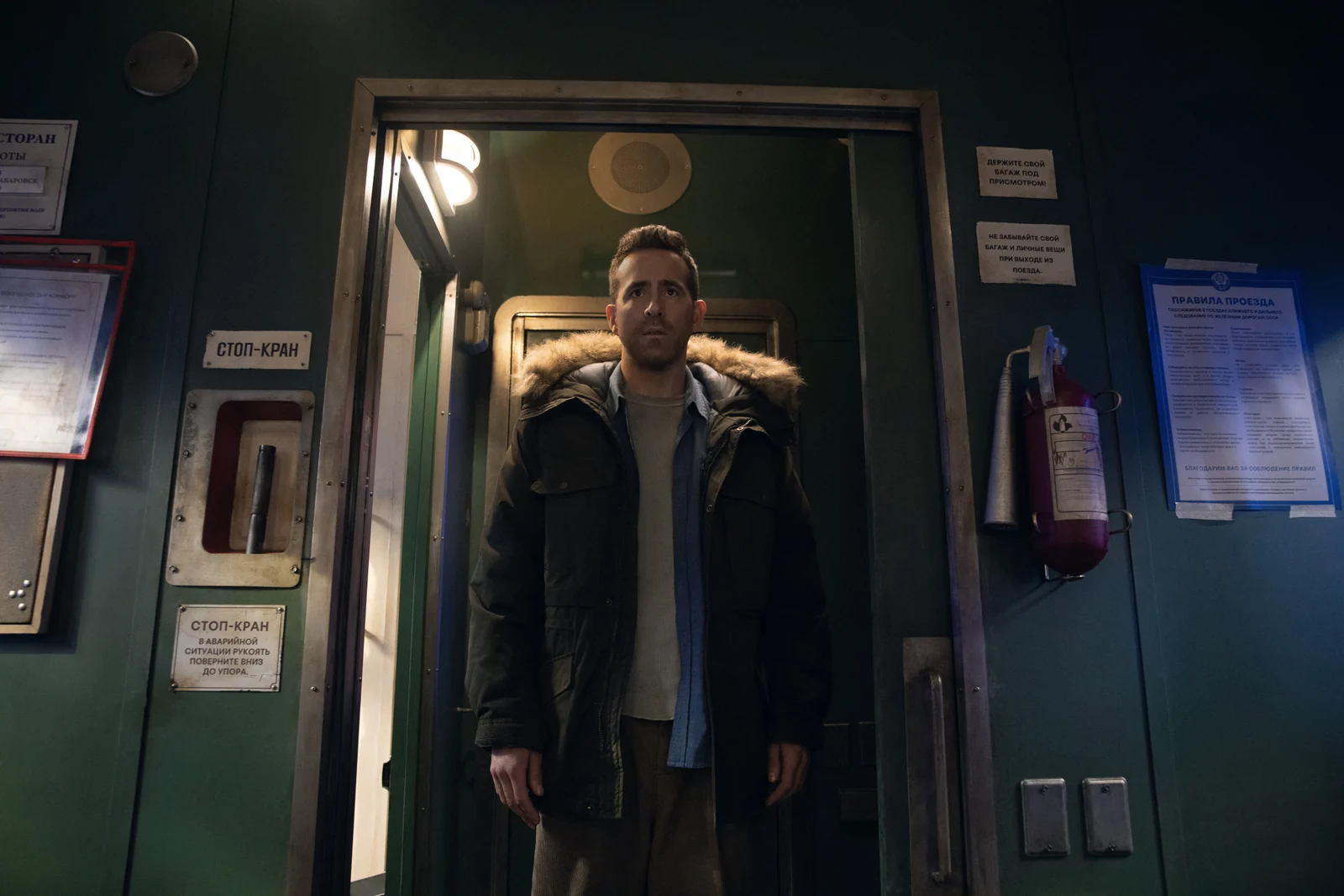
Nikolai Wants Something from America, Too
Nikolai’s Top Gun fandom is a literal part of the film. Goldstein told GamesRadar+ that Tom Cruise gave permission for footage from the original movie to appear in Mayday. The connection puts an American screen hero inside Nikolai’s world alongside an actual American pilot who needs assistance.
His interest in America also has a practical aim. Both Keith & the Movies and Midwest Film Journal describe the bargain behind the escape: Nikolai wants help reaching the United States in return for helping Troy. His enthusiasm therefore cannot explain the partnership by itself. He has a future to negotiate, and Troy has something to offer him.
That makes Nikolai more interesting than an admiring sidekick. His American dream gives him a reason to cooperate, while his local expertise gives him bargaining power. Troy can be valuable to him without being in charge of him. The two men need different things from the same journey.
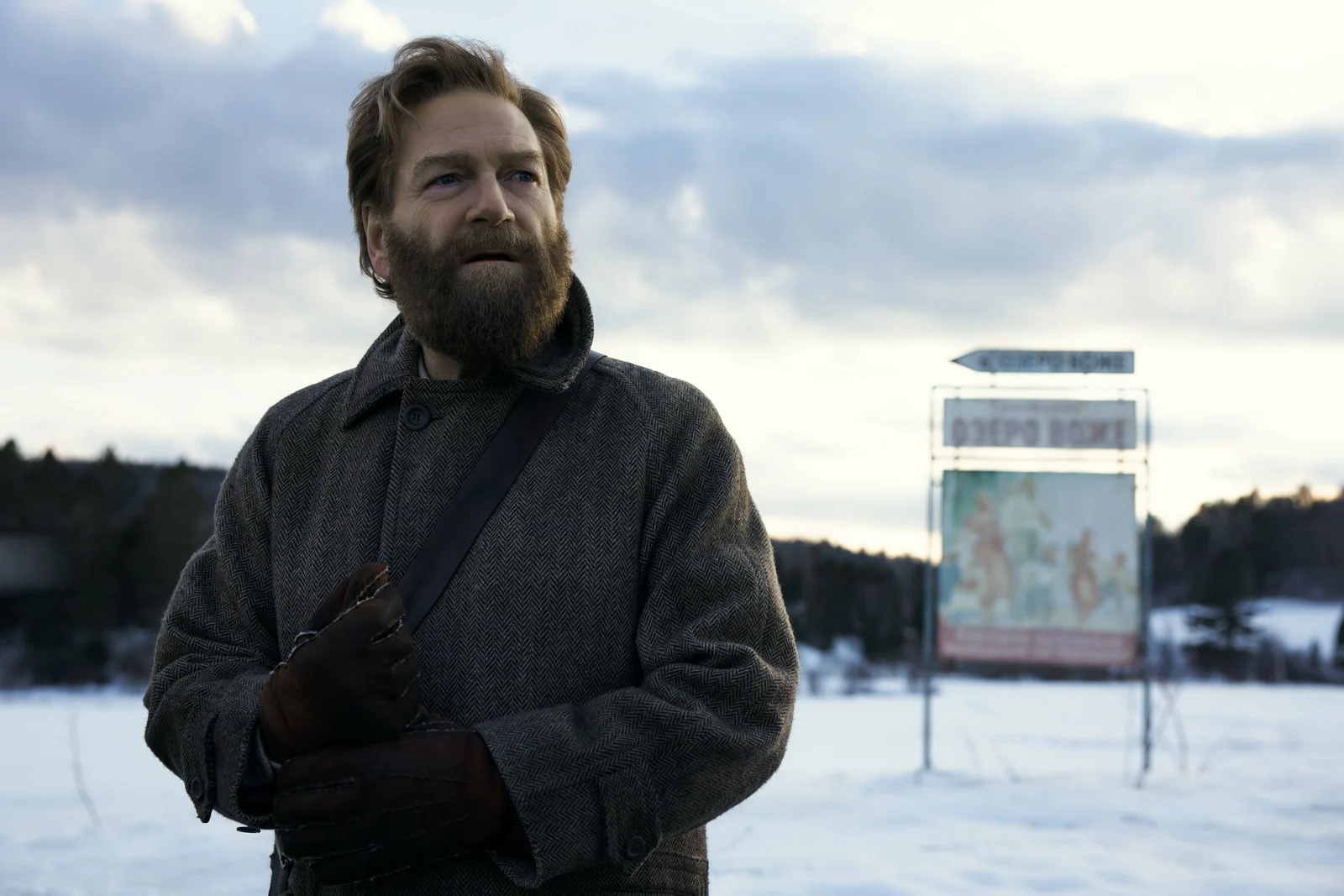
Why Friendship Cannot Settle the Film’s Politics
Nikolai’s affection for America also limits how much this pairing can prove about overcoming national prejudice. Troy’s prospective ally already likes his country. Accepting him is a less demanding test than accepting someone whose tastes and ambitions do not offer that reassurance.
Nick Rogers raises a related objection in his Midwest Film Journal review, arguing that the film’s appeal for empathy sits uneasily with its caricatures of other Russians. His criticism matters because one sympathetic Russian character cannot, by himself, settle how a film treats everybody around him. The friendship and the broader political picture need to be judged separately.
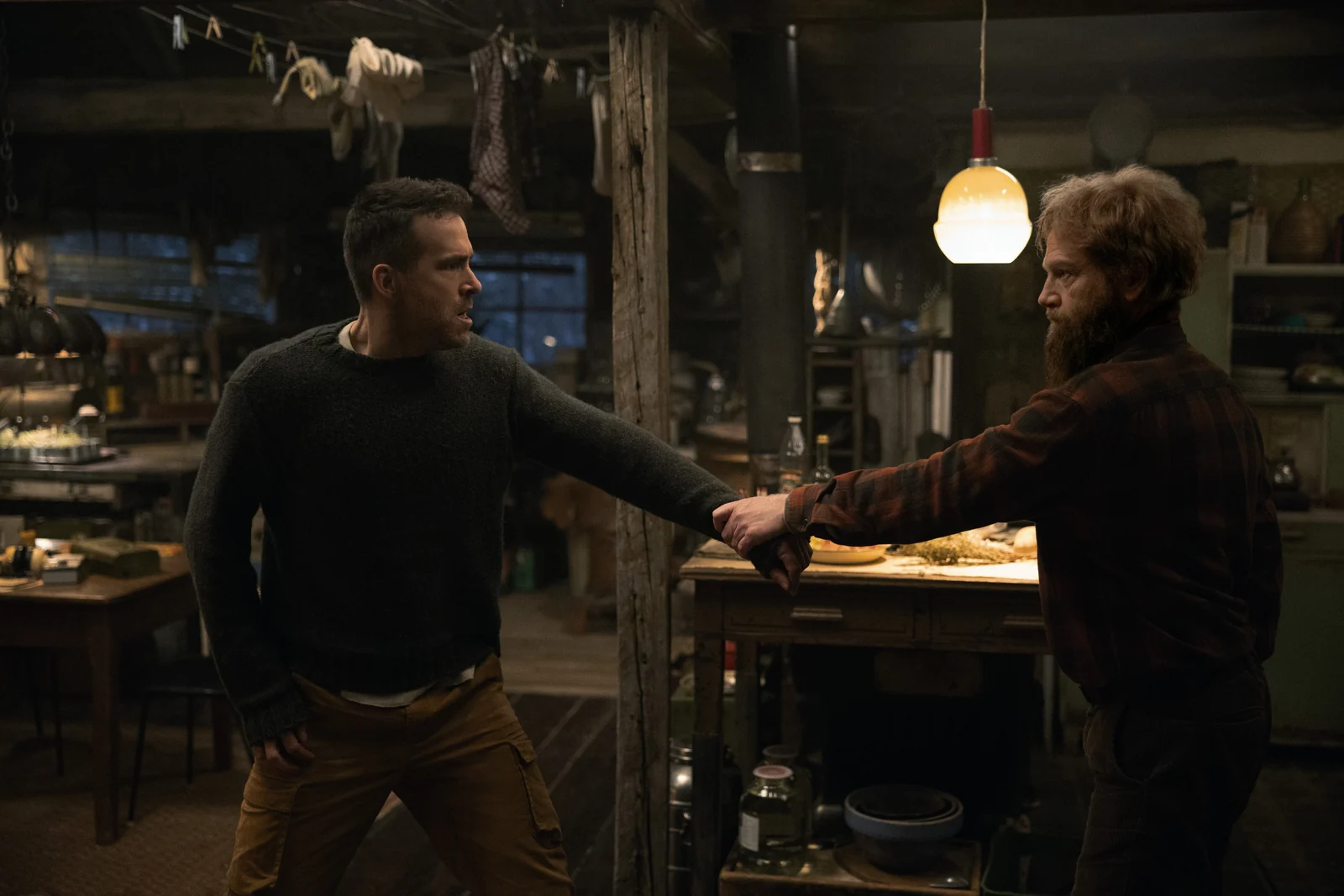
The most promising question in Mayday’s setup is what Troy is prepared to learn from the man who wants his help. Nikolai can admire Top Gun and still know more than an American pilot about the danger in front of them. Giving that knowledge real authority is the opportunity here. It asks Troy to take his rescuer seriously for something beyond his enthusiasm for Troy’s country.